Featured

Armenia: Home-Adjacent

Some trips are carefully and long planned for—you know the “bucket list”.  Armenia was never on it for me.  Instead, it is a rare case of a trip showing up and surprising me with itself.  Initially, it was going to be the site of an annual mother-daughter trip, a guided tour combined with Georgia.  My mother really wanted to visit Georgia, which was quite popular back in the USSR for its food, culture, legendary hospitality—and I was almost today’s years old when I realized that there must have been a reason why it was so prominent among all the republics of our “indestructible union”: there was that certain General Secretary of the CPSU who ruled for 30 bloody years; he was Georgian.  I still want to go there, for the food, the culture, etc., but I really wanted to see Armenia.  Emotional ties bind me to it, which is another story for another time.
In short order, the mother-daughter trip devolved into my mother’s typical tour with a bunch of her friends, and I bowed out—but with a deep feeling of regret and loss.  Unexpectedly, spouse offered to go with me. And so we went—and had a magical time.
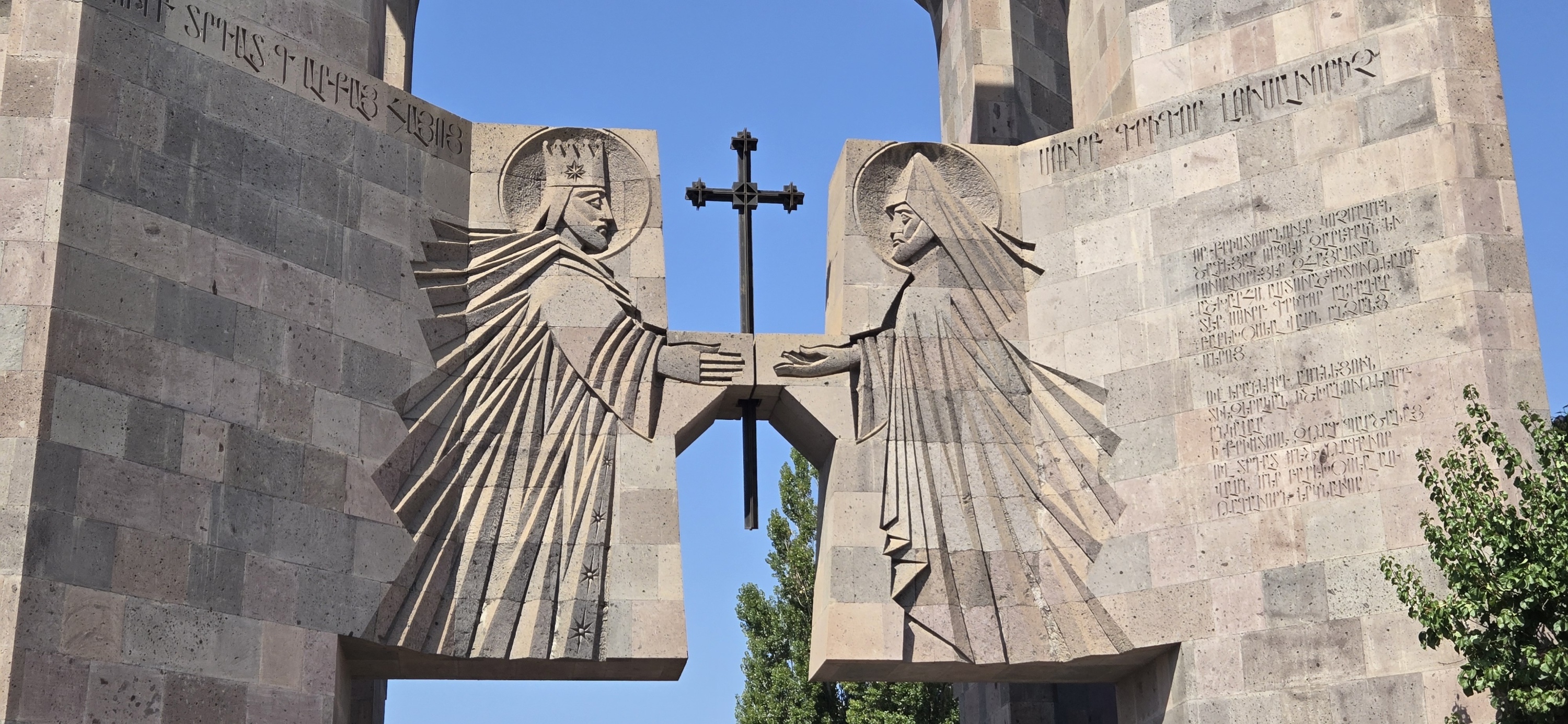
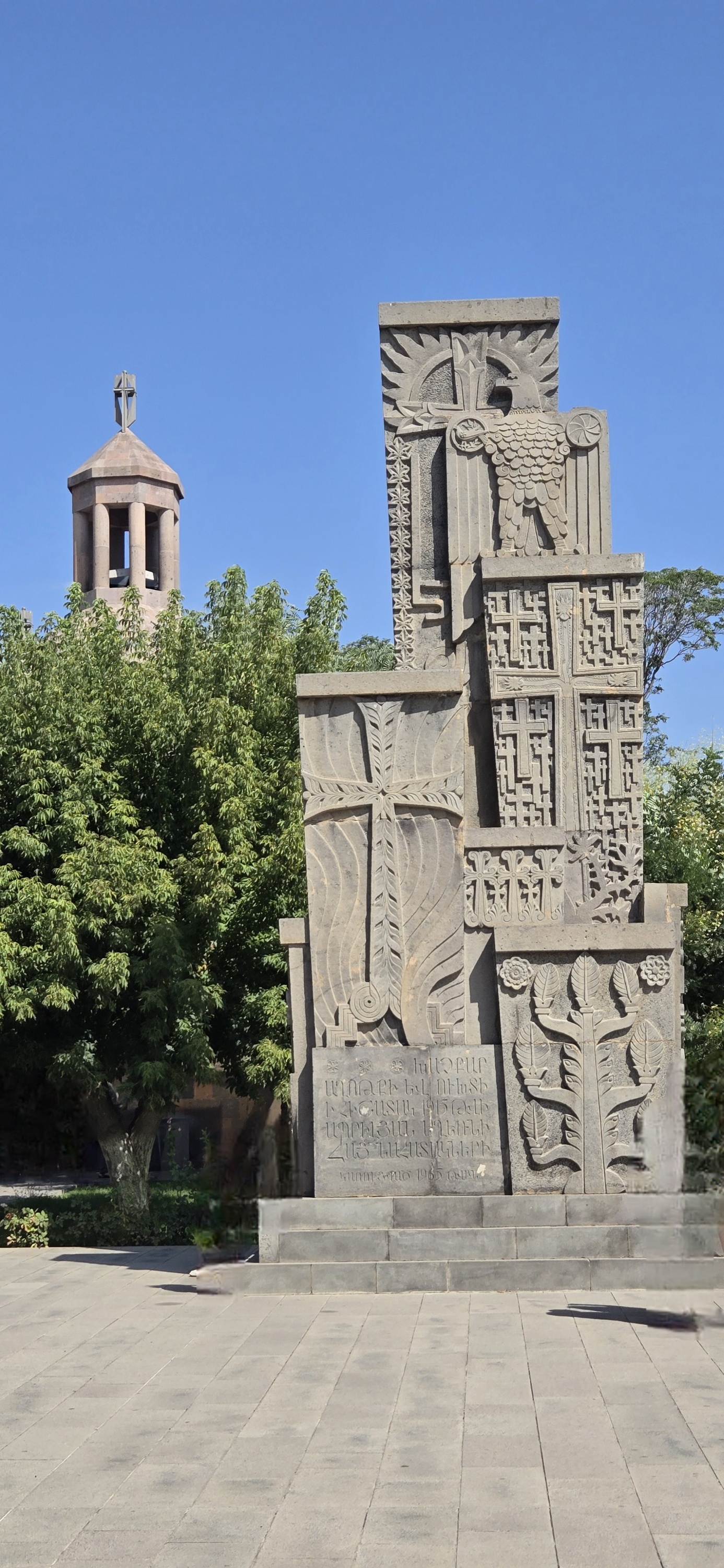
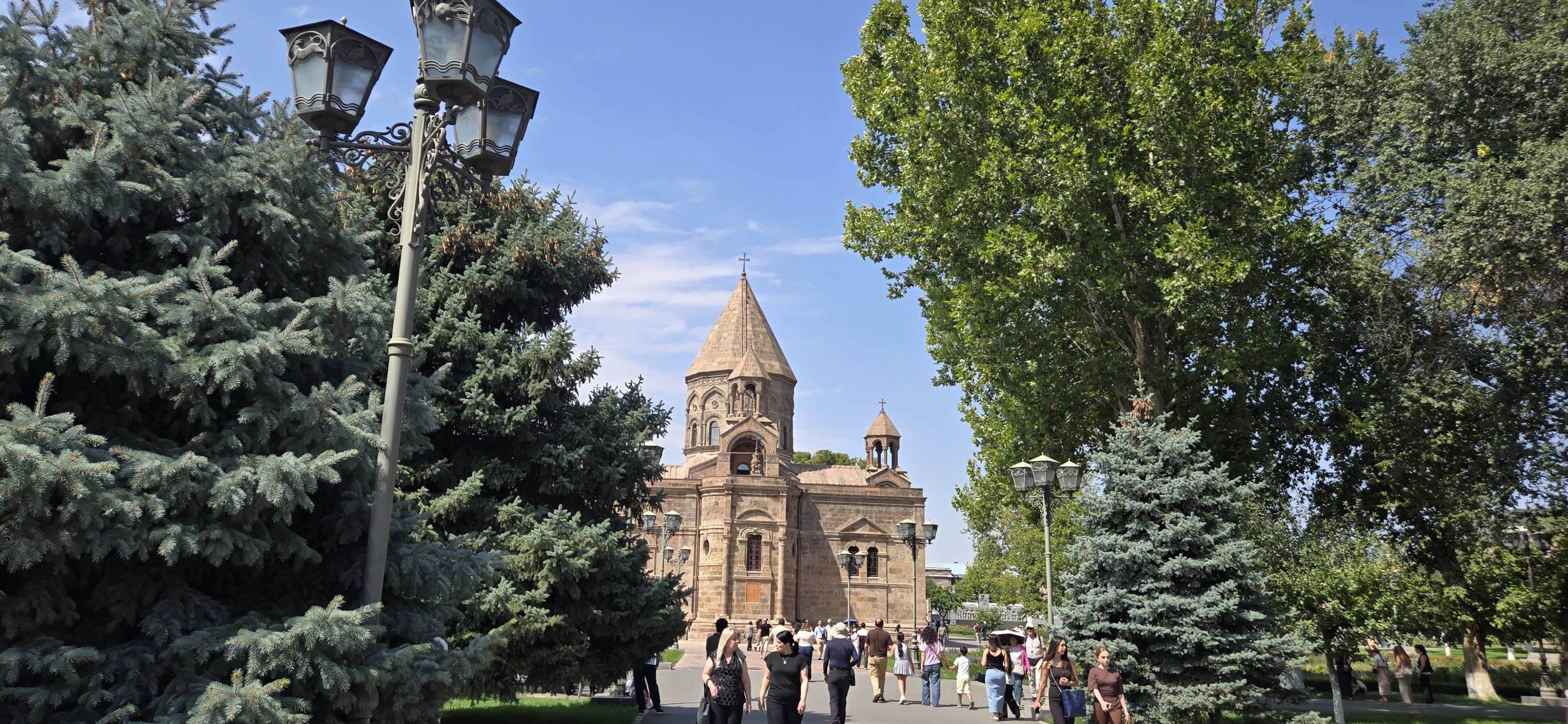
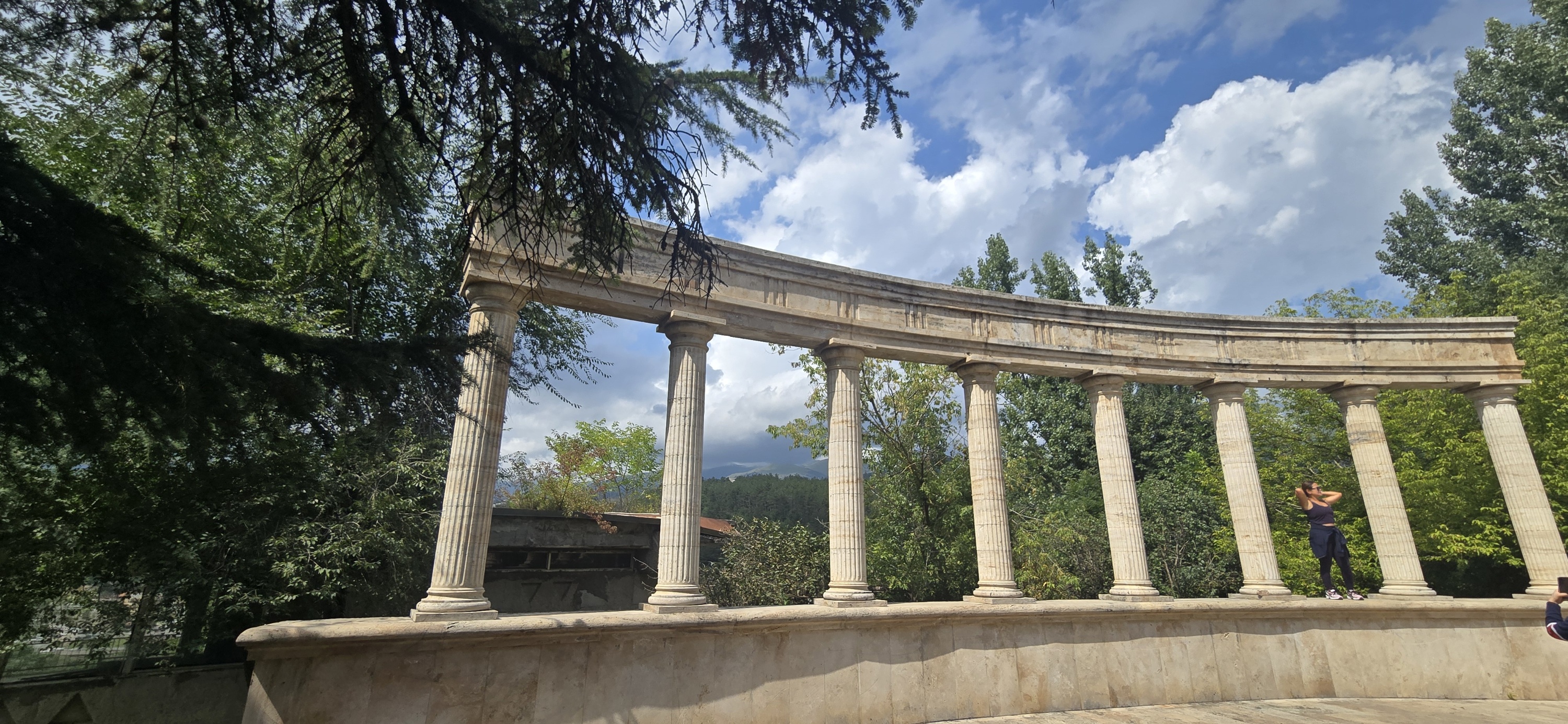
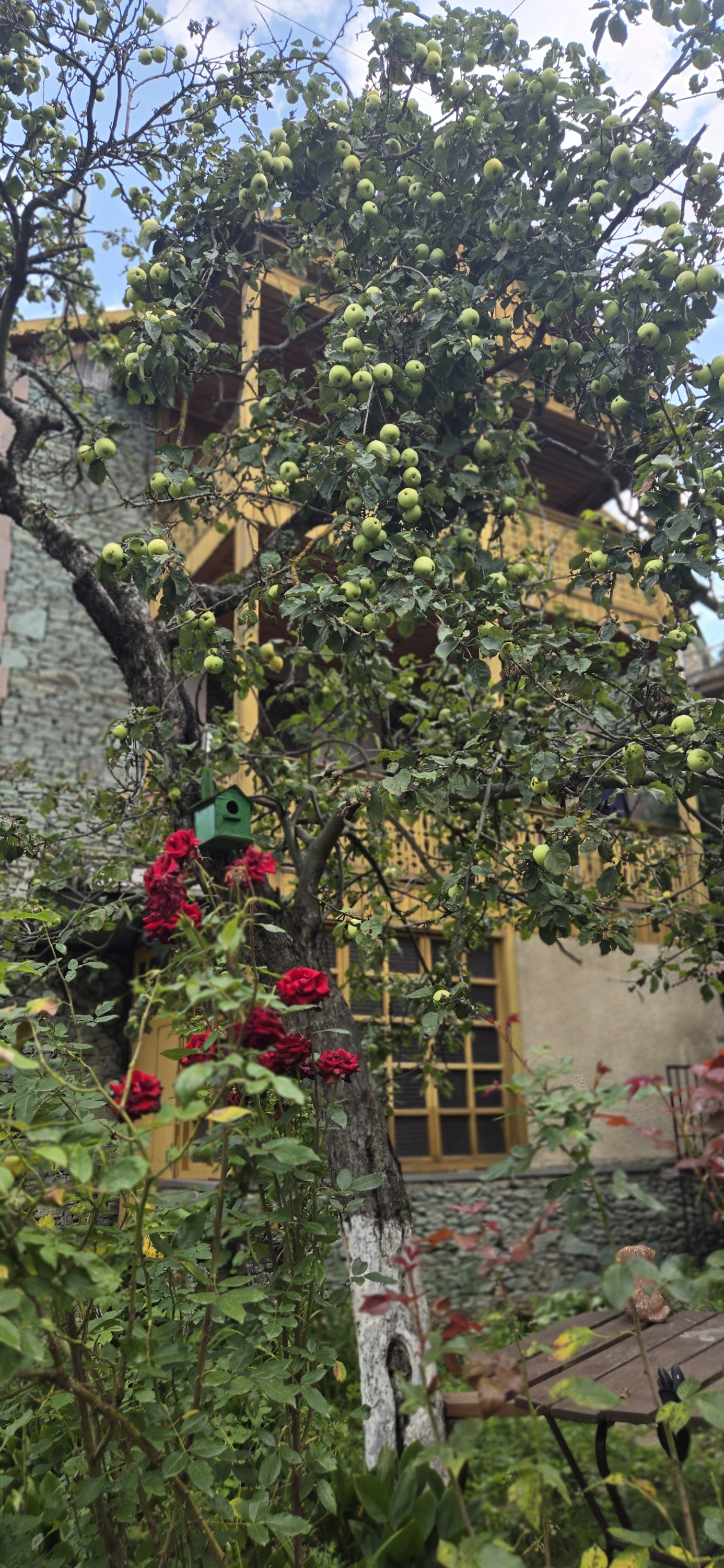
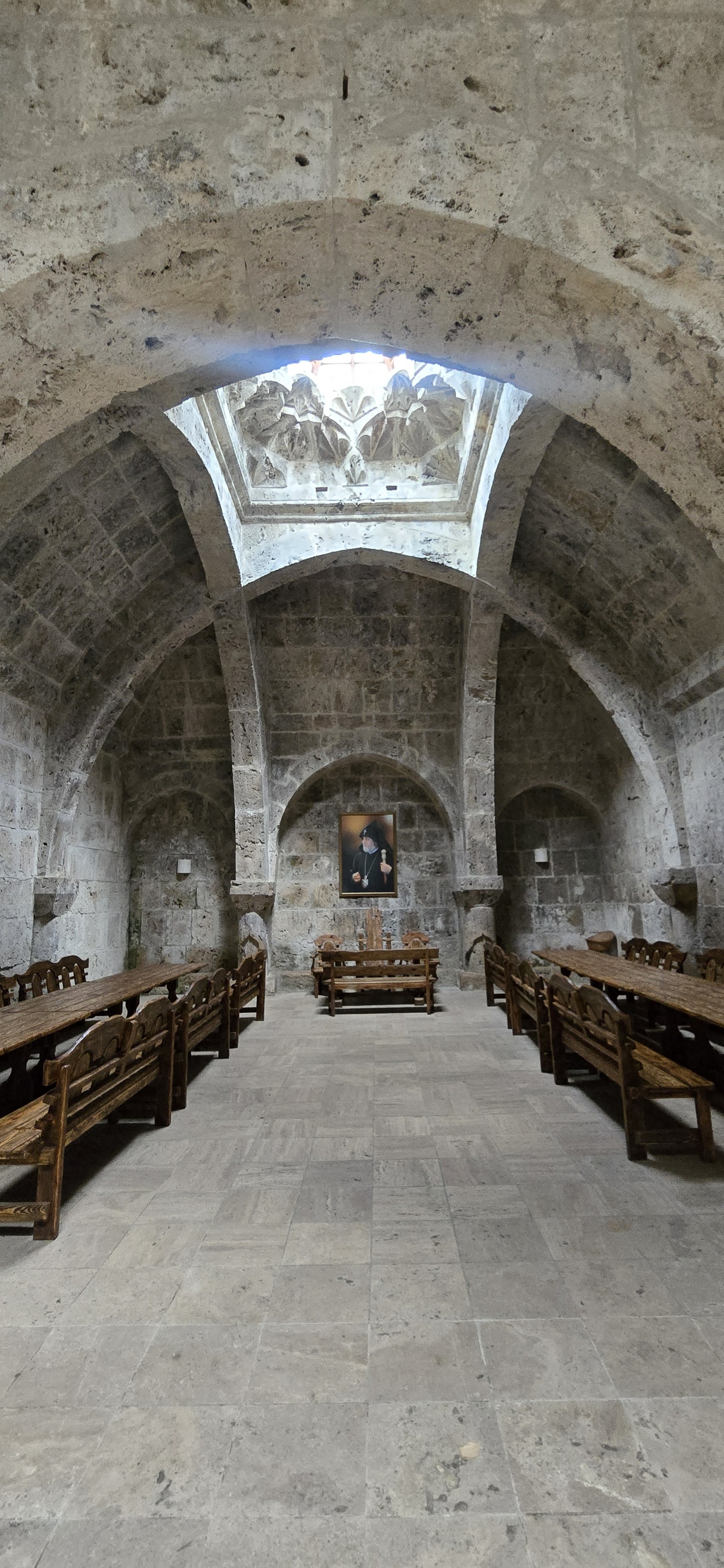
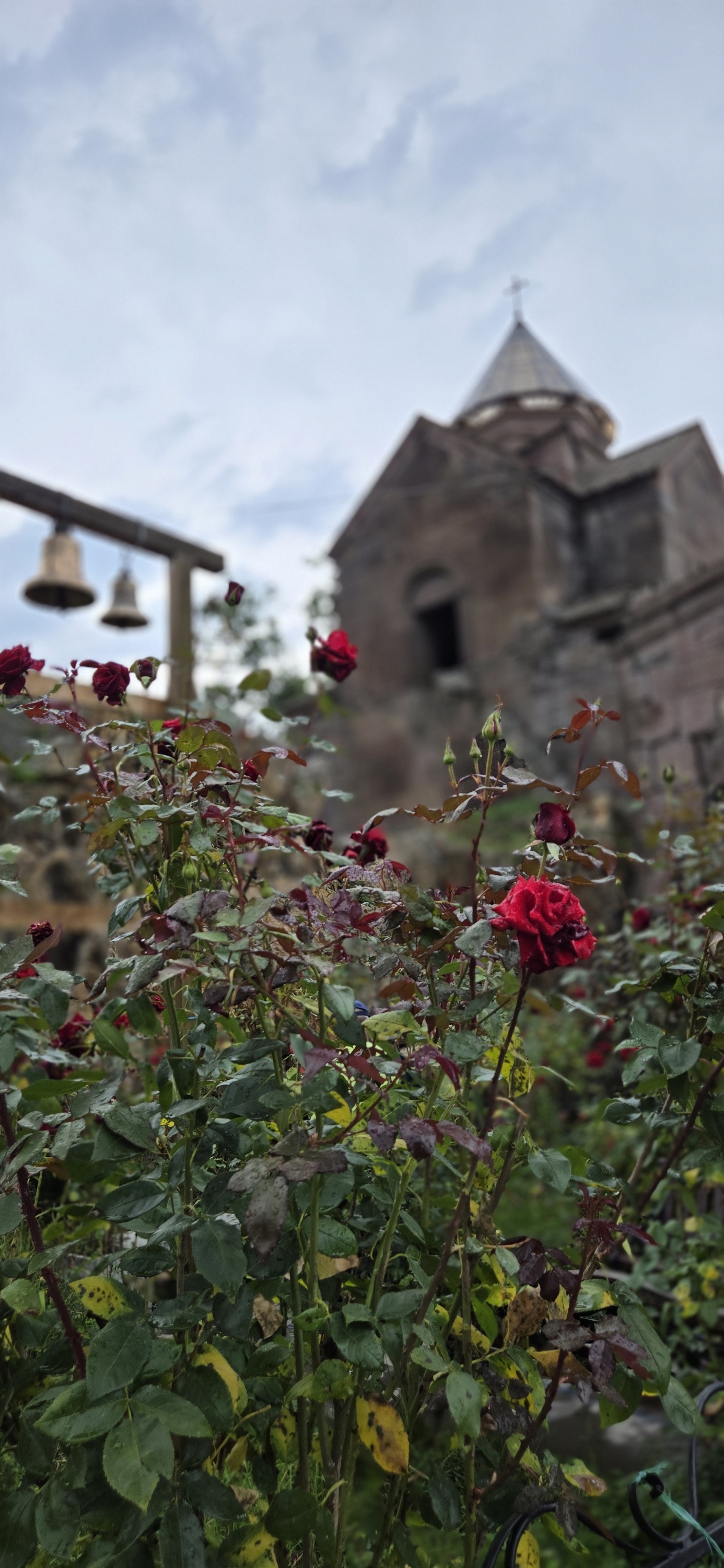
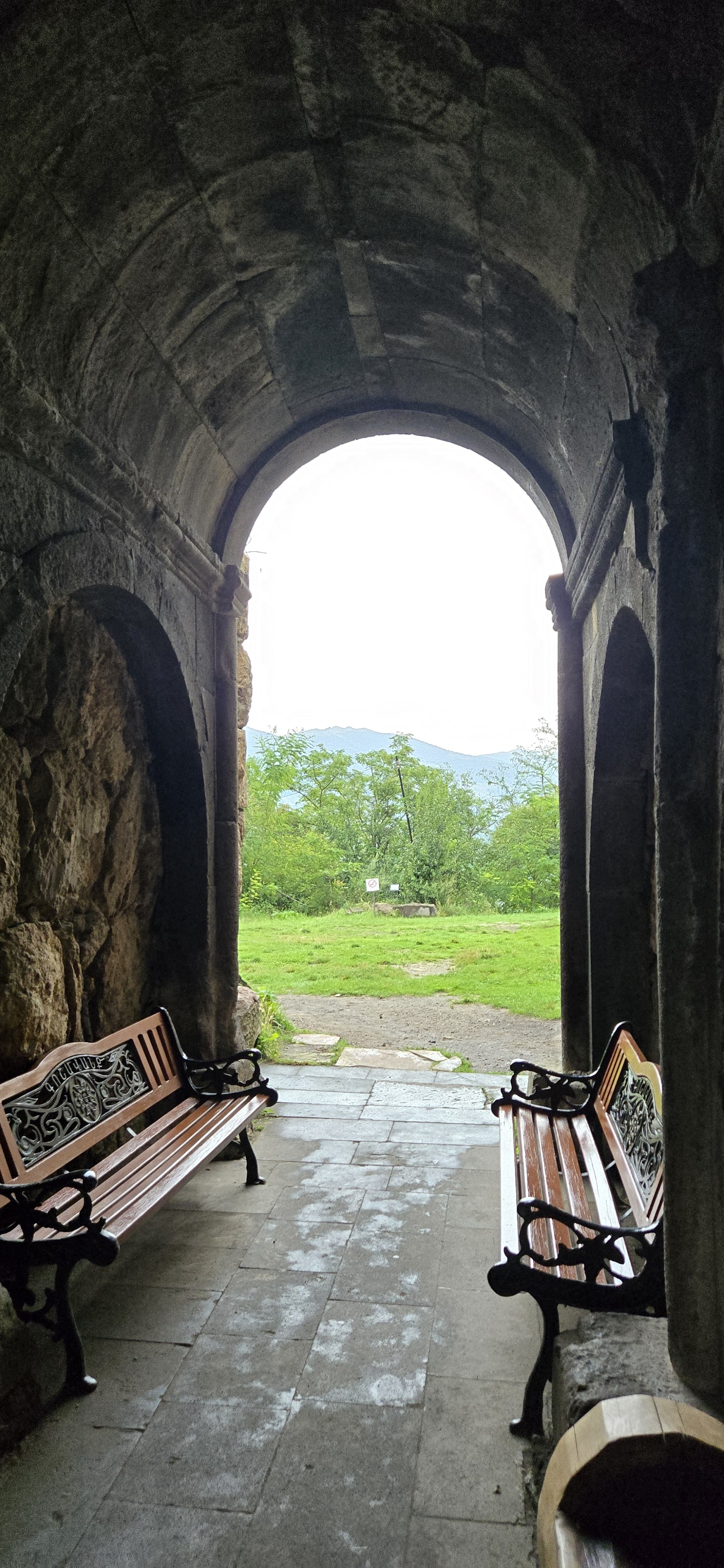
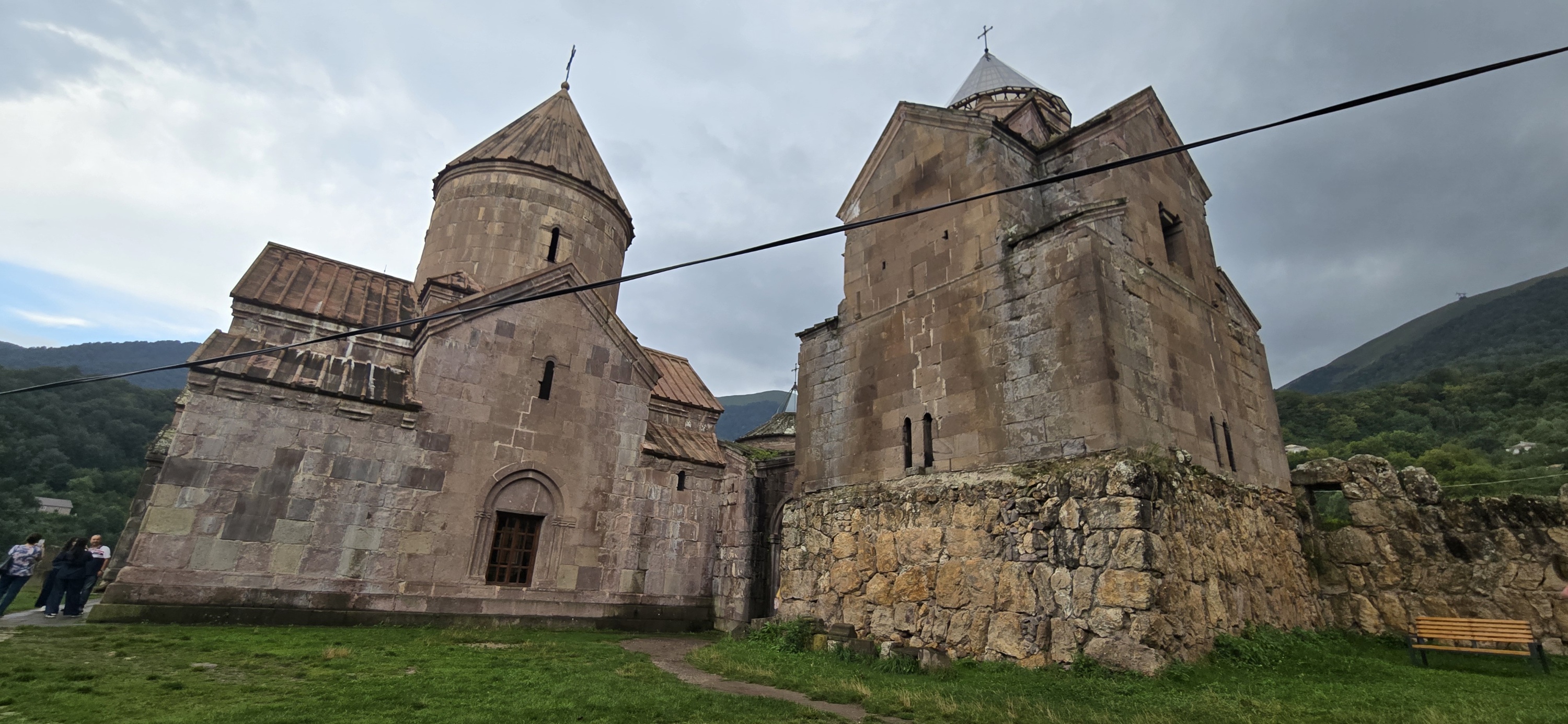
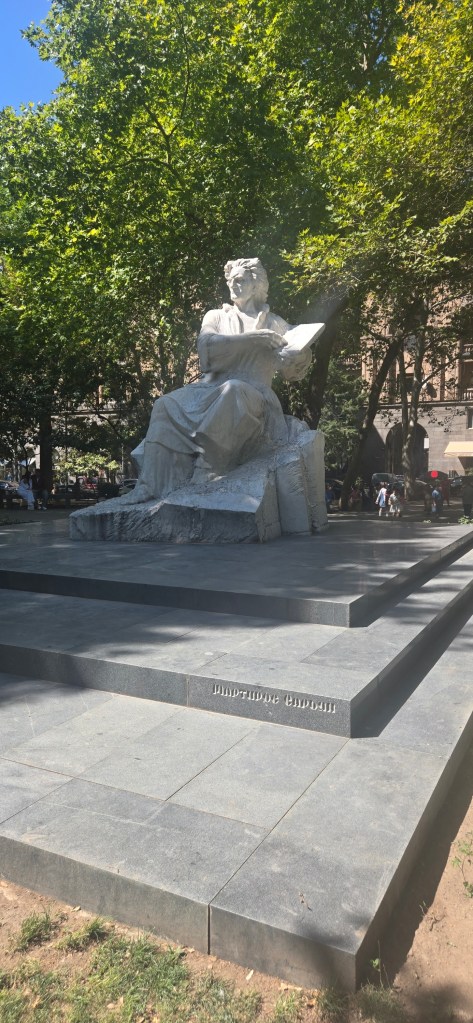
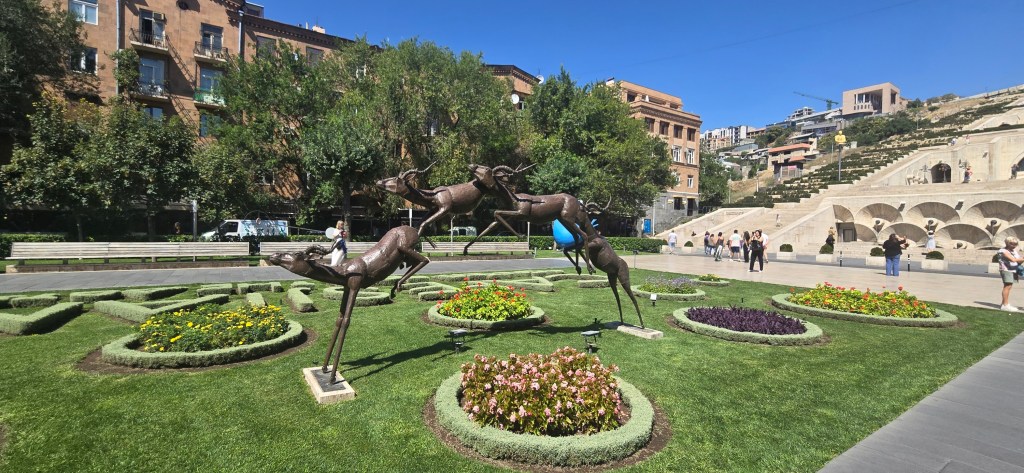
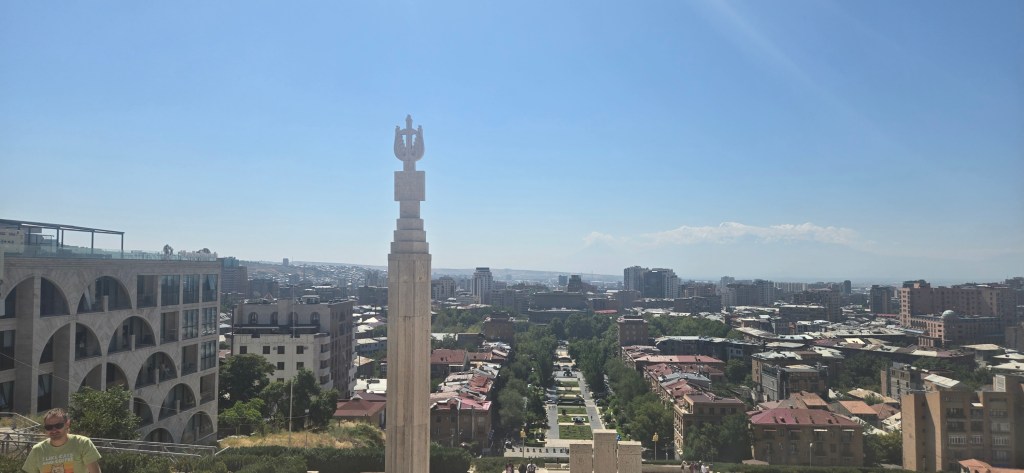
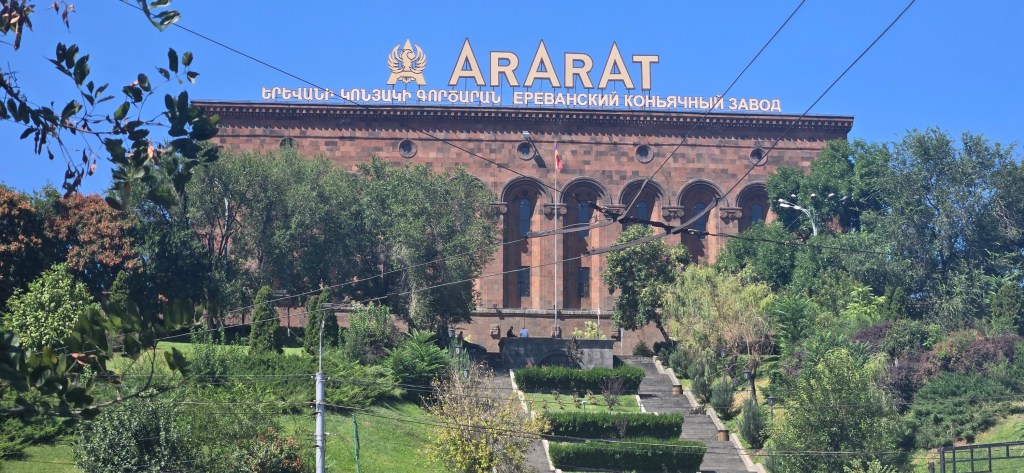
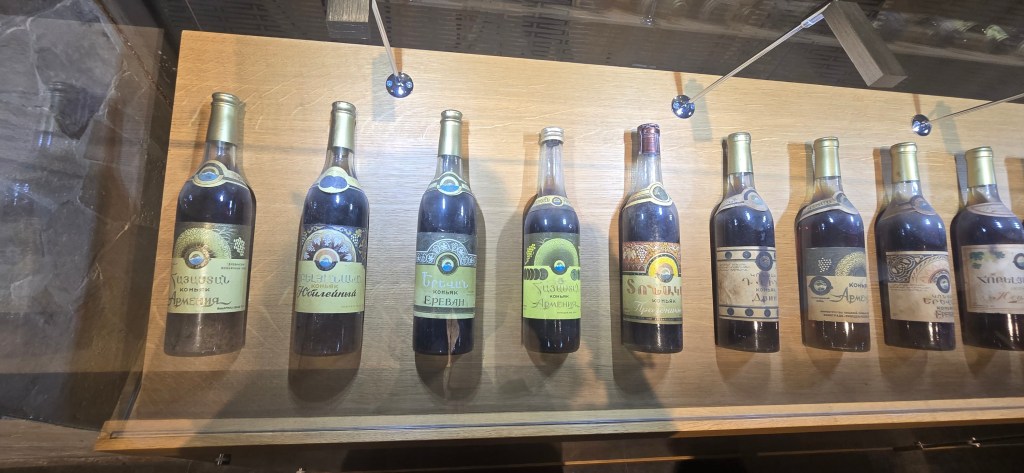
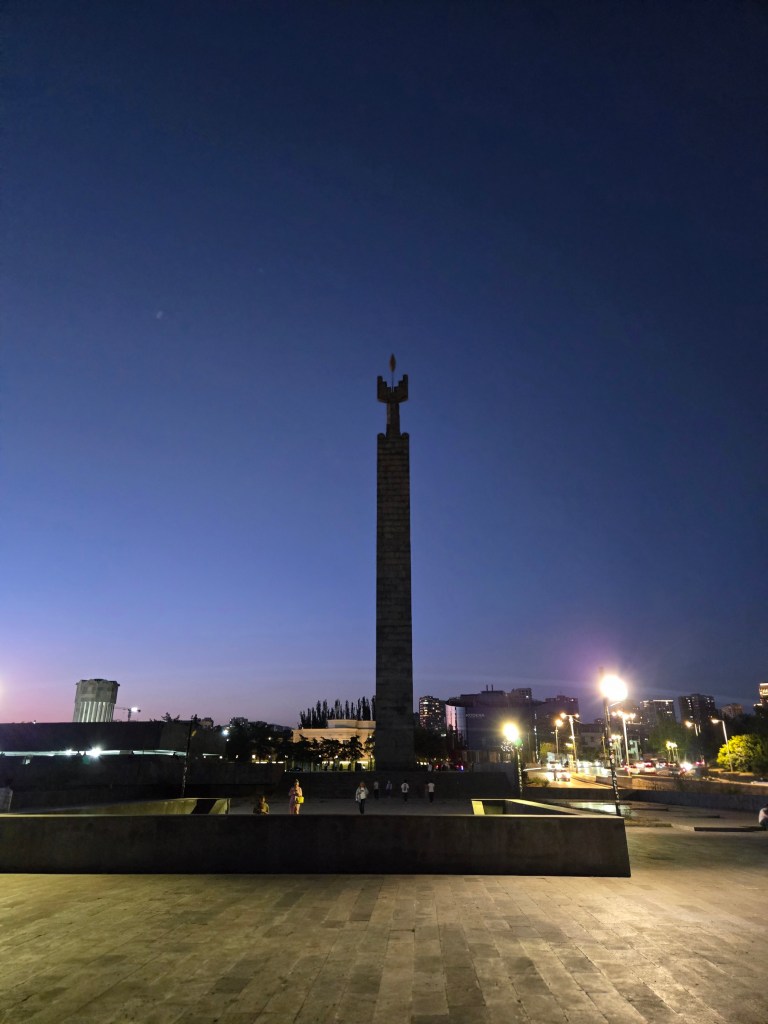
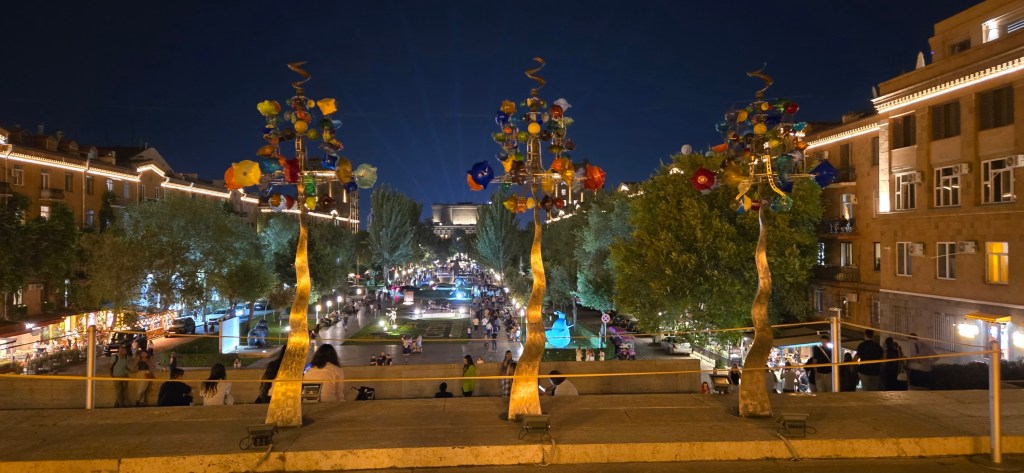
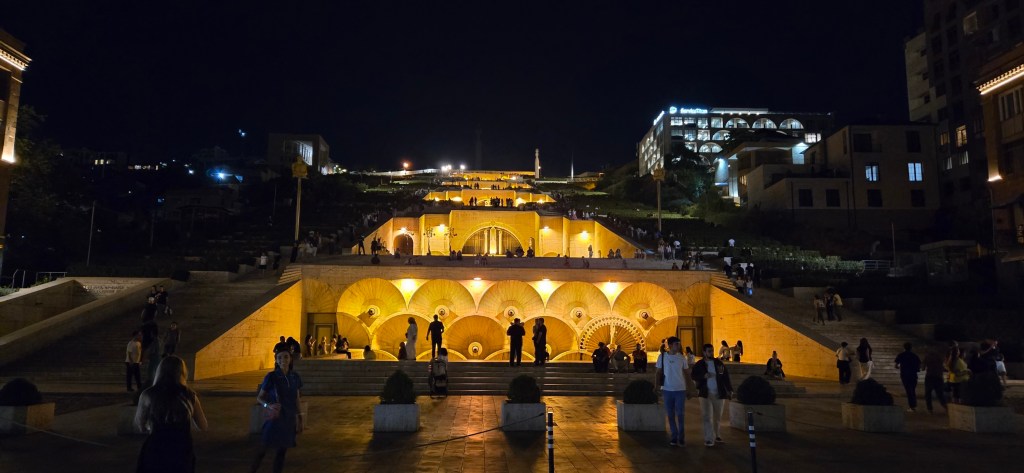
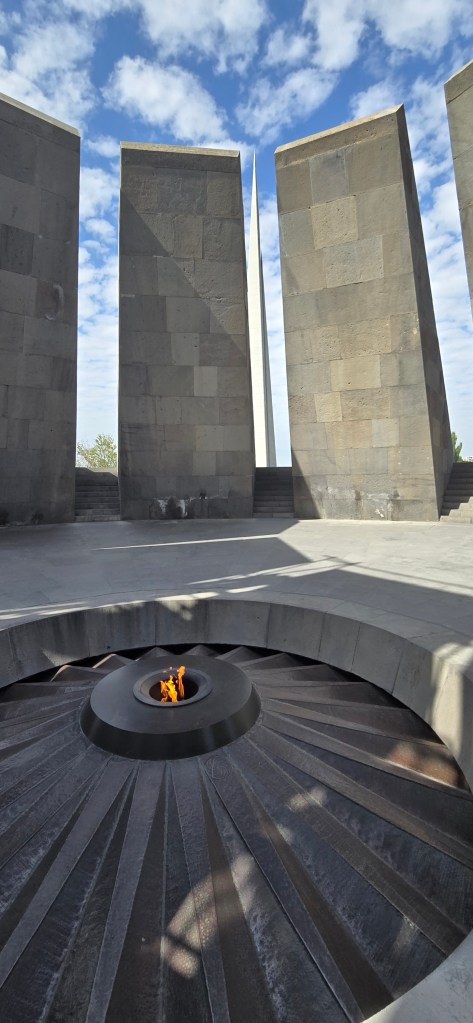
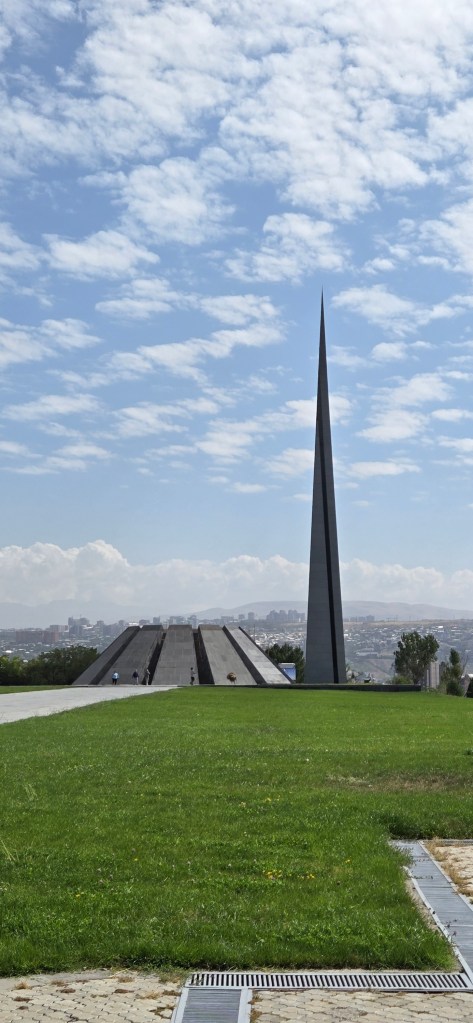
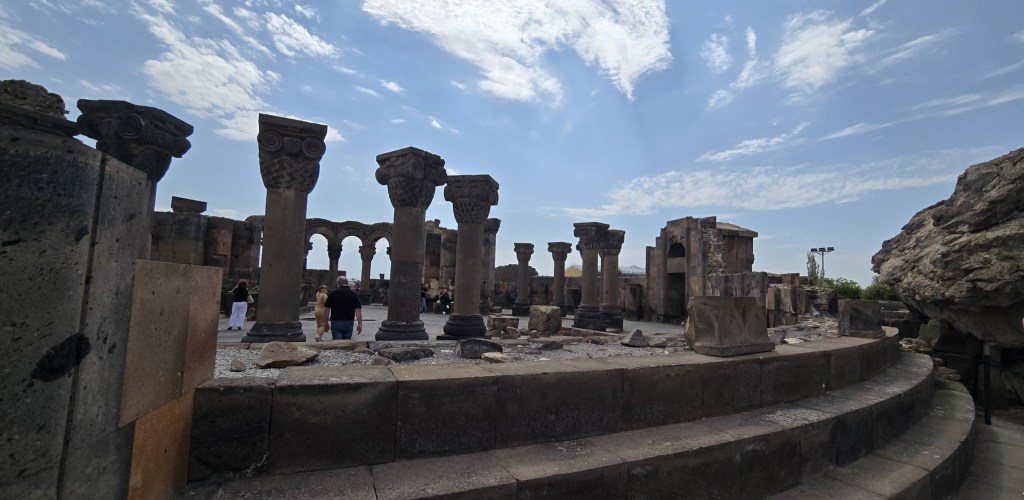
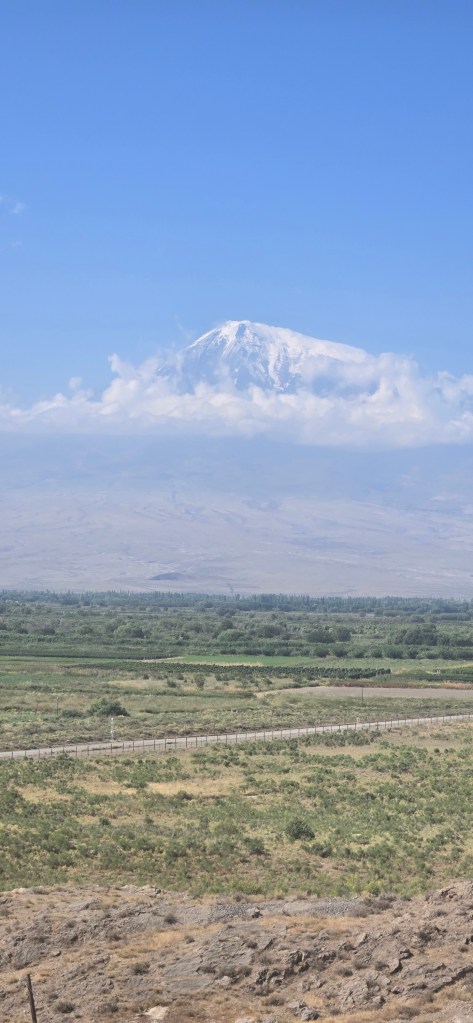
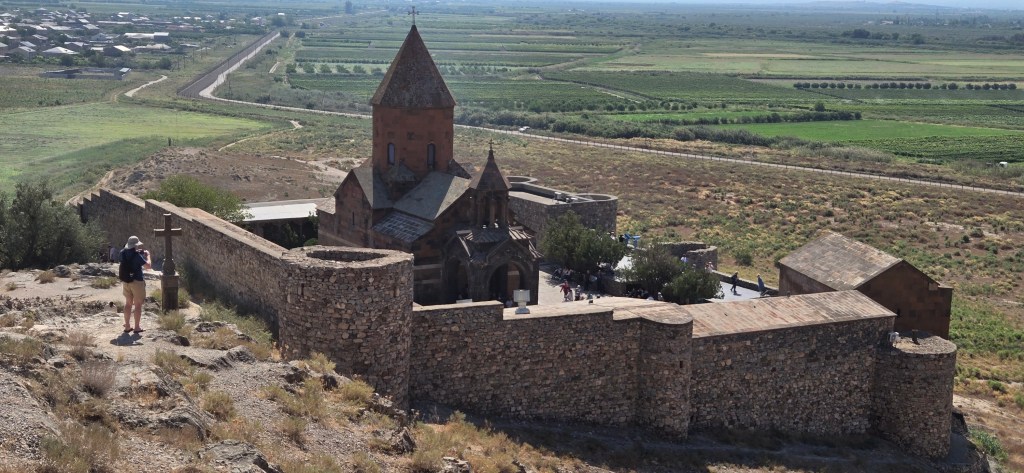
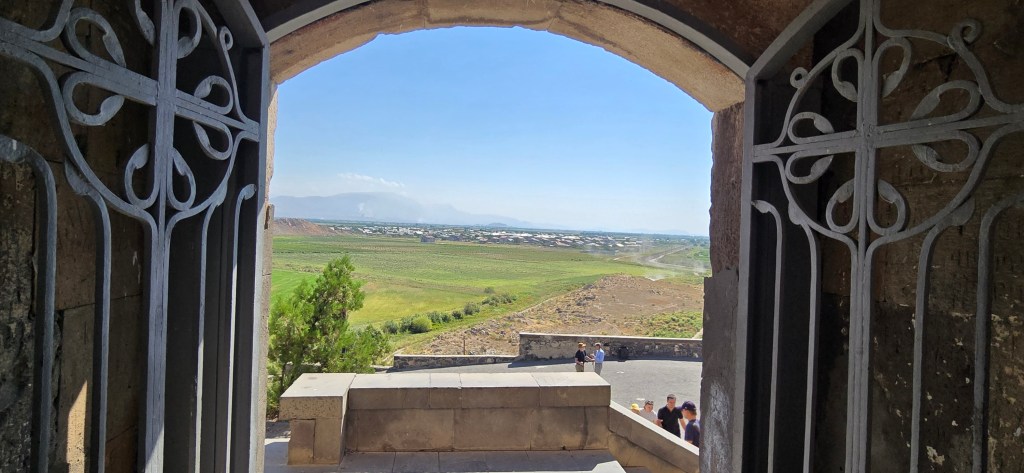
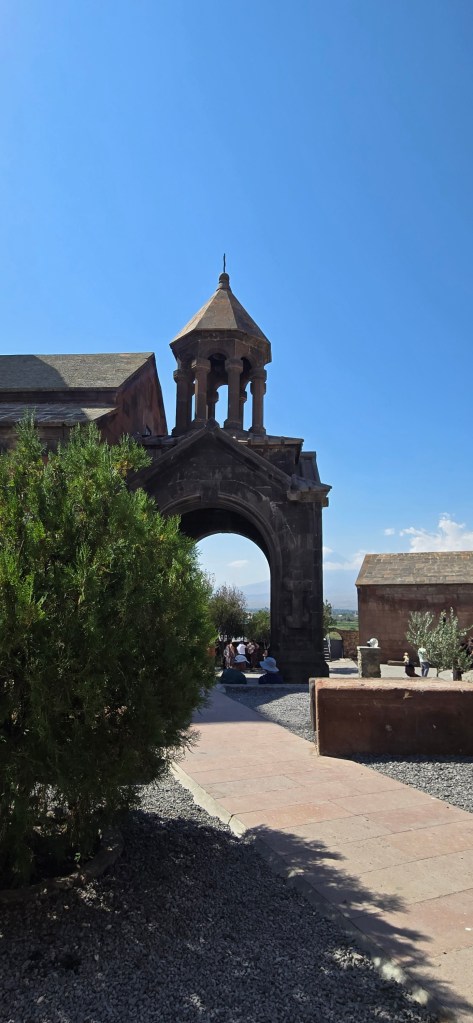
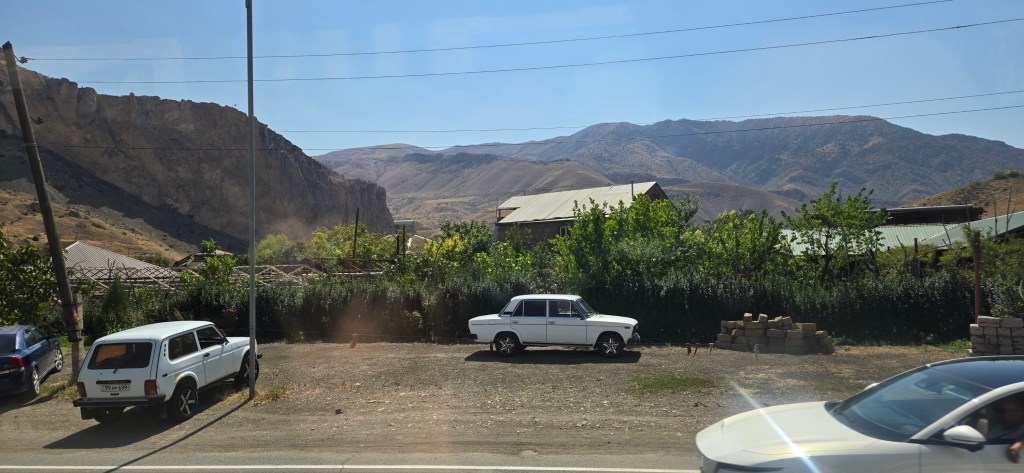
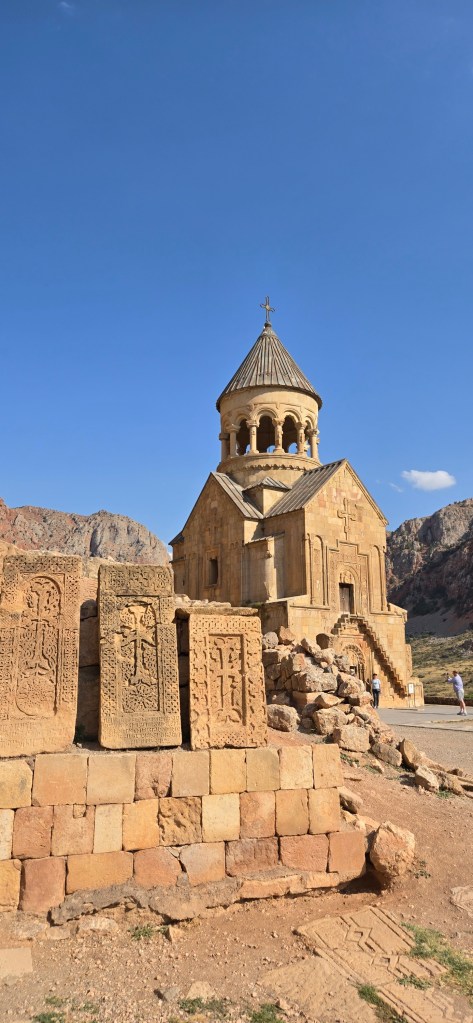
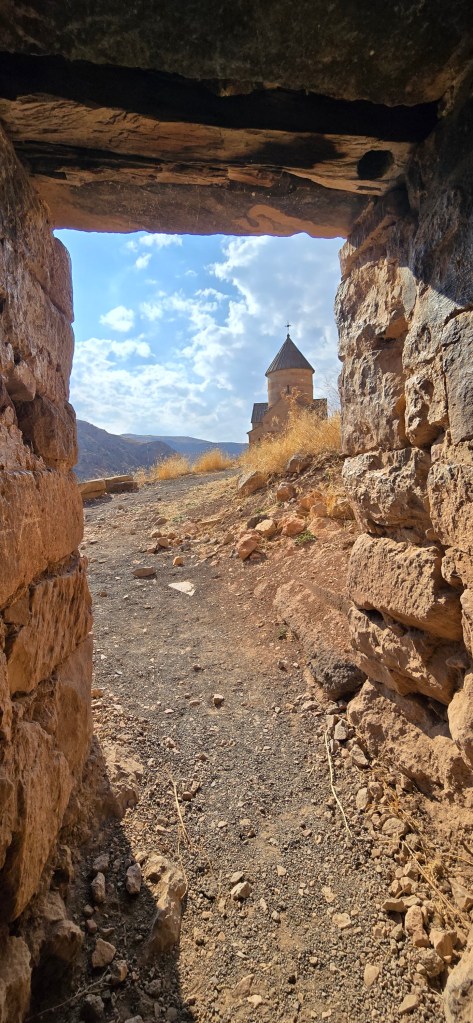
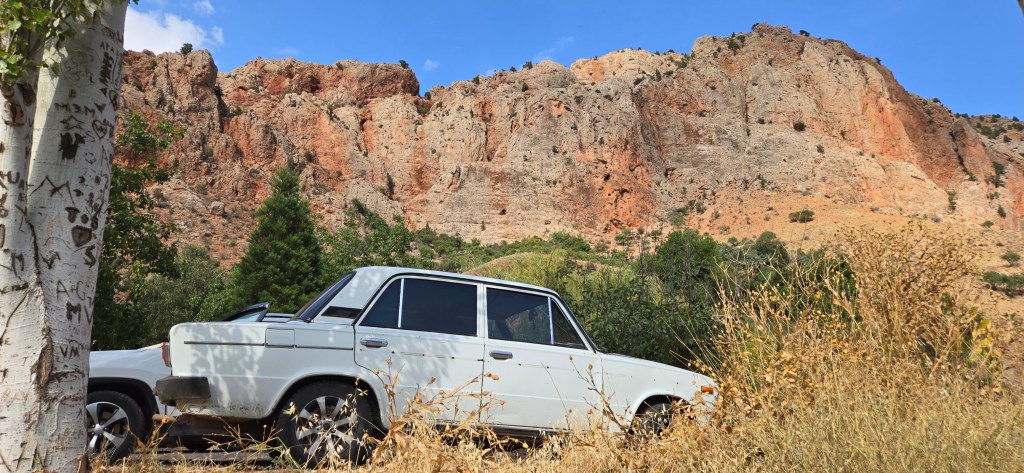
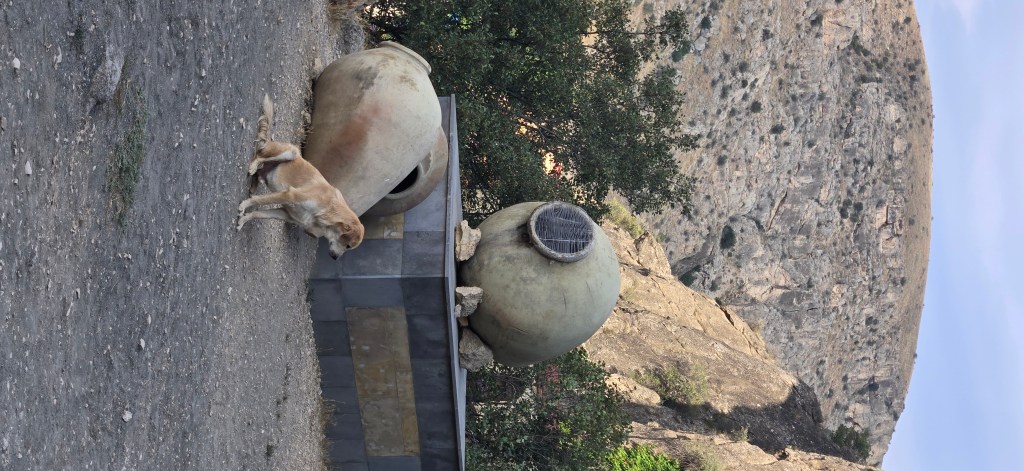
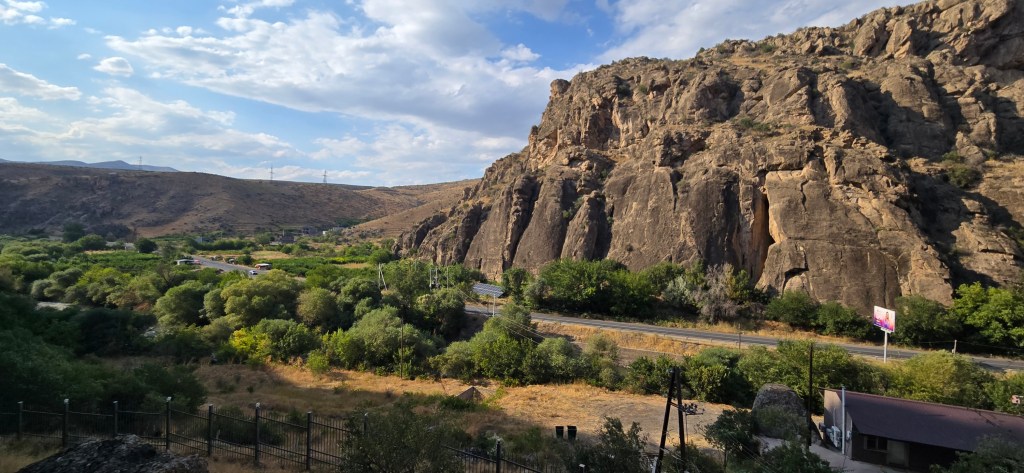
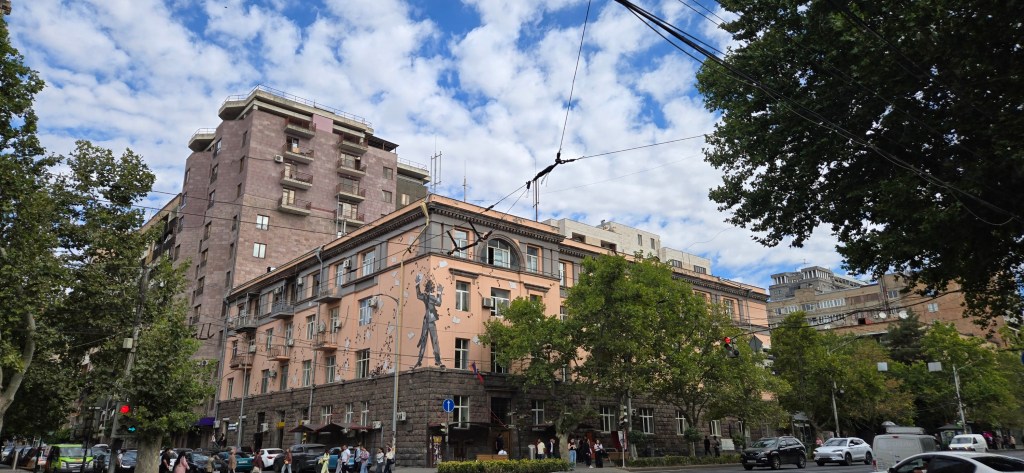
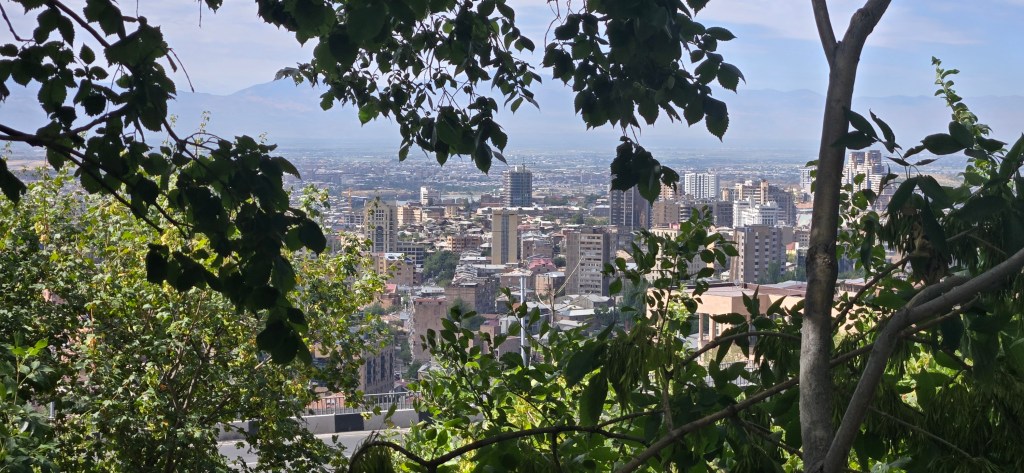
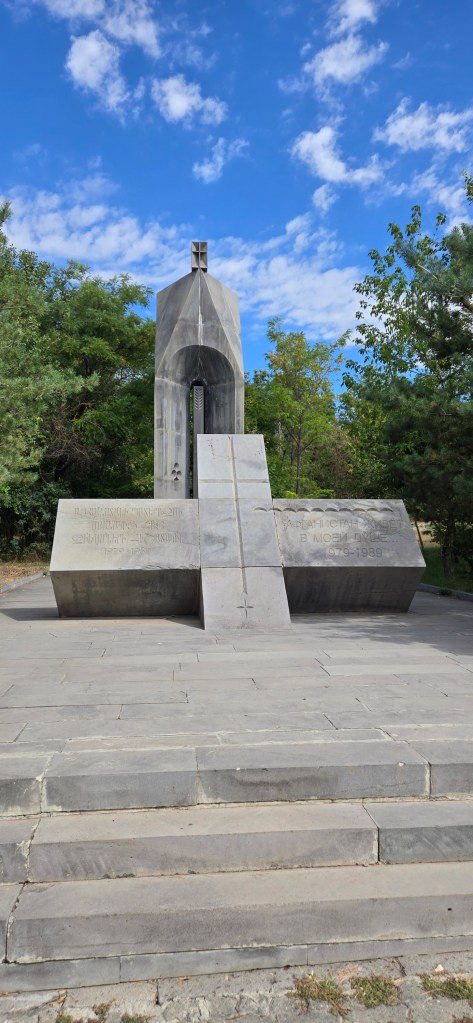
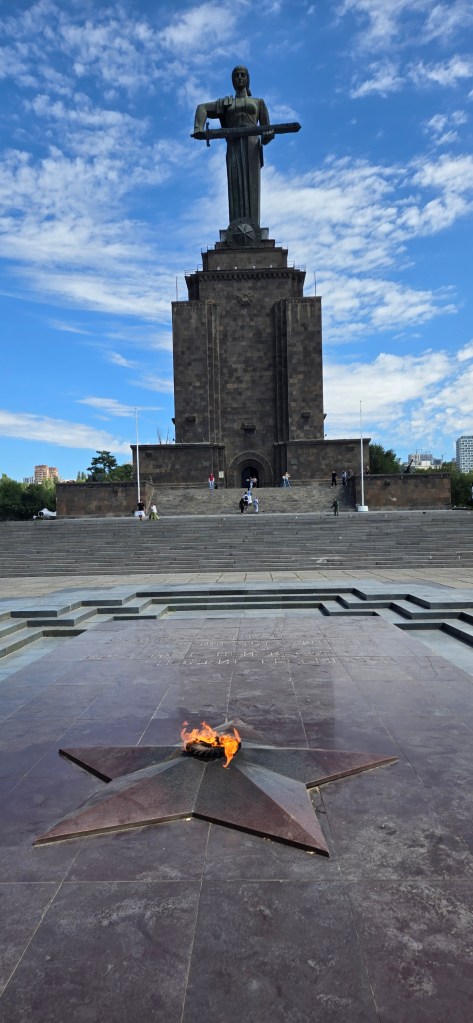
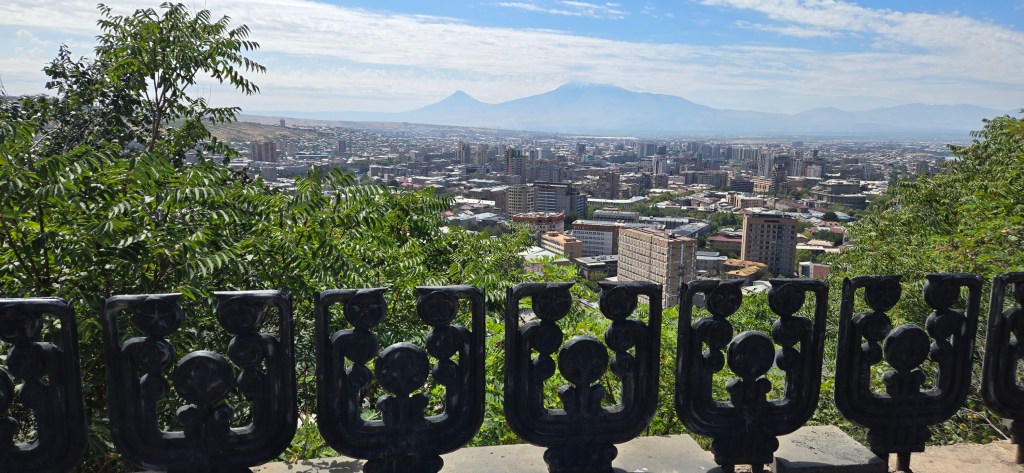
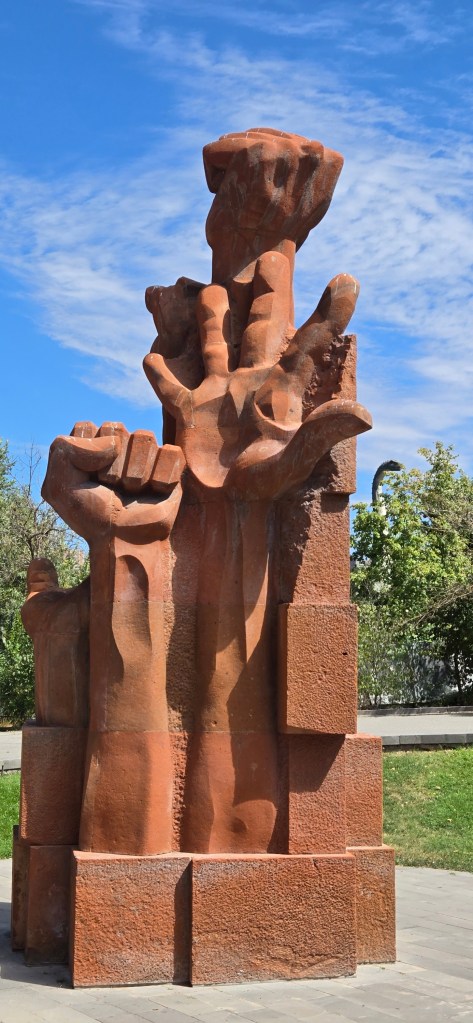
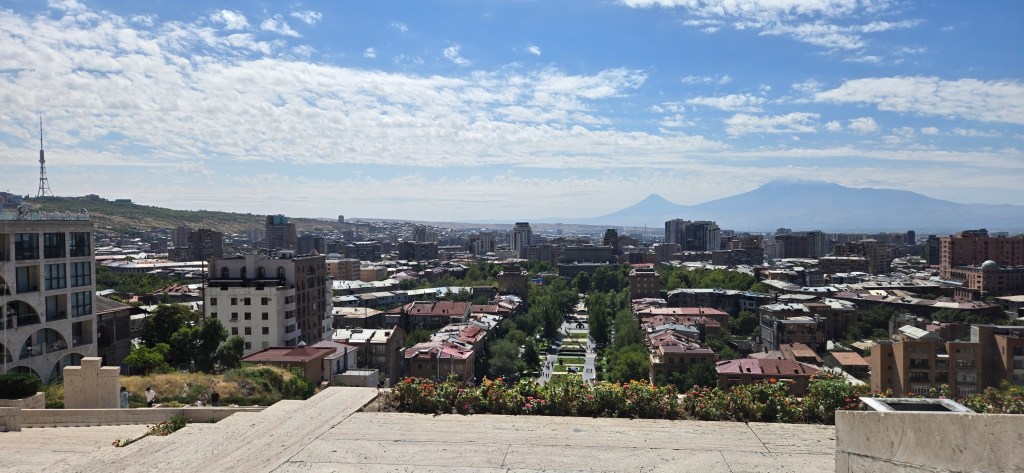
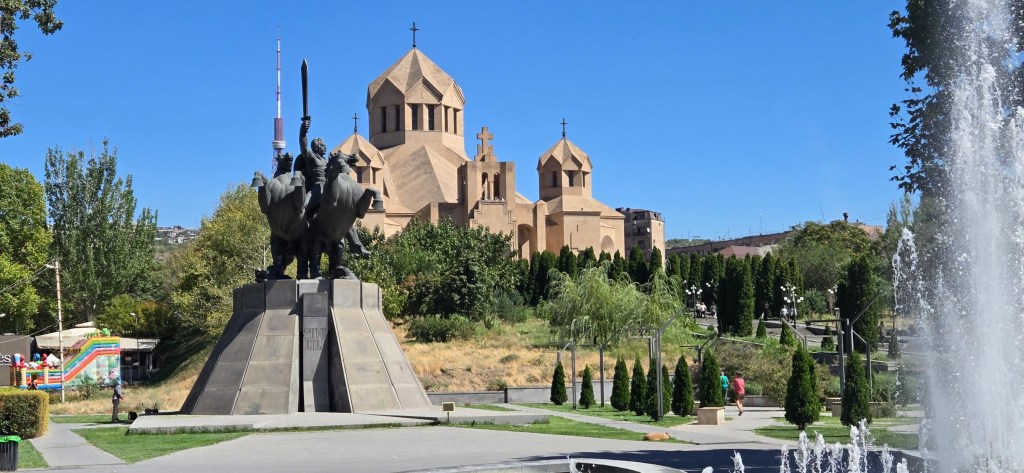
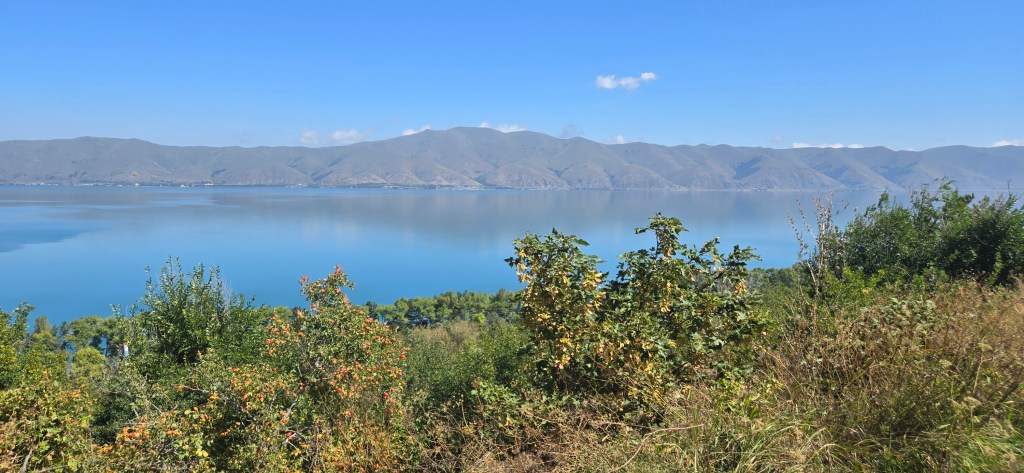
For the basic facts, we spent three days in Yerevan and also went on several day tours around the country.  I will not describe those because a picture is worth a thousand words, as they say, and there is simply too much to tell.  Armenia is the oldest Christian country in the world and home to the oldest Christian cathedral—let Rome be envious!  Of course the nature is beautiful, the architecture is impressive, the food is beyond delicious, but it’s the spirit of this land that moved me.  A chronicle of conquests, subjugations, wars, and yet there it still is, proud and joyful. Three hundred days of sunshine a year (I live where we get the other sixty five), natural and man-made beauty all around, lovely music, delicious flavorful food, hospitable people who are so proud of their heritage…
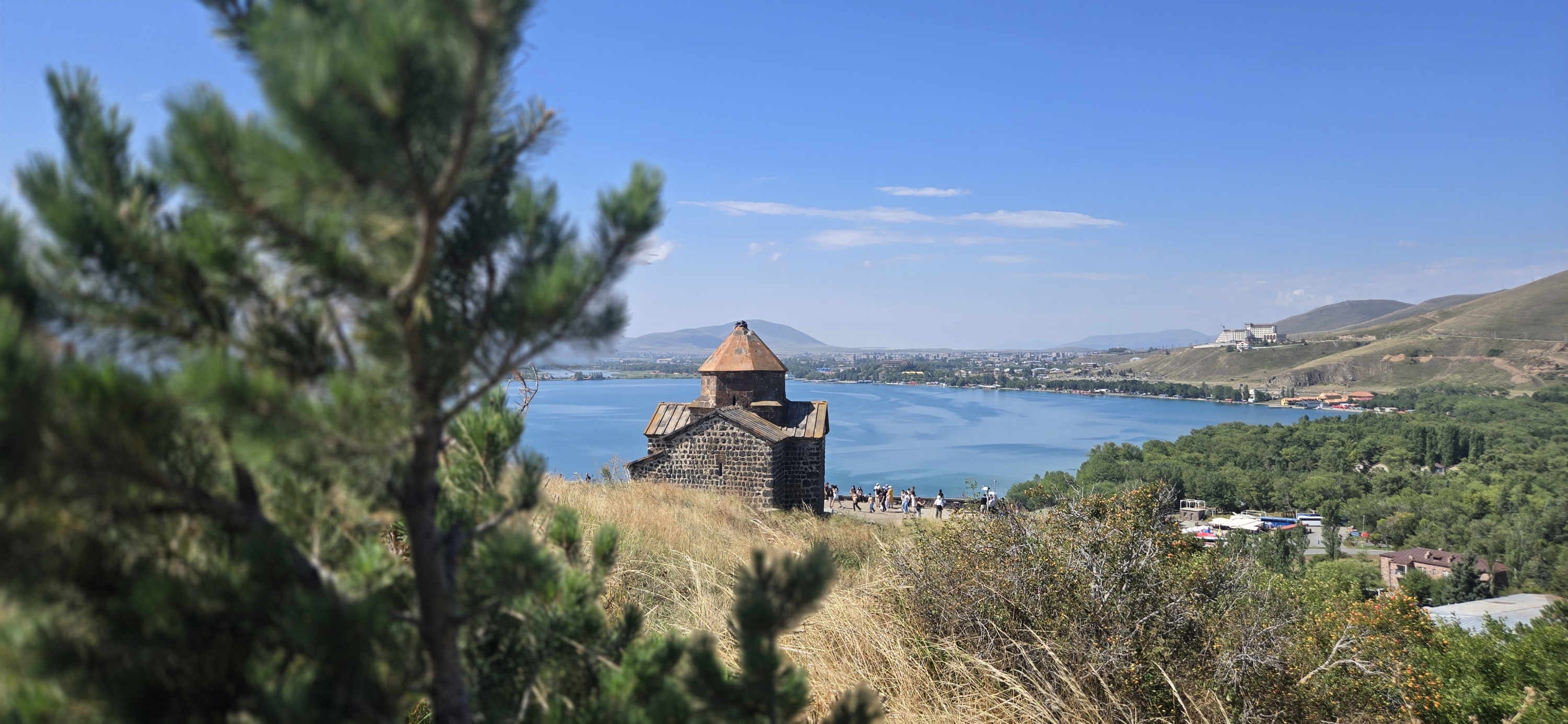
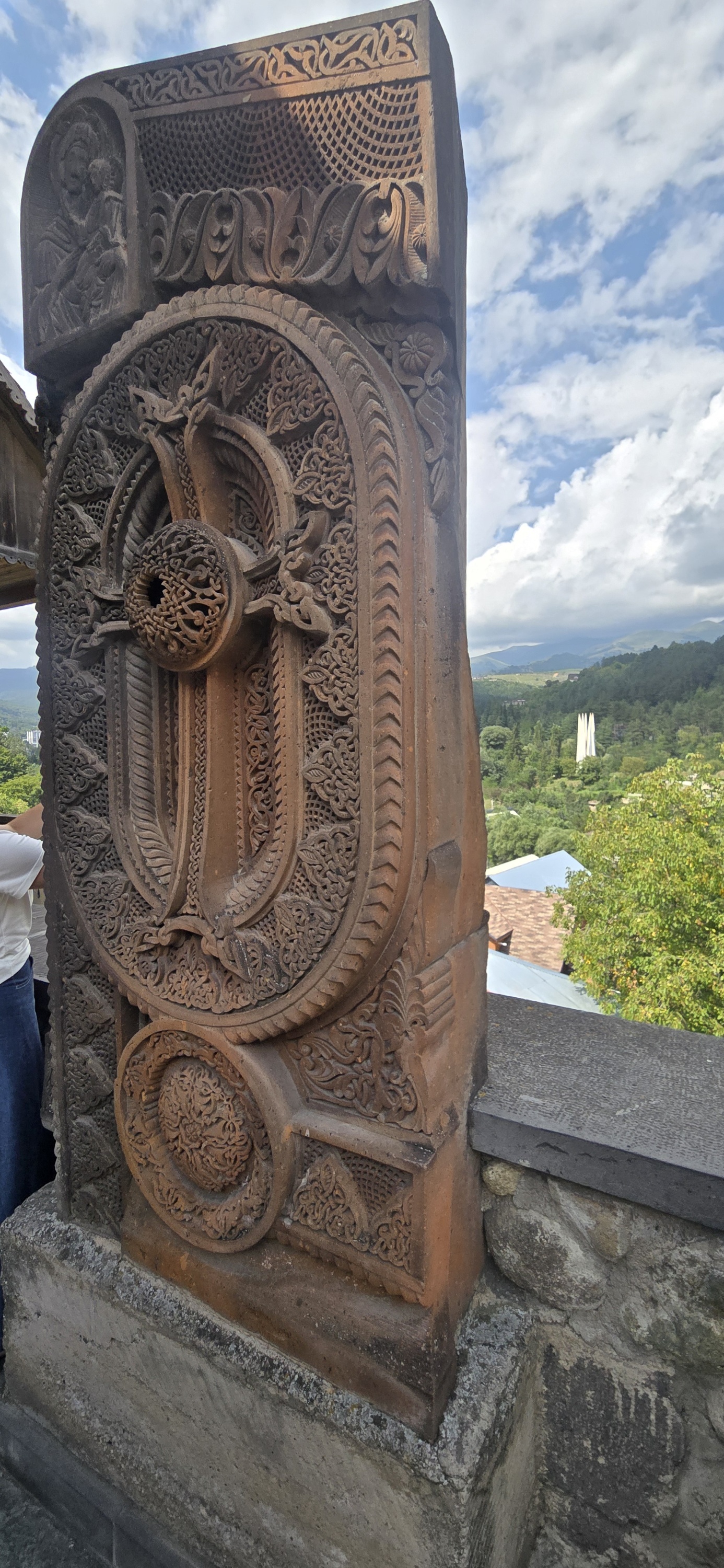
But imagine, you live in this land for thousands of years, your ancestral land, with your own history, your religion to which you have committed before anyone else in this entire world, your unique language, your inheritance.  Then one set of invaders come, and you live through that, then another, and you keep going.  You become a part of one empire, then another.  You have to learn their language, their customs, their history.  You regain your independence, but you continue to learn and adapt, and fight, in the land that was always yours.

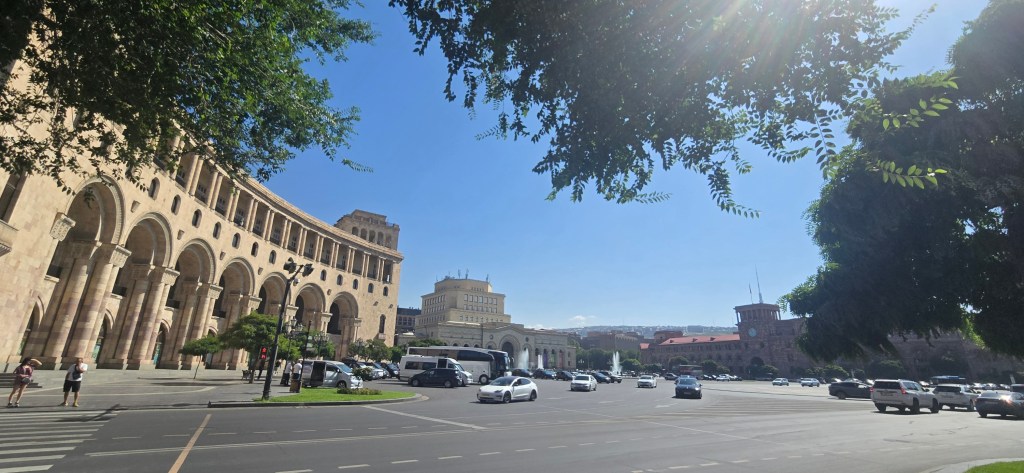
Imagine, in my lifetime, we were citizens of the same country.  I would have been curious and excited to travel here, and I would have also expected everyone to understand and speak my language.  It was the official language of our country.  Now I come as a guest, amazed and appreciative that I am understood in the common language of the old empire as well as the new universal language of the world[1]. 
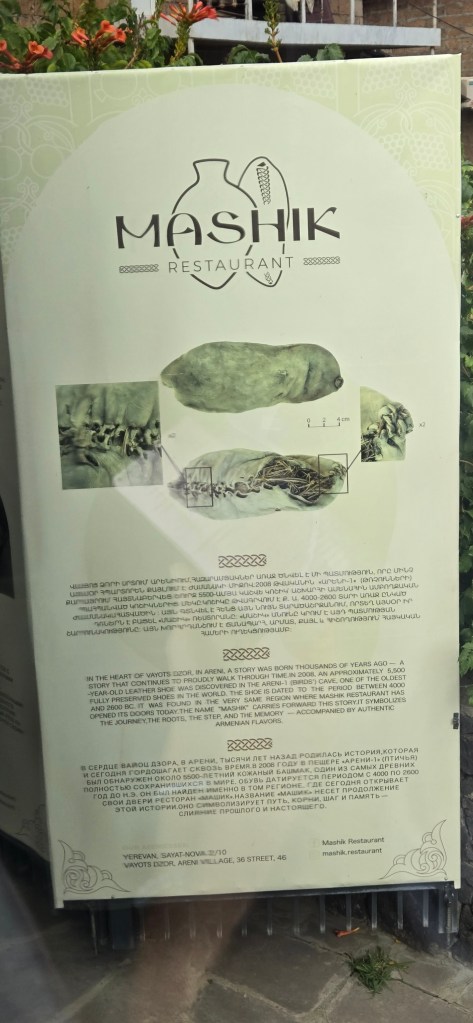
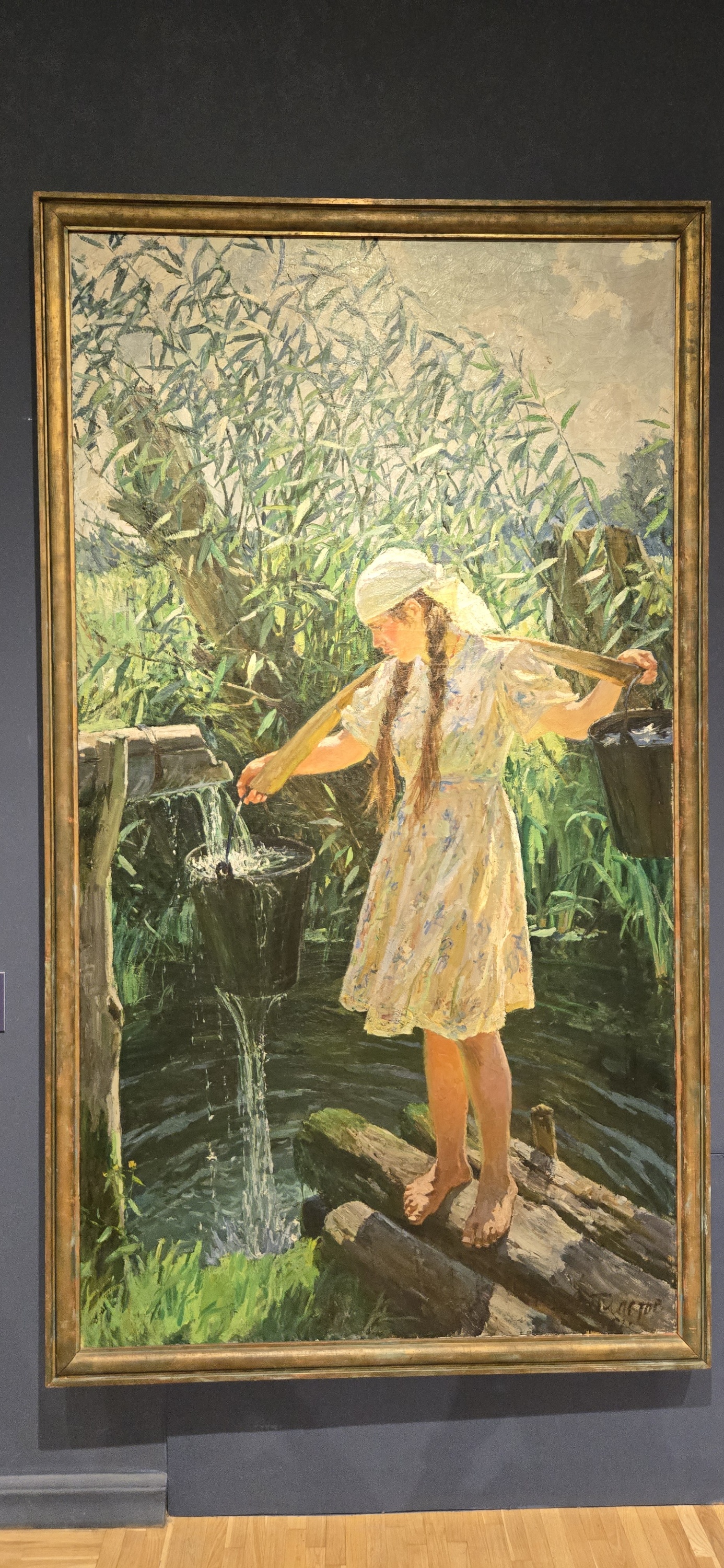
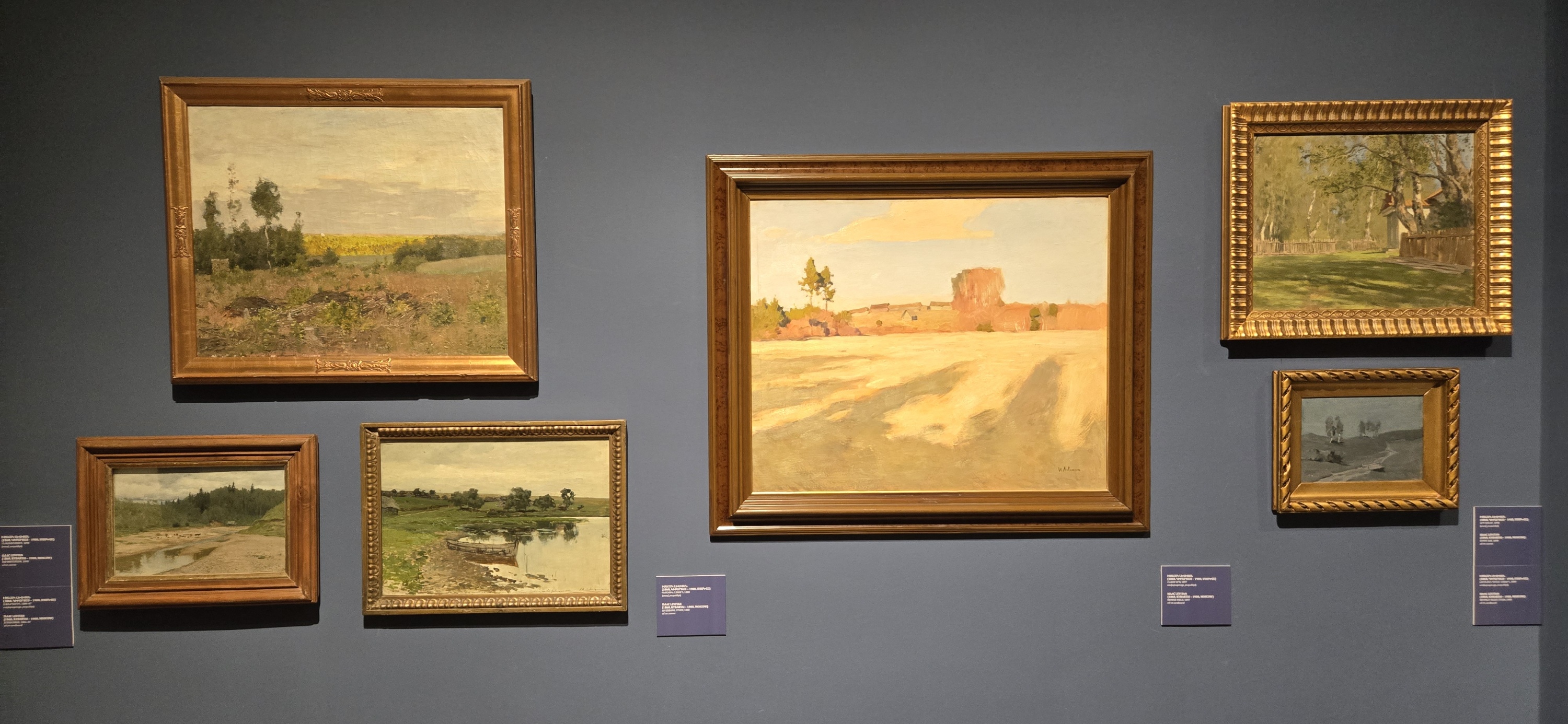
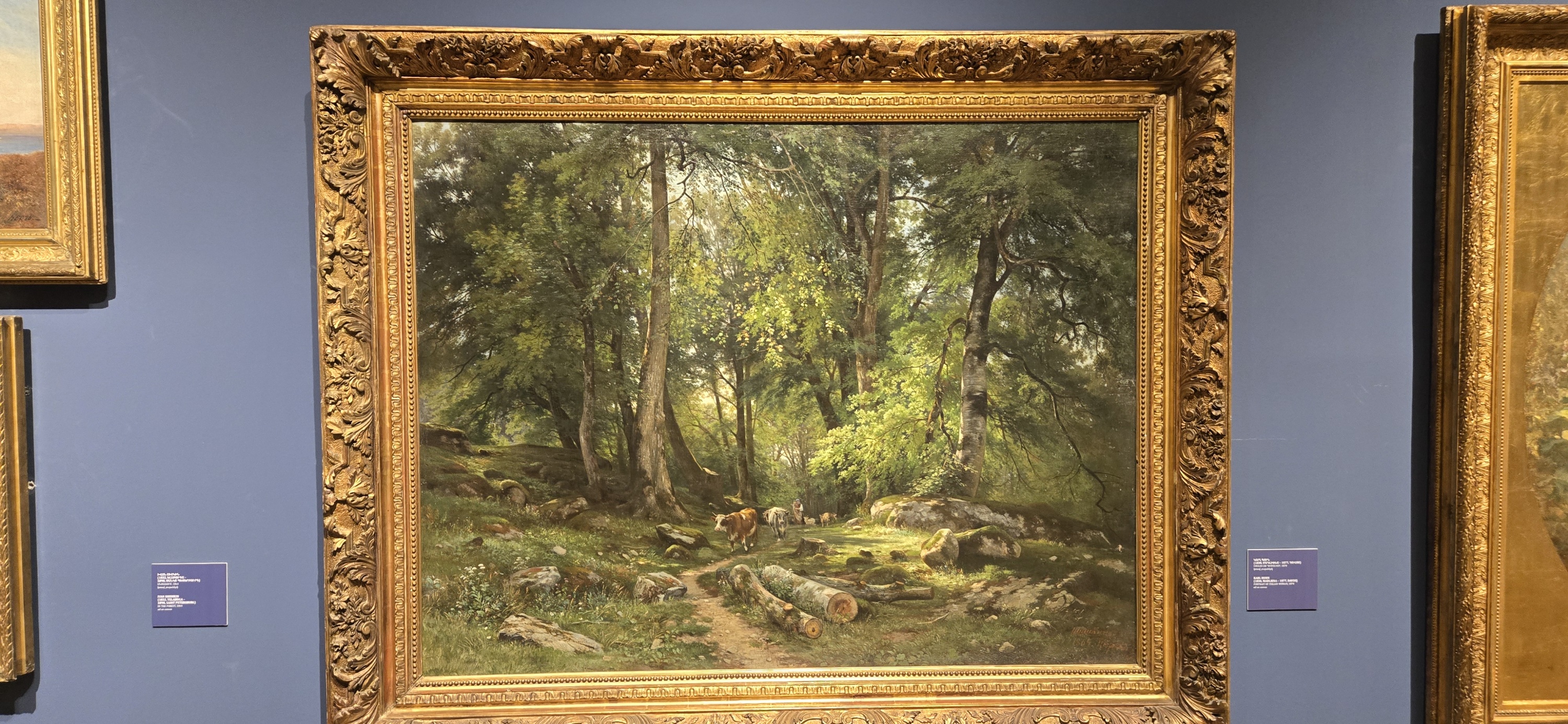
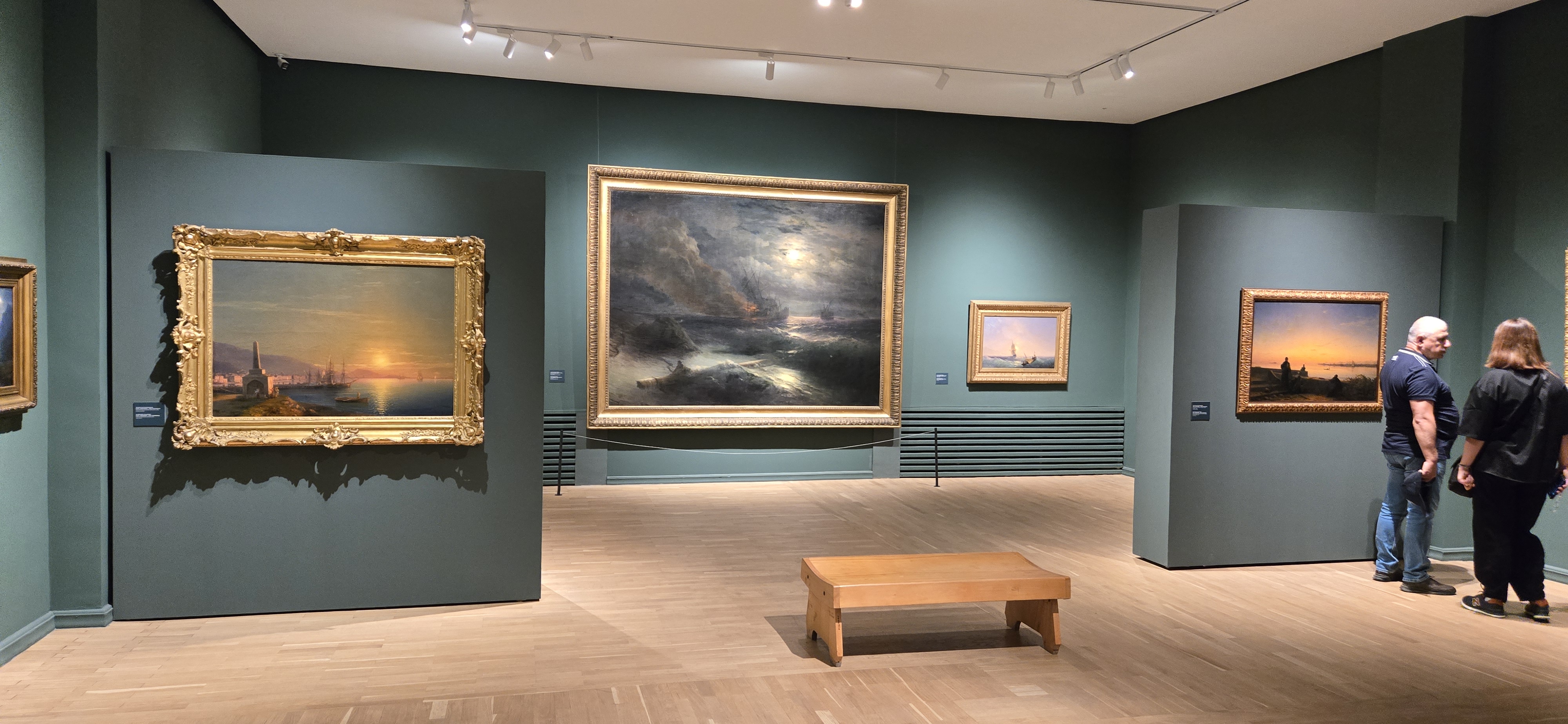
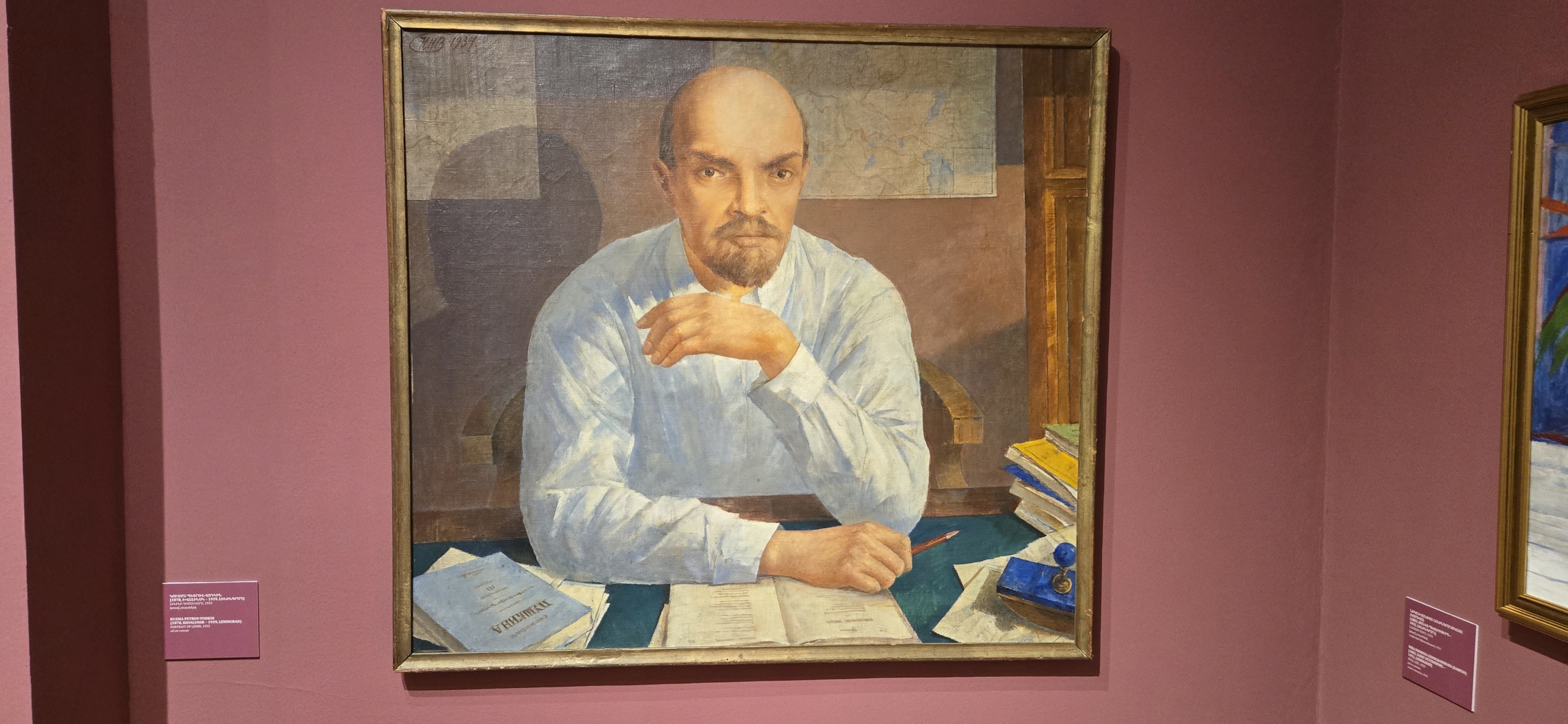
The most poignant feeling of home hit me at the National Gallery of Armenia.  We elected to not visit the history museum and thus missed seeing The World’s Oldest Shoe[2], but I never miss an art museum.  Strongly advised by the ticket sellers to start at the top floor and work our way down, we first encountered all the usual suspects of the Western European school, the Italians with an obligatory St. Sebastian and numerous scenes of Venice, the Dutch landscapes, at least one Rubens, some French works, etc.  And then there was a whole floor of Russian art!  I should have expected this, from all the years that Armenia was a part of the Empire and the Union, but American tour books did not warn me.  The painters I know from childhood, pretty much everyone is represented, each artist’s style unmistakable, from Italianate 18th century works to the later distinct Russian style all the way up to Soviet realism.  There is even a painting by someone I have never heard of, but who shares my not uncommon maiden name—a pleasant surprise!  I also learned that Russia’s greatest marine painter, Ivan Aivazovsky, was in fact an Armenian, Hovhannes Aivazian.  Again, back when we were all one country…
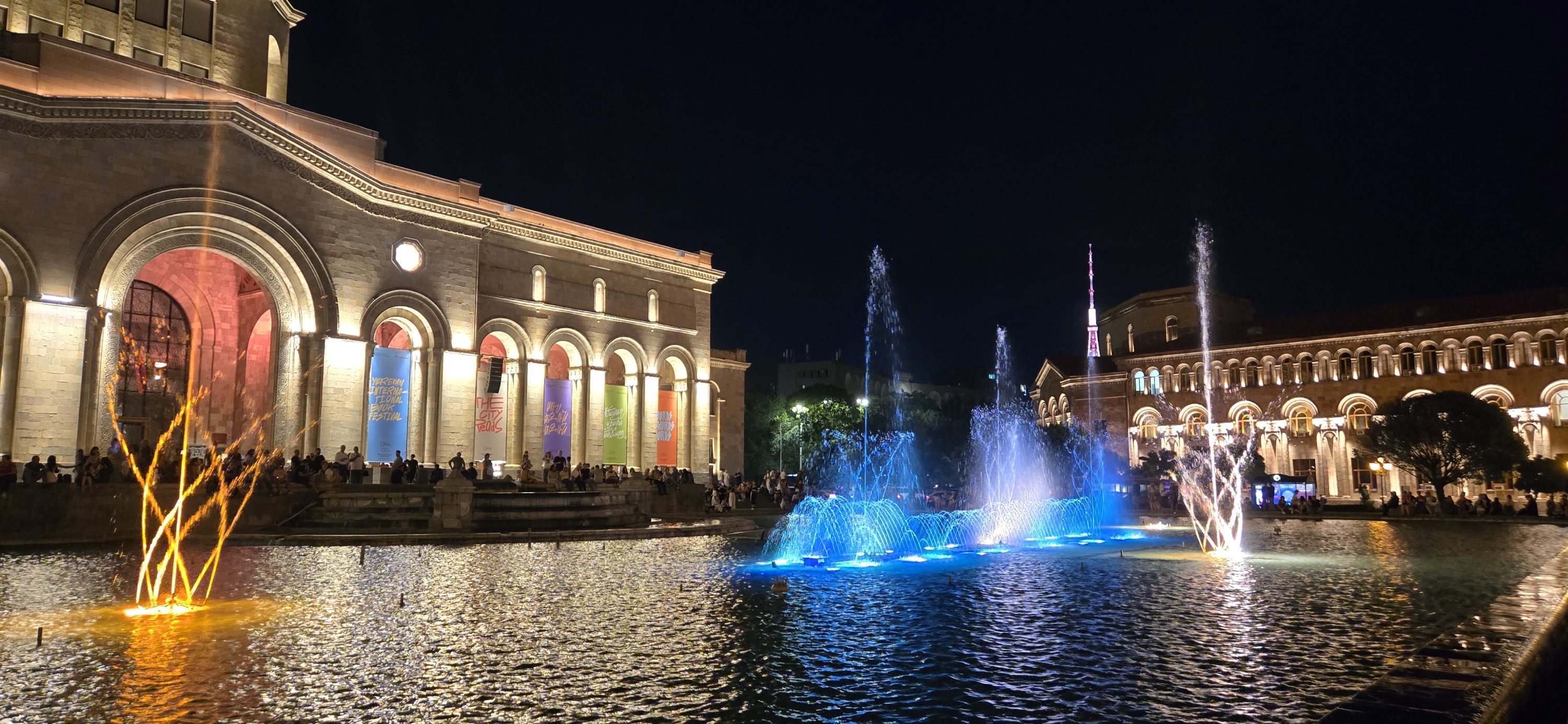
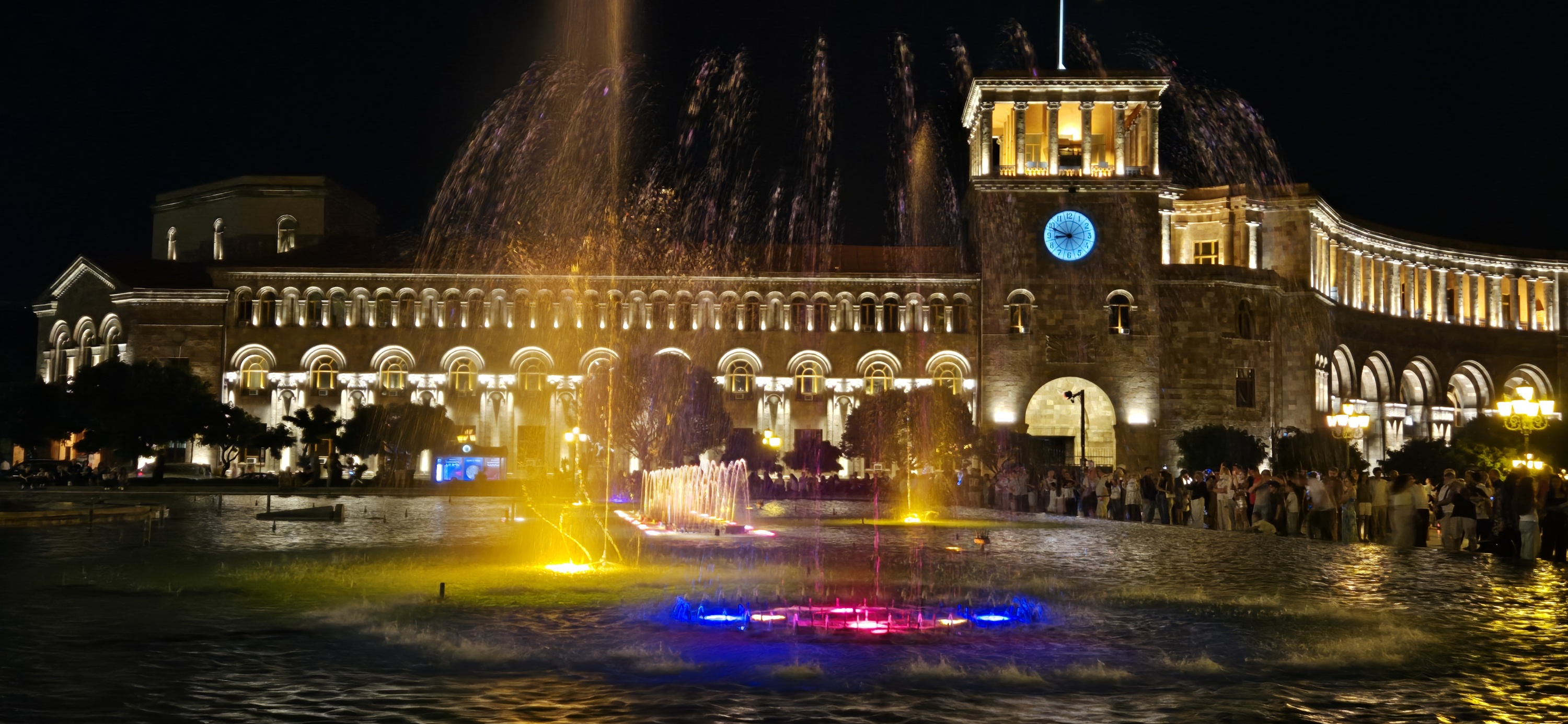
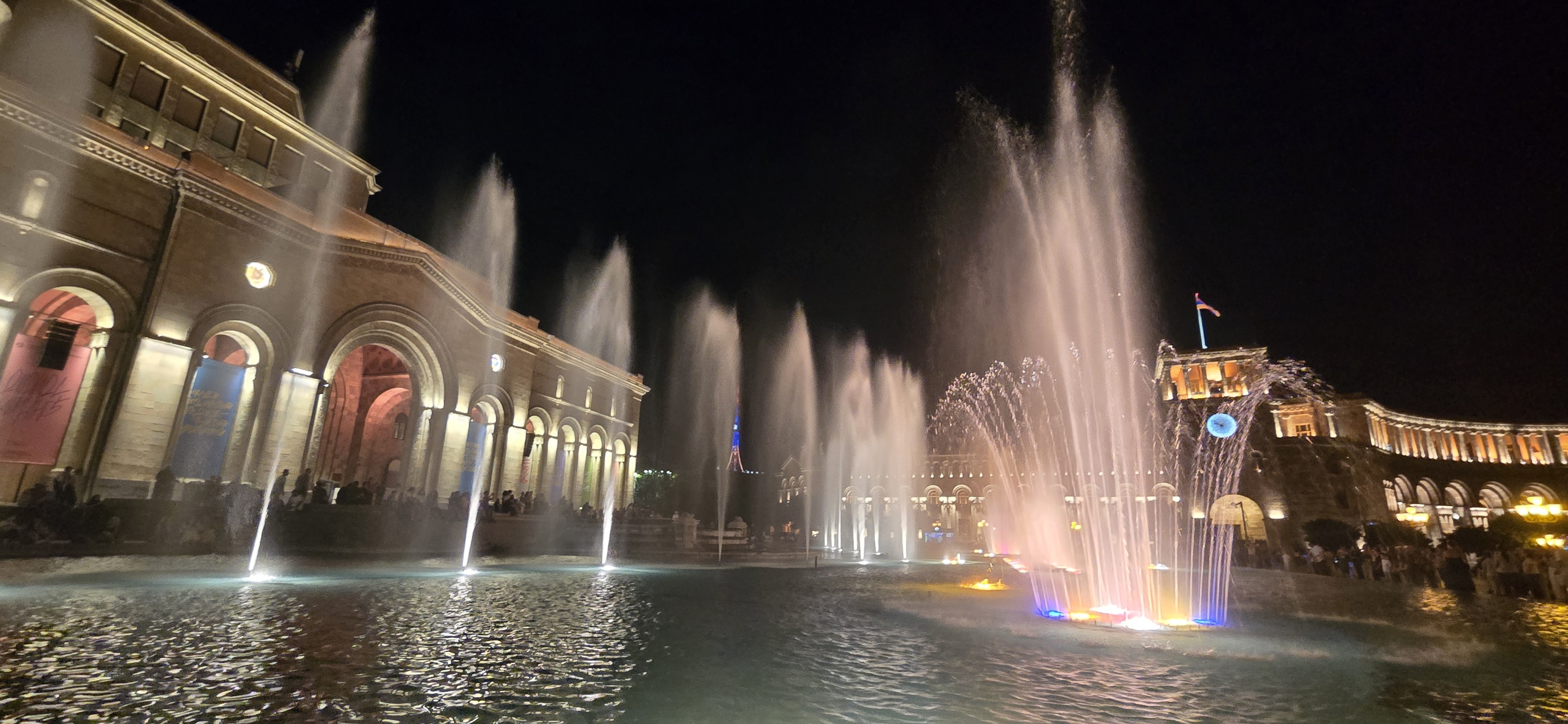
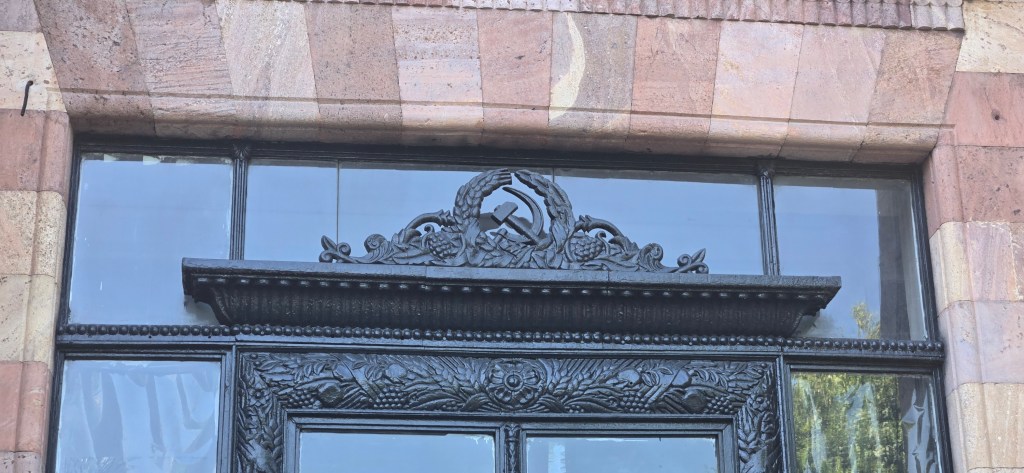
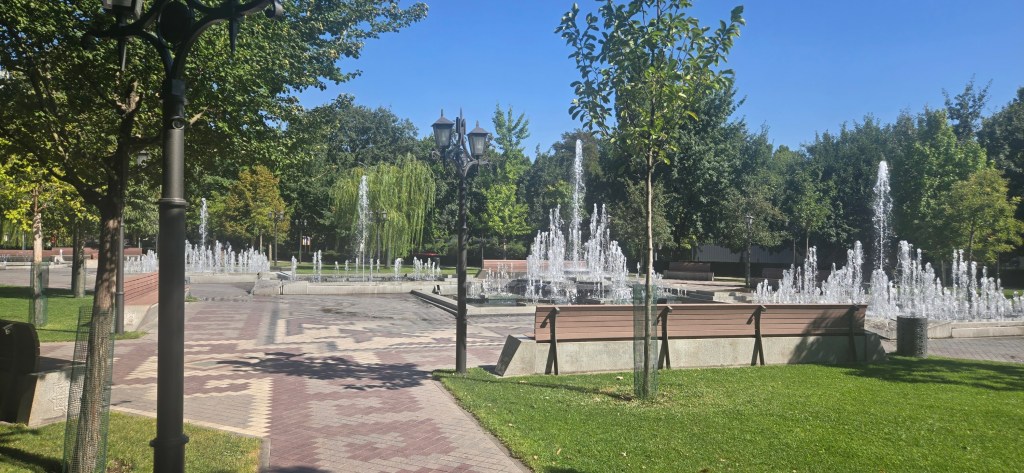
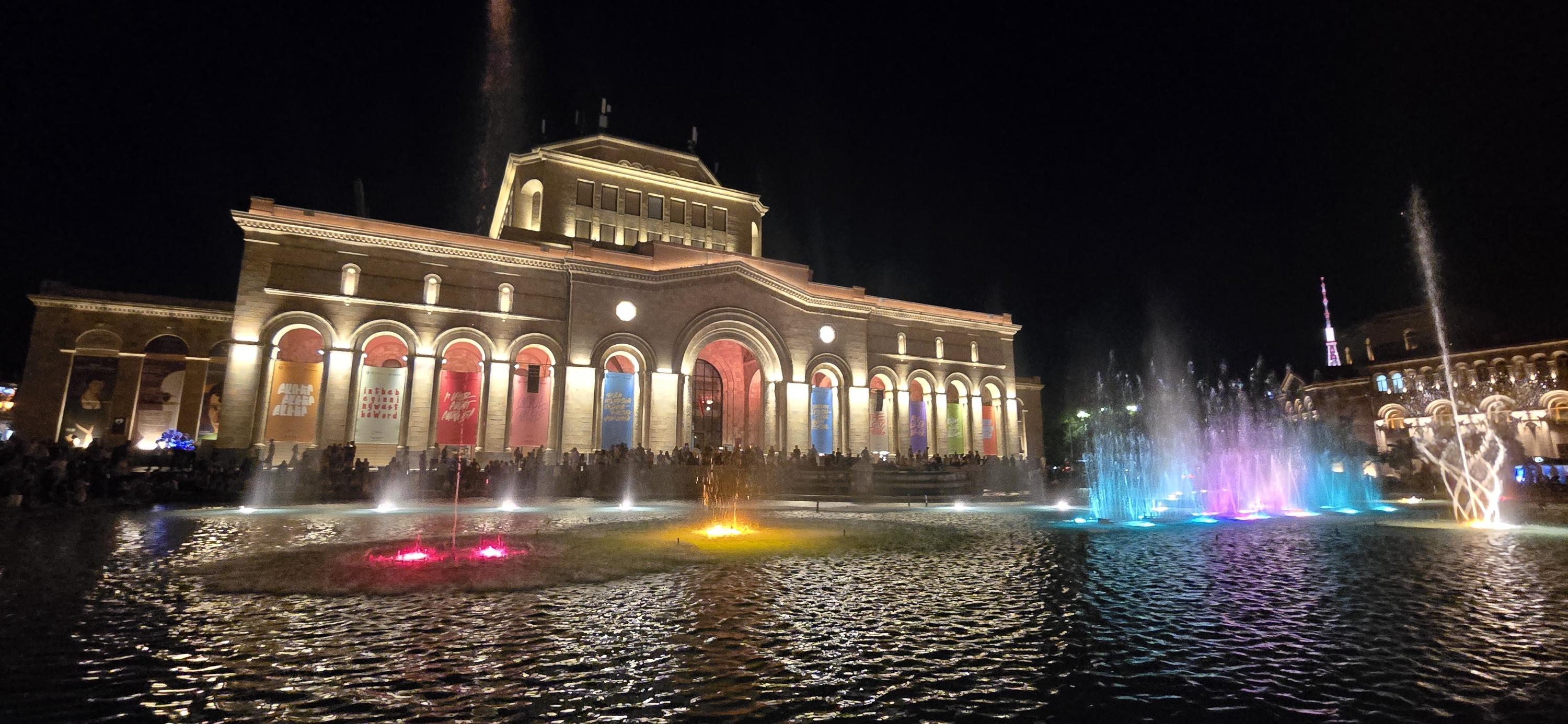
In the evenings, right in front of the National Gallery in the Republic Square (formerly Lenin Square; I am glad the giant Lenin is no longer towering over it) colorful fountains perform an elaborate show that not only rivals but exceeds that of Bellagio.  I am not just saying this, because I do love Vegas—but Vegas is a spectacle.  Yerevan is a real city, with people going about their daily lives, and yet in the evening, as you are passing by, maybe on your way home from work or after dinner or running errands, right in front of the art museum, there is a Vegas-style show—which, by the way, was created some decades before Bellagio ever existed (back when we were all one country)! 
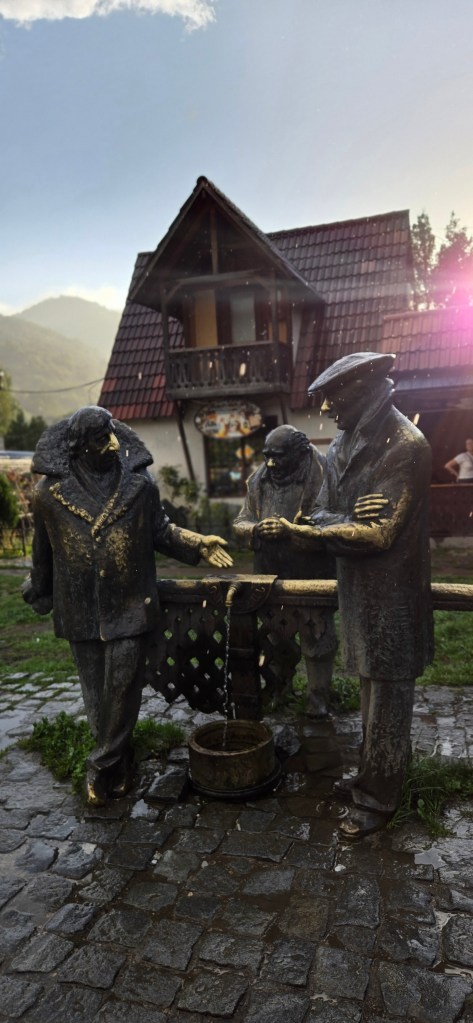
I also found three monuments to Soviet-era films, and that is without even looking too hard.  One of our tour buses actually stopped to let us photograph the heroes of “Mimino”, a lyrical comedy about a friendship between an Armenian and Georgian who accidentally met in Moscow.  For my generation, it is a cult film that is endlessly quoted, and I remember when it had its theater run.  I cannot imagine that this movie can be translated, because the battle of the accents of the main characters is a huge part of the humor.  The non-former Soviets in our group dutifully hopped out and took pictures, but they had no idea–while I was transported to my childhood.

When you’ve lost your home, you never recover—you just develop better coping skills, as with any profound loss.  And even when you are no longer searching for it, when you have given up, given out, given in, occasionally something happens, a glimpse, a sound, a taste, and there you are—not quite home, but home-adjacent.  Merci, Armenia!


[1] That would be English.  It truly has become the lingua franca, and I am happy to have learned it in my lifetime.  Who knew?

[2] And not even, because there were pictures of it literally all over the country.
Tartuffe, Impostor, Hypocrite

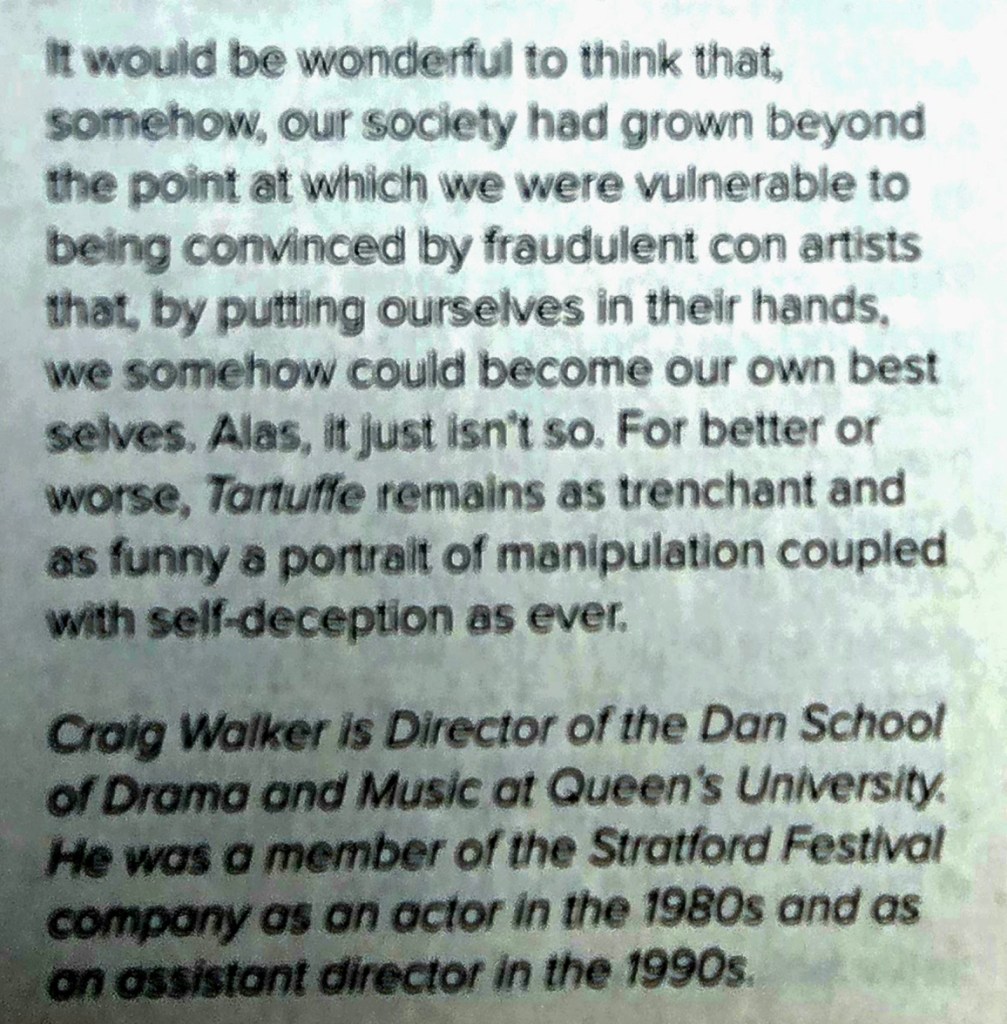
To mention, let alone stage, “Tartuffe” (or “The Impostor”, or “The Hypocrite”) in these turbulent times is almost too obvious.  There is nothing I can say about this brilliant enduring satire that scholars of history and literature have not already said with significantly greater insight.  I will just leave this quote here from the program from the best production of this play that I saw in Stratford in the summer of 2017 (and we thought times were turbulent THEN…):

“Tartuffe” was the first adult play I ever saw live.  It was also the only adult play I saw as a child in the Soviet Union, in our externally beautiful, internally uninspired, historic Volkov Theater [https://oldladywriting.com/2020/07/26/all-my-world-is-a-stage/].  Credit goes only and eternally to Molière (and to the translator, whoever he was[1]) that this experience did not sour me on either live theater or French literature.  That my enduring love of both has shaped my life is something that could not have been anticipated from that first chaotic encounter.

“Tartuffe” came to town when I was maybe 11, and my mother decided that this will make a fine mother/daughter afternoon of culture.  We had fewer such opportunities than one would expect, for reasons that are many, varied, and complicated, ranging from familial to societal.  Everything that pertained to cultural development in my childhood, every museum visit, every book about art, came from my mother.  I cannot bear to think what my early childhood would have been had we spent less time together, but I used to often wonder what it would have been like if we had spent more.  And this is most certainly a story for another time. 

In order to prepare for this momentous event, she decided that we will read the play aloud together.  It was a great idea.  I still remember the first lines spoken by Mme Pernelle to her maid Flipote and Elmire’s response, that opening scene that sets the stage long before the titular character makes his entrance .  To me, they are like the iconic opening bars of a musical.  We took turns reading it aloud, sitting on the stools in my mother’s kitchen.  It was pure joy: the relatable characters with fun names, the dialogue alternately wacky and clever, the ultimate victory of sane minds and loving hearts over liars and cheats.  After “Tartuffe”, I read the rest of the plays in the Molière “greatest hits” collection, and liked them all, but none had a lead character as deplorable and deserving of retribution as this one[2].  It aged extremely well, from the day it was written to the day I read it a little over three centuries later to our tense present. My oh my, plus ça change…

And then came the actual day.  I do not remember the time of year (but choose to set it on a beautiful springtime day) or what I wore (a good sign; I hold enough grudges from my childhood for not being able to choose what to wear on a special occasion).  I remember arriving and heading straight to the theater buffet for a glass of sparkling lemonade and a “basket” pastry.  (For how much I keep mentioning this pastry, I should just make it already—there are recipes online.  Of course, I fear it will not be as amazing as I remember it from childhood.  Nothing ever is.)  My mother cannot be credited with coining the phrase “eat dessert first”, but can definitely be trusted to always do it.  It was a matinee, the buffet was not crowded, and we enjoyed our pre-show treats before proceeding without undue hurry to our seats.  At which point we discovered that we arrived an hour late and missed the entire first act, Mme Pernelle’s opening speech that I memorized being the first, but by far not the only, casualty.

To be honest, I do not recall feeling particular distress at that moment.  I was happy to have enjoyed a pastry, and I did not expect much from the spectacle, for I have been to the Volkov before on school field trips.  Its reputation at the time was consistent with everything else in our stagnant provincial town.  We sat way in the back of the orchestra, under the balcony, a terrible spot in any theater.  Either the acoustics or the actors themselves were lacking, but we had trouble making out what was going on; the words were completely unintelligible (and this was back in the days when my young hearing was very keen, so if I could have heard anything, I would have).  And thus the second act passed in a haze of confusion.

After the second intermission (first for us), my mother, determined to see and/or hear the rest of the play, searched for better seats.  Fortified with more treats from the buffet, I was game.  We spotted an empty opera box and moved in, feeling pretty pleased with ourselves.  We actually started to enjoy the final act when the door behind us opened and two guys in their 20s rolled in, looking and smelling like they partook of something stronger than sparkling lemonade at the buffet.  Checking their tickets with some incredulity, they asked if these were in fact their seats.  My mother barked that the seats were ours, and they meekly retreated, presumably back to the buffet.  We felt triumphant.  It might not seem like much, but it was a perfect coda to a memorable and fun afternoon to which the play was merely an atmospheric backdrop.

I do not expect that I will live to see “Tartuffe” again performed in the language in which I first read and loved it, but I would like to someday experience it in the language in which it was written, the original words I studied in college, in the House That Molière Built, where it is allegedly the most produced play (where so far I only keep running into “Cyrano de Bergerac”). 

P.S.  About translations:  I am of the opinion that French and English are not entirely compatible when it comes to literature.  Established translations, to my ear, do not convey the lightness of the original—yet some modern translations are too colloquial to retain that time and place that is unmistakably Molière.  I have seen some adaptions of his plays that were competent, yet unrecognizable, although for “Tartuffe”, I prefer the crisp, sparkling translation by Ranjit Bolt to Richard Wilbur’s staid and stolid one.  This was the translation used in the 2017 production mentioned above.


[1] In this particular case, it was someone by the name of M. Donskoy.  I give credit where credit is due.

[2] What were the other plays in this collection, you ask? About what you would expect:  “Don Juan”, “L’avare”, “Le Bourgeois gentilhomme”, “Les Fourberies de Scapin”, and “Le Malade imaginaire”.  I saw a televised Moscow theater production of  “Le Bourgeois gentilhomme” as a child, and never forgot the hilarious part where M. Jourdain discovers that he has been speaking in prose his entire life.  Coincidentally, this play remains one of the few on my theater bucket list—I have not seen it live to this day.

Those Two Guys in a Painting in The Hague

I spent a summer in the Netherlands when I was in high school, and still feel that I know it better than anything.  Those youthful impressions are just so much sharper than later ones, when everything sort of starts blending together.  Besides, I kept a diary.  It was the age before digital cameras, let alone camera phones, and a thousand words were cheaper and easier than a picture to be developed.  What led me to the Netherlands in the first place is a longer story that stretches all the way back to my childhood, so will wait to be told another time, but today I am reminiscing about my first independent (meaning, unaccompanied by adults or even Dutch siblings) trip of that summer.  It was to The Hague.  Being the seat of government, home of the Queen *and* the International Court of Justice, as well as the other major museum in the country, it was the natural choice.

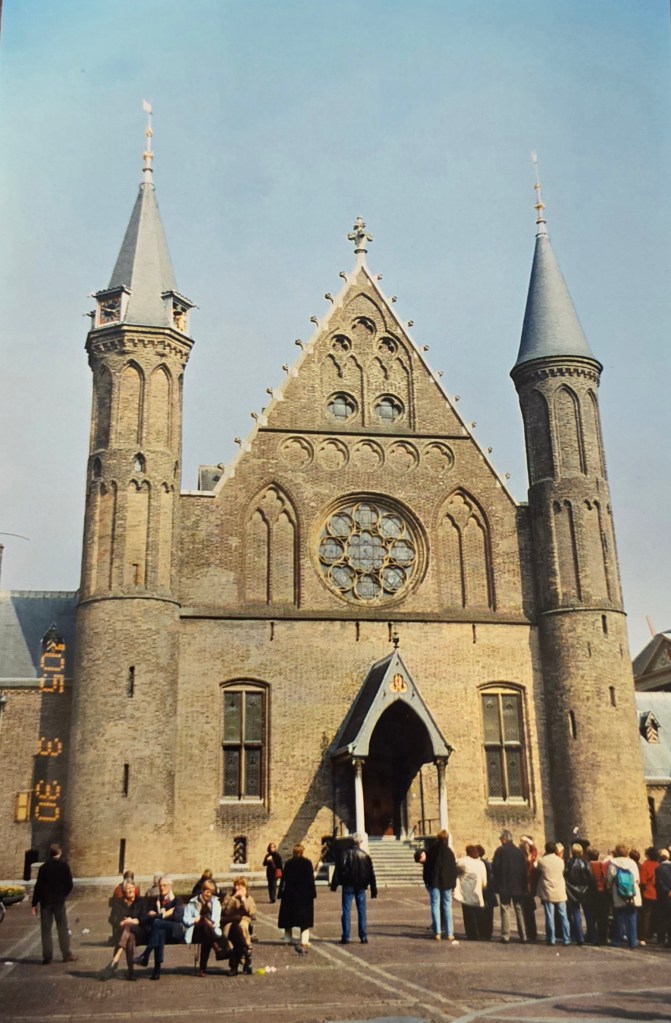
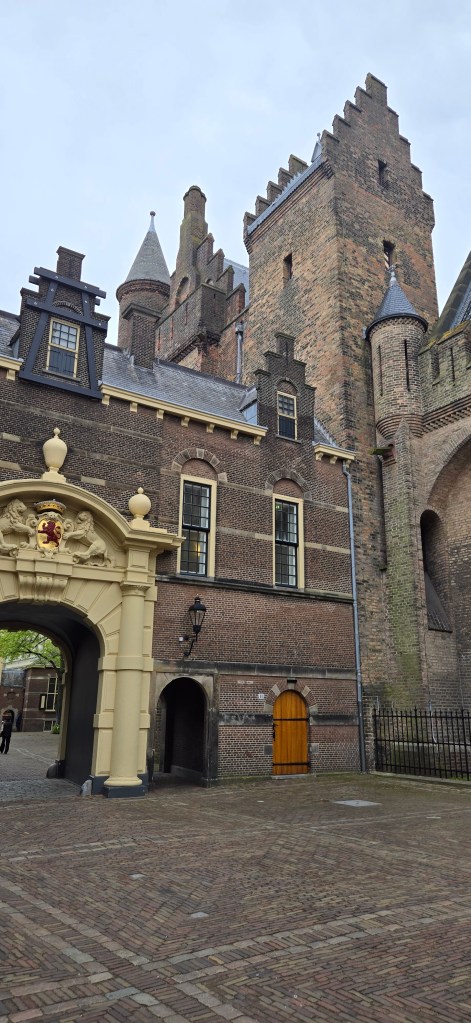
I set my alarm for 5 a.m., and once it buzzed, immediately turned it off and slept for three more hours.  By quarter after 8, I was on the bus, and by a minute to 9 on the train heading to The Hague.  I noted in my diary that a roundtrip train ticket from Amersfoort cost 27.80 guilders, which would have been around $9 at the time[1].  In a state of light but persistent confusion, changing trains in Rotterdam, I finally arrived, purchased a map sorely lacking in detail, and after several false starts made my way to Binnenhof and its Ridderzaal, home of the Dutch Parliament and the royal throne.  I could have sworn that I went on a tour, but the diary (present recollection refreshed) denies it and confirms only that I saw an exhibit about the queen (Beatrix at the time) and the Dutch government. (I returned to The Hague a couple of weeks later, just for this, and a good thing, too—I have never seen it since).

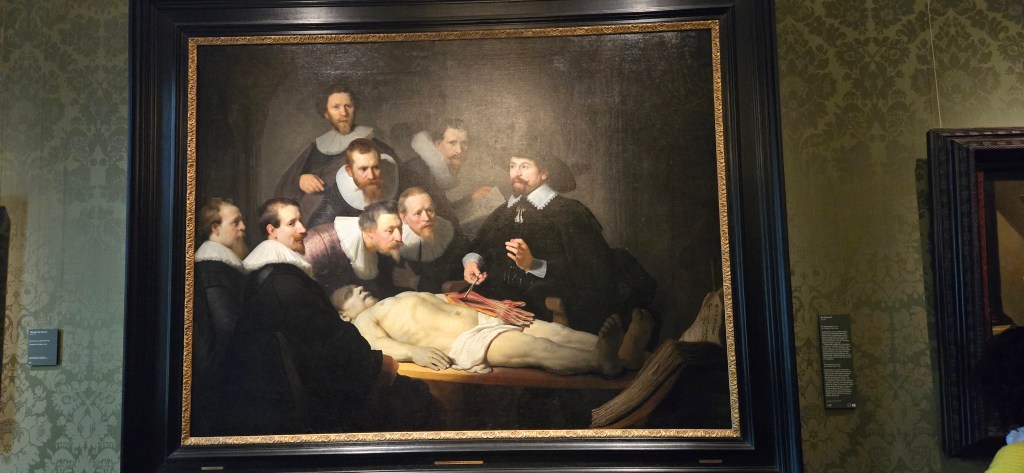
I definitely did go to Mauritshuis, which was under restoration, and most of the paintings were displayed in the house of Johan de Witt.  This may or may not explain why I have no recollection of seeing “The Goldfinch” and “The Girl with the Pearl Earring” at that time (books were not written about either one yet), but I was very impressed by Rembrandt’s “The Anatomy Lesson”.  All these guys are hanging on Dr. Tulp’s every word, but then there are two—one a little dazed, probably by the presence of the cadaver, and one who is staring right at the audience, clearly thinking, what the heck am I doing here, at this boring lecture with this gross corpse?  Way to break the fourth wall, Rembrandt[2]!

You see what I mean?

After some more chaos caused by my crap map, I found Panorama Mesdag, the very cool painting of 19th century Scheveningen in the round (the diary says “last century”, but now the diary itself is from the last century, making the panorama from the “century before last”).  And then I made my way to the Peace Palace.  I do remember waiting a bit for an English language excursion, eating ice cream on the grass.  It was a great tour, very informative, and the malachite vases that were the gift of the Russian czar made a particular impression on me.  I even got to sit on the lawyers bench, dreaming of someday.  That particular day never came, but I did have a professor who litigated at the International Court of Justice, so there is that, less than six degrees of separation.

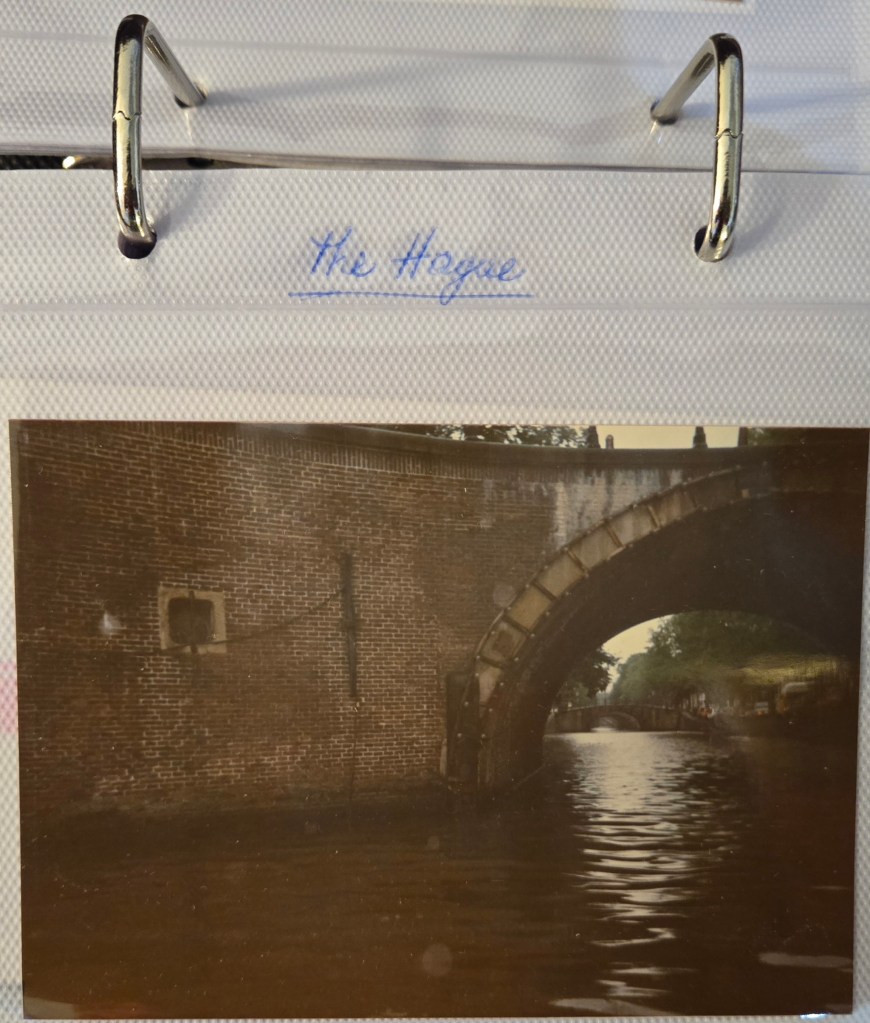
The only photo from my first trip.
What even IS this?!

As the final sight of The Hague, I was determined to see the Queen’s palace, Huis ten Bosch.  It was quite a trek, and a waste of time, because it is literally surrounded by woods.  I walked by the gate several times before I gathered the courage to ask the guard if the Queen lives here. He said yes, but she is currently on vacation.  It was enough of a thrill for me.  I do have to add that my only brush, if we may even call it that, with royalty was when spouse and I glimpsed Juan Carlos I in his limo (or something) pulling out of the royal palace in Madrid as we were coming out of the garden.  We do not talk about that exciting moment when we complain about The First Spanish Trip. https://oldladywriting.com/2020/11/02/the-first-spanish-trip/ But I digress.

The second visit to The Hague[3] was 20 years later, and almost 20 years ago, so there is a slight pattern here.  We went to the Mauritshuis, now fully restored, and infinitely more crowded.  I still missed “The Goldfinch”, for again, the book was not yet written.  We then stumbled onto It Rains Fishes, a restaurant I read about in a guidebook, but did not seek out because I have learned to mistrust guidebooks.  And thus the day was lost, but also gained, because the lunchtime meal in this Indonesian/Malaysian restaurant remains one of my Top Three dining experiences to this day.  I was recently trying to remember the particulars of it, but all we could recall was the tiny green pea puree amuse bouche.  My notes say that spouse had steak and crème brulée, and that I had seafood curry and rum caramel shake.  We spent about $100, which was quite expensive for both the times and time of day, but the elegant décor, lovely music, and superb service made it worth it. 

This year, the Annual Girls Trip took my mother and me to the Netherlands.  We moved at a pace significantly slower than the frenetic speed of my teenage years, and mostly hung around Amsterdam, but could not miss paying homage to the Mauritshuis paintings that have been made more famous by books. 

I have a logical, if not infallible, sense of direction, and a rich collection of memories (as some of these writings demonstrate, I hope).  But The Hague looked entirely unfamiliar from the moment I exited the train station.  I do not mean that it changed, but somehow I could not summon any visions of the city from my previous visits.  My recollections of the gate to Huis ten Bosch and Peace Palace were not tested, Binnenhof was/is disappointingly closed for renovation, and It Rains Fishes closed down permanently.  There was no déjà vu until I saw the staircase within Mauritshuis—I recalled ascending it with spouse on our prior visit.  This time, I paid particular attention to “The Goldfinch”, and was relieved that he was fine after his ordeal[4].  And then I saw that panic-stricken guy desperately plotting his escape from Dr. Tulp’s gruesome anatomy lesson as he has done for almost 400 years, and all was well with the world. 

Ars longa, vita brevis.


[1] It is about three times more now, but I am not sure that it is not a fair increase for four decades.

[2] Fun fact: in the copy which is in Edinburgh and not attributed to Rembrandt, all the observers are staring at Dr. Tulp or the corpse—and this alone makes it inferior.  Don’t bother with it.

[3] Technically, the third, because I visited The Hague twice during that summer in high school.

[4] I know the theft of this painting is a fiction, but I have been mildly anxious about the fate of missing artworks for most of my life.  I am still not entirely convinced that the original portrait of Whistler’s mother does not hang in Mr. Bean’s bedroom, and give the Musée d’Orsay’s version a knowing wink every time I see it.