
When I started law school, we had this incoming yearbook with everyone’s photos, so that you could get to know your classmates—you were going to be with them for three years. We had to list our undergraduate institution and hometown. The first was easy because factual; the second, for me, became unexpectedly convoluted.
At that time, I was not even a decade out of the Old Country, but it was lost to me, irrelevant, and politically incorrect (oh, how the times have not changed!). I had no home with my mother and stepfather, last and least because they moved states a couple of times since my last sojourn with them. I was living year round, working, and attending university in Ann Arbor, Michigan, and so it became my hometown, by default and of the moment.
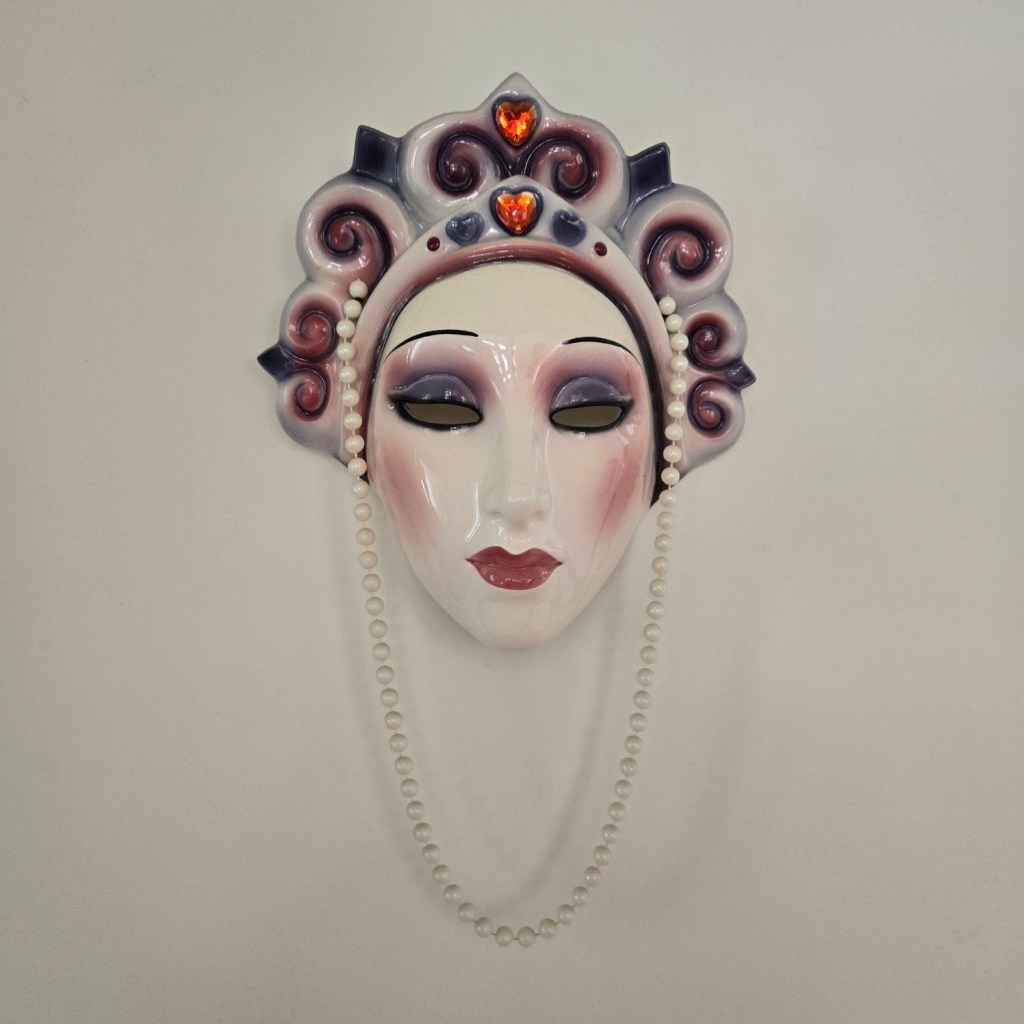
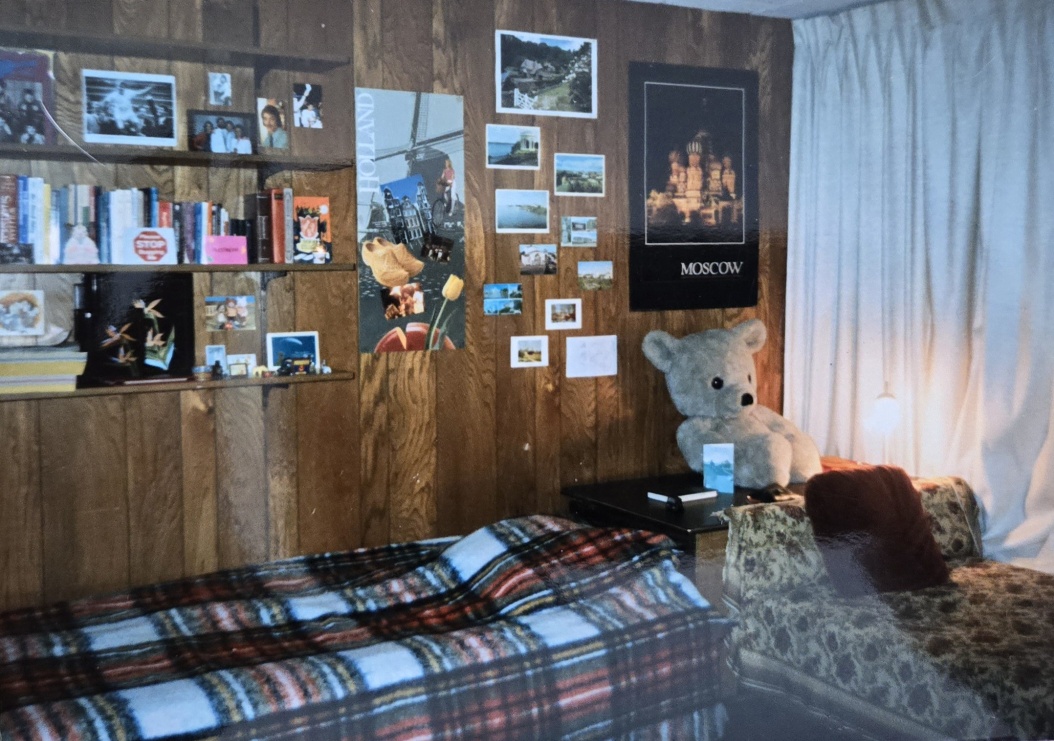
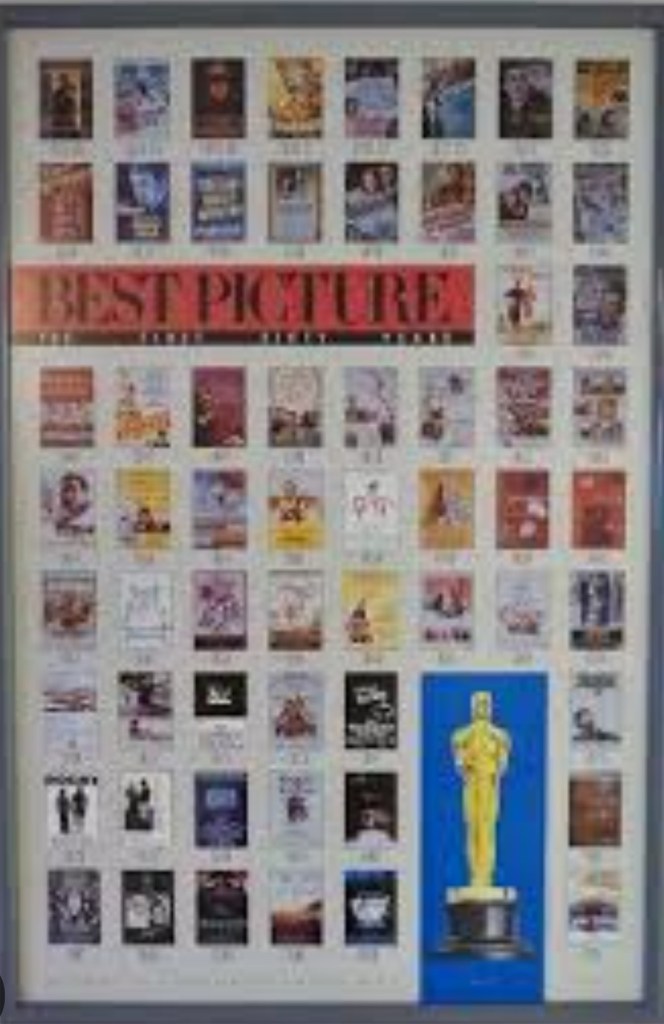
I lived in the same studio apartment for three years, which was the only place in this lifetime that was all mine, decorated by my teenage self with a combination of my favorite things, including a porcelain mask bought at Middle Earth from when I dreamed of an entire wall of masks (I still have it, the lone holdover; I never bought any others), and a collection of posters of my favorite people and places: best of the Netherlands sent to me by my beloved Dutch host family, the Marx Brothers and the Monkees, Oscar winning movies when there was still a finite number and I knew every one, Mardi Gras by Andrea Mistretta, a field of poppies that reminded me of a train ride from Moscow to Crimea, and an obligatory poster of Moscow (I am most assuredly not from Moscow, but that was the best that was available at Borders). The posters subsequently fell victims to a flood in the basement of my first house, but most of these are still some of my favorite things.


And speaking of Borders, I lived a block away from the original bookstore. This was the Borders before it was a chain, before it was international, before it sold music or had a café, and even before the flagship store moved into the space vacated by Jacobson’s (another sad loss; Jacobson’s was a great store). Being able to just walk in and browse, after work, between classes, on the weekends—ah, it was heaven! It was certainly a big part of what made Ann Arbor home. When I was in high school, coming to Ann Arbor with my mother was a double-edged sword: she would visit her friends, I was either bored or resentful, but Borders and the nearby movie theater on Fifth that showed foreign and art films that would never make it to our painfully provincial town of Jackson were always worth the trip[1].
Summers in Ann Arbor were magical yet awful. It was like being in one of those weird stories in which a person wakes up one day and the world is different: there are no adults, or half the population is gone, or the Beatles never existed. All right, maybe this last one is not strictly relevant. But basically, you just walked out on the street one day, and all the students were gone, save for the few of us year-round semi-townies. On the one hand, it was nice to just work and have the predictability of time off. I craved the stability, but I missed the difference of days and the extra activities that filled the school year. And, full time job was not twice as boring as a part time job, it was more boring cubed or quadrupled. It took up so very much time, leaving only the evenings of nothing to do or the weekends of trying to find things to do. There were no tasks to perform in my free time, but instead, the panic of not having those tasks. It was the waiting time. Which is how I sometimes still feel in my adult life.
Eventually, Ann Arbor became too small to contain me and my dreams. It really is a tiny town, with the downtown you can criss-cross in a quantity of minutes, not hours. Were it not for the diagonal part of the main campus (obviously nicknamed The Diag), you could look right through it. I was weary of walking the same half dozen streets. I needed a change of scenery, and so I went to the biggest city I could find.

I spent another summer in Ann Arbor after that, two years later. All but one of my friends were gone, and I was living out a Cat Stevens song lyric, “For you will still be here tomorrow, but your dreams may not” and an agonizing “you can’t go home again” adage. I was a wildly unhappy law student and summer associate in a big firm, terrified by the future not of my own dreaming unfolding in front of me. It was such a weird time, living in an old familiar place, but on different terms, as a quasi-adult in a college town. Living in New York, I yearned for Ann Arbor, yet the minute I arrived, the streets started closing in on me again.
And now, some more decades later, the changes make the town barely recognizable to me. Gone are all the stores I frequented—yes, literally every single one. Not one survives, not Borders, not Middle Earth, not Peaceable Kingdom, not Falling Water, not Schoolkids Records. Some restaurants remain, and there are better ones, including a handful of decent breweries, which would have been irrelevant to the underage me in any case. But the stores were special because of all the solitary browsing one could do, in a crowd yet apart. This is a feeling one can cultivate only in an urban environment, walking in, walking around, walking out, invisible.
Ann Arbor is a reminder, a symbol of the time when everything was possible. Before I started law school, I could have started anything else instead. The road was chosen, but not yet taken. I could have taken a gap year (no, I could not have, I had no resources for that, but it is nice to think that I might have had options). I could have kept working at an office job and used my after work hours to find myself and my path. I could have… well, that is about it. I never really had choices. But there was that one brief shining moment when I thought I did—and that was in Ann Arbor. And so, this town will always be for me a symbol of possibilities, and that is enough for it to have been called “home”.
[1] “Cinema Ann Arbor: How Campus Rebels Forged a Singular Film Culture” by Frank Uhle is a time-machine trip down memory lane to a time that I just barely glimpsed, but during which I consider myself incredibly fortunate to have lived.
[https://oldladywriting.com/2021/01/30/the-road-not-taken/]




 Old Lady Writing