
Time it was,
And what a time it was
It was . . .
A time of innocence
A time of confidences
Simon and Garfunkel, Bookends
I have been watching the Oscars since 1983. I know this because I did not see the 1982 ceremony, during which “Chariots of Fire” won Best Picture. We were too new to the US and its traditions. Once I grasped the meaning and excitement of this award ceremony, I never missed it to this day. My freshman year in college, I actually found someone in my dorm who let me borrow their TV set for the evening (This was way before one could watch videos on the phone. Come think of it, this was before cell phones—imagine that!) Another year, spouse and I were traveling, and asked my in-laws to tape the Oscars for me. That was the year of “Life is Beautiful” and Roberto Benigni leaping over tables. But I digress…
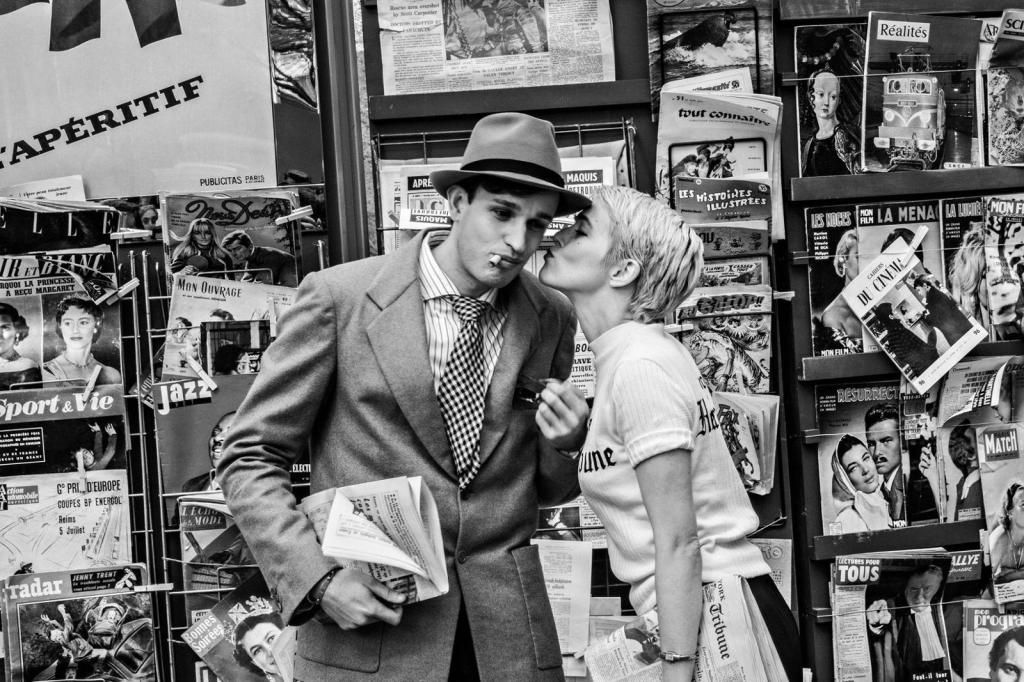
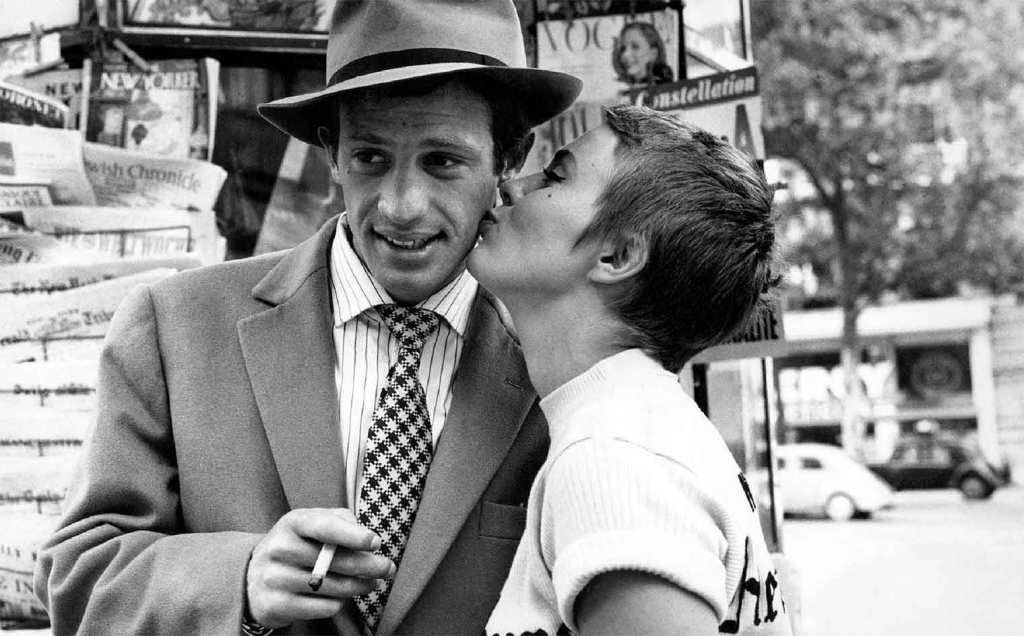
I used to be a film lover, but over the years, my life has subtly shifted from being a movie person to being a theater person. Over the past couple of decades, I have been heading into the awards season usually having seen only one of the nominees (and it does not matter if there are five as in the past or 25 as there are now), and then I catch the rest on the plane at some future point. Sometimes I happen to read about Oscar snubs and become convinced to see the ones that were not nominated. This is how I came across “Nouvelle Vague”. The name alone was enough. It is about the making of “À bout de souffle” (I don’t call it “Breathless”), as well as the exhilaration of the beginning of that era in French cinema, The New Wave.
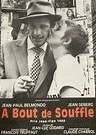
I have taken a couple of film classes. In French. French cinema classes. And one actually in France. So my formal knowledge of French cinema, while by no means impressive, is probably more substantial than my comprehension of many other art forms (although it ends before the beginning of the 1990s).
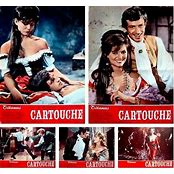
Nouvelle Vague itself is not my era. As it is basically late 1950s to late 1960s, it is before my time. I did not live it, but I did study it. And if I am being perfectly honest, I am not even its biggest, or even middling, fan. I prefer the gentle romanticism of its predecessors, and the romantic nostalgia of its followers. When I saw “À bout de souffle”, I did not really like or understand it. Besides “The 400 Blows”, I cannot name a single film of that period that I like (and don’t even get me started on “Weekend”—I am not sure I need to get to know Jean Luc Godard any better than I already do…) And to me, Jean-Paul Belmondo is “Cartouche”, the lead of a swashbuckler which could have been made by Christian-Jaque ten years prior, even though it wasn’t.
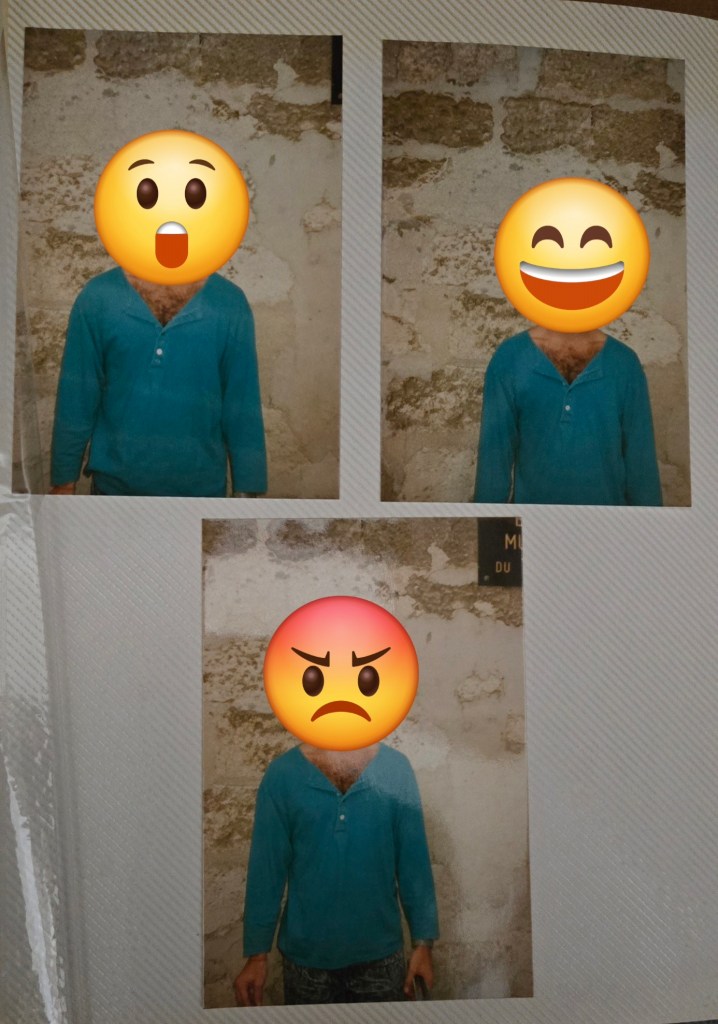
The first (and only) time I saw the original film, it was in a dark classroom on the Left Bank, during my semester abroad. My friend Scott and I decided to pick a catchy phrase or scene from each of the movies we saw. This was the second one. We learned the word “dégueulasse” (disgusting), which for me was probably the most significant linguistic discovery of that summer. There is also a scene where the main characters make faces: happy, angry, surprised. I was constantly asking Scott to do it, and it always made me laugh. When I saw the filming of it in “Nouvelle Vague”, it instantly transported me to that summer.
I really do not know what I would or could have thought or felt about “Nouvelle Vague” the movie without my own cultural references to its origins, with its Belmondo who is genial, affable, and charming in his own way, but not in the inimitable way of Belmondo himself, without my delighted recognition of the film’s veritable parade of the giants of French cinema. I simply cannot be objective about that. My lived experience might be why I cried after this movie ended. It brought back certain sensations, certain states of mind. It reminded me of that magical summer in Paris—well, obviously that. But it also reminded me of the magic of movies, how I used to love them, how thinking of some of them just drops me into the past. I am not entirely sure that seeing “À bout de souffle” itself would have made me feel more in touch with it, if that makes any sense.
This film was not nominated for the Oscar, which these days means less than nothing, as far as I am concerned. The one it’s about, which is considered one of the greatest films of all time, was not nominated, either.
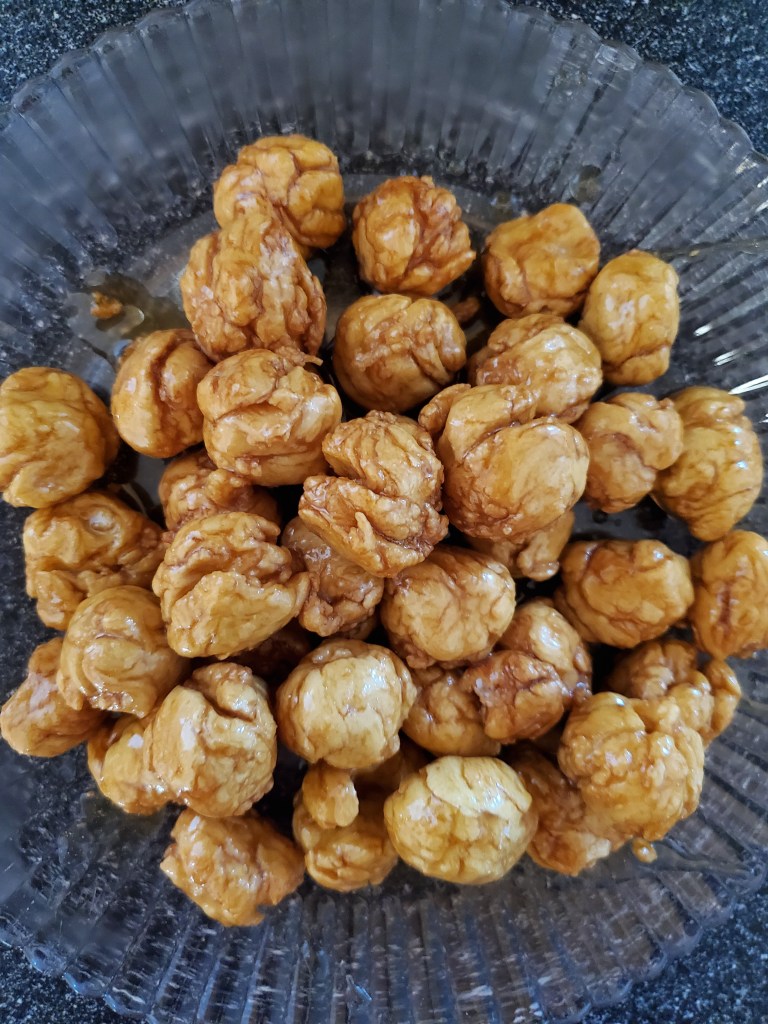








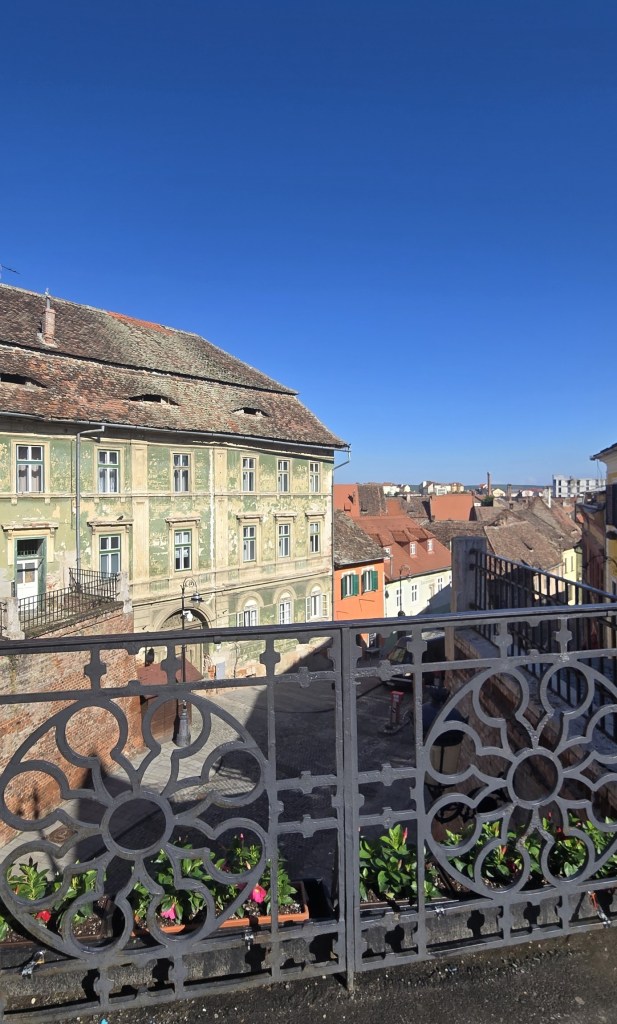

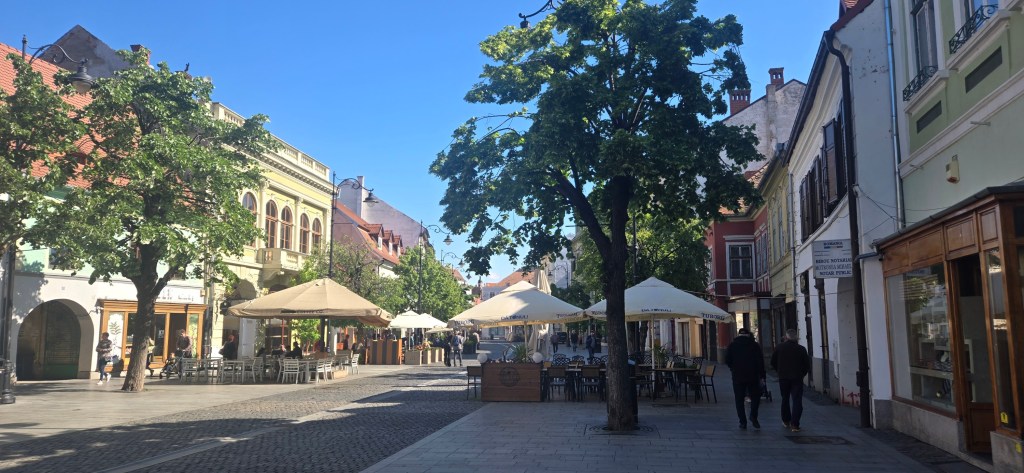

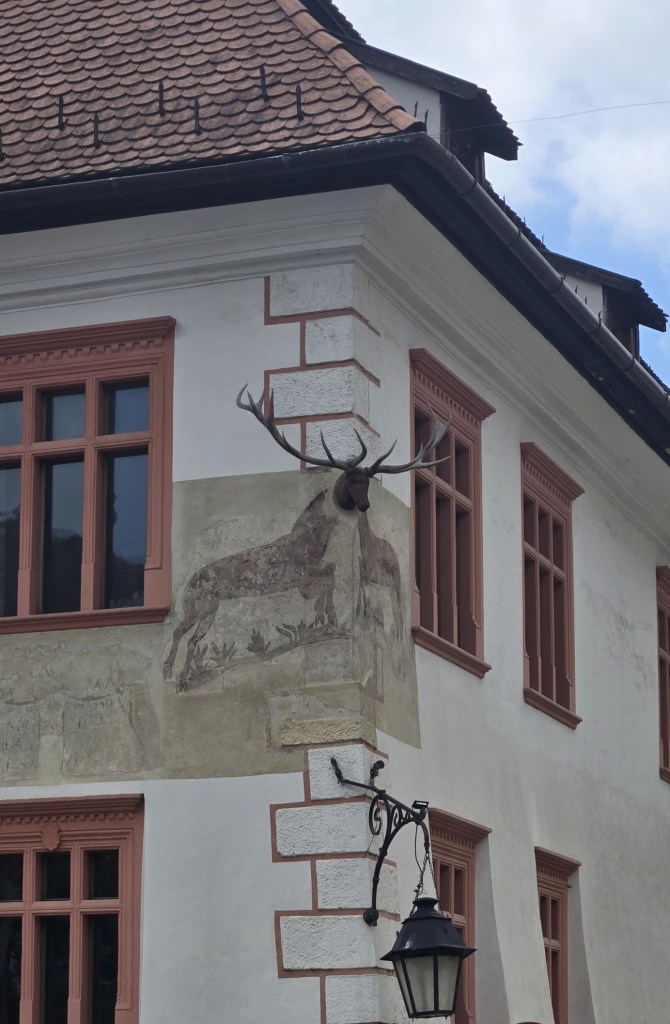
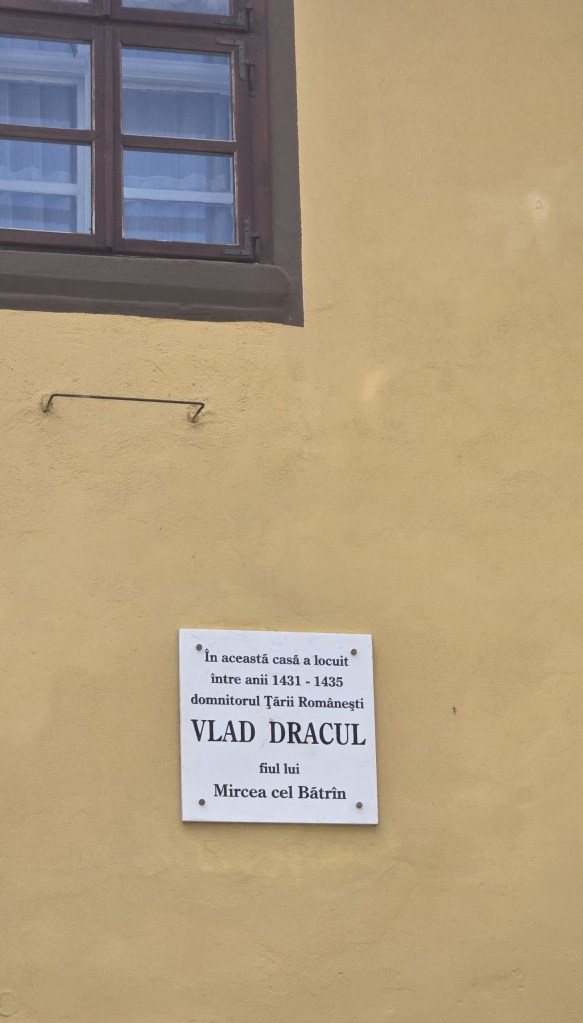




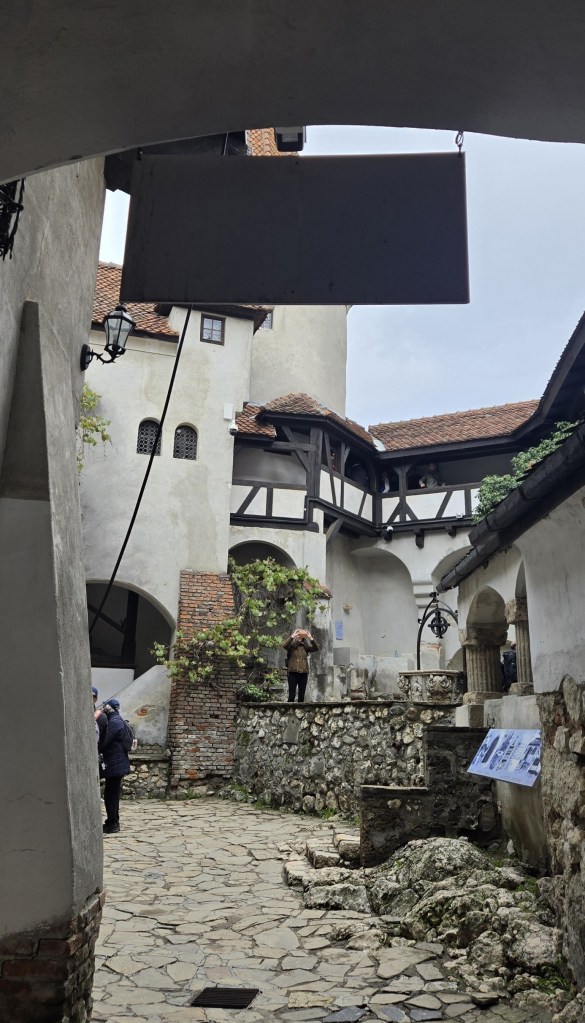


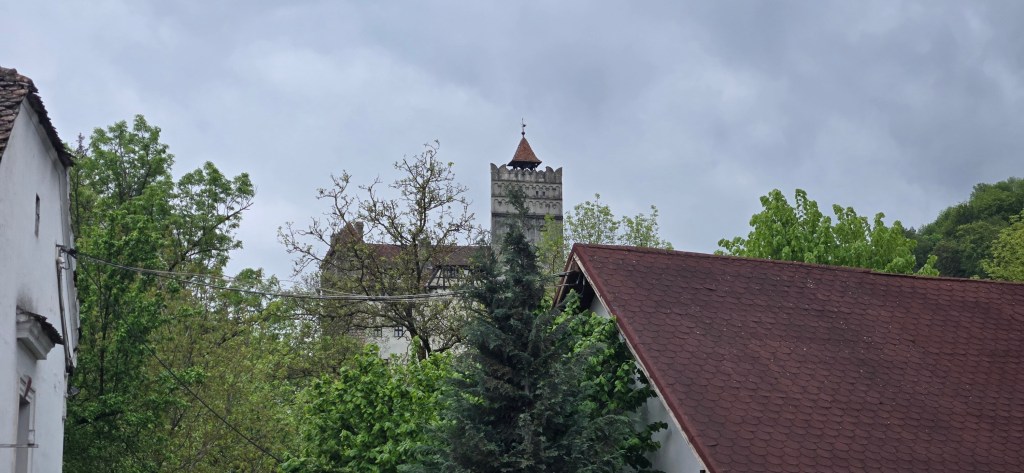

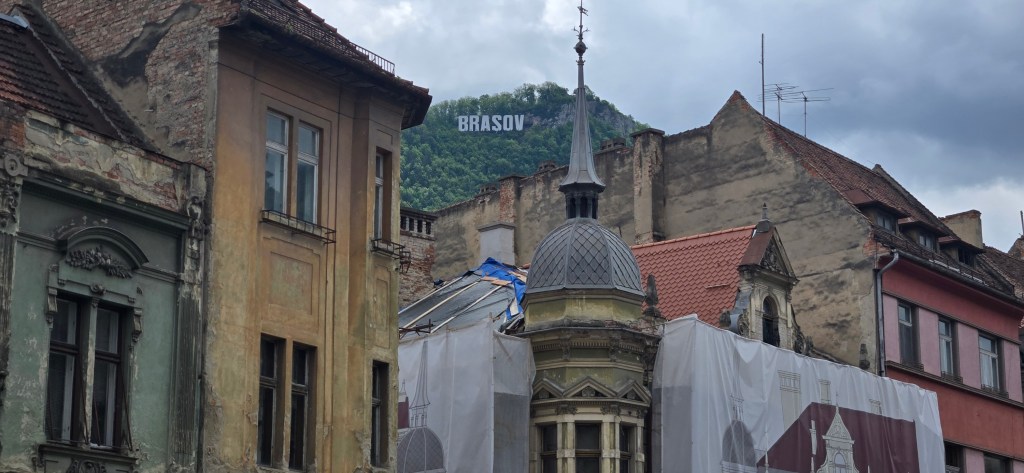


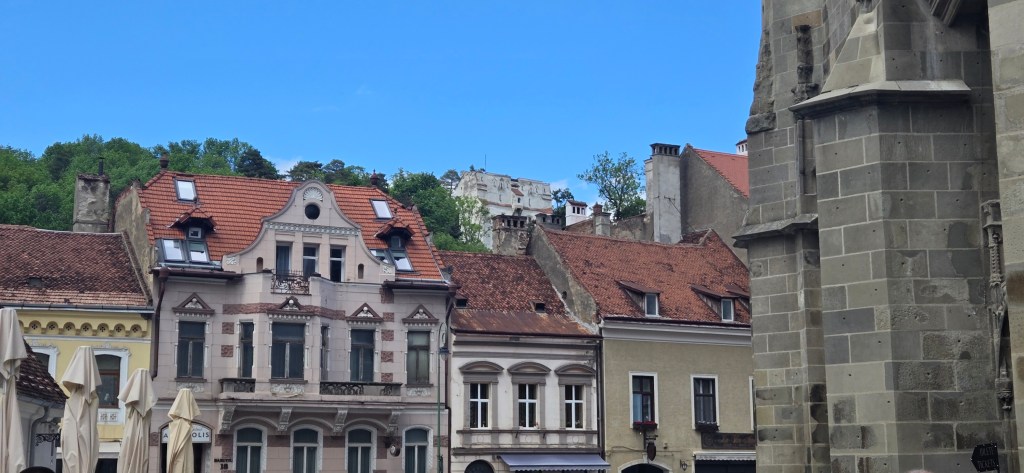























 (Judging by how hard it was to locate a picture of it, I would guess no…)


















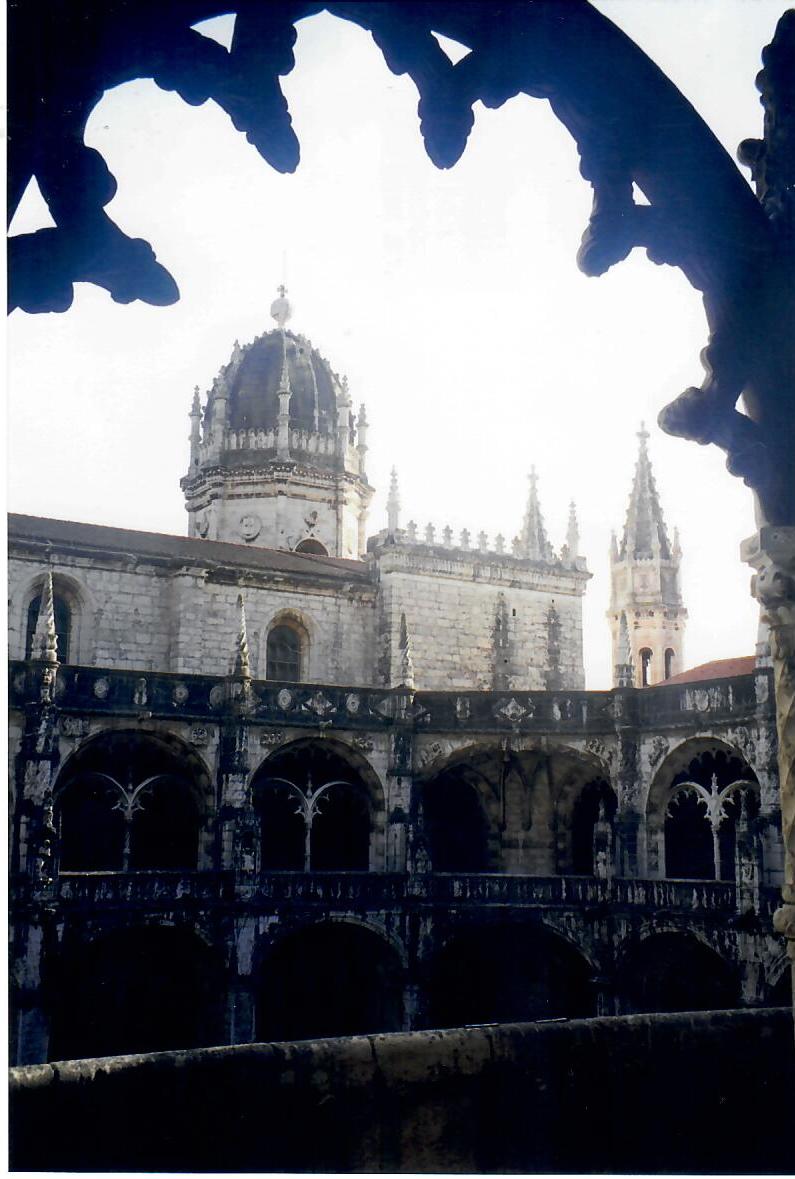


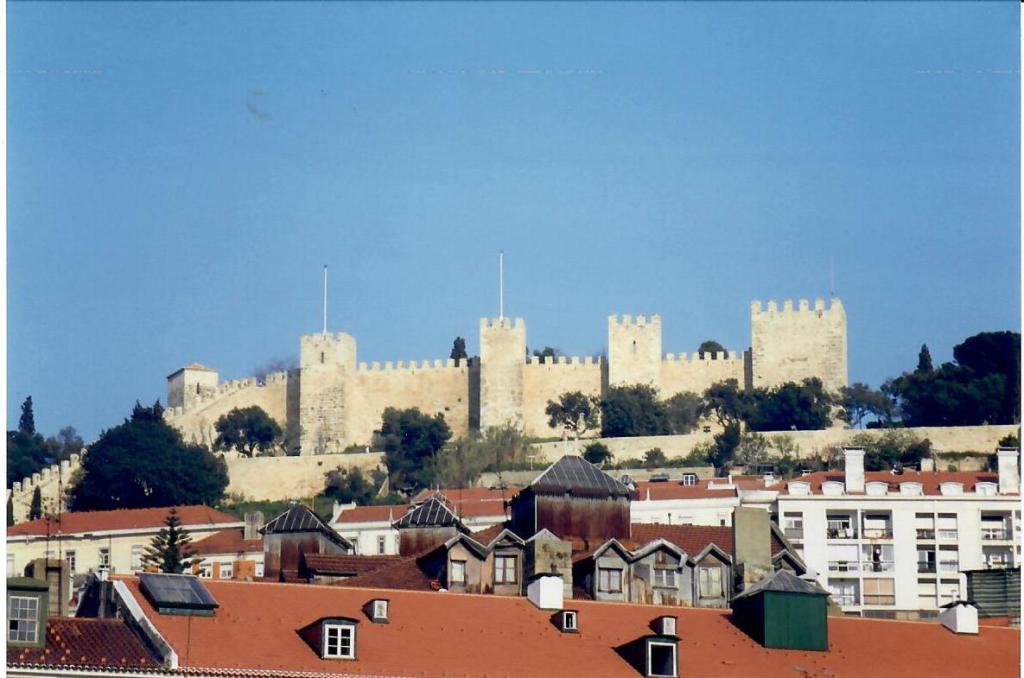
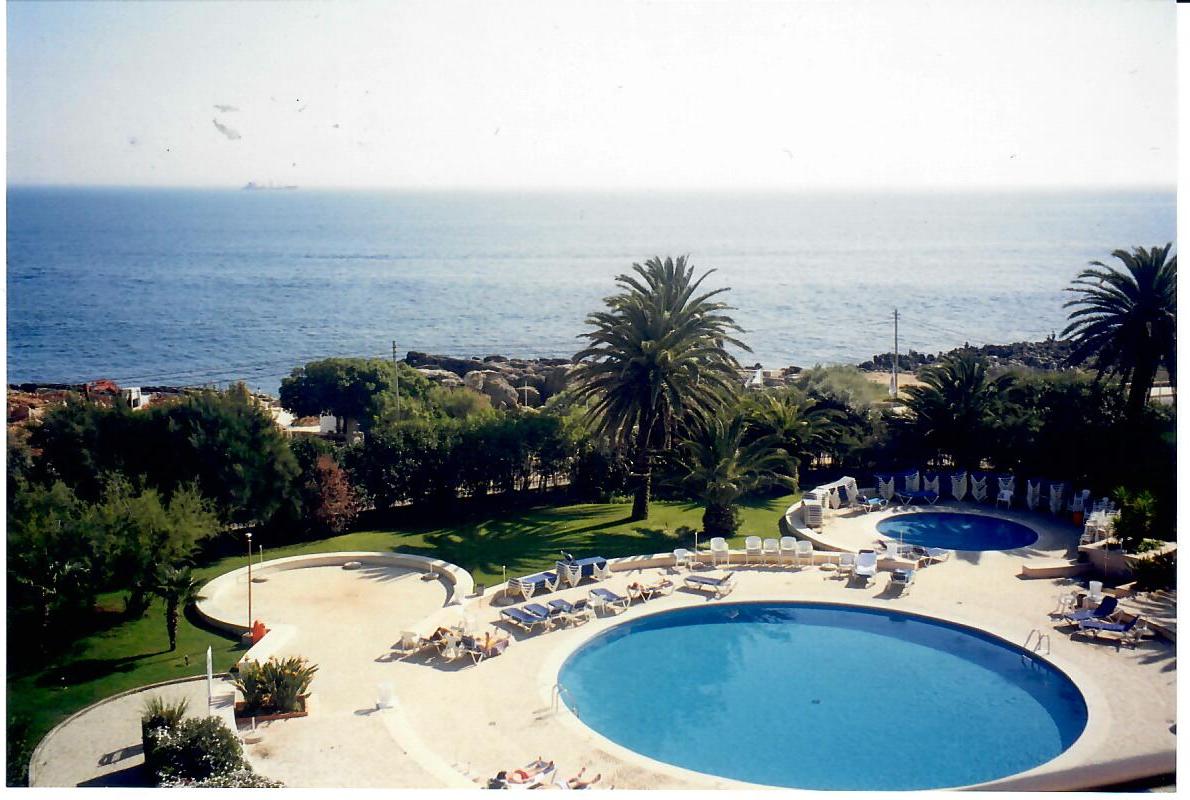 The famed tiled streets:
 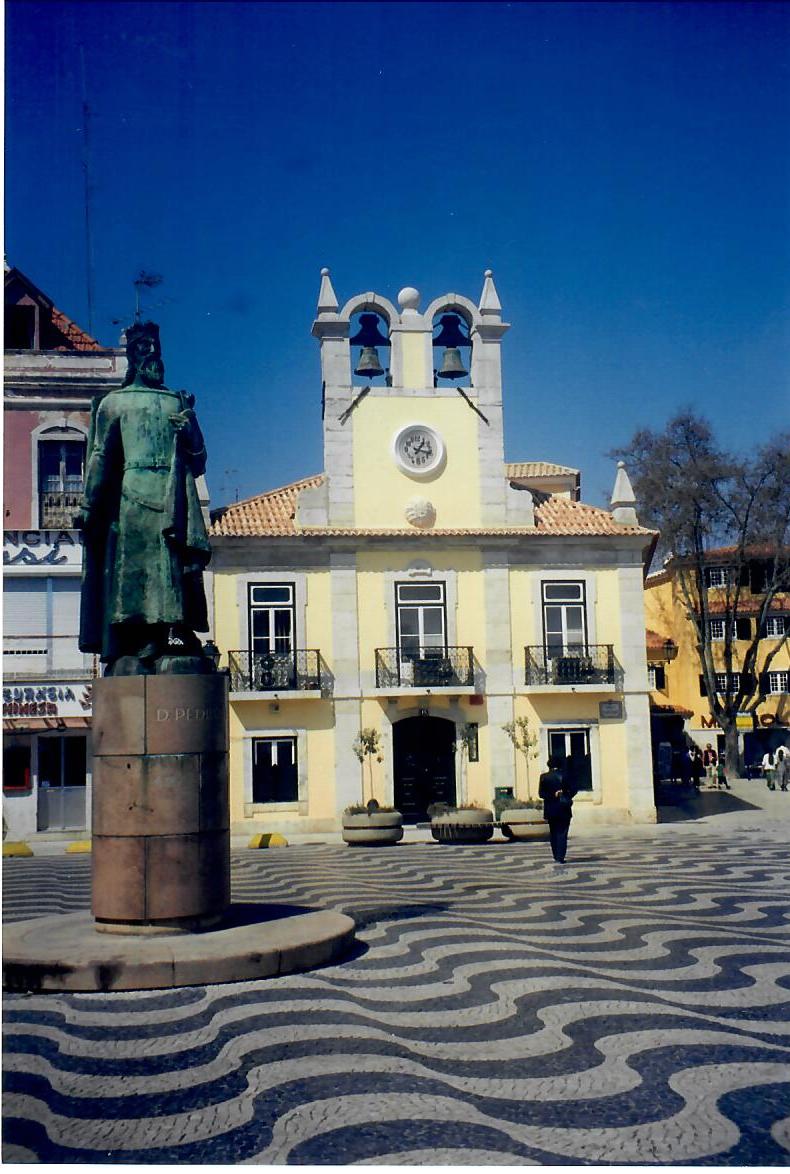 Lisbon, magnificent yet still approachable:
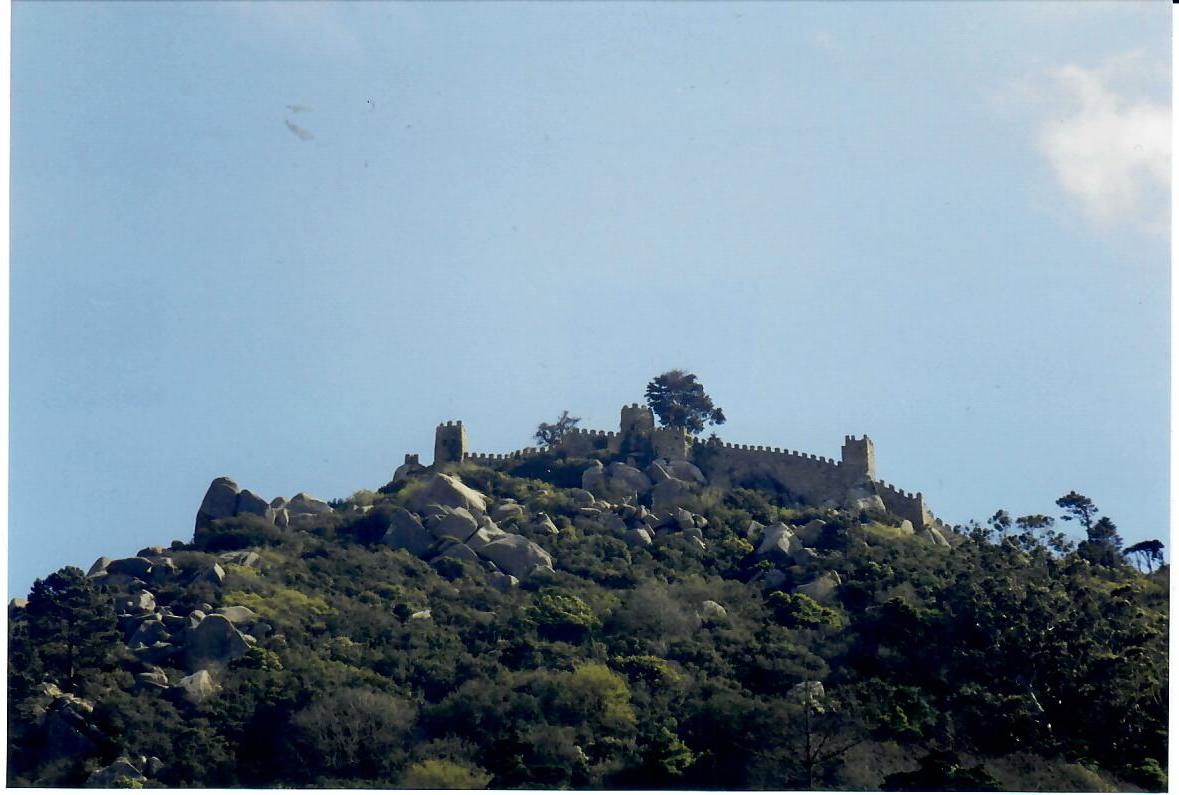
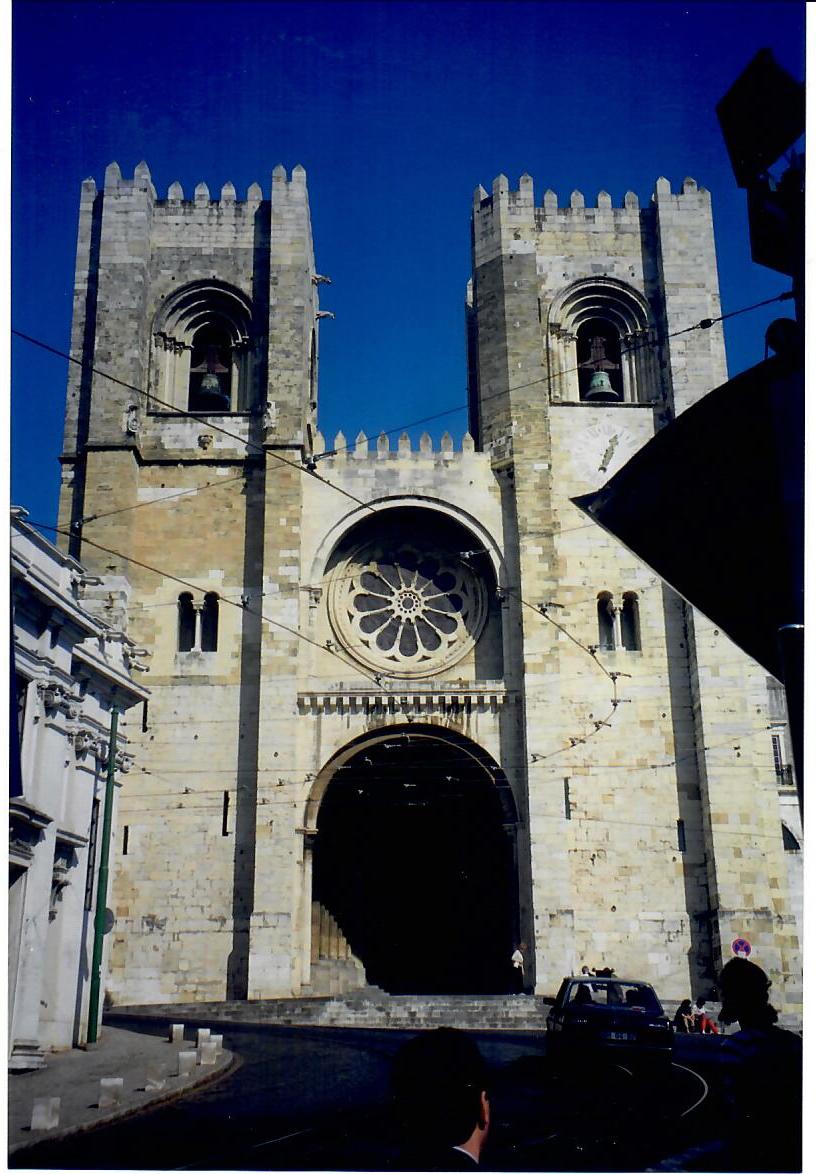 Picturesque Sintra:
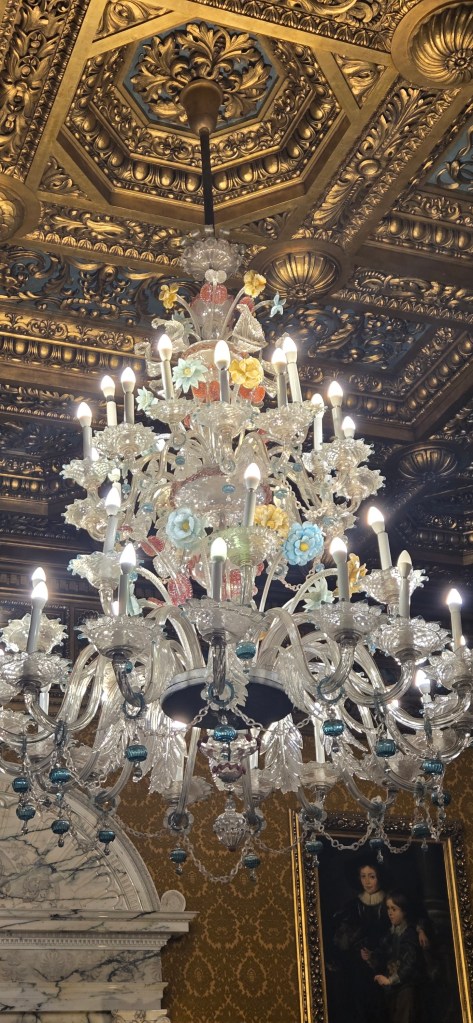
 Fascinating museums, including the jewel that is the Museu Calouste Gulbenkian:
 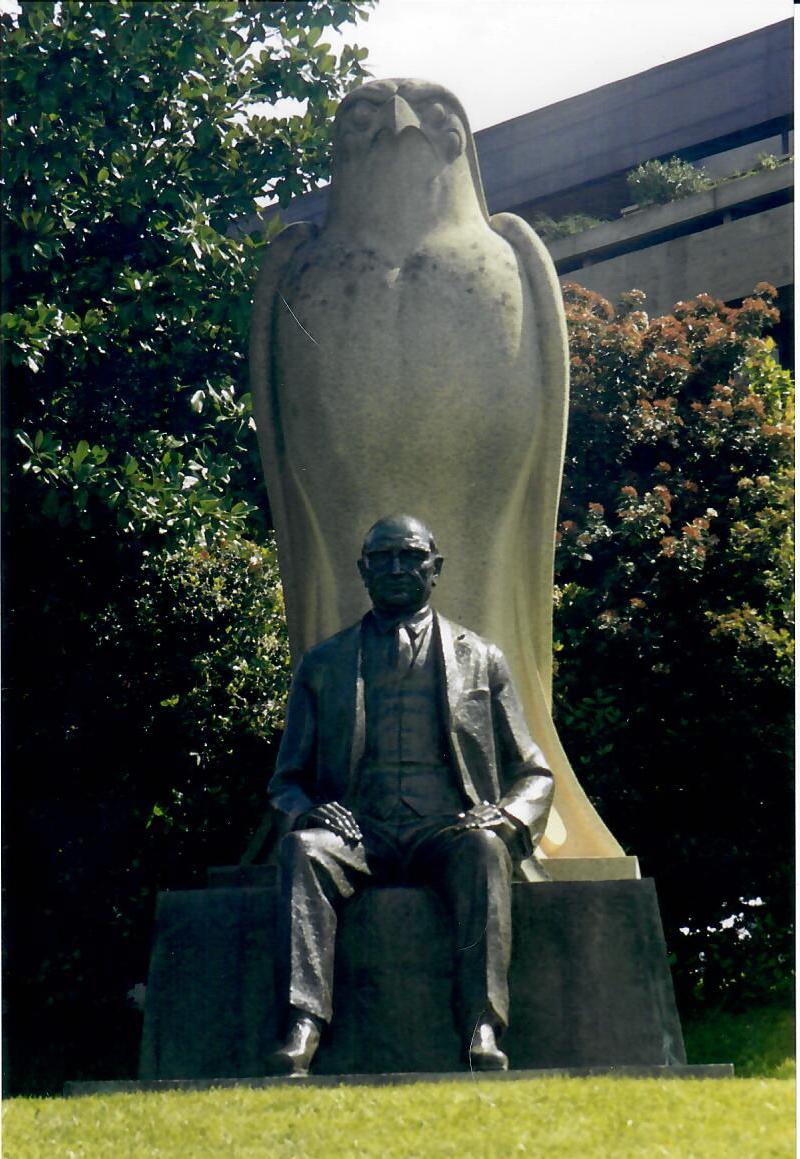 .
.
 Old Lady Writing