I used to read self-help books. I am not entirely sure if they really did
help, but there is no real way to know, is there? We never stop learning and growing, and all
that. Even as I write this, I am waiting
for the library to deliver to me a copy of “The Subtle Art of Not Giving a F*ck”. I am #110 on 6 EBook copies, and #223 on 20
audiobook copies, with wait time of at least six months, according to the
library website. I am expecting that half
a year from today (at least), I will be so much cooler and calmer and more
collected. Until then, I have to keep
relying on old coping skills.
One of those is a list of 100 things that bring me
joy. I made this list almost a quarter
of a century ago, and I still have it. I
have never revised it. Looking at it
now, I am generally in agreement with my younger self. However, there are some items that are
genuinely puzzling:
#15: Playing
badminton. Not that it is not fun, but
seriously—when did I play so much badminton in this lifetime that it merited
its own entry on the list? I mean,
badminton got into Top 100, and even Top 15?
OK, the list is not in order of priority, but to have thought of badminton
so early on? A head-scratcher…
#19: Lilliput
Lane houses. Again, Top 20 in the Spirit
of Acquisition? I have a few of those
cute miniatures, but since I have been focused more on unloading than acquiring
crap, I mean, stuff, in recent years, I have to say that this one is decidedly
off the list.
#41: Trivial
Pursuit. Is it even a thing these
days? I think it might have been
replaced by Cards Against Humanity in my life.
Maybe less intellectual, but a lot more laughs!
#51. Jelly
Bellies. Whoa, really? I used to love Jelly Bellies, but that
much? Glad they are not in the Top 50—that
would be embarrassing. Bottom 50 is OK.
#61. TV
Guide. That’s a heartbreaking one. I
used to love TV Guide so much, when it was in that little compact format. In high school, I used to trek to Meijer’s
Thrifty Acres weekly to buy TV Guide as soon as it was out on the stands. It was so important in the pre-internet days,
my main source of information that counted (don’t judge!). Then they changed the format, which made me
super-mad, because then it looked like any other magazine. And I just could not keep up with the
thousands of new channels anyway. And
then technology got so ahead of me that these days I can only turn the TV on
with express instructions from my spouse and children. Oh, but I still miss TV
Guide! I wish I had kept that issue with
Richard Chamberlain as Father Ralph from “The Thorn Birds” on the cover…
#89. Fashion
magazines. I have no idea who actually
made this entry, although the handwriting seems to be mine. It must have been a minor case of possession,
as I do not recollect ever purchasing or even looking through a fashion
magazine. I must have been running out
of things that brought me joy…
Then there is a handful of items that are largely gone
from the world:
#17.
Bookstores. Oh, what a joy it was
to browse at Borders or even Barnes & Noble (but Borders was the
ultimate)! But who am I to complain,
when I so utterly and completely, albeit somewhat belatedly, jumped on the
Kindle/Audible/OverDrive wagon and have not physically set foot in a bookstore
in years? If Borders was still around, I
would still be buying books there. I can
safely tell myself this.
And finally, something that was not on the list
decades ago, but would be #1 today:
Dogs. I love dogs. But I did not even like them when the list was initially written. Which just goes to show how much things can change in one lifetime, as I write this while wearing my “Home is where the dog is” T-shirt, given to me by my mom. [Who also did not make the Top 100 list then, but definitely would now!]
Some years ago, I decided that I needed to complete
the Shakespeare canon. For a spectator
like me, that means only seeing the shows, not acting in them or directing them
(I laugh because this is true). As I see
several Shakespeare stagings every year, I am ever surprised by the
universality as well as timelessness of his works. I mean, after a few centuries, they are not
dated (unless the director allows them to be, which is decidedly NOT the goal). I am also occasionally surprised by how my
relation to the various plays has changed over the years—the ones I thought I
loved I occasionally outgrew, the ones I either did not know or did not much
like I grew to appreciate more, and so forth.
As of this writing, I have five plays left to see, which seems like a shockingly
large number considering how long I have been at it—so, if anyone hears of Henry
VI being done anywhere, please let me know.
I do mean anywhere, I will travel for this!
I have deliberately been avoiding The Merry Wives of
Windsor for years. I glimpsed it once on
TV, must have been on Masterpiece Theater, and I hated it. It seemed like a lot of commotion of people
running around in bonnets and pumpkin pants, laughing at jokes that made no
sense, and the language itself was unintelligible to me. It also had Falstaff, a character many like,
but I kind of hate. I just do not find
him funny or endearing or charismatic in any way. I just find him annoying.
But, with so few plays left to complete the canon,
and with Stratford Festival—the greatest theater in North America, if not the
world—staging Merry Wives this season, I decided to bite the proverbial
bullet. Spoiler alert: I am glad I did, but I am still not crazy
about this play.
Antoni Cimolino, the Artistic Director of the
Festival who directed the play, set it in 1953.
It was the year the festival was founded by Tom Patterson. Is it weird that I immediately thought that
it was the year that Stalin died? Seems
like it was a much more carefree year in Canada than in the USSR, but maybe not
so much when it came to women’s rights.
Frankly, though, I did not find the story to be too offensive in the #MeToo
era. Falstaff is lecherous and pushy,
but easily confounded and disarmed. Mr.
Ford is jealous not like Othello, but like Moliere’s clueless and pompous
husband characters. The women outsmart
and outplay the men with ease, plus great humor and spirit. So, I am inclined to just view this story as
a harmless farce rather than a statement on gender relations.
And what a farce it is—but I am not against
farces. I am an easy laugh, but what of
it? A peculiar mix of Monty Python and I
Love Lucy is not the worst to which a comedy can aspire—and achieve. In this particular production, the stars of
Stratford are out in full force. Brigit
Wilson as Mrs. Page is just the most luminous wide-eyed Lucille Ball impersonation
ever, and I mean that in the best way possible.
The incomparable Geraint Wyn Davies is possibly the only Falstaff I can
stomach, and he actually made me feel sorry for the fat buffoon at the
end. Aww, Geraint with that sparkle in
his eyes, his Falstaff exuding the benign mirth that reduces the creep factor
almost to zero! And Lucy Peacock as Miss
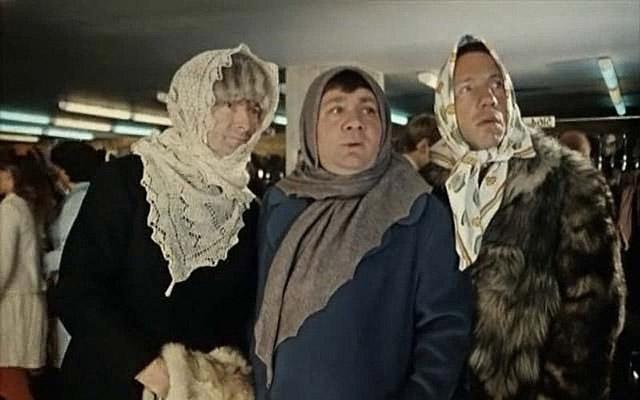
Quickly is channeling the comic relief housekeepers straight out of the Soviet
comedies of the death-of-Stalin era, whose kerchief, ankle boots like my
grandmother would wear, and intermittent snacking made me feel all warm and
fuzzy and nostalgic. Ben Carlson, as the
Welsh parson, is the funniest I have ever seen him be–and Ben is usually witty
funny, not ha-ha funny, so this was a joy to behold. When he agrees with Mr. Ford that Falstaff in
drag as the old woman of Brentford must be a witch because she has whiskers and
a beard, I died laughing! (I use this
phrase to excess; I guarantee you will see it again.) Graham Abbey as Mr. Ford, while very funny as
well, is basically Tartuffe’s Orgon, whom he played on the same stage two years
ago. It is not his fault that this part is so similar—after all, I have seen Geraint
Wyn Davies play Falstaff before, which is literally the same character. I am just saying it was not a surprise, that’s
all.
The Monty Python theme plows through the play in the
character of Dr. Caius. Gordon Miller
plays him essentially as the French Taunter from Monty Python and the Holy
Grail, complete with pronouncing every letter in “knight”. When you hear it, you just can’t unhear
it. He even throws in John Cleese’s
silly walk. It’s all very funny, but a
bit much, including the exaggerated French accent that is at times utterly unintelligible,
although every second word is “bugger”.
So, I walked out of the theater not feeling that I
saw a Shakespearean play. Is that
necessarily a bad thing? I do not think
so. I laughed a lot, I had a good time,
and that is a value in itself. The fact
that a comedy written 400 years ago still retains the humor of a much more
modern piece is astonishing. When Antoni
Cimolino mentioned that Merry Wives has funnier jokes than Neil Simon he was
not kidding (see what I did there?). If
there was a deeper message, I might not have gotten it. But, in the words of John Cleese’s Pope in
the Penultimate Supper sketch, “I
may not know much about art, but I know what I like!”
P.S. E.B.
Smith needs to have a bigger part in this play, and really in every play.
Introverts seem to have come into vogue lately. In my youth, the terms ranged from the mild “shy”
to less-than-kind “loner”. In my
culture, being solitary in any form was not a value, because after all, we
lived in a collective. In my language,
there is no word for “privacy”. No,
there really isn’t! I tried to find a
translation, and the closest English word I could find was “confidentiality”,
which is clearly not the same thing.
My spouse and children laugh at the notion that I am
an introvert. I am appalled at the
notion that they think I am anything but.
Have they not met me? I love all
sorts of solitary activities, I have no concerns with seeing movies and eating
out and traveling alone, I have a very small circle of friends, and I hate
talking on the phone. I do enjoy social
gatherings, but am never disappointed (and often not-so-secretly thrilled) when
they are cancelled. I have to give
myself a substantial pep talk when I go to networking events, and have been
seized by panic when I show up and do not know anyone. I am also not great at small talk. I thought I fit the memes quite well, until I
really started to think about this. I
decided that I really need to understand the terms before I start labeling
myself.
I am literally all of these things!
As a child, I was regarded as fairly unfriendly, and
I accepted that view of me for the longest time. I lived with a grandmother who so completely
lacked in introspection and ability to derive any joy out of her own company
and inner gifts that spending time in solitary pursuits was to her not just
unattractive, but unnatural. I loved playing with other kids, I had
neighborhood friends, I loved adventures, but I also loved reading and
drawing. I remember being allowed to
read only to a certain chapter before being made to go outside to play, and
pretending to read slower than I actually did in order to prolong the
pleasure. I just cannot imagine stopping
anyone from reading, regardless of their personality type—reading is
fundamental! I was labeled unsociable by
my family not because I had a shortage of social activities, but because I did
not constantly crave them. Looking back
now, I see that I had a pretty healthy balance in my life, but was persistently
pushed off balance. I was relentlessly driven
to one side of the continuum. Resistance
was futile!
Hanging out with people one knows and likes and
walking cold into a gathering of strangers are completely different
experiences. One does not have to be an
extrovert to love the former, and an introvert to hate the latter. I am often that last person to leave the
party—but only if I am having a good time.
Oh, and I am also a huge talker.
Huge! Privately, I chastise myself
a lot for not listening well, and yet still I cannot shut up once I get going. But, I have also been known to make my excuses
and beat a hasty retreat—if I am having a lousy time. I have participated, reluctantly, in many a
stilted and awkward conversation, and was once asked if I had a disability
because I was so quiet. Does that just
make me a person who knows what she likes and does not want to waste time on
things she does not? Aha, what a concept!
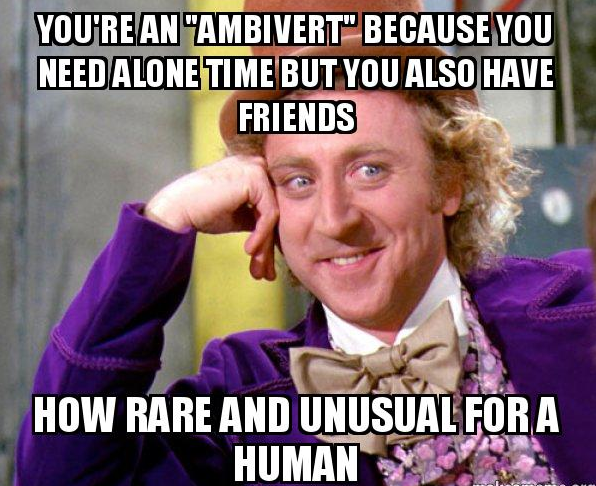
I learned a new term today—yes, literally today. I am an “ambivert”. According to Merriam-Webster, that is the person who has both extrovert and introvert characteristics. It is a social adaptation—the person behaves according to the situation. On the spectrum, I am in the middle. And there is nothing wrong with that. Does freedom come too late? Well, not necessarily. All of us are works in progress until the end, and self-understanding is never wasted. Being armed with this new-to-me term, I shall boldly go, both to parties and on my solitary runs. Allons-y!
It was Father’s Day. Not “a” Father’s Day, but “the” Father’s Day—the episode of the first season of the sci-fi series’ revival. This is not a spoiler, because the episode aired in 2005. Rose Tyler travels back in time and tries to save her father who died in 1987.
I don’t like science fiction. I mean, I really, really don’t like science
fiction. I do not read science fiction,
I do not watch science fiction. I walked
out of the first “Star Wars” movie on the pretext that my mom was picking me up
(before I was driving myself), fell asleep in the movie theater during one of
the later prequels in the dead afternoon
(I do not even know which one), never saw any of the “Star Trek” movies or TV
episodes, and just generally have always appreciated the genre exclusively for
its great soporific quality. It’s
actually my little prescription-free secret—on long flights, instead of popping
Ambien, I watch dreary sci-fi and fantasy movies to fall asleep (unless they
are showing the original “Wall Street”—I have never been able to stay awake for
more than a few minutes of that movie!)
I had a boyfriend who was obsessed with the original
“Dr. Who” (this is not the same terrible college boyfriend, but a fairly nice
guy law school boyfriend). He was a geek
and of course loved sci-fi. I was (and
still am) a geek as well, but I drew the line in the sand at watching bad ‘70s
English TV show about a guy with the long scarf, mad hair, googly eyes, and
terrible special effects, doing incomprehensible thing for reasons that were
passing understanding. I pretty much
slept through all the episodes that were shown to me. It may or may not have
been the beginning of the end of that relationship.
So having never cared for any of this, and having,
in fact, a somewhat self-congratulatory attitude about being intentionally
ignorant about this segment of pop culture, I found myself, quite unexpectedly,
watching the 21st century regeneration of the good Doctor.
Something happened.
Maybe my kids started watching it, and they were old enough to offer a
valuable opinion (it happens!). Maybe
there was some hype that led to some curiosity.
Maybe I pressed the wrong icon on Netflix. Maybe the trailers were good. But still, a couple of seasons have passed,
because at the time I started watching, the first of the modern Doctors’ time
has already passed.
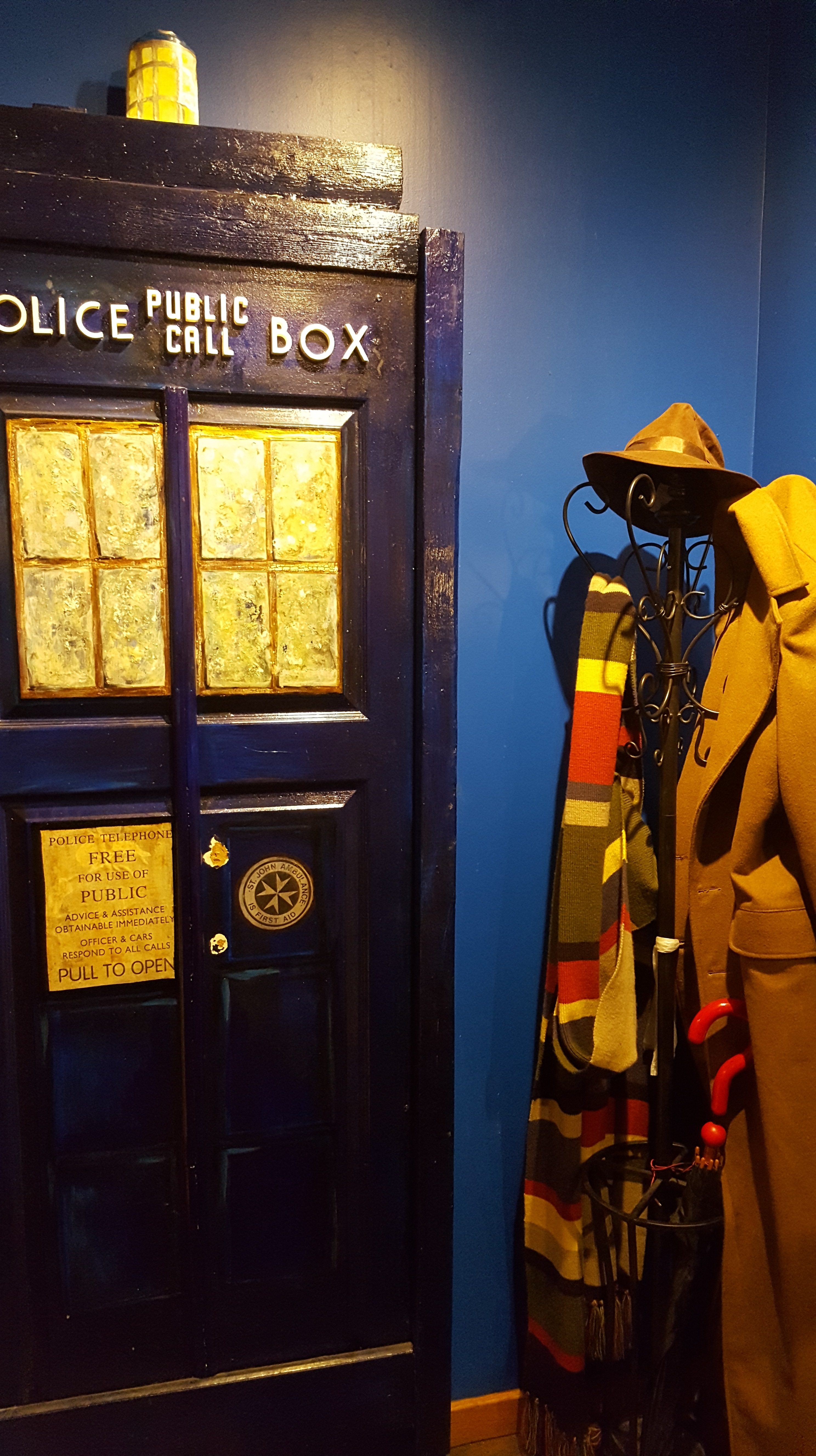
Tardis in London
And so I slogged through the first several episodes
on my Kindle. Tiny portable TV that you
can watch everywhere, including in the bathroom, but also contains a giant
library of books, the Kindle is, to my mind, the most spectacular technological
invention of my lifetime. I never wanted
to get it, but once it came to me one year as a Christmas present, it was love
at first sight. So I was carrying my
Kindle around watching sci-fi, and thinking, who AM I? The episode about mannequins coming to life (kind
of funny), one about some aliens (definitely stupid!), one about traveling back
in time and meeting Charles Dickens (ooh, I like that!), a few more aliens (OK,
I think I am going to be stopping pretty soon here, aliens are super-boring to me),
and then…
Father’s day…Rose’s father was run over by a car when she was just an infant. She never knew him. Suddenly, she travels back in time with the Doctor and meets her father. Of course, her instinct is to save him and to get to know him. Because, like Rose, I never really knew my father (spoiler alert: he did NOT die when I was an infant, and as of this writing, continues to be very much alive), this story hit me right where it hurt. Except I never expect it to hurt, until it does… Unlike some other deficiencies of my life, I am not super-fixated on having grown up fatherless. I do not know anything different, as simple as that. I grew up without a father, but also without siblings, without a dog, without figure skates (I really wanted figure skates!), but with wonderful neighbors and friends, a cat, a bicycle, etc. I mean, you have some things, and you do not have others, which is the way of the world. But every time I see a show not just about a missing father—because a missing father is merely a fact that in and of itself is not worth mentioning, to my mind—but about a father that was lost and now is found, it touches my heart. Because deep down, all my life, I have hoped, without ever daring to give that hope a name, that I would have a second chance with my own earthly father. And seeing that episode of the heretofore farfetched, phantasmagorical, and often downright silly show, about a girl getting that second chance, made me love all of “Dr. Who. And even the fact that Rose was not able to save her father and live happily ever after with him by her side (because that would wreck the whole balance of time, of course) made me love it even more, because life is never that simple, and father-daughter relationships, and non-relationships, are fraught. But sci-fi is great escapism—and when it’s great drama to boot, well, let the binge watching begin!
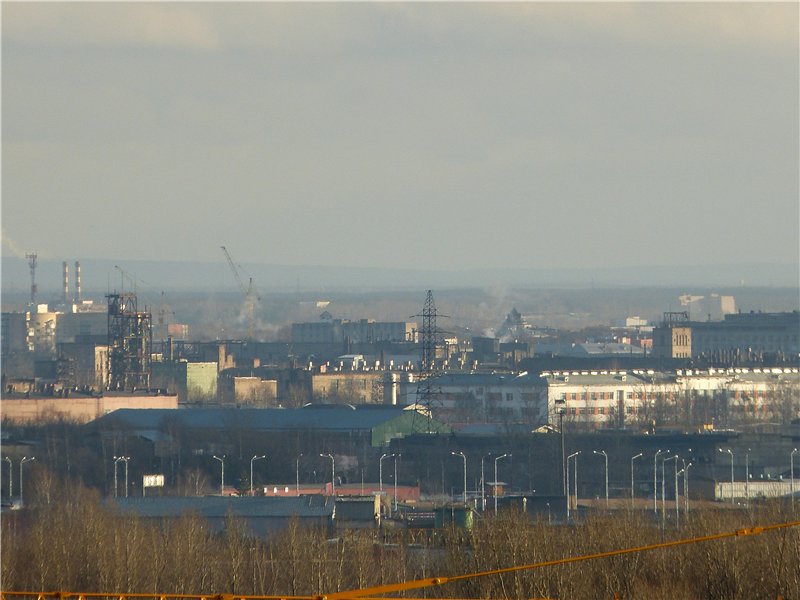
~Yaroslavl,
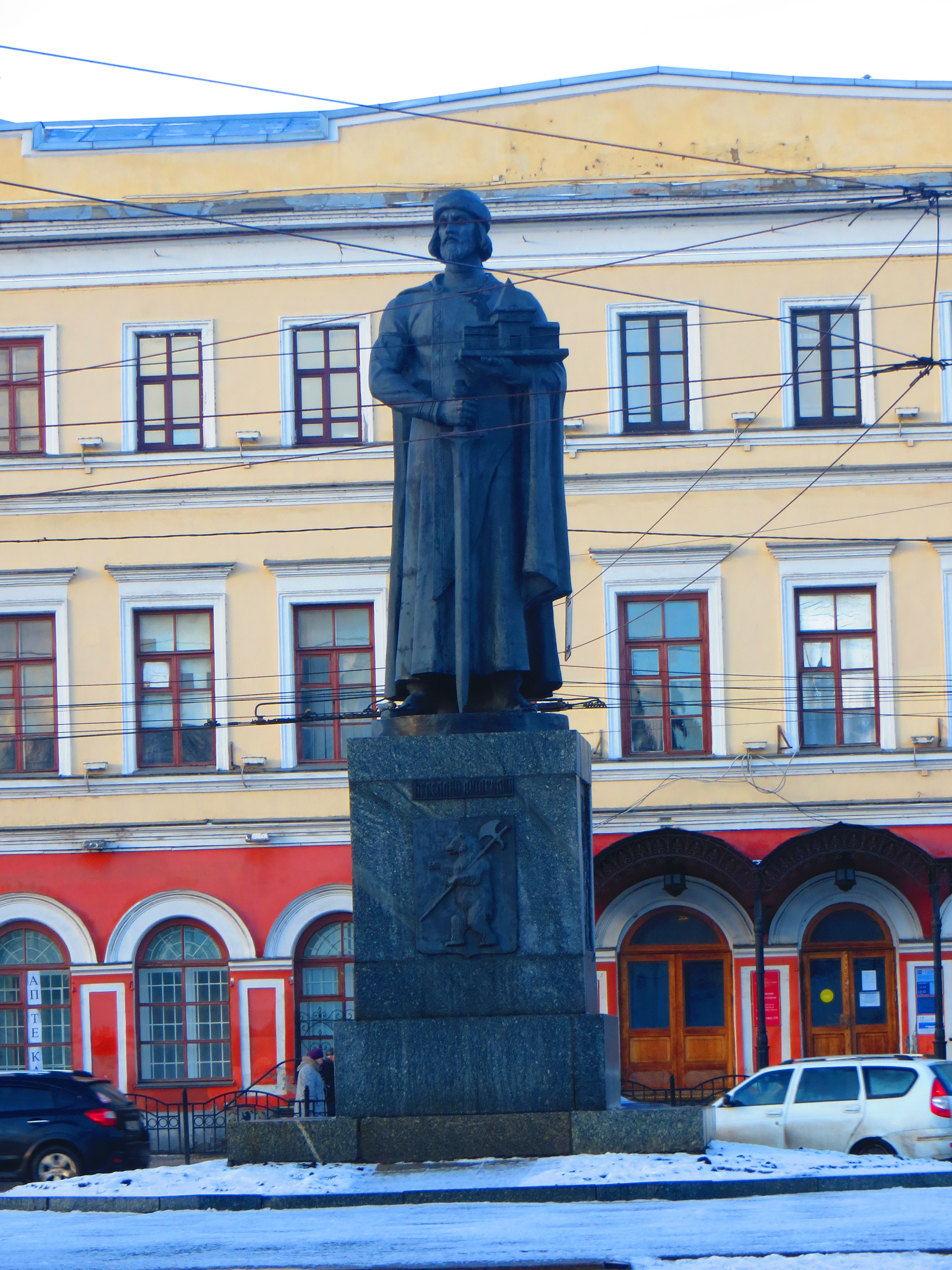
capital of the Golden Ring of Russia and the oldest of the Volga towns, was founded
in 1010 by Yaroslav the Wise, a prince of Kievan Rus. Legend has it that Yaroslav went North and
found a friendly spot by the Volga on which he would built a city. A bear came out of the woods and charged at
him. Yaroslav killed the bear with an ax. Almost a decade later, he became the
Grand Duke of Kiev. He ruled wisely and well, despite his one known act of
cruelty to bears. He built the famous
Cathedral of St. Sophia (which houses his tomb and the incredible fresco
portraits of his family) and the Golden Gate of Kiev (cue Musorgsky’s “Pictures
at an Exhibition”), and established the first Russian law code, Russian
Justice. Still, the town on the Volga is his greatest achievement. Memory eternal!
Yaroslavl on top, bear on bottom. But notice who is holding the ax…
In Yaroslavl, time did not quite stand still, in
terms of keeping up with internet and other modern conveniences, such as resplendently
stocked grocery store shelves. However,
the general character and look of the town did not change. One very comforting feature is the profound
lack of attention to the destruction of the relics of the past—whether the long
past, or *our* past. Just as the name of
the town never changed during the Communist era, but continued to evoke the
long ago Grand Duke of Kiev who famously conquered a bear with his ax, so did
the Lenin and October Prospects remain thusly named in the Yaroslavl of the Russian
Federation. And just as the 17th
century churches were not detonated during the three quarters of the 20th
century that comprised the entire history of the now defunct country of my
birth, but merely consigned to store potatoes, so do the imposing monuments of
that country remain as the scattered guideposts of the city today. There are two Lenins; there always were the
two Lenins. One is standing on the Red
Square (many Russian towns have a Red Square) and with his upraised arm shows
the way to our bright future. Meet you *by
the arm*.
By the arm
The other one is sitting and writing in his notebook
upon a crossed knee, facing his namesake Prospect, with his back to Mother
Volga, with the Soviet Street crossing in front of him. I remember laying flowers at the base of this
sculpture, as it was conveniently located near my school. Kids were sworn into the Young Pioneers next
to this Lenin every year on his birthday on April 22. Meet you *by the leg*.
By the leg
And then there is Karl Marx, my favorite monument ever. I am emotionally attached to it because I remember when it was unveiled. The year was 1972, if memory serves, and we were going to spend the summer “za Volgoi”, literally “beyond the Volga”, or simply, on the other bank of the Volga. On the other bank is the countryside, and when I was really small, my grandmother rented a room in a hut in a village called Yakovlevskoye (Jacob’s). Actually, we had two landladies, one after another, but this is so long ago that I barely remember the first one, Olga something or other. To be fair, I was 2 or 3 years old. I remember only a very high bed with lace pillowcases, and trying to drown Vanechka, a doll to which I have taken a dislike, in my potty. My grandmother seemed to have persisted that the doll’s demise was meant to be an accident, but I, in turn, persisted in trying to destroy it. I do not recall who finally won, but, experience would suggest—not I.
The second landlady was Anna Loginovna, and I can
still see her low ceilinged house with the traditional wood burning stove, and
our room with pictures of ladies from the fashion magazines tacked to the
walls. Anna Loginovna’s daughter died
tragically during one of the summers we were living with her, when a drunk
truck driver plowed through a window of a store in which she was shopping. I
remember seeing photos of her in a coffin, stitches on her face, and her
orphaned children, a girl and a boy older than me, maybe a teenager and a
preteen, sitting forlornly at their grandma’s rough wooden table. I do not recall, if I ever knew, if Anna
Loginovna had other children, or what happened to the two kids, who ultimately
took responsibility for them. But I
remember sitting at that table, in that house, almost half a century ago. But I digress…
We were traveling to beyond the Volga in a bus, the #50. I was looking out the window, and saw a dreadful and fearsome sight of a block of gray marble with a burlap sack at the top at the intersection of Lenin and October Prospects. I did not know it then, and had no basis for comparison, but if I extract this memory now, I would compare it to a prisoner about to be beheaded. The sight so alarmed me that I never forgot it. Someone (logically, the responsibility would have fallen to my grandmother) explained to me that it is a new monument which will be shortly unveiled. The ceremony happened during our summer sojourn on the other bank of the Volga. I was immensely relieved to see that the bag was off his head and it was now an imposing gray torso with a familiar bearded head on what became (or maybe already was) Karl Marx Square. The clemency shown to the prisoner made me feel proprietary and affectionate toward him. Meet you *by the beard*.
I did not really make acquaintance with
English-language music almost until after high school. I was not only entirely uncool, but had no
real pop culture influence. My mom does
not listen to music except when attending concerts of the classics—one of the
trademarks of good breeding in our culture.
Although of the Baby Boomer generation, not having grown up in the US
made her completely unable to pass on any retro musical heritage to me. The only records in our home were mine.
In the way of awkward teenage communication, I could
never figure out how to seek guidance from peers. I mean, when one is fourteen, one does not
simply say, hey, to what music should I listen so that I am not an
outcast? Of course, pop music then was
not as easily accessible—records cost money.
In high school, I had no money. I
did somehow manage to procure the following: (1) Billy Joel’s “Innocent
Man”—because I saw “Uptown Girl” on Friday Night Videos and liked the catchy
tune; (2) Quiet Riot’s “Metal Health”—because a boy on whom I had a crush
seemed to be into it, and (3) Michael Jackson’s “Thriller”—because it was all
the rage, and made me feel quite with it and in the know.
Around my high school graduation time, The Monkees made their decennial revival—the show, of course, which immediately reminded me of my beloved Marx Brothers. I thought I made such a profound connection—turns out, John Lennon said it first. Through them, I discovered other 60s music (technically, the music of my parents generation, even if they remained oblivious). And then came Elton John.
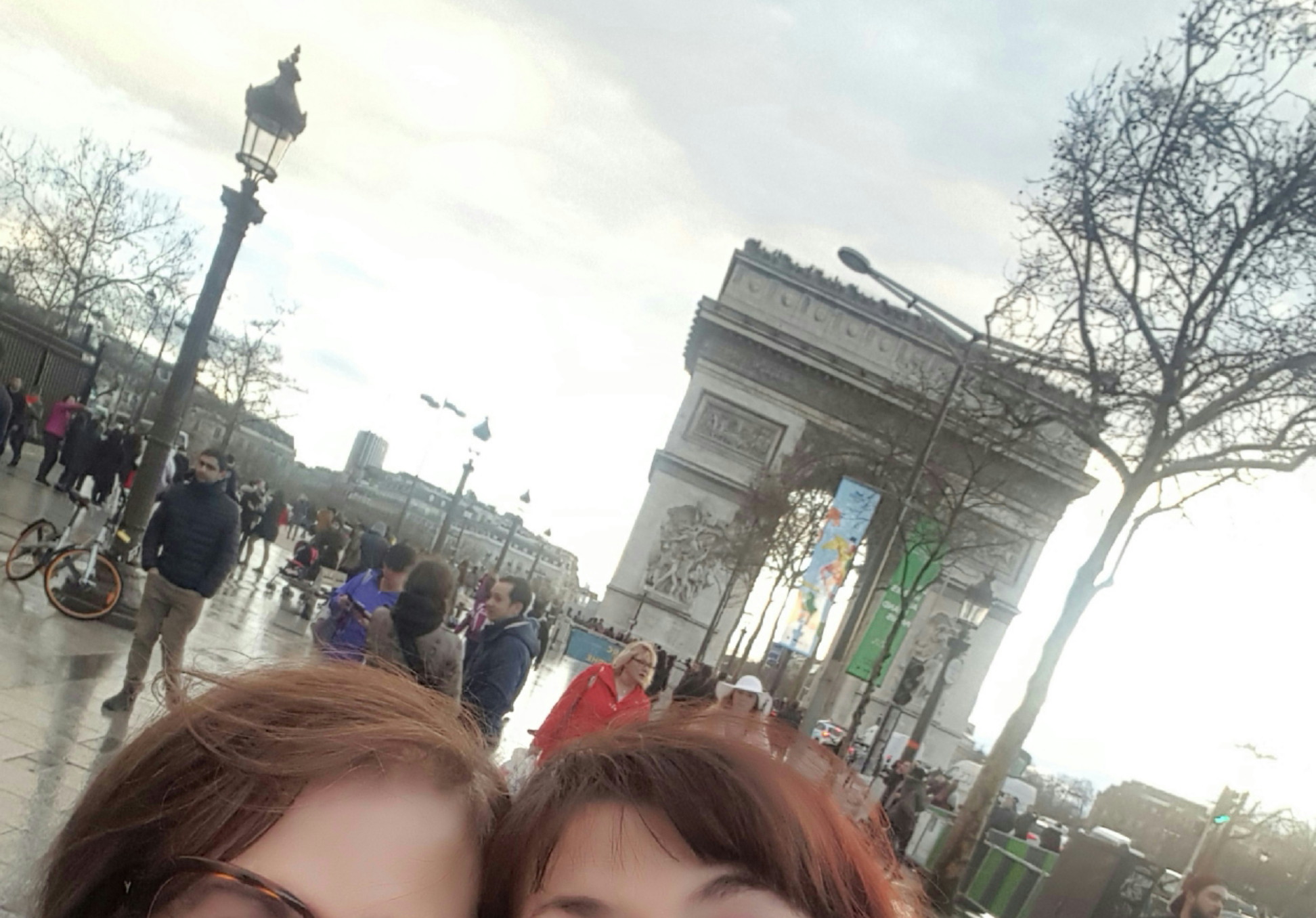
In typical college drama fashion, the lousy boyfriend du jour (the same one from the “Arc de Triomphe” post—he was just a remarkably bad boyfriend!) stood me up on Valentine’s Day. A friend came over to cheer me up, with leftover filet mignon from a dinner with her boyfriend (who turned out to be not much better than mine, if somewhat more attentive), a couple of bracelets from her own collection, and the music of Elton John. She is still a friend, albeit a geographically removed on. She was, and is, fabulous, beautiful, self-assured, stylish. She might have been the only friend I ever had who actively influenced my musical taste. It does not seem likely now that she came with the sounds of music on that occasion, but in my flawed memory, that Valentine’s Day is conflated with the day I first heard “Goodbye, Yellow Brick Road”.
It is still my absolutely most favorite song of all
time—even though I have misheard the lyrics for all these years. I am not entirely sure I ever knew exactly
what they were until I just looked them up now!
“Horny back toad”—really, those are the words in this song? I just like “It’ll take you a couple of vodka
and tonics to set you on your feet again”.
True then, true now. Although I
do not believe I ever had vodka and tonic together. I have had more than my
share of vodka over the years, and quite a bit of tonic, but never together. Still, it’s the sentiment that counts. And I have to this day the “favorite breakup
songs” playlist on my iPod. Do people
still have iPods? It used to be a tape,
then a CD, so I count myself as quite technologically advanced! “Goodbye Yellow Brick Road” is always opening
that party.
When I got married, my thoughtful husband suggested
an Elton John song for our first dance as the wedding reception. The problem was, all my favorite songs of his
were either sad or inappropriate (“The Bitch is Back”? That would have pleased my in-laws, at least…) “Your Song” was a natural choice. My eyes are not green nor blue, neither are
his, but we made it work.
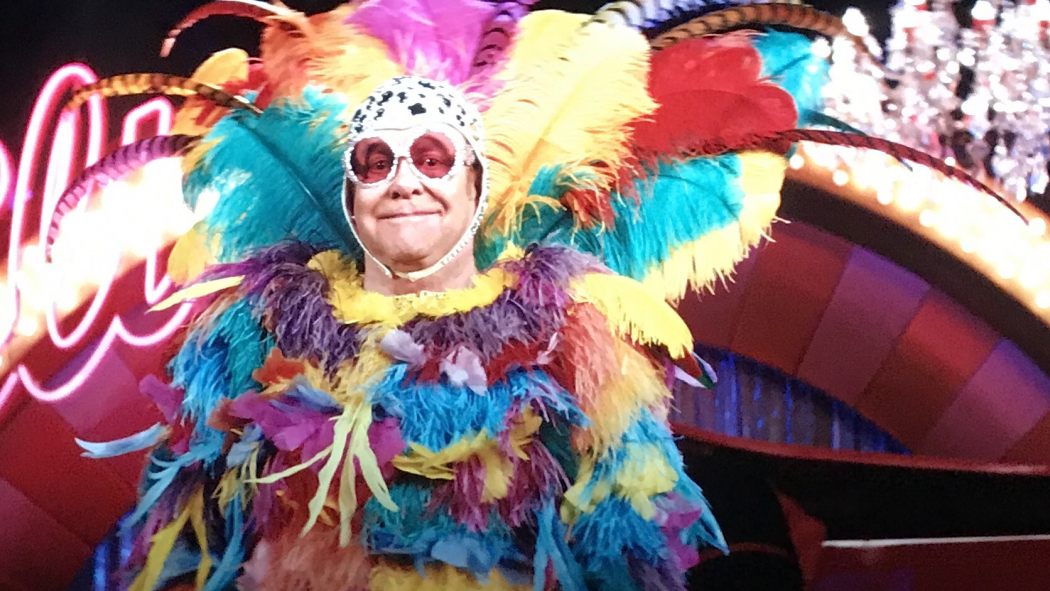
And now they made a movie about Elton’s life and
music. Well, not they—he. He made
it. He loves it. I love it.
I was wary of it at first, because I expected another “Bohemian Rhapsody”—a
strangely sanitized account of a vaguely unhappy but tremendously successful
musical genius who had indulging and supportive family and friends (especially
Brian May—I want to be friends with Brian May, he is clearly just The Friend of
Friends!), made the crowds go wild at Live Aid, and then discreetly died of AIDS. The music was awesome, but the rest was ambiguous. And the lead actor constantly licking his
prosthetic teeth was downright distracting.
Not so with “Rocketman”. Elton’s unhappiness despite success is very
clear—and dare I say, justified? His
parents are shown as just awful, cold and critical throughout. I do know that such parents exist, of this I
have no doubt. My sons and I argued who
was worse, his father or his mother, but does it really matter? Elton’s tremendous and destructive
insecurities seem to have been rooted in their lack of love. As one of his songs goes “mama don’t want
you, daddy don’t want you”. Add to that
an equally unpleasant and downright abusive manager/lover, and voilá– “sad
songs say so much”.
It would all not be so impressive without (1) the
wonderful music of Elton John and the way it is inserted to advance the plot (I
can’t wait for this story to be made into a Broadway or West End musical!) and
(2) the unexpectedly (at least for me) potent and poignant performance by Taron
Egerton. That kid from “Kingsman” really
sings! And he really acts! And he really looks incredibly much like
Elton—the wonders of theatrical makeup never cease to amaze me. I could not picture this transformation until
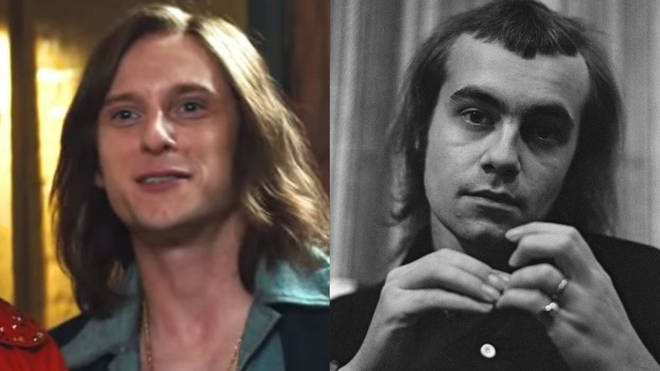
I actually saw it on screen. Although I
must note, Bernie Taupin was never as handsome as the kid from “Billy Elliott”
all grown up.
The reason that “Rocketman” is so powerful is rooted
in the simple fact that, despite all the extraordinary accomplishments, love is
a basic need, and without it we are nothing.
We, as humans, joke that if money cannot buy love, it can buy other
things that are just as good. But I do
know that those of us who say this come from a position of “love privilege”. We
are not lacking in affection in our lives, so can look to that next stage in
the hierarchy of emotional needs. Even
that cranky old St. Paul wrote about this in 1 Corinthians 13, the famous treatise
on love. Elton John’s life seems to have
embodied the 2nd verse of that chapter, “If I have the gift of [we have to insert music and riches and
anything else that comes to mind], but do not have love, I am nothing”. And so I walked away from the movie not
irritated by the plight of a sad rich musician but touched by the tragedy of a
man is craves acceptance and affection from all the wrong people, those who are
fundamentally incapable of giving it, and finally, happy for Elton that he found
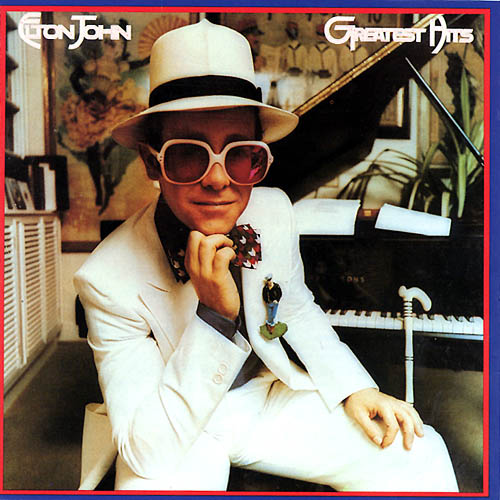
his happily ever after. My son pulled
out an album of Elton John’s greatest hits which I recognized as pilfered from
my own old record collection (plus ça change…), and all was well with
the world.
When I was a young girl, Ireland was not on my list of “places I could only visit in my wildest dreams” (or in another lifetime). So, when another lifetime arrived, I was not even mildly interested. And who knows why? Maybe it is just not a place that influenced my culture. For some centuries, my people looked to Paris—the literature, the music, the films, and, aside from that brazen Corsican conqueror, the history. Of course, we have forgiven the French after La Grande Armée was soundly defeated by the grander Russian winter.
In the ‘80s, as a Poli Sci college major, Ireland first burst on the scene of my life through a World Politics class. I was so spectacularly ignorant of the land’s history, demographics, and political structure (and, in fairness, the professor was terrible), that it came as a bit of a surprise to me that the island is divided, in every possible way but geographically. In that Dark Decade, The Troubles were someone else’s. Car bombingswere often in the news, the IRA was a terrifying specter of terrorism, and Sinn Féin seemed scarier than the Nazi Party. Bobby Sands and the other hunger strikers were already dead, and “The Crying Game” was not yet made. In my mind, Ireland was a lawless, scary place, Belfast was Beirut, and no one in their right mind would go there. This is how well they taught us in college—or how well I paid attention: I figured that the entire country was a mess, with Belfast at the center of the steaming rubble. It kind of sort of did not make sense to me that the island was partitioned and Ulster belonged to Great Britain. It still totally does not make any sense—the 18 year old me was right on the money!
Quite obviously, I
have no Irish roots. But, many Americans
do, and I have a “real American” (as my relatives initially referred to him)
spouse. At some point in our European travels,
he started lobbying for an Ireland trip.
When the previous decade’s Big Birthday was coming up, it was his
fervent wish. This is how much I thought
of Ireland: we went to Greece. (Don’t feel bad for him, he loved it. Greece is great! And we did eventually make it to Ireland.)
In the spring of last
year, I had an opportunity to go to Dublin for work. (Yes, there are occasional flashes of
brilliance in this job…) The week
following my business trip, “Chess” was starting a very limited engagement with
the English National Opera at the London Palladium. Nigel Havers was touring England with “Art”,
one of the best modern plays. And the original “Les Miz” was still at the
Queen’s Theatre (sadly, no more, as of the date of this writing, replaced by
the 25th anniversary abomination).
So, Dublin, then London, but I had the weekend in between at my
disposal.
In my lifetime, so
many “enemies” changed. As scary as the
IRA was in the ‘80s and ‘90s (I know the 70s were even scarier, but not on my
personal radar), 9/11 changed all that. And
then it came to me, for reasons passing understanding—Belfast. I will go to Belfast for a couple of days,
just to say I went. It might be a
terrible depressing place, but just the fact that The Troubles are over and I
have the opportunity to visit—well, never could I imagine such a thing a couple
or three decades before. I mean,
BELFAST!
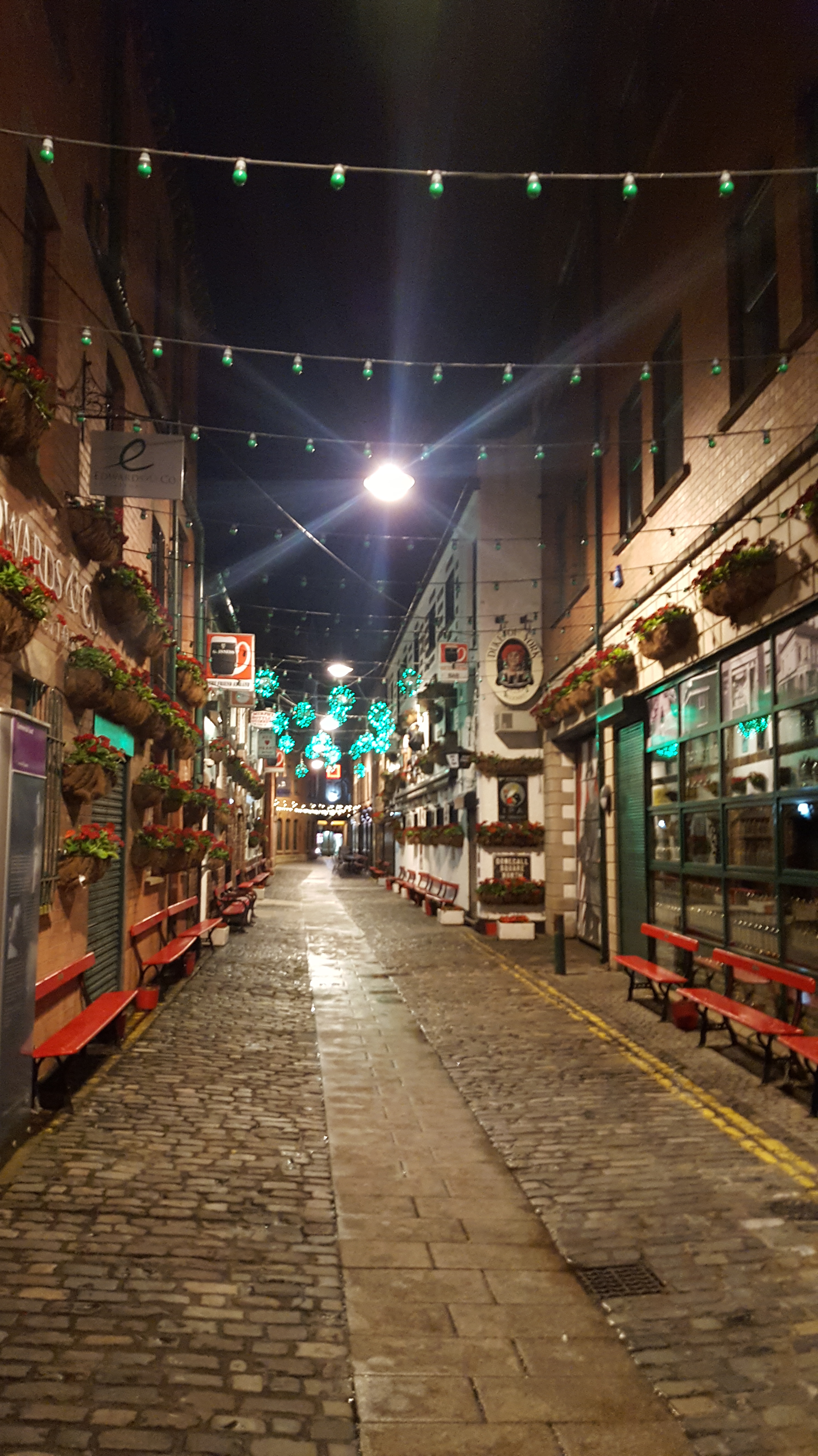
Belfast at night
Words cannot do it
justice. Maybe more accurately, *my*
words cannot do it justice, because I am simply not skillful enough in
describing how this entirely foreign, previously unknown town of sorrow and
rebellion got under my skin and into my heart.
I finally not only understood, but felt the history of these people, NOT
my people, NOT my religion (on either side, really), yet still deeply moving
and traumatic. I sobbed throughout my
visit—the walls surrounding the Catholic enclaves, the murals (oh, those
murals!) depicting their struggles for self-determination and the right to join
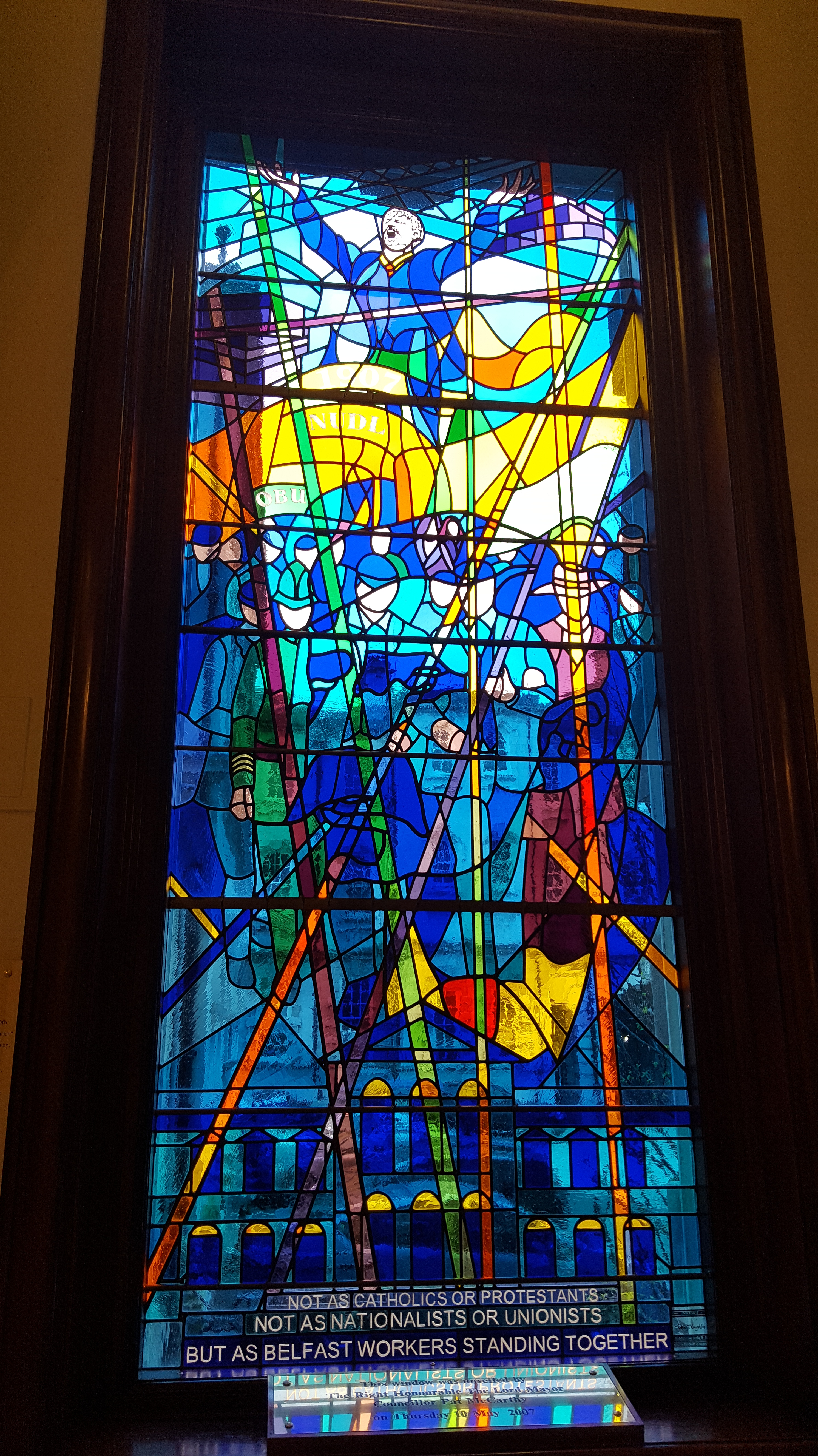
their ethnic brothers and sisters in the Republic, the room in the City Hall
with quotes from the families of the disappeared and the murdered…
City Hall
Dublin is like the
continental South—joyful, friendly, party town.
There are some dark moments there, of course, and memories of the
Empire’s oppression are alive and well.
But Dublin is a capital of its own country and people. The Republic is still a comparatively new
political entity, of course, but these days, it is a fabulous country with a
rich heritage, and God bless it!
The Salmon of Knowledge
Belfast is a Northern
city, beautiful but sad, the Empire not a distant memory but a giant wing over
the skyline, the memories fresh in their defiance despite the recent
reconciliation, the specter of the martyrs ever-present, the separation of
religions still a reality, the most bombed street in Europe (not in Stalingrad,
not in Dresden) eerie in its quiet, the very ground almost unsteady with the
winds of unrest of those few recent decades.
And what about the IRA, heroes or villains? Hard for me to say now, after walking through Belfast. The violence is suppressed, but it all just feels unfair, even to this semi-detached outsider. In the immortal words of Rodney King, “Can we all just get along”? It hurt my heart to think of what happened in that city and in that lovely land just a short time ago. I left a little bit in love with Belfast, and over the past year, I have been aching to return. It touched me in a way few other places have over the years. It’s almost as if I find its troubled past enticing. It’s almost as if I want to go back and be reassured that it continues to thrive. And, as we say back in the Old Country, what is not a joke to the devil—might we see a United Ireland yet this side of paradise?
In this lifetime, my relationship with Paris evolved
and improved quite significantly. I
first spent a summer there as a student after my sophomore year of
college. It was the best of times, it
was the worst of times. Dickens does not mention anything about lack of funds
and lousy boyfriends, but that was an overriding influence of my Parisian
summer. Because 19 year old girls are
inherently stupid in love (don’t argue, I know this!), spending three months
with a total wastrel seemed somehow preferable to spending them without him,
albeit in the City of Lights. If I could
travel back in time to slap the silliness out of the 19 year old me, I would
absolutely do it—and the Butterfly Effect be damned.
Another reason Paris was less fabulous the first
time around was because I was poor. New
York, Rome, Paris, they are incredible cities under the worst of circumstances,
but the best of circumstances are better.
And so, living in a boarding house with a shared bathroom in the Latin
Quarter and not being able to afford even an occasional restaurant meal is a
slight bit of a bummer. I am a Right
Bank girl at heart. On all my subsequent
trips to Paris, I made a point to only cross the Seine for sightseeing purposes. C’est la vie.
Still, it was an amazing summer, because studying
French language and cinema at the source of it all, at 19, with a group of new
friends (some of whom are now old friends) was an experience of a
lifetime.
There have been several trips since that glorious,
sunlit summer, and in various configurations (BFF and I; mom, grandma and I;
spouse and I; spouse, younger son, BFF and her daughter and I, etc.) In March of 2018, my mom and I made the
pilgrimage. It was our Second Annual
Girls Trip. I had a purpose; she tagged along.
It was also my Big Birthday Year—we started celebrating months in
advance.
It had to be March because Salvatore Adamo was
giving a concert at the Olympia.
Salvatore Adamo at the Olympia, let that sink in! It would be my second time seeing him live. The first was several years earlier, at the Bataclan—we
actually sat in those chairs that I would later see on TV and photo images,
scattered on the ground after the horrific terrorist attack… And now, Adamo, one of the fondest musical
memories of my childhood, the iconic venue, my now beloved Paris, and my
fiftieth year—the perfect combination if ever there was one. I knew there was only one PIC* worthy of this
type of shenanigan—my mom!
The topic of “MY MOM” can (and might) take up
volumes. But not today. Today I will only say that she is a woman
always ready for an adventure, which is a marvelous quality to possess when one
is a parental unit of #oldladytraveling. She has the motive, method, and
opportunity—in other words, the desire to travel (especially with her only
child), the means to afford it, and a seemingly limitless supply of vacation
days despite still being employed on a full-time basis. Eh voila, I offered,
she accepted, we went.
I am a recovering Obsessive Overplanner. As of this
writing, I do not have a single vacation planned for next year, and it’s
already June. The Paris trip, however,
pretty much planned itself. I bought the
concert tickets, and proceeded to work in concentric circles from the epicenter
that was Olympia. The hotel had to be
close to both the Olympia and the Opera, where the airport bus would drop us
off, the Olympia and the Opera are already close to each other, and the
Fragonard Museum of Perfume was determined to also be nearby. And the rest, as they say, would be gravy.
Because this is decidedly not a travelogue, and because
I leave scrapbooking to my mom, I will only mention the *firsts* that happened
on this trip:
The first time I actually bought perfume in Paris: Yes, yes, I know, France is the motherland of perfume, and I do love and wear it (occasionally to excess), but I have never actually bought it there. I mean, these days everything is available everywhere, and dollars are cheaper than euros. Except Fragonard—it is not being exported to the US. So we went to the Fragonard Museum of Perfume, learned a lot about the history and the process (all facts which I promptly forgot and cannot now recall a single one), and bought several bottles of scents with tremendous joy and glee. This is truly an experience that can only be shared with another girl!
The first time I rode in a cab in Paris: I mean, not to/from an airport, but just because. And the “because” of it was that we were overserved champagne at some café on the Champs-Élysées—what better reason could there be? On our first day, we walked along looking for food, were beckoned in by a friendly waiter named Pierre, and proceeded to have a raucous repast consisting primarily of various bubbly beverages and cheese. I am a ridiculous human being who will always walk when she can, take public transportation when she cannot, and only resort to cabs when there is literally no other option. My mom felt there was no other option. She might not have been wrong. I have to report that taxis in Paris are really no different than taxis the world over. Enough said.
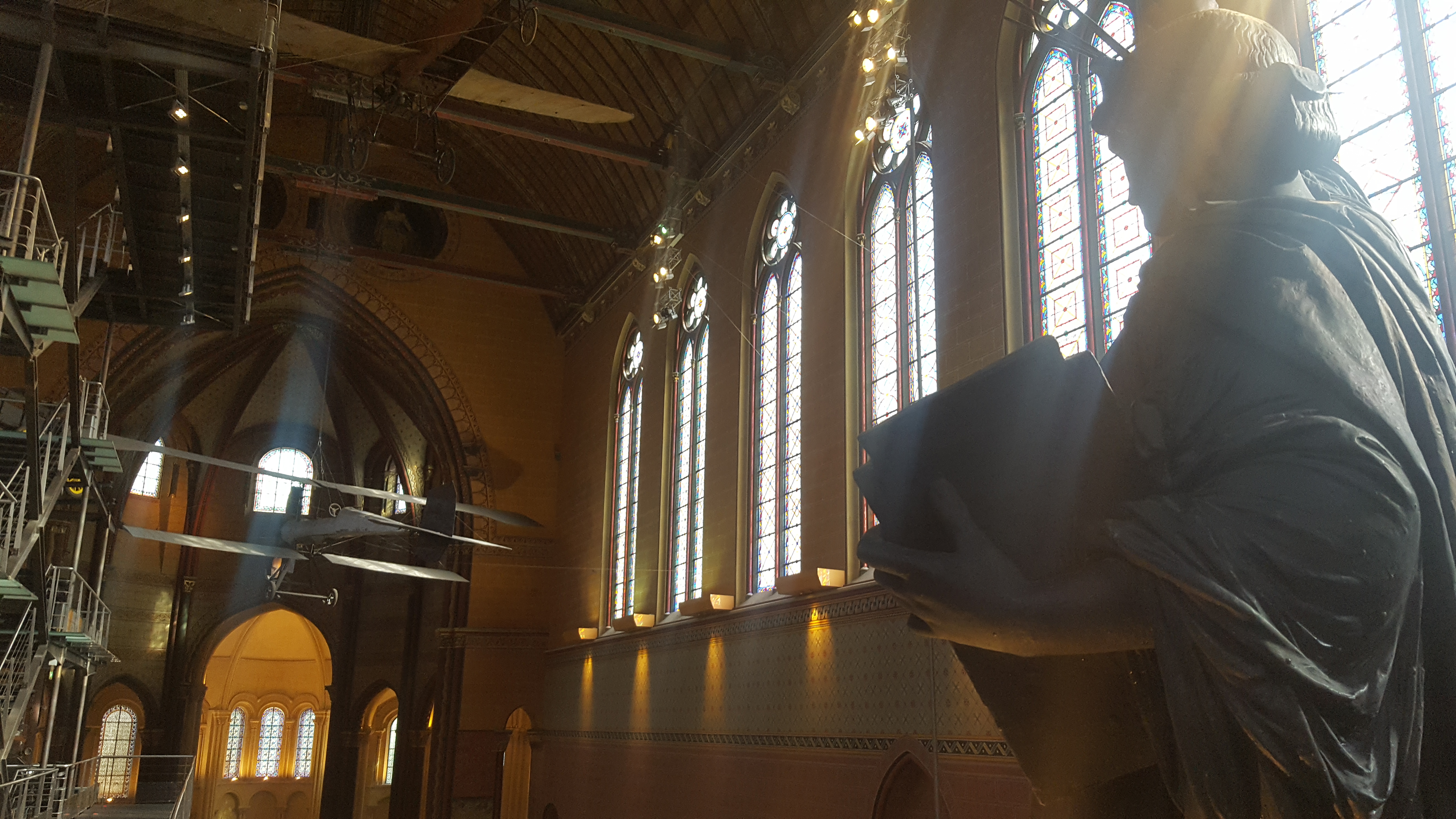
3. The first time I visited the Musée des Arts et Métiers: Paris is full of museums, and every time I delude myself into thinking I have visited them all, or at least all the major ones, a new one springs up like a mushroom right in front of me! My mom and I were wandering around, looking for covered shopping passages, feeling very hip and urban and deservedly European when we stopped for another obligatory kir and pâté at a café right across from this heretofore undiscovered gem. Thus fortified, we entered and enjoyed many scientific curiosities, tools that mom recalled from her engineering training, music boxes, and other fun stuff. Highly recommended!
4. The first time I visited Opéra Garnier: As centrally located as it is, and as much of a Right Bank girl as I am, I have never been inside until that trip. I decided that time has finally come to visit the Phantom’s old stomping grounds. They do tours in English, and we signed up for an evening one, during which you not only explore the opulent stairwells and halls, but get to sit in *his* box. It is exactly as I imagined—a gorgeous, luxurious, sparkling, and absolutely quintessentially French palace. The Phantom was right in demanding only the highest standard of quality for the prima donnas to grace this magnificent stage, and if he had to smash chandeliers to achieve it, more power to him!
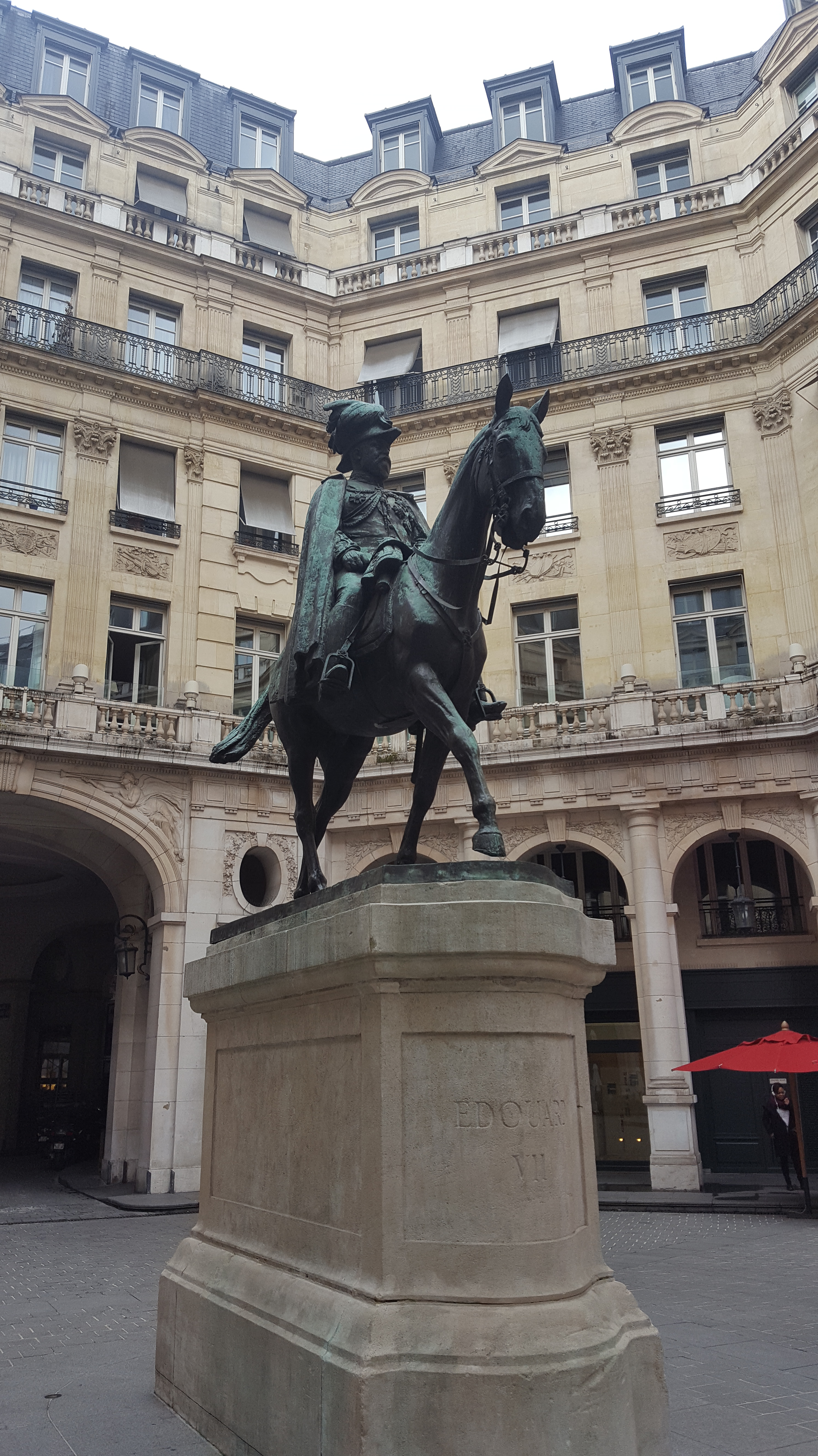
5. The first time I attended Theatre in Paris: No, not theatre in Paris, but Theatre in Paris. During our exploring of the area near Olympia, mom and I wandered into quaint little enclosed square with an imposing equestrian figure of what I, in a moment of unexpected lucidity, perceived to be an English king (well, it is just a parlor trick, isn’t it—his appearance was of a era significantly later than the end of French monarchy). It was, indeed, the visage of Edward II, the “most Parisian of all Kings”, and there was a theatre in the square as well–Théâtre Édouard VII**. My mom, who speaks not a word of French beyond what the general populace does (that is to say, a word of greeting, thanks, and farewell, if that), became immediately excited and said that she wants to see a play just for the experience, the understanding of the dialogue being a bonus she had no right to expect. I dimly recalled some new-ish initiative of subtitling French plays for the English-speaking audience. Thank you, the gods of Internet! Not only did I confirm this, but we ordered tickets to a show, which provides an English language program and makes sure your seats have a good visibility of the subtitles scrolling at the top of the stage. What a great deal! The play we saw was “Somewhere in the Life”, adapted from “Park Your Car in Harvard Yard” by Israel Horovitz. It was quite wonderful, one of those talky, relationship plays with two actors. Maybe because it was a translation and an adaptation from English, I felt that I could understand about 60-70% without subtitles. Or maybe my French is that awesome. Yes, definitely the latter.
6. Honorable mention goes to the first time I ate caviar in Paris—because wherever my mom is, there it is. You can take a woman out of Russia, but…
And this was our Parisian adventure and Second Annual Mother and Daughter trip. If you are mildly curious about the First, as well as subsequent, annual trips—stay tuned!
*PIC – [in this context] Partner in Crime
**“In the early to mid 1900s,under the direction
of Sacha Guitry, the theatre became a symbol of anglo-franco friendship, and
where French people could discover and enjoy Anglo Saxon works”. (courtesy of Wikipedia)
In my fiftieth year, my career came to a screeching
halt, and I started to obsessively contemplate my own mortality. To say that it was a midlife crisis would
only make sense if I expected to live to a hundred. It was more of a half-life crisis—I had spent
half of my life working in my unchosen field, and my wagon, having rolled up a
certain modest hill, had somehow unhitched itself from its flickering faraway
star and started rolling backwards.
A midlife crisis is only interesting if it leads to
something—a new career, a journey of self discovery, an escape from a stifling
relationship. Mine led me to a complete
dead end in terms of a potential new career, a journey backward in time, and a
bleak realization that I am living a life I was never meant to live, yet cannot
recapture the life that was meant for me.
I still haven’t figured out what I wanted to be when I grew up—in my
fiftieth year. I did not need to
discover myself—I knew myself. I just
did not know my place in this weird world.
Through a glass darkly, it looked like I hadachieved something. I arrived at a certain level of executive standing in a corporate field. I hated it. The paradox was that this well-planned life seems to have just happened to me. Oh, sure, I set goals, but did I really—or were they set for me, by my socio-economic background, by my academic and professional accomplishments? Success was snowballing—I never questioned that I had to take the next step up, and up, and up, until I found myself standing at a precipice, realizing that there is no path further up, and wondering how to get down. Because I sure as hell did not want to either plummet, or keep standing on this stupid cliff.
Professional success brought me no joy. It is difficult to enjoy something you never consciously wanted. Sure, the economic indicators were great, but they turned out to be insufficient. I was buying a lot of cool experiences, but as my time on Earth passed the halfway point, I started to resent spending any of it doing things I did not want to do. I discovered that my career is not—gasp!—my life. It is just a job. It is a paycheck. A means to support my “real” life. What did that make me as a professional woman if not a failure? Well, no, it just made me realize that after a quarter of a century of following a certain path, I wanted to follow a different one.
Left to my own devices, I would just read, go to the
theater, and travel. I am afraid I have
realized that my true calling is to be the idle rich. And so I started thinking—well, I was
prompted to thought by some friends much wiser than me—that maybe it is
possible to try to get back to the person that I was meant to be before I
became someone else.
How does one live a purposeful life, in a sense that
one takes every step deliberately and intentionally? How does one capitalize on moments of joy and
multiplies them, and discards moments of unpleasantness and avoids them? How does one successfully battle ennui? And
when something robs one of joy, how does one say, I will not go back there, I
will not do this again? I would like to
learn. It is not too late, even
post-midlife crisis.