All My World Is a Stage

In my pre-plague life, I never had a spare weekend.  I [used to] see a lot of live theater.  Over the past couple of decades, most other hobbies fell by the wayside as this one escalated.

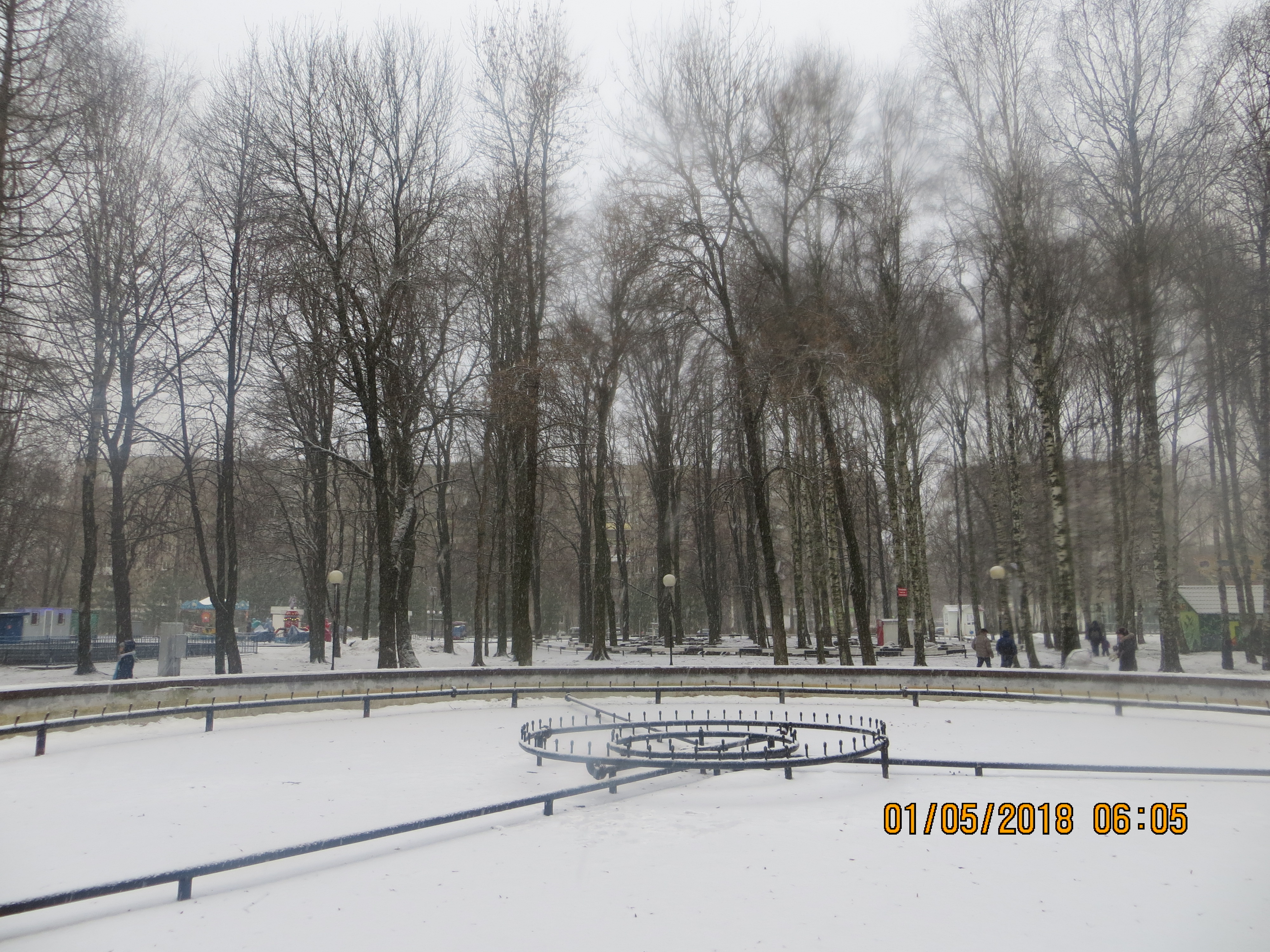
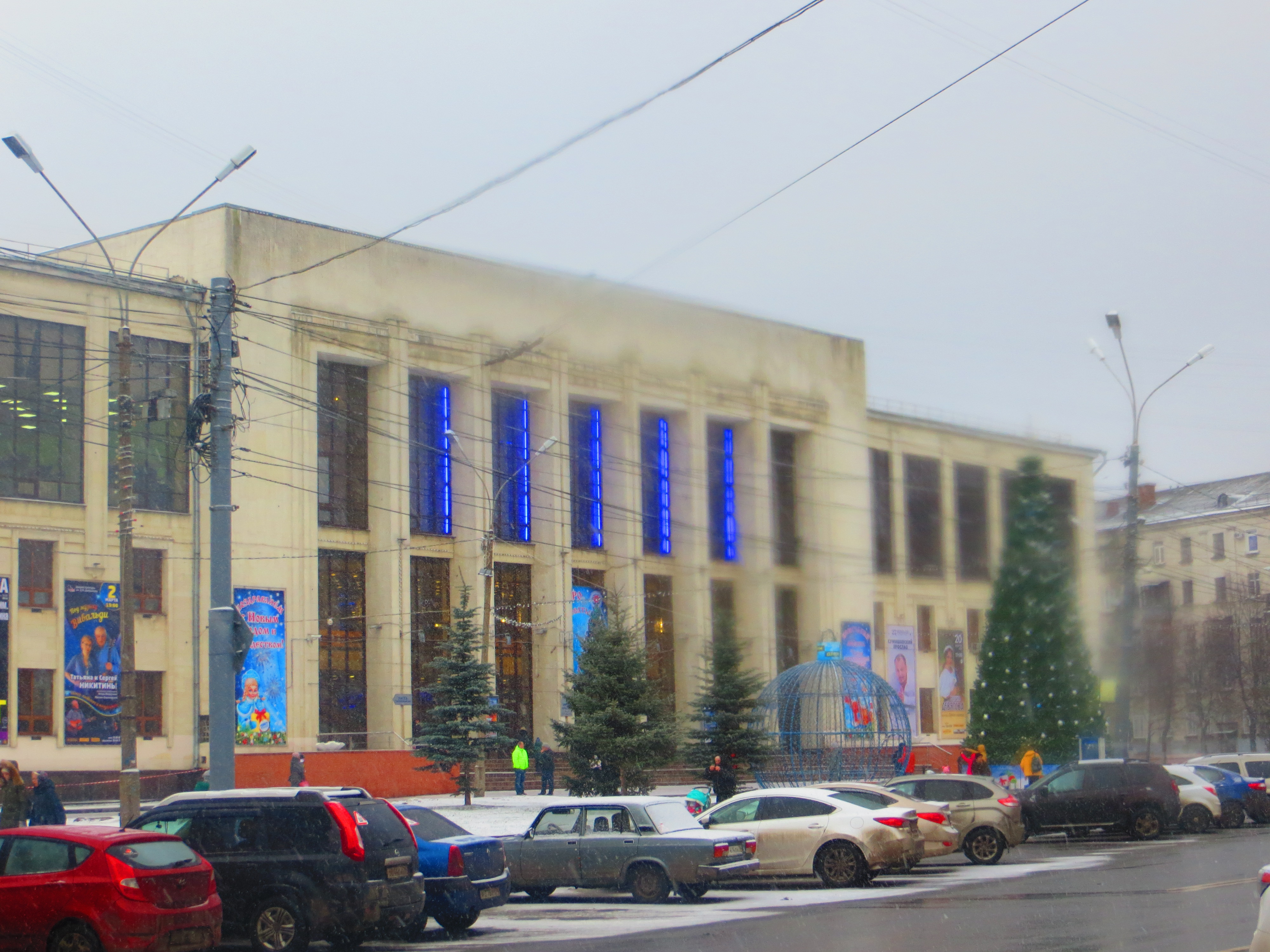
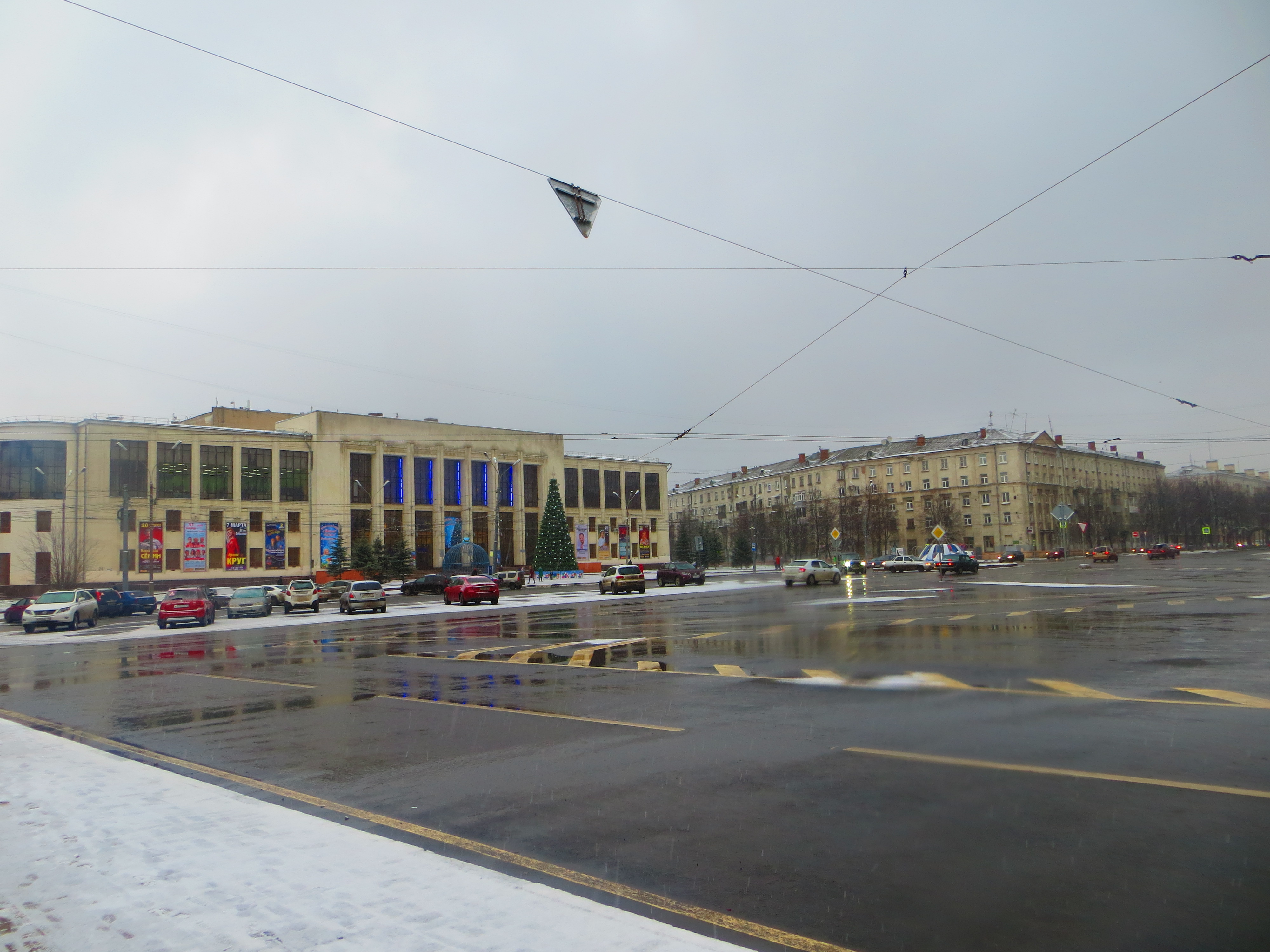
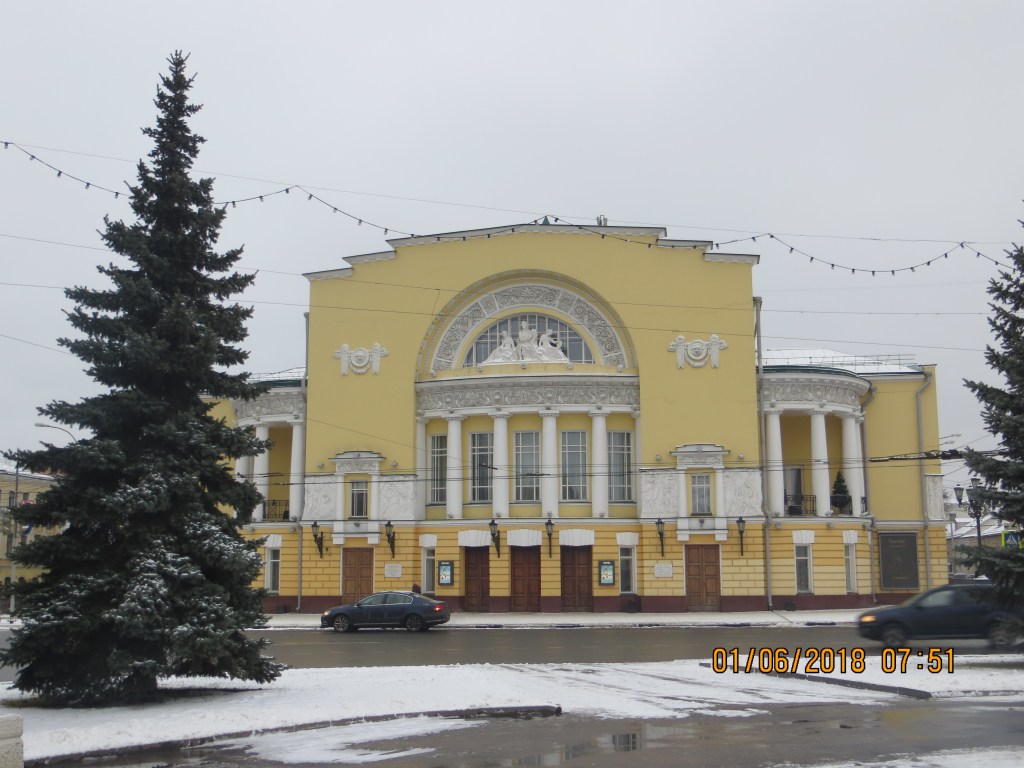
A few people asked me about the origins of this love.  One was Geraint Wyn Davies[1].  He was just being polite and making small talk, but I launched into some inane monologue of sharing a birthplace with the first professional theater in Russia, the Volkov, named after its founder, Fedor Volkov.  This is factually true, but really, in my day the Volkov was a disaster.  It is a gorgeous classical building of pale yellow, with white columns and ornate façade, second in appearance only to the Bolshoi.  Many famous theaters are so nondescript from the outside.  The House that Moliere Built is simply stunning in its unimpressiveness, despite being home to the largest and deepest stage I have ever seen.  But the Volkov is beautiful, and sits in a strategic location, facing the large round Volkov square containing the statue of Fedor Volkov himself (no surprise),

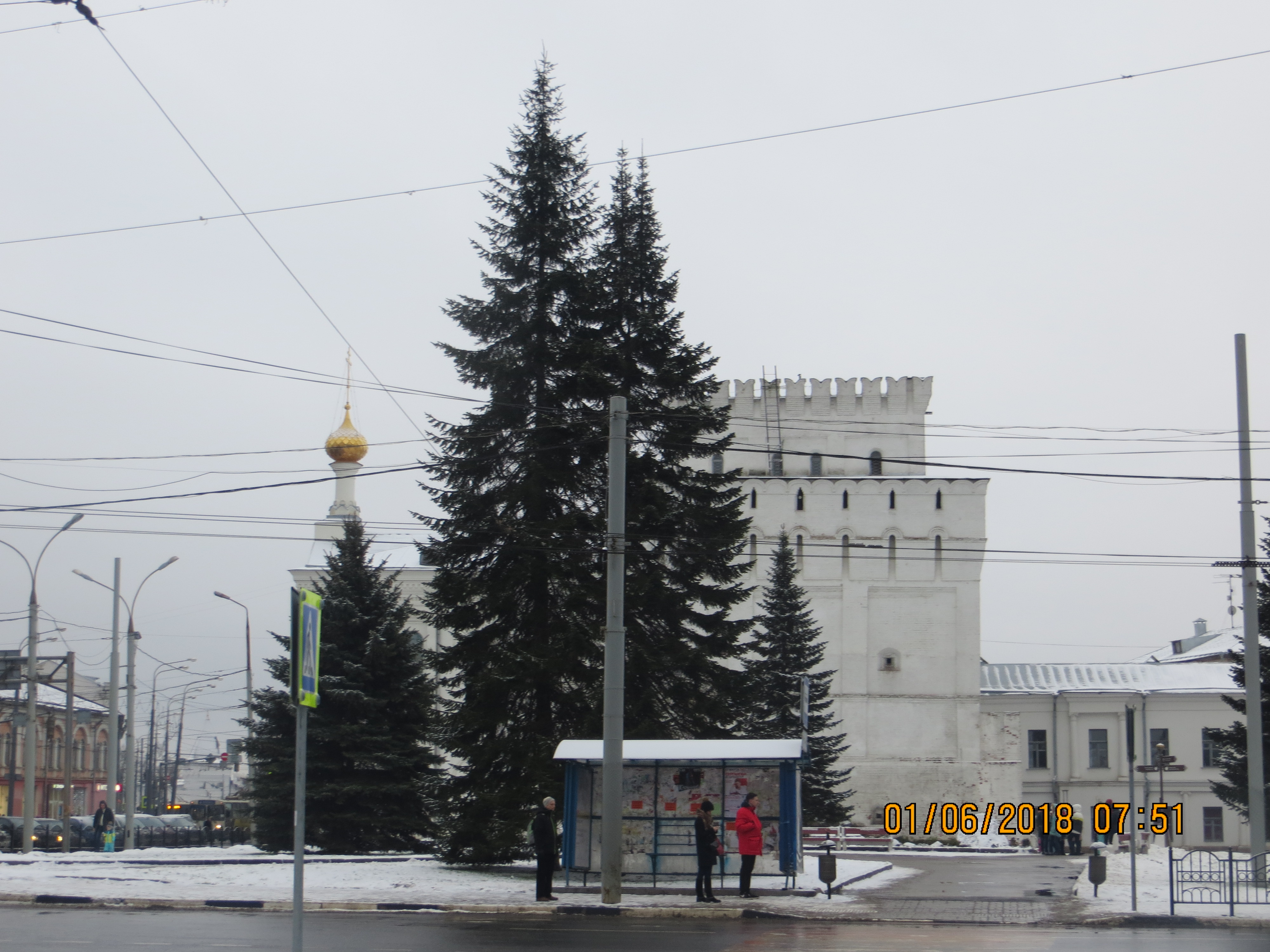
and one of the oldest historic monuments in town, the 17th century Banner (Znamenskaya) Tower.  It is a spectacle—but a spectacle that used to be entirely external. 

Oh, to be sure, it is also magnificent inside—with its marble red-carpeted stairs, frescoed walls, sculpted ceiling, velvet curtains, and a buffet serving delectable pastries.  Unfortunately, what used to happen on stage in the ‘70s was either stale plays by Ostrovsky (in all fairness, I have never seen or read any of them), stock Communist plays (I have certainly never seen those either), Nutcracker (with substandard local or traveling cast), and an occasional Moliere or other permissible Western classic (performed in a standard static declamatory style).  Before the Young Viewer’s Theater was built (after my time), my class would occasionally troop over to the Volkov on a field trip to see a morality play about the Young Pioneers. 

The pastries were always excellent!

Right before we left the Soviet Union forever, my grandmother and I spent a few days in Moscow.  The family friend with whom we stayed knew someone who worked at the Satire Theatre, and managed to get us in to see “Pippi Longstocking”.  If one was to have such luck as to get into the Satire, or really any Moscow theater in those days, one would be hard pressed to find anything less exciting than “Pippi Longstocking”.  Nonetheless, as proverbial beggars cannot be choosers, it was still thrilling.  There were a couple of actors whom I knew from TV, and that was enough.  I still recall one tune from the musical, for that is indeed what it was, and that is no small measure of an impression it made on me almost 40 years ago.  I never heard this tune again except in my head.  Those were the days when memories were made.

In the US, we were astonished to learn, theater tickets were distributed on a sort of first come, first served basis to those who had the means to pay, rather than on a complicated favoritism scale as a part of a behind the scenes black market economy.  That was an incredible concept, although I did not know the actors and did not want to see them.  Whenever my mother and I found ourselves in New York at the same time, she dragged me to Times Square to stand in line for half price tickets.  The first Broadway play I saw was “Foxfire”, with Jessica Tandy, Hume Cronyn[2], and Keith Carradine.  We must have already been living in the US for a bit, because I knew who Keith Carradine was[3].  I understood almost nothing, as my English was so poor and certainly not theater-ready at the time, but I did understand that I was in the presence of greatness.  I held on to the memory and still cherish.  I wish I had kept the program…

We saw a few great shows over the years when I was in high school: several G&S productions https://oldladywriting.com/2020/03/29/it-is-a-glorious-thing/, and an amazing production of “As You Like It” in Jackson before Michigan Shakespeare Festival settled there. https://www.michiganshakespearefestival.com/   It is still the gold standard for that play for me.  Each act was done in a different setting.  The city was all shades of gray and furs and muffs, the forest was all pastels, and the rest I do not remember.  Nonetheless, for what was my first encounter with Shakespeare in the language I was still learning, it certainly left a lasting impression.  But the real theater life started in Fort Worth.
When I was in college and my parents (I use the term loosely when it includes my late stepfather) lived in Fort Worth, they discovered a small regional theater called Stage West. https://stagewest.org/  In a tiny space of about 100 seats, they used to put on a fantastic variety of plays—and still do.  My first exposure was to a dysfunctional comedy at Christmas called “Seasons Greetings”—we still laugh about “Pig number one, pig number two”, although I have never seen it performed since.  From then on, every time I visited my parents, we would go to Stage West.  It was always a delight, with an underlying feeling of uncomfortable incredulity about how a troop of local actors in some shed on a rough dockyard-like street would do a better artistic job than the permanent staff of the oldest professional theater in all of Russia, working in a gorgeous building with delicious pastries.

As an aside, I had the great fortune of revisiting Stage West a few years ago during a work conference in Dallas.  My mother joined me, and we saw Stoppard’s “The Real Thing”.  As a purportedly more sophisticated theater goer after the passage of almost three decades, I was still astonished.  It was a world-class production.  And one of those moments when I said to myself, I am the luckiest girl in the world.  Gosh, I just live for those moments!

And then there came Stratford.  https://www.stratfordfestival.ca/  This is a story that has been told often, and at almost every Stratford social event.  It is just a conversation starter—how long have you been coming, what was your first experience?  In my young married life, theater was not a factor, as we had neither time nor money, and never both at the same time.  One fine day in 1996, my college friend suggested a girlfriends’ day to see a play.  So the three of us drove three hours, arrived on a rain-soaked Saturday in August, ate some weird concoction prepared by one of us (not me!) for lunch in the car, and entered the Festival Theatre to behold the great William Hutt as King Lear.  It was unquestionably one of the defining moments of my life. I wish I had kept the program…

Initially it was an annual trip.  Initially it was just Shakespeare.  Then we added other shows that sounded interesting, and once a season became not enough.  Then some years later my friend lost interest and was replaced by my spouse.  Then my kids started coming, and several other friends came along, and I even went by myself once when I could not sell anyone on “Fuenteovejuna”[4].

Along the way, I started to go to the theater everywhere I have traveled for work or leisure, and then planning trips with seeing plays as the goal.  It became my identity— “I go to the theater”.  It is what I do and who I am.  For the time being, I do not and I am not.  It feels like an intermission of my life.  With theaters closed for the foreseeable future, I no longer know who I am and what to do with my after-work life.  As I see it, I have two options:  (1) reinvent and find some new interests, or (2) hunker down with my memories and wait it out.  Or maybe both?  Stay tuned…

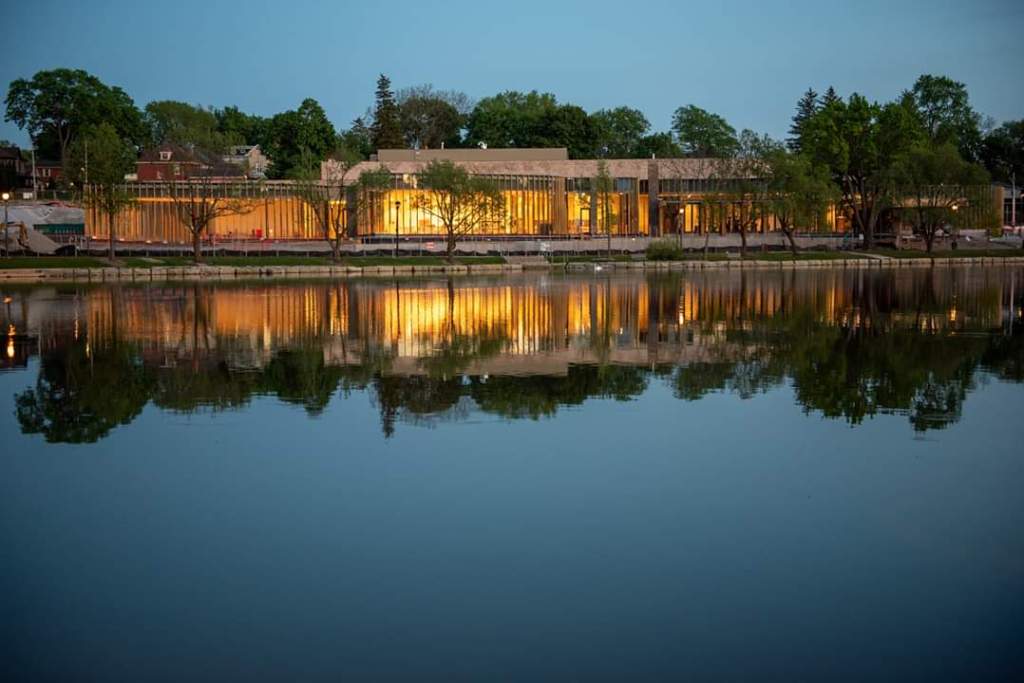
The new Tom Patterson theater–as of this writing, it has not yet opened…

[1] I am just name dropping here. J

[2] Is it a coincidence that Hume Cronyn is Canadian?  I think not.

[3] I saw Keith Carradine on a BroadwayCon panel a few years ago, and he actually mentioned “Foxfire” with fondness.  What a full circle!

[4] Anyone who has not seen this Stratford production should be living with regrets.  I am just saying.

Team Phantom

***Warning this post contains plot spoilers.  I do not want to discourage anyone from reading anything I write, but here it is: I will be divulging the plot of “Love Never Dies” below.  To my three loyal readers—I think you already know this, so please read on!

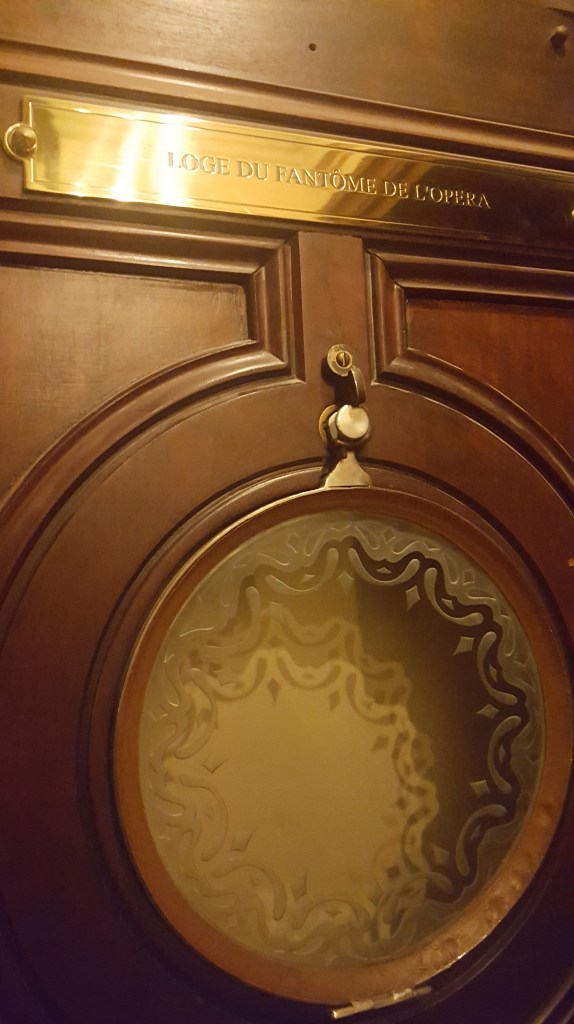
Last Saturday I woke up to the words “The Phantom of the Opera is here!” thundering through my house.  Being the musical lover that I am, I rolled out of bed, quite literally, and stumbled downstairs toward the source.  Spouse was watching the Sir Andrew Lloyd Webber YouTube channel, The Shows Must Go On.

When I moved to New York City, “Phantom” was the hottest ticket in town.  It was not even new by then, but the wait for tickets was two years.  Two years, “Hamilton” fans!  In those pre-internet days, I literally had to call the box office and be told that I can get on the wait list.  I planned to be in NYC for three years, but I was also 21.  Needless to say, I never got on a wait list, and never saw “Phantom” on Broadway.  Instead, I continued to listen to the tape.  I loved the soundtrack, and still do.  

However, something always bothered me about “Phantom”.  Plot is important to me (unless we are talking about “G&S” (https://oldladywriting.com/2020/03/29/it-is-a-glorious-thing/).  The fact that Christine ends up with Raoul always seemed like a copout. Raoul is not that special, but he is handsome, and beautiful girls end up with handsome men and not with disfigured cavern dwellers.  I realize that that’s the original story, but I also think that Sir Andrew can do whatever he wants to do.  And guess what?  A quarter of a century later, he did.  “Love Never Dies” is a vindication of Team Phantom.

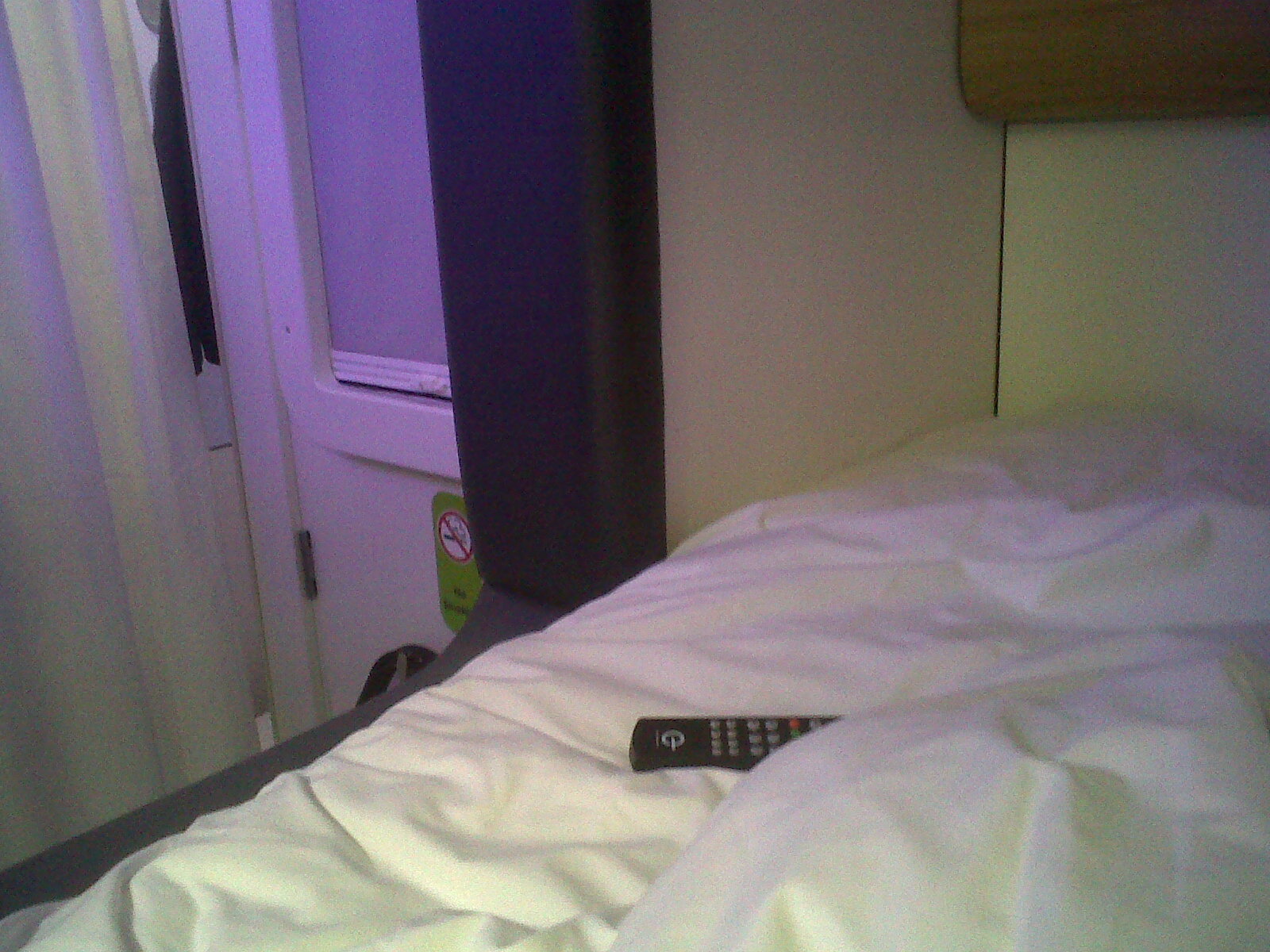
Seeing “Love Never Dies” was one of those unexpected transformative experiences that only live theater can give.  We found ourselves in London for a night’s layover, and my only goal was to sleep in a pod.  That was, by the way, absolutely terrible.  You might think it would be cute to sleep in a box where you cannot even comfortably turn, as I did before I experienced this nonsense, but trust me—it is the worst. But I digress.

We had a few evening hours in London, so of course ran to Leicester Square to buy show tickets.  “Love Never Dies”, the sequel to “Phantom”, seemed interesting.  Little did we know, it was selling terribly and was already set to close.  I am still sad about it.  This is not only one of the most beautiful stories and musical works I have seen (“Beneath the Moonless Sky” and “Devil Takes the Hindmost” quartet are alone worth the price of admission), but it has also finally reconciled me to “Phantom” by redeeming (and ultimately martyring—and what can be more redeeming than that?)  the seemingly superficial Christine.

Once I saw “Love Never Dies”, I have not been able to view “Phantom” the same way.  Once you know that Raoul will end up a drunk and a gambler and a total anchor for Christine, their whole courtship in “Phantom” looks doomed.  I kept wanting to tell Christine to just ditch him and stay with Phantom.   

When I saw “Beneath a Moonless Sky” live on stage, it was so unexpected and so heartbreaking.  Christine sang, “I loved you, I’d have followed anywhere you led”, and I just saw her in a completely different light, a woman beaten but unconquered by a bad marriage, full of regrets over a lost love, a woman who was prepared to follow her heart but who was given no choice in the matter and tried to do her best.  And Angel of Music returns too late, because life is complicated…

I understand that a lot of the fans of the original story hated the fact that Christine dies in “Love”.  But I think that no other solution would have worked.  No one would have believed if she and Phantom stayed together and lived happily ever after, and no one would have believed if she stayed with that wastrel Raoul.  Sorry, but she basically had to die—which makes the entire two-parter a great and tragic love story and ultimately elevates the original “Phantom”[*].

Now a word about the failed London production versus the revised Australian one, which was more successful.  If you see “Love Never Dies” on official video, you will see the latter one—and I am sorry.  Aside from the fact that I saw Ramin Karimloo as Phantom and Sierra Boggess in it, the West End version is superior in several subtle but key ways.  First, the set is better—one of those rare instances where computer generated set works (and anyone who knows me knows that I do not love CGI on stage).  The lights of Coney Island in Adelphi Theater were unforgettable!  The entire show is just darker and more mysterious, which is absolutely what it needs to be.

Second, starting the show with Madame Giry and the Phantasma freaks reminiscing is much more intriguing and evocative of the start of “Phantom” (“The Coney Island Waltz/That’s the Place That You Ruined, You Fool!”), while starting the show with Phantom singing “Till I Hear You Sing” [Once More] is just too much foreshadowing.  I am a firm believer that you just do not need to see Phantom in his mask until a few numbers in.  You know he is coming, unless you have never seen or heard of him.  In which case, you are in for an even bigger treat!


[*] Honorary mention goes to the amazing music box monkey that steals the show, according to my youngest son.

It Is a Glorious Thing

If you do not know that “Chariots of Fire” is my favorite movie, you do not know me.   https://oldladywriting.com/2019/06/04/run-your-own-race/ Once I saw it, I became obsessed with everything mentioned in the film, such as

  • Watching PBS, in the hopes of running into any of the actors who appeared in “Chariots”.  This was before BBC America, friends!
  • Watching the Olympics.  OK, I loved the Olympics since Moscow ’80.  “Chariots” didn’t do it singlehandedly, but still.
  • Wanting to go to England.  We had no resources to do that for a very long time.  Eventually I went to London for spring break of my senior year in college.  With my grandmother.  I repeat—with my grandmother.  If you do not know how fraught our relationship is, you do not know me.  But there is a happy end to this particular story—I have visited London many times since then, sans Grandma, and each trip has been an improvement.
  • Wanting to take “Sybil” for my middle name.  Sybil is NOT my middle name, because by the time I could acquire one, I had fallen in love with The Monkees.
  • Wanting to see all the Gilbert and Sullivan operettas.
  • Wanting to have “Jerusalem” sung at my funeral.  I am saving this one for last.  Literally and obviously.

So, one of the many unexpectedly wonderful benefits of this great film is that it introduced me to the world of Gilbert and Sullivan.  And unlike my belated foray into running, this was instant.  In the movie, Harold Abrahams joins Cambridge’s Gilbert and Sullivan society.  Apparently, this is factual.  So snippets of the operettas are part of the soundrack—it is not all Vangelis.  I must confess, although of course—of course!—I bought the record, I am not a huge Vangelis fan.  I am generally not a fan of instrumental music.  Not going to classical music concerts is one of my small rebellions against my upbringing.  But I love musical theater.  I need words and a plot.
Over the past 40 years, I have only seen four of their operettas—the three BIG ones, and “Ruddigore”.[1]  It started with “HMS Pinafore”.  My high school, during a woefully depressed year when our millage did not pass, the school day was cut to five hours, and buses were cancelled (a disaster in rural Midwest), put “Pinafore” on in the choir room.  The set was minimal, if any, but the costumes were great, because all guys were dressed like sailors.  I recognized “He is an Englishman” from “Chariots of Fire” and was pretty excited.  I was also amazed at the vocal and acting talents of my peers.  The fact that I was generally unfazed by the immense inanity of the plot is a commentary on how limited my command of the English language was at the time. 


Literally no idea what’s going on

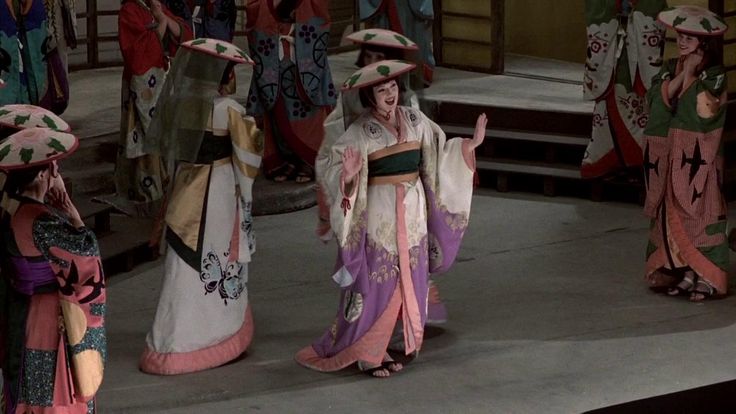
In short succession, my mother and I managed to see professional touring productions of “The Pirates of Penzance” and “The Mikado”.  I had high hopes for the latter because of its special part in “Chariots”—but either my English regressed or the plot is even more bizarre than that of “Pinafore”, because I did not understand it.  I have never seen it again. 

Not necessary

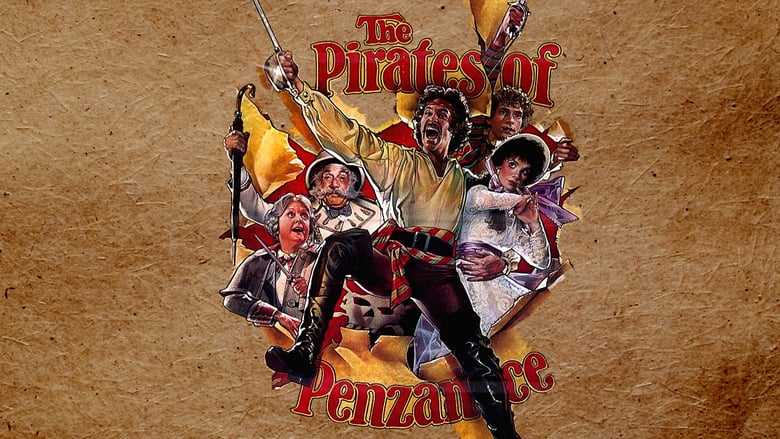
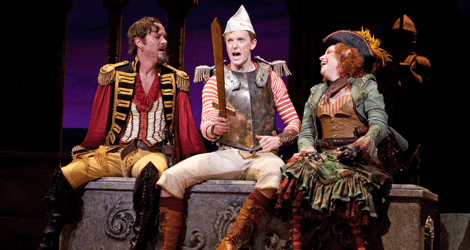
“Pirates”, however, was great!  “Pirates” is (or should it be “are”?) great!  The production we saw in Detroit in the early ‘80s was perfect.  I remember nothing about it except the lead.[2]   I think “Pirates” stands wonderfully well on its own merits.  It is a fun, light, colorful bit of cheery entertainment.  I am generally very open and even eager to see variations on the classical traditions—with certain exceptions.  Directors, please, do not mess with “Pirates”!

“The Pirates of Penzance” also happens to be my husband’s favorite musical.  Strangely, he does not care about the rest of the G&S body of work.  He just loves “Pirates”.  Specifically, he is obsessed with the Major General character. Even more narrowly, the “Modern Major General” song, and how quickly the actor can do it.  Fast-talking Major General equals great “Pirates”.  The Major General who is not fast enough just ruins everything for spouse. 

He also claims that he saw that touring production in Detroit and remembers the young blond lead.  To think that we could have met a decade before we did, at a Gilbert and Sullivan show!  It would have led nowhere, for a whole host of reasons, but it is kind of romantic to think that we might have been at the same theater event.  Happy World Theatre Day! 


[1] This is kind of shameful.  I know I had many other opportunities.  Once the plague is over, I should focus more on G&S…

[2] The actor who played Frederick in the touring production of “The Pirates of Penzance” subsequently returned as the lead in “Joseph and the Amazing Technicolor Dreamcoat”.  I like to pretend that I saw Andy Gibb in “Joseph”, but I did not. I saw this guy.  I wish I knew who he was, because he was great.  If anyone knows—please tell me.  This was before I started keeping show programs, unfortunately.

Pont du Gard and the Plague

In my adult life, I developed a fear of the plague.  I blame two fictional sources for this:

  • The film “Horseman on the Roof”.  Apparently it is based on a novel, which I have not read, and is set during the 1832 cholera epidemic in Provence.  Something must have gotten lost in translation and/or in my memory, as the latter is absolutely convinced that the story is about The Plague.  In all fairness, cholera is pretty nasty, too.  The film was made in 1995, and I would have seen it on video some few years later, so I have been frightened for 20+ years now. 
  • The book “Year of Wonders” by Geraldine Brooks. I read it in 2004, and have been *legitimately* frightened for almost 16 years.  It actually is about the plague, though the one from the 1600s, not the Black Death of the 14th century.  Which just goes to show that whatever century or whatever contagion, they are all awful[1]

Until literally three days ago, I assumed that the fear of the plague was the same as some of my other phobias, such as the irrational dread of large statues. (Yes, the Statue of Liberty is pretty much my worst nightmare.  I choose not to read too much into that…)  Turns out, the plague is back. 

Actual toilet paper purchased by me in France for no other reason that it was needed at the time. ‘What an auspicious purchase!

I am not making light of it.  Like everyone else, I am trying to adjust to the ever-changing environment in which the toilet paper is scarce like it was back in the USSR, borders are closing (like they were back in the USSR), and no one trusts the government as a source of correct information (I think I see a pattern…) Unlike many other folks, I spent the last week in France, and gained some unexpected perspective.  Spoiler alert:  I think that cancer or work-stress-induced-heart-attack are still my more realistic foes in this lifetime.

I had three modest goals for this past week in the South of France:

  1. To see the newest D’Artagnan statues.  Until the last decade, there were three in the world; now there are five.  If I had to drive for several hours to a couple of French villages to complete this quest, well, I did.  Of course I did.
  2. To see the Palace of the Popes in Avignon, and hopefully locate the mural of Gerard Philippe nearby.  Done.undefined
  3. To stop by my old stomping grounds in Nîmes.  This did not happen.  We woke up on the day for which we scheduled this visit to the announcement that the US borders were closing the next day.  Supposedly US citizens would still be allowed to enter the country, but tell this to someone with a different family history.  This refugee rallied, got on a train from Perpignan to Paris, and flew out of Paris as soon as Delta would let her on a plane.  Home is where the dogs are.  And a paycheck.

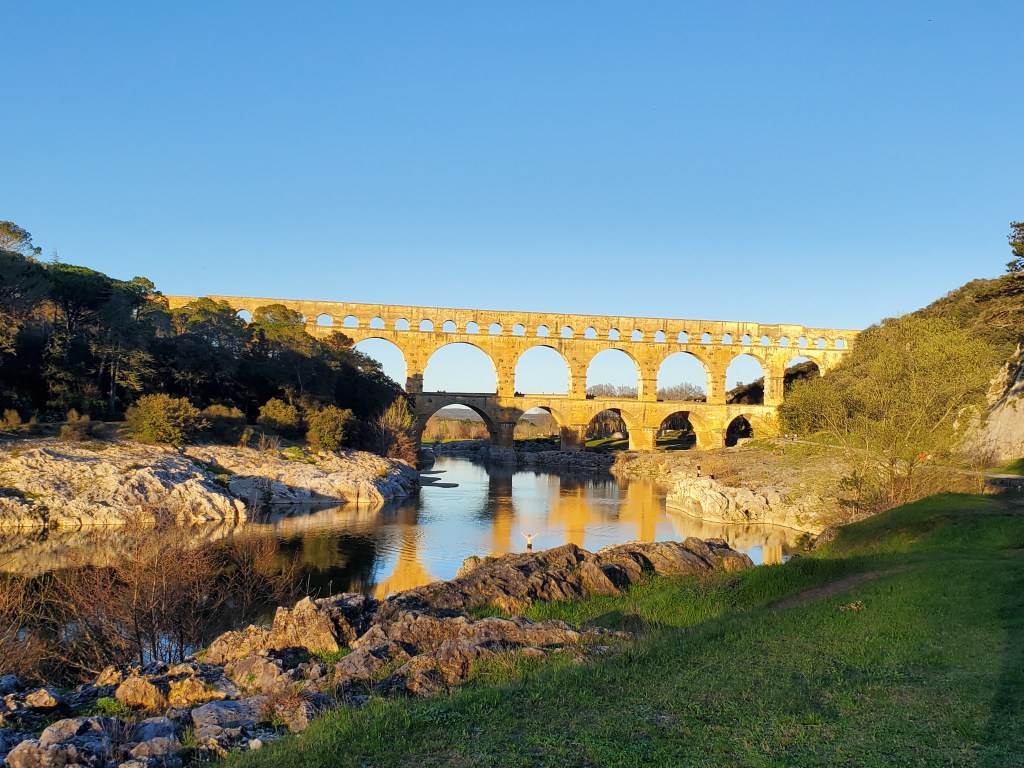
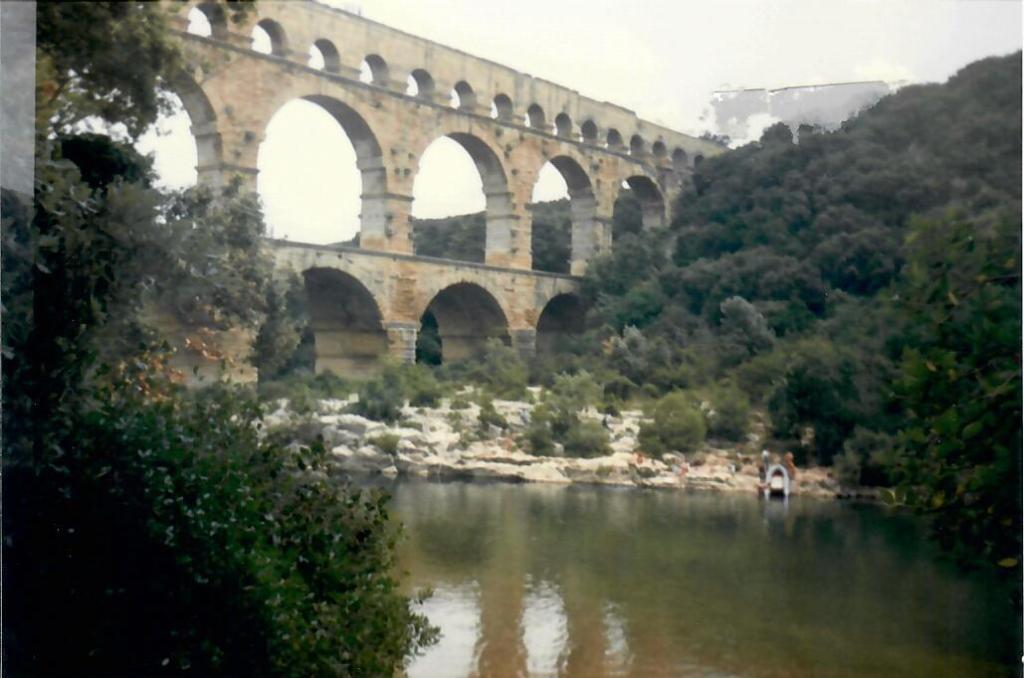
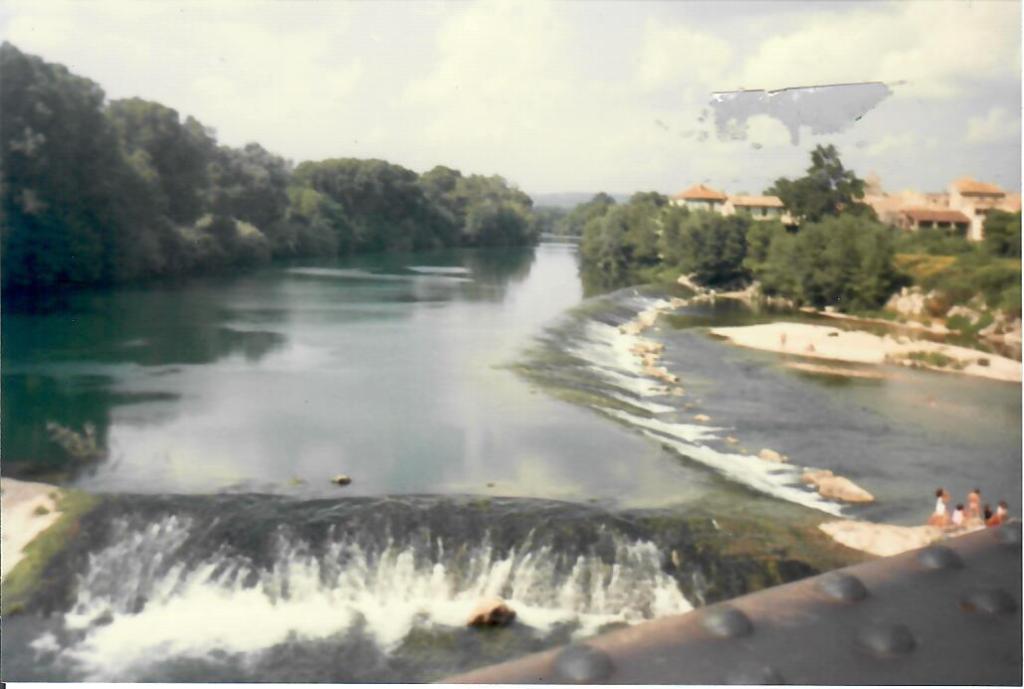
The last official day of vacation, on the way back from Avignon to our timeshare, we stopped at Pont du Gard.  I did not intend to stop there, because I had the most vivid memory of my previous visit there. Yes, it was during “that summer that I spent studying in France” https://oldladywriting.com/2019/06/09/when-did-the-arc-de-triomphe-start-leaning/.  It was such a good day!  I mean, I acutely remember it as a *Good Day*.  It was June of ’88[2], the sun was shining, and I was surrounded by friends.  Our summer program included an art class, so some were drawing the bridge.  I took two photos, which in the day of pre-digital cameras was the rough equivalent of the 19 I took this second time.

Pont du Gard then

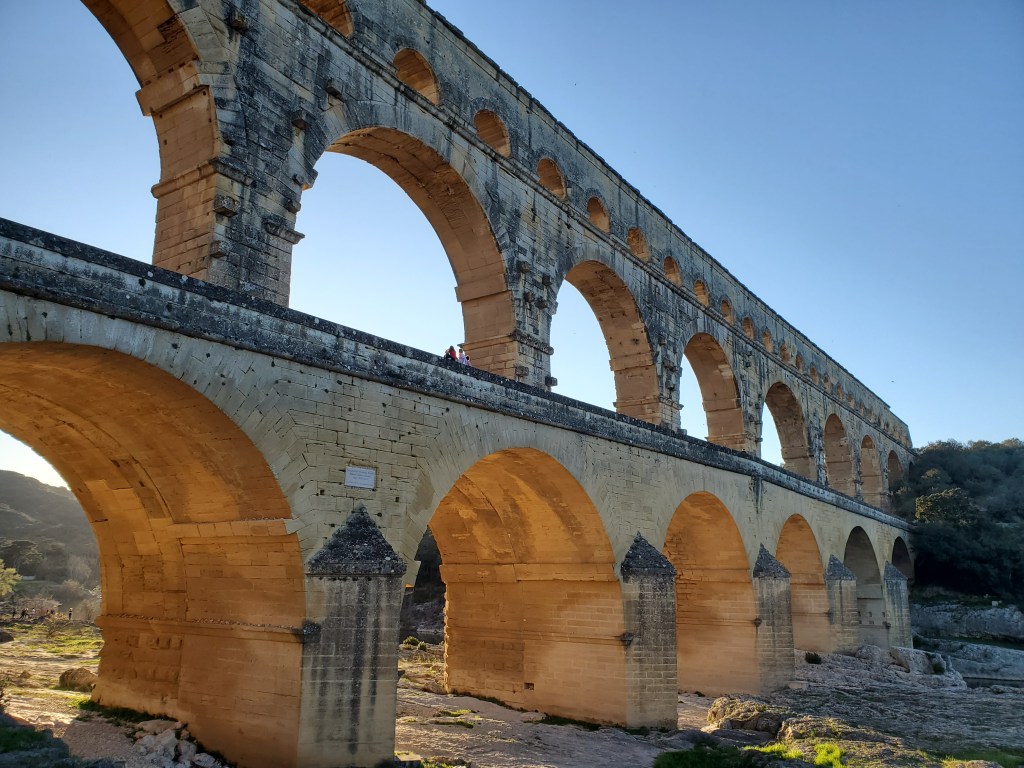
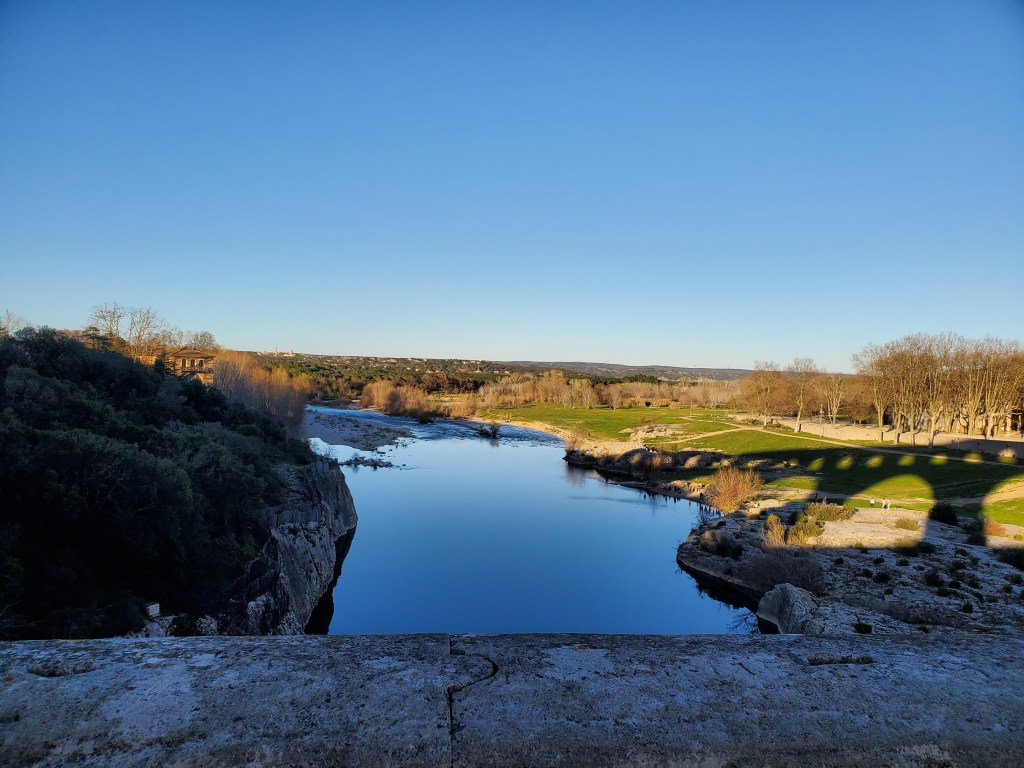
We went to Pont du Gard this past week because it was on the way, and we had time.  We waffled a little, because it costs $10+ per person to get into the surrounding area.  But if I have learned anything in this life it is that you cannot put a price on regret.  So we paid and started walking.  And there it was, standing since shortly after the death of Christ, towering through millennia over The Plague, my friends and me, my spouse and me, impassively watching people come and go, sun shining, river flowing, and the aqueduct still standing.

Pont du Gard now

It has been almost 32 years.  I have lost touch with all but three of the people in that group.  Yet on the last day of my “Feast During the Plague”, I felt surrounded by their ghosts.  I have never missed KIES Group ’88[3] as much as I did during that time and in that place! 

So, the ghosts of my friends from 1988.  The majestic mass of that huge ancient Roman aqueduct from the first century A.D.  Spouse and I, having a *Good Day*.  And I kept thinking, I’ve had an interesting life.  I was fortunate enough to see and be seen at this site twice in the past two centuries.  And I am still in touch with three of the people who shared that incredible summer with me, and share the memories of that day.  If the plague gets me, I have lived[4].  If the plague gets me, the bridge still stands.  Lalalalala….life goes on!  And that is how Pont du Gard helped me to deal with my fear of the plague. 


[1] Unrelated to this topic, I love Geraldine Brooks’ books except one.  I cannot recommend “The Secret Chord”.  It is shockingly violent.  I would rather read about the plague of any kind.  As of this writing, she has five novels out.  Read four of them in this order: “Year of Wonders”, “People of the Book”, “Caleb’s Crossing”, “March”. 

[2] June 28, 1988, to be precise. I know this, because I had to keep a diary in French for class.  Apparently I did not swim, because I felt fat in a bathing suit.  But it was still a great day!

[3] KIES—Kentucky Institute for European Studies.  Now it’s the Kentucky Institute for International Studies or KIIS (pronounced like “keys”), a consortium of public and private Kentucky colleges and universities which administers a variety of international studies programs in Central America, Europe, South America, and China. It was founded by Murray State University in 1975.  Back then, it was just Europe.  And it was incredible.  That summer changed my life, and unlike many other life-changing events, it changed it for the *better*! 

[4] But I am still betting on cancer or death-by-stressful-job.  Not morbid, just realistic.

Liechtenstein

That summer that I spent studying in France , https://oldladywriting.com/2019/06/09/when-did-the-arc-de-triomphe-start-leaning/ I decided to visit every country in Europe.  The Eurail Pass made it seem like an actual possibility, if not a likelihood.  So how did I do it?  Well, I did not, because a couple of caveats were built into this very vague plan, including:

  • British
    Isles did not count, because the Eurail Pass did not include them
  • Soviet
    Bloc did not count, for obvious reasons (it was the ‘80s, friends)
  • Germany
    and Austria did not count, also for obvious reasons

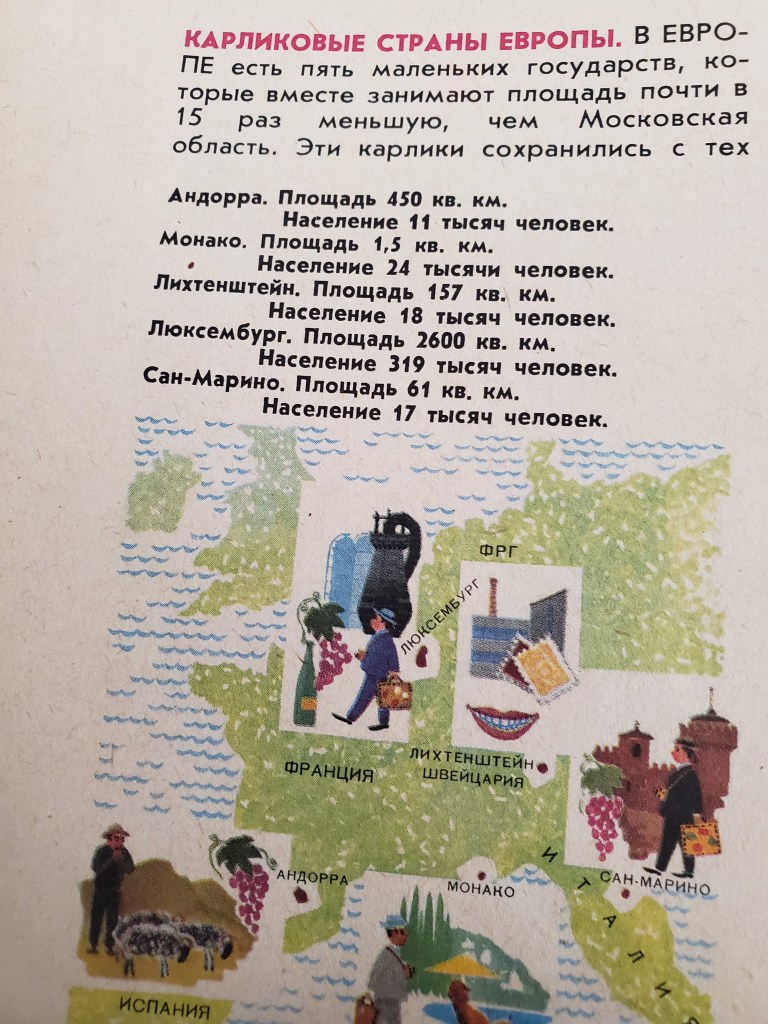
What did count were the “dwarf states”[1].  I first read about them in my beloved childhood encyclopedia, “What Is This, Who Is That?”  My mom bought it the year I was born, so as of this writing, pretty much all the information in it that does not pertain to fish or ancient history is outdated.  Even the fact that Malta is not included in the article on microstates is pretty telling—it was still part of the United Kingdom.  Yes, I date back to Malta’s pre-independence days!  Plus, it was published in the USSR, so literally, all the post-Renaissance history articles are pretty skewed. 

Liechtenstein is the one with the stamps and teeth. There is a stamp museum there, which we did not visit. I am not sure about the teeth. Unless they are just signifying a welcoming smile?

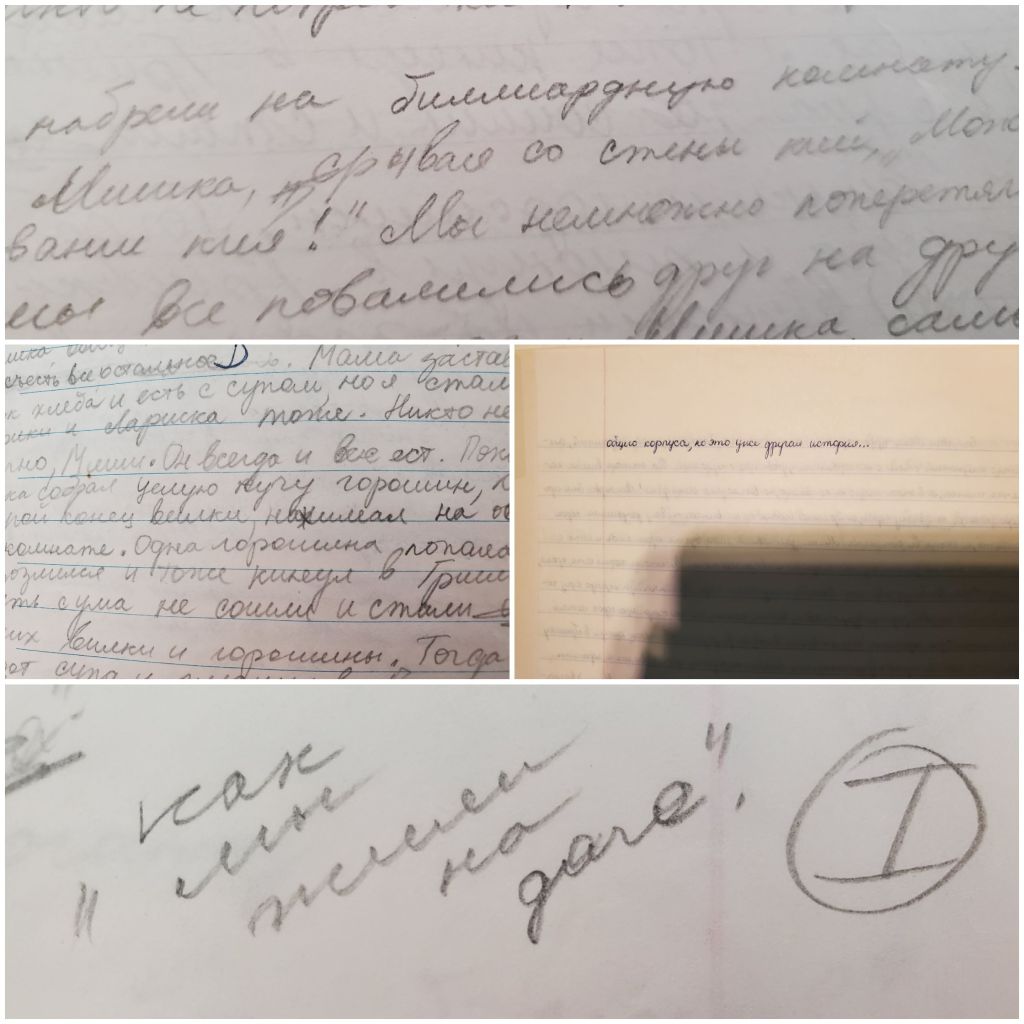
The original article listed, as anyone who can read Russian can plainly see on the attached, but I will translate for the rest, Andorra, Monaco, Liechtenstein, Luxembourg, and San-Marino.  Currently in Wikipedia, we currently also have Malta and Vatican, but not Luxembourg.  What happened to Luxembourg?  I suppose since it is bigger by area and population than all the others combined, by all means let’s exclude it.  I *have* been there, and survived a traumatic experience of being [almost] attacked by a knife-wielding maniac at a cemetery—but that is another story for another time! (I might be saving it for my memoirs)  And as for Vatican, it goes without saying that the Soviet version would make no mention of it under any circumstances, because “religion is an opiate of the people” (Karl Marx said this, not I).

And so, during that summer, I already had Vatican under my belt, having lived as a refugee in and around Rome some years before then, and then proceeded to have that encounter in Luxembourg[2].  In the past decade, I travelled to Malta (which is literally the most perfect place in terms of weather, history, food, ease of getting around, and the fact that all the signs are in English even if no one actually speaks it), and Monaco (which is also cool in many ways but is the opposite of easy to get around.  I mean, when there are elevators to get you from one street to another—take them!  Do not, I repeat, do not brave the stairs!)  I still have not been to Andorra or San-Marino, and frankly, they are a bit off the radar for me.  Someday—but not today, as I say. 

So when I planned the vacation to Munich for Oktoberfest this year[3], I noted how close Liechtenstein is.  Driving there was one of my motivating factors for renting a car, because I already learned from that European summer that the train does not stop in Liechtenstein.  It literally does not have an international train station!

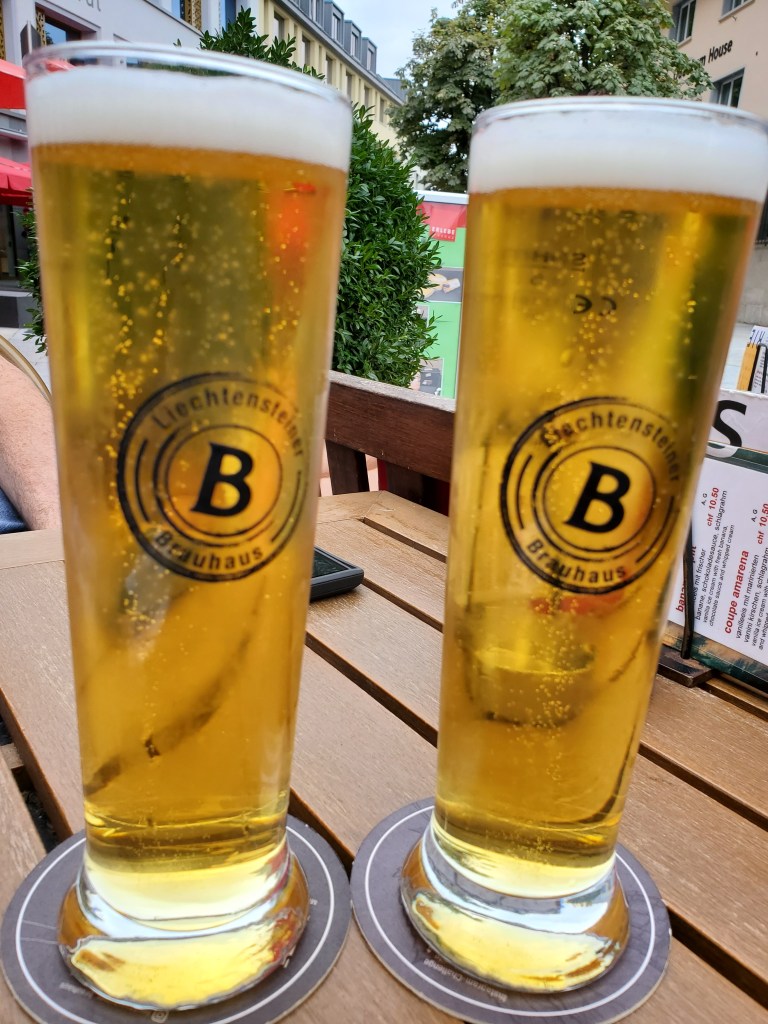
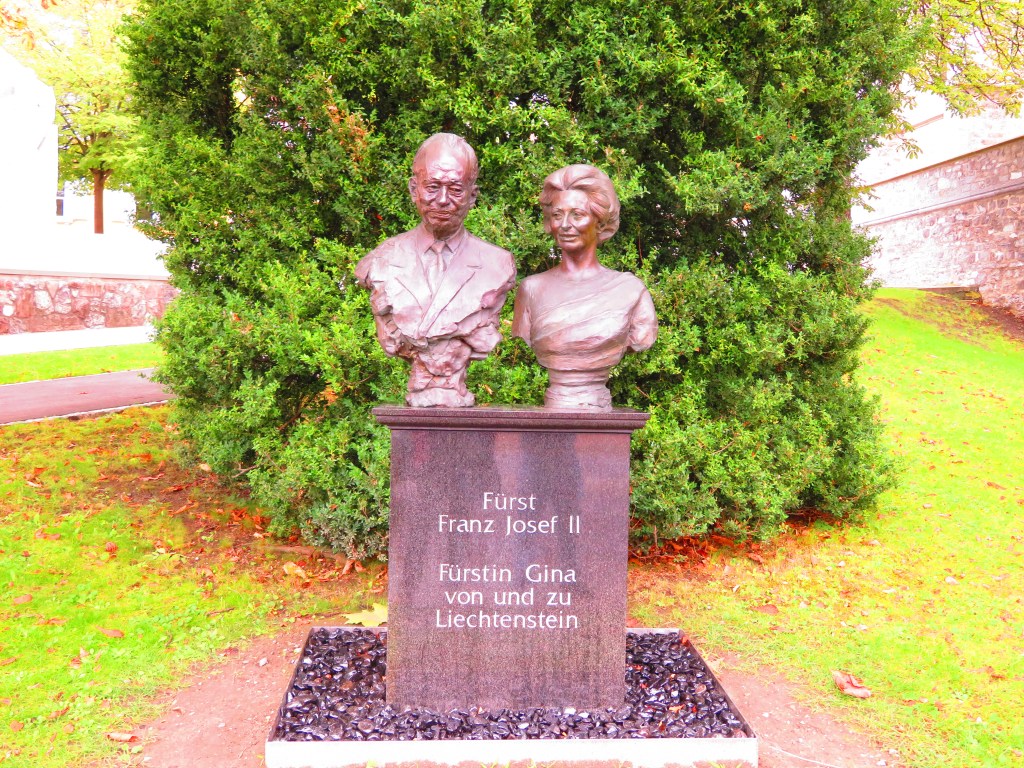
I could not find a tour book on Liechtenstein, so spouse and I decided to improvise.  We pretty much just drove into the country and looked for parking.  Everything is right there: a beautiful cathedral, an interesting history museum, and a town square with souvenir shops and cafes.  There is also a medieval castle within a short drive—it is apparently in a different town from the capital, Vaduz, which is basically one street over[4].  The views are breathtaking, since Liechtenstein is ¾ Alps.  The beer is not bad, though not as good as three countries over in Germany.

In short, I would highly recommend a visit to Liechtenstein, if you happen to be in the Alpine neighborhood, and like picturesque towns.  Do I feel like I visited a different country?  Well, not necessarily, but I do have another flag to prove that I did[5]!


[1] I apologize for the use of the term “dwarf” to anyone who might be offended by it.  This is, again, a direct translation from the Russian language, as again can be seen from the attached illustration.

[2] Faux-dwarf!

[3] I travel to Germany now.  My, how the world has changed!…

[4] I did not realize it was a different town until I looked it up just now.

[5] Fun fact—I collect flags from the countries I visit.  Soviet Union and Russia merit their own separate flags, as does the Republic of Texas.

Sorrow Floats

My former business partner used to say this—“August is a heavy month”.  His father died in August, and he was not able to make it to the funeral.  August also used to be a slow month in our practice, during which we usually made less money than we wanted (and often needed), so it was logically explained away by this “heaviness”.

Other than those five crazy years with him, during which we had a saying, if not an actual solution, for every eventuality, I am not sure I noticed a particular problem with August.  I got married in August—not because of any particular significance, but simply because a hall was available, and friends who introduced me to my husband also got married in August, in the early part of the month, and returned from their honeymoon in the later part of it.  And so there is something to celebrate during this heavy month—as of this writing, I am still married to my first husband.

Translated from the original Russian, though, the word can mean anything from the physical or emotional heaviness to heaviness of sorrow, pain, grief.  August is a sorrowful month.  I am not sure if there are any statistics on what month is the deadliest.  I am not sure I want to know.  If I just search my memory, the only person I can think of who died in August is Joe Dassin, the beautiful French singer of my childhood.  He was 41 in the August of 1980.  Fun fact: when I was in labor with my second child, I, for reasons passing understanding, needed to listen to Joe Dassin’s song “À toi”.[1]  We brought the CD to the hospital, and my husband had to continuously replay it.  Joe’s voice—and that specific song, no other, not “Les Champs-Élysées”, not “Siffler sur la colline”, not “Et si tu n’existais pas”—soothed labor pains. True story![2]

But this past August has been a tough one.  I am glad to see the backside of it.  I suffered three losses, two actual deaths and an emptying of my nest—neither of which I have been able to process yet; a couple of physical injuries—I am going to lose that nail after all ( the real one), plus a fall that can only be called good because there is only a flesh wound, but still, I missed a couple of weeks of running at the height of training season; and of course, there is that ever present, ever looming, ever unendurable—work stress.

Another phrase difficult to translate from Russian is one my mother used to describe this state of being.  It is literally translated as “loss of strength”.  I used Google translate, and it came up as “prostration”.  Prostration?  We do that in church! “Collapse” seems slightly more accurate, but way too dramatic.  I would say there is a certain loss of strength, to be sure, but more of a loss of the mind-heart-body connection.  The mind is going through the motions (especially during the work day).  The heart is hurting.  The body is parked on the couch.  The body is fairly useless when not motivated by the heart. 

But finally, as we also say back in the Old Country, “hope dies last”.  I hear it in the voice of one of our dearly departed from this August.  I heard him say it at a family gathering quite some many years ago, and whenever I say it to myself, I hear him and see him in my mind’s eye.  And that memory-to-mind-to-heart connection is something, is it not?  Yes, Sorrow floats[3] and is a short distance away; and wisdom comes in unexpected ways…


[1] It came out in 1976.  My son was born 25 years later. 

[2] You should have heard me humming Joe’s “Il faut naître à Monaco” when I visited Monaco almost two years ago.  The reference was lost on everyone around me, especially all the poor unfortunate souls that heard me sing, but I enjoyed it! Ah, Joe, you left your mark on this world…

[3] John Irving, “Hotel New Hampshire”


There are almost no images of Sorrow out there. That’s a bummer, because he made the biggest impression on me from this book. THE.BIGGEST

Father’s Day Part II

I meant to add this as a follow up to Part I.  Like for Rose Tyler, it is certainly an unexamined subject for me.  I never had a father.  Well, strictly, it is not true.  He has always existed in the ether, and walks the Earth today. 

Here is how we first met.  Back in the pre-Afghan invasion days, before the Soviet Union reinstituted the draft, young men were only conscripted if they were not in college.  Those pursuing a higher education were exempt from the brute service.  My father failed out of college and was immediately snapped up.    One fine day during my fifth summer, I was told that my father was coming home.  I was made to wear a hideous sleeveless blue dress with pink trim, and have not forgiven my mother for it to this day.  It was made in Egypt, and had a head of Nefertiti on the inside tag.  It freaked me out, and I hated the dress because of it.  I also hated how my bangs were pulled back in a bow.  It seemed a lousy first impression to make on my father.

He arrived with a bouquet of flowers for my mother, and I recall turning away from a hug.  He was a stranger, and it was all completely embarrassing.  I lived with my grandparents, and young men were scarce in my world.  He was probably about 25 at the time.

I think my parents were only together for that one summer.  Several memories I have of that time are as follows:

Living with my other grandparents.  They had a two bedroom apartment. It was a standard and familiar layout of the times. I remember they had a vase on the floor with cattails. I must have had the urge to pick at them.  I probably did.  My other grandmother, who, as my father later confirmed, disliked my mother and her family (and me, I certainly felt so), was ironing a beige dress with white lace that I had and ironed out a crease on the front.  It was the design of the dress, and I protested, because “my” grandmother would not do such a thing.  She responded that she was also a grandmother of mine.  Whatevs, lady.  I never believed her, and she never really was.  I addressed her with the polite “vy” instead of the familiar “ty”, which irritated her.  I do not even have a photo of her. I would not know her in this life or the next.  She died just a few years ago. 

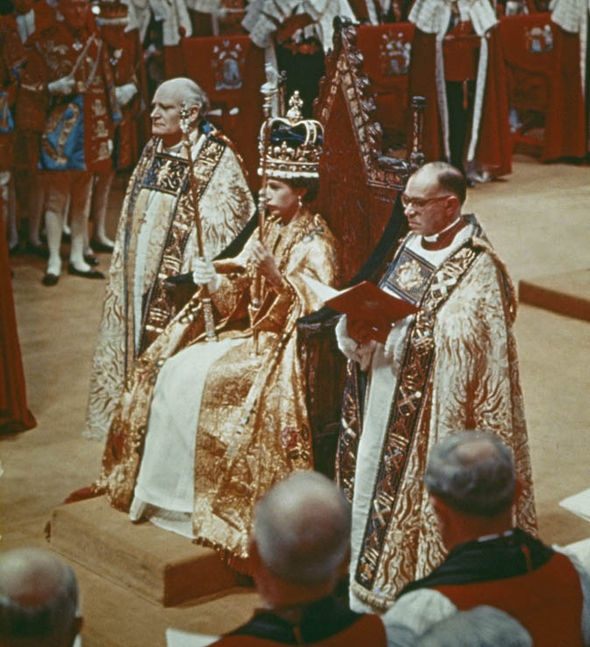
Toys. My other grandparents presented me with some cool toys.  There was a set of amazing dollhouse furniture, which I regrettably did not treasure.  Of course, it would have never made it to America anyway.  What did was an old Viewmaster which my father must have had as a child when his parents lived in India.  It had some amazing Western shows, such as a three-disk set of “Bambi”, “Three Little Pigs”, “Little Black Sambo” (it was a long time ago…), coronation of Queen Elizabeth II, lots of brightly colored parrots and one monkey (there is always one monkey), and incredible views of faraway Asian lands, particularly Mount Fuji and the Taj Mahal.  I brought it frequently to show and tell in my Russian school.  The collection made it to America but not past high school. When I went away to college, I neglected to supervise, and my mother, predictably, lost it.  It is a damn shame.  Damn shame.

Aunt.  My mother is an only child.  My father has a younger sister.  They seems to have retained a close relationship to this day.  She was a college student at the time, and he encouraged me to shake a fist at her and yell, “We will show you, students!”  Only recently did I learn that this was because of the famous Shurik the Student movie, “Operation Y”.  My father must have been a fan.  My aunt Tanya seemed a benign, but nondescript, presence.  I remember almost nothing about her.  My father was allowed to name his newborn baby sister Tatiana, which is apparently his favorite name.  He suggested it as a name for me, but of course my mother had to step in without something less “common”.  It appears that my father did not get a vote.  He managed to prevail with my sister, who has a different mother. 

Car.  My other grandfather had a car.  It was huge and green and white, but maybe it wasn’t either.  My father must have known how to drive, because I recall sitting in the front, which is quite illegal for very young children, Soviet Union being no exception, and he admonished me to slide under the dashboard if we saw the road patrol out in the country.  Great parenting right there! 

Not my other grandparents’ actual dacha

Dacha.  My family never had a dacha, a “beyond the Volga” country home, because my grandfather worked all the time.  It was not that my grandparents could not afford it, but more that they did not want to be bothered with working the land.  Besides, pretty much everyone we knew had a dacha.  My other grandparents’ dacha was a two story construction, which was very exciting.  The second story was some kind of a loft where my parents slept.  I wonder if that is what caused my affinity and longing for lofts.  I have never lived in one.  My father’s paternal grandmother was still alive at the time.  She seemed ancient.  She was dressed all in black and sat on the steps of the dacha and yelled at me whenever I ran in or out of the house.  I have no recollection of her being elsewhere, just on the steps of the dacha. 

And then there were the pranks.  Tall, handsome, fair, young, my father was not really a parent, but a fun older brother type.  One time we came to pick my mother up from work (he was not working—not then, not later).  My mother worked at the Synthetic Rubber Plant.  There was a mean old Soviet woman guarding the exit.  It was a secure facility, and those without authorization could not enter.  I saw my mother walk toward us down a long hallway.  Father urged me to run to her, past the mean woman—and I did.  It was, of course, unimaginable, but it was fun!

Another time we were waiting for my mother to come home.  My father came up with a basic, but ballsy, plan of cutting out eyes in a sheet, putting me on his shoulders, and scaring my mother as soon as she entered the apartment.  It was hilarious.  He was so much fun!

I never had any grievances against my father.  He was—and, I am afraid, remains—a stranger, but the memories are mine and lovely…

Three Worst Fears

Three of my worst fears came true this week.  This is a true story, and one I did not ever expect to recount, but it’s just so unlikely that I cannot leave it untold.  I had a bad day.  I think the only way to look at it is that I am due for some fantastic great luck very soon!

  1.  First, I got stuck in an elevator at work.  The weird thing is that it was not even my first time.  The first time was in Italy, in the little seacoast town of Ladispoli where my mom, my grandparents, and I were living as refugees.  There is more to that story, but not today.  Today, it’s about how my mom and I were visiting some other refugee friends in a building with an elevator, and I decided to open the elevator door to see what would happen. It was one of those old cage elevators, and it was coin operated.  I do not think my mom even noticed that I was the culprit, because the alarm immediately went off and there was a lot of commotion.  Of course, we had no more coins to get the elevator going again, being refugees (I did not think that through).  Luckily, the friends we were visiting had a coin, and were able to slide it into the cage for us to get moving again. So when I say I got stuck in an elevator in Italy, what I really should say is, I was an idiot child and stopped the elevator due to my own naughty curiosity.
NOT the actual elevator in which I got stuck in Italy

This week’s experience was not quite the same.  My work partner was going to look at the new office space in the building next door.  He had four women with him—the landlord’s rep, the furniture rep, the interior design rep, and someone else whose name and function I did not catch—and I felt that I needed to tag along to be sure that I did not get saddled with a windowless office, or no office, or far from the kitchen, or other similar debacle.  Serves me right.  We were going to the fifth floor, and barely made it past the fourth when the elevator shuddered to a stop.  Well, it did not really shudder, it just stopped moving, and it actually took us a few seconds to clue in to what happened.  All buttons were pushed, and 911 was called.  It took over an hour and a half, because in this day and age (and litigious society), hopping out of an elevator between floors, from about waist-height, is apparently frowned upon.  My partner was ready to spring into action and out of the elevator, and had a rather funny chest-pounding (figuratively) altercation with the elevator guy.  The four women, clad in short tight dresses and high heels, took selfies and fretted.  I, mentally kicking myself for not visiting the bathroom before going off with them and for not grabbing my cell phone, tried to calm everyone down by telling my Italian elevator story (omitting the part about my part in it) and the story of how a neighbor back home, Aunt Vera’s son, had his legs crushed when an elevator car fell with him in it, but survived.  He even drove a special “invalid car”, as they were called in those non-PC days, meaning all the controls were hand-operated.  Surprisingly, neither story was received in the spirit it was told.  Eventually we were rescued, and the landlord sent us bagels and coffee next day.  I expected a month of free rent. 

Mickey. What a monster he was!
  • Second, I was bitten by a dog.  This was truly my worst fear for many years.  I had a nemesis dog in my childhood, Mickey, who belonged to another neighbor, Aunt Rimma.  He roamed the neighborhood off leash, as dogs did in those days, terrorizing children.  I remember an occasion when my friend Tanya and I were desperately holding closed the outside door to the apartment building where she lived (Mickey lived right above Tanya), because he was barking madly on the street and we were afraid that he will barge in and tear our throats out.  For reasons that are passing understanding, I have a photo of this monster beast—pretending to be friendly and peaceful.  This must have been after he fell off the second floor balcony.  He broke his leg and was never as ferocious after that.

So, living for decades with the fear of being mauled by a dog, I finally was—and lived to tell the tale.  I was walking with my spouse and my two dogs (yes, I have two, two dogs—another story for another time), and my baby dog, Vanya, picked up this huge crust of bread off the sidewalk two doors from our house.  Of course, I tried to pry her teeth apart and get the bread out, and of course she was desperate to keep her teeth clamped shut while chewing as fast as she possibly could.  Next thing I knew, sharp pain, blood everywhere.  I fell onto the grass, crying.  I am not proud of this.  I was a little overly dramatic, because the pain was not the worst I ever felt.  It was more the shock of seeing my bloody middle finger with a missing nail.  But the joke is on Vanya, because my nails are fake. 

  • Finally, when I came home, with my finger wrapped in paper towel offered by a kind neighbor, I decided to enjoy a calming mug of beer.  And here is the worst thing—I spilled the beer all over myself and my couch.  I can’t even blame the shock of the dog bite.  I have all these cords from my phone, my Kindle, and my laptop on the couch, and the beer mug tangled up in them and fell.  Mad dog Vanya immediately started licking the couch.  I drank YooHoo instead (also good).  Now my couch (#100 on the list of my favorite things) smells like beer.  So maybe it was not a waste after all.

A Few of [Whose] Favorite Things

I used to read self-help books.  I am not entirely sure if they really did help, but there is no real way to know, is there?  We never stop learning and growing, and all that.  Even as I write this, I am waiting for the library to deliver to me a copy of “The Subtle Art of Not Giving a F*ck”.  I am #110 on 6 EBook copies, and #223 on 20 audiobook copies, with wait time of at least six months, according to the library website.  I am expecting that half a year from today (at least), I will be so much cooler and calmer and more collected.  Until then, I have to keep relying on old coping skills. 

One of those is a list of 100 things that bring me joy.  I made this list almost a quarter of a century ago, and I still have it.  I have never revised it.  Looking at it now, I am generally in agreement with my younger self.  However, there are some items that are genuinely puzzling:

#15:     Playing badminton.  Not that it is not fun, but seriously—when did I play so much badminton in this lifetime that it merited its own entry on the list?  I mean, badminton got into Top 100, and even Top 15?  OK, the list is not in order of priority, but to have thought of badminton so early on?  A head-scratcher…

#19:     Lilliput Lane houses.  Again, Top 20 in the Spirit of Acquisition?  I have a few of those cute miniatures, but since I have been focused more on unloading than acquiring crap, I mean, stuff, in recent years, I have to say that this one is decidedly off the list.

#41:     Trivial Pursuit.  Is it even a thing these days?  I think it might have been replaced by Cards Against Humanity in my life.  Maybe less intellectual, but a lot more laughs!

#51.     Jelly Bellies.  Whoa, really?  I used to love Jelly Bellies, but that much?  Glad they are not in the Top 50—that would be embarrassing.  Bottom 50 is OK.

#61.     TV Guide.  That’s a heartbreaking one. I used to love TV Guide so much, when it was in that little compact format.  In high school, I used to trek to Meijer’s Thrifty Acres weekly to buy TV Guide as soon as it was out on the stands.  It was so important in the pre-internet days, my main source of information that counted (don’t judge!).  Then they changed the format, which made me super-mad, because then it looked like any other magazine.  And I just could not keep up with the thousands of new channels anyway.  And then technology got so ahead of me that these days I can only turn the TV on with express instructions from my spouse and children. Oh, but I still miss TV Guide!  I wish I had kept that issue with Richard Chamberlain as Father Ralph from “The Thorn Birds” on the cover…

#89.  Fashion magazines.  I have no idea who actually made this entry, although the handwriting seems to be mine.  It must have been a minor case of possession, as I do not recollect ever purchasing or even looking through a fashion magazine.  I must have been running out of things that brought me joy…

Then there is a handful of items that are largely gone from the world:

#17.  Bookstores.  Oh, what a joy it was to browse at Borders or even Barnes & Noble (but Borders was the ultimate)!  But who am I to complain, when I so utterly and completely, albeit somewhat belatedly, jumped on the Kindle/Audible/OverDrive wagon and have not physically set foot in a bookstore in years?  If Borders was still around, I would still be buying books there.  I can safely tell myself this.

And finally, something that was not on the list decades ago, but would be #1 today:

Dogs.  I love dogs.  But I did not even like them when the list was initially written. Which just goes to show how much things can change in one lifetime, as I write this while wearing my “Home is where the dog is” T-shirt, given to me by my mom. [Who also did not make the Top 100 list then, but definitely would now!] 

The Merry Wives of Stratford

Some years ago, I decided that I needed to complete the Shakespeare canon.  For a spectator like me, that means only seeing the shows, not acting in them or directing them (I laugh because this is true).  As I see several Shakespeare stagings every year, I am ever surprised by the universality as well as timelessness of his works.  I mean, after a few centuries, they are not dated (unless the director allows them to be, which is decidedly NOT the goal).  I am also occasionally surprised by how my relation to the various plays has changed over the years—the ones I thought I loved I occasionally outgrew, the ones I either did not know or did not much like I grew to appreciate more, and so forth.  As of this writing, I have five plays left to see, which seems like a shockingly large number considering how long I have been at it—so, if anyone hears of Henry VI being done anywhere, please let me know.  I do mean anywhere, I will travel for this!

I have deliberately been avoiding The Merry Wives of Windsor for years.  I glimpsed it once on TV, must have been on Masterpiece Theater, and I hated it.  It seemed like a lot of commotion of people running around in bonnets and pumpkin pants, laughing at jokes that made no sense, and the language itself was unintelligible to me.  It also had Falstaff, a character many like, but I kind of hate.  I just do not find him funny or endearing or charismatic in any way.  I just find him annoying. 

But, with so few plays left to complete the canon, and with Stratford Festival—the greatest theater in North America, if not the world—staging Merry Wives this season, I decided to bite the proverbial bullet.  Spoiler alert:  I am glad I did, but I am still not crazy about this play. 

Antoni Cimolino, the Artistic Director of the Festival who directed the play, set it in 1953.  It was the year the festival was founded by Tom Patterson.  Is it weird that I immediately thought that it was the year that Stalin died?  Seems like it was a much more carefree year in Canada than in the USSR, but maybe not so much when it came to women’s rights.  Frankly, though, I did not find the story to be too offensive in the #MeToo era.  Falstaff is lecherous and pushy, but easily confounded and disarmed.  Mr. Ford is jealous not like Othello, but like Moliere’s clueless and pompous husband characters.  The women outsmart and outplay the men with ease, plus great humor and spirit.  So, I am inclined to just view this story as a harmless farce rather than a statement on gender relations.

And what a farce it is—but I am not against farces.  I am an easy laugh, but what of it?  A peculiar mix of Monty Python and I Love Lucy is not the worst to which a comedy can aspire—and achieve.  In this particular production, the stars of Stratford are out in full force.  Brigit Wilson as Mrs. Page is just the most luminous wide-eyed Lucille Ball impersonation ever, and I mean that in the best way possible.  The incomparable Geraint Wyn Davies is possibly the only Falstaff I can stomach, and he actually made me feel sorry for the fat buffoon at the end.  Aww, Geraint with that sparkle in his eyes, his Falstaff exuding the benign mirth that reduces the creep factor almost to zero!  And Lucy Peacock as Miss Quickly is channeling the comic relief housekeepers straight out of the Soviet comedies of the death-of-Stalin era, whose kerchief, ankle boots like my grandmother would wear, and intermittent snacking made me feel all warm and fuzzy and nostalgic.  Ben Carlson, as the Welsh parson, is the funniest I have ever seen him be–and Ben is usually witty funny, not ha-ha funny, so this was a joy to behold.  When he agrees with Mr. Ford that Falstaff in drag as the old woman of Brentford must be a witch because she has whiskers and a beard, I died laughing!  (I use this phrase to excess; I guarantee you will see it again.)  Graham Abbey as Mr. Ford, while very funny as well, is basically Tartuffe’s Orgon, whom he played on the same stage two years ago. It is not his fault that this part is so similar—after all, I have seen Geraint Wyn Davies play Falstaff before, which is literally the same character.  I am just saying it was not a surprise, that’s all.

The Monty Python theme plows through the play in the character of Dr. Caius.  Gordon Miller plays him essentially as the French Taunter from Monty Python and the Holy Grail, complete with pronouncing every letter in “knight”.  When you hear it, you just can’t unhear it.  He even throws in John Cleese’s silly walk.  It’s all very funny, but a bit much, including the exaggerated French accent that is at times utterly unintelligible, although every second word is “bugger”. 

So, I walked out of the theater not feeling that I saw a Shakespearean play.  Is that necessarily a bad thing?  I do not think so.  I laughed a lot, I had a good time, and that is a value in itself.  The fact that a comedy written 400 years ago still retains the humor of a much more modern piece is astonishing.  When Antoni Cimolino mentioned that Merry Wives has funnier jokes than Neil Simon he was not kidding (see what I did there?).  If there was a deeper message, I might not have gotten it.  But, in the words of John Cleese’s Pope in the Penultimate Supper sketch, “I may not know much about art, but I know what I like!”  

P.S.  E.B. Smith needs to have a bigger part in this play, and really in every play.