Featured

Charlie Chaplin Christmas

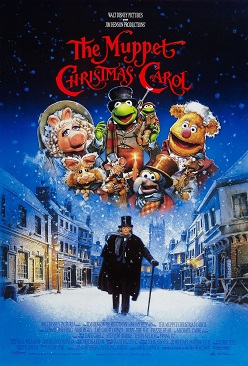
I am not a total holiday Scrooge or Grinch.  I do happily celebrate Christmas.  In fact, my family’s most cherished and enduring Christmas tradition is to watch “The Muppet Christmas Carol”.  We have not missed a year since it came out.  I can recite all the words, just like I can to “The Lion in Winter” (another Christmas movie, though not part of our lore) and, of course, “Chariots of Fire” (entirely unrelated to this holiday, but I never pass up an opportunity to mention it).  And a few years ago, I actually went to three churches on Christmas Eve:  Orthodox Church for Eve of the Nativity service, Catholic Church because a friend of mine sang “O Holy Night” during mass, and Methodist Church for evening carols and candles.  (This feat is not likely to be repeated)

If you are one of the very few people who have not seen this, go watch it now. You are welcome.

Back in the Old Country, all holidays were secular, some were political, and we only read about Christmas in classical literature.  The religious aspect of it was merely a relic of antiquity, but we had the rest of it, the tree with all the trimmings, the gifts, Grandpa Frost and Snow Maiden, festive meal with friends and family, kids pageants, seasonal movies and, of course, “The Nutcracker”.  It was just entirely conflated with New Year’s.  It was the “New Year’s tree” and Grandpa Frost, bearing gifts, was joined, at a critical juncture, by Baby New Year.  As a child, I had some vague notion that the pre-revolutionary holiday, while similar to our own, contained some forbidden mystical elements, but never understood why it was celebrated before the actual final day of the year—and what did people then do on December 31, the *real* holiday, if they already spent all of its currency the week before?   I assumed it might have had something to do with the old Julian calendar, with its confusing two week delay, which was finally abolished in 1918.

New Year’s tree at my parents’.

Our first year in the U.S., my mother allowed me to open the gifts under the tree on Christmas rather than December 31, but strictly because I was a tremendous pest about it.  She literally told me, “I hear in this country, they open the gifts a week early”!  I took that as a very personal victory, and it was also the first time I heard that this unfamiliar holiday was still being celebrated, and in the New World no less.  Who knew?  We continued to do our tree/gifts/dinner thing on New Year’s Eve.

For the next decade, this holiday continued to elude me.  American Christmas always seemed reserved for family, but it was also a part of the larger holiday landscape, so December 25 was really no different than any other vacation day until the big event—New Year’s Eve.

One time in college, I actually spent part of winter break with a Jewish friend.  Her kind mother was so concerned that I was being deprived of some family tradition that she took me to a neighbor’s house to at least look at a decorated Christmas tree.  It was nice, and I did not have the heart to tell her that the tree alone did not mean much, and it was a week early anyway.

On my drive home, late that Christmas Day, my car spun out on a highway in a snowstorm and ended up facing the oncoming traffic.  Some kind man drove me home in my car, because I was too shaken up, while his wife followed in theirs.  They kept asking if I had someone to be with me.  I reassured them that I did.  But, I lived alone in Michigan, my parents lived in Texas and were on a cruise to boot, my grandparents lived in New York and were visiting friends in Atlanta, all my friends were with their families, every single store and restaurant in town was closed, and this was before cell phones.  I started watching TV, and it blew out in the middle of “National Lampoon’s Christmas Vacation”.  It took me some years to learn how the movie ends.

The last time I did not celebrate Christmas was a tail end of a very rough year, probably one of the Bottom Three in my life thus far.  My personal life was unsettled, I was fed up with living in Manhattan in a high-rent closet where cockroaches paraded by my futon every morning in search of sustenance (but the joke was on them, because I kept everything, including silverware, in a refrigerator that they have never figured out how to breach), and fed up with school after attending it non-stop in various form for almost two decades. I still lived alone, but finally near family, which was the one saving grace in an otherwise dark period. 

The only photo from the unhappiest place I have ever lived.

My mother inexplicably sent me a small live evergreen tree, which was incongruous in my tiny apartment, and incompatible both with my hectic lifestyle and black thumb.  Predictably, it did not survive the season.

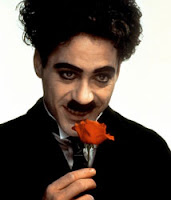
I cannot remember now what depths of despair made me summon my grandparents all the way from Brooklyn on Christmas Day to my tiny studio. We first went to see “Chaplin” at the movie theater.  Robert Downey Jr. was not the action star he is today but a handsome young romcom-ish actor, before all his troubles, and way before he successfully overcame them.  The film was beautiful, and he should have gotten the best actor Oscar.  I still think of it as one of the biggest Oscar snubs in my lifetime.  Back at my place, grandmother fried up some liver and onions on my two-burner stove, and somehow all three of us managed to squeeze in and enjoy both the feast and the company, keeping the window open because the radiator emitted unrelenting heat—but I lived on the ninth floor, so it was safe.  If this is not a quintessential immigrant Christmas in New York, I do not want to know what is.

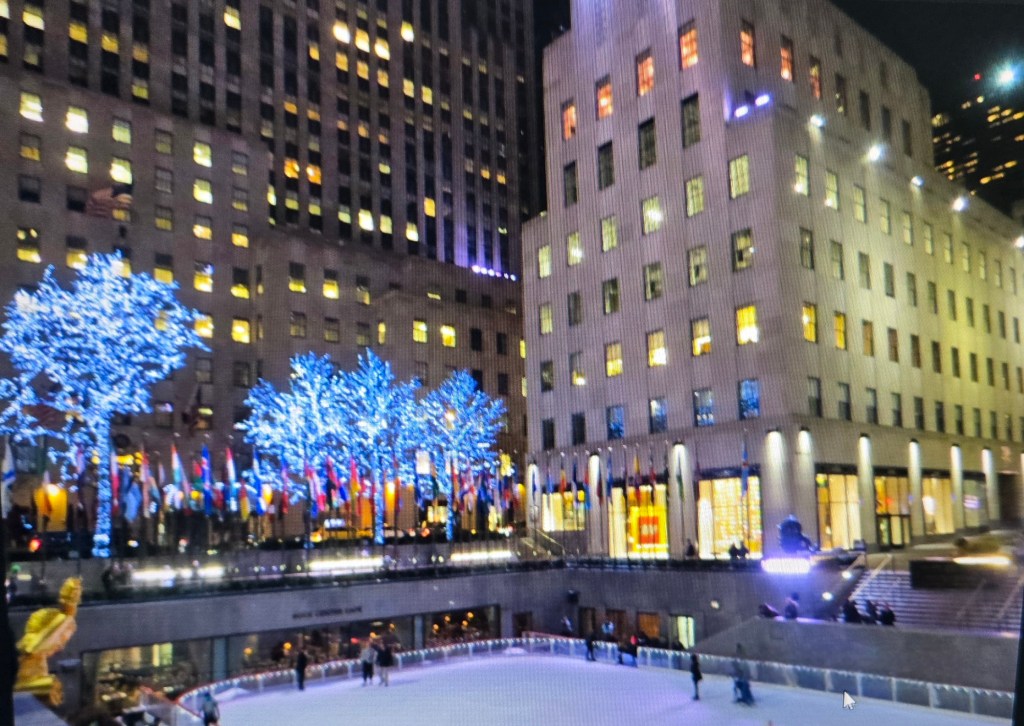
Through the years, that day has acquired the soft patina of nostalgia, but I do know that it looked and felt less like “Home Alone 2” than “Fairytale of New York”, for this was a time before Disney moved into Times Square, and you could literally smell Manhattan Valley, the upper part of Upper West Side, as soon as you crossed into the 90s. 

I did not record this particular day in my diary, but sometime before the end of that year, I wrote about how much I hated my life.  Within a week, a new year dawned, and it turned out to be one of the Top Three for me.  It just goes to show, the darkest hour is just before dawn.

Valor and Glory of the Motorbuilders

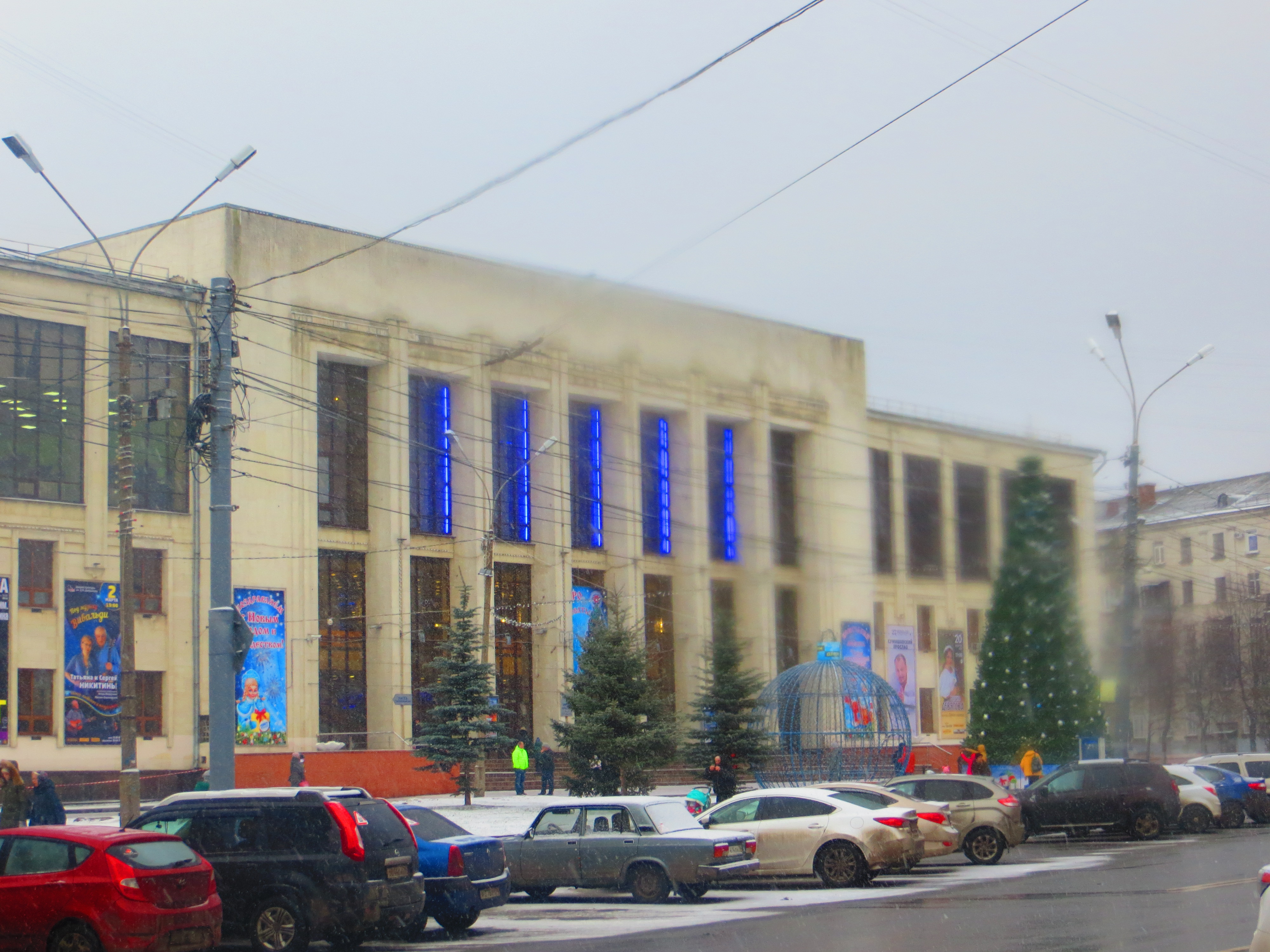
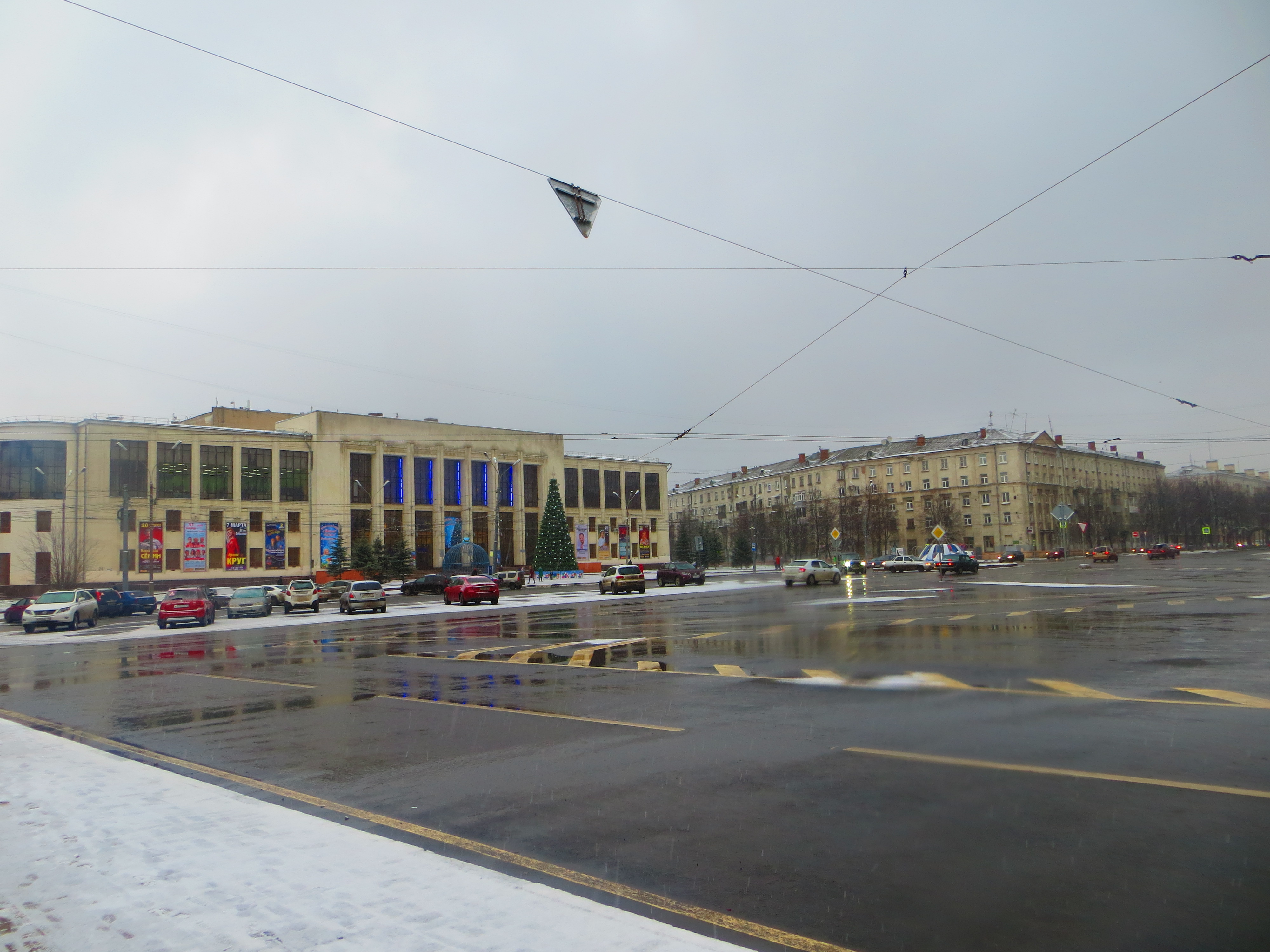
The municipal autonomous institution of the city of Yaroslavl, Palace of Culture named after A.M. Dobrynin, formerly Palace of Culture of the Motorbuilders, just celebrated its 55th birthday.  In a surprising twist, my first short story (amazingly still unpublished), about a visit to A.M. Dobrynin’s “dacha”, just celebrated its 36th birthday.  Apparently, despite August being a heavy month [https://oldladywriting.com/2019/10/13/sorrow-floats/], it has seen some good times.

This is the best photo of the Palace of Culture of the Motorbuilders, because it is not only from my era, but includes the now defunct “Salut” (firework)–the lamppost much maligned as an eyesore

In the course of my career, I have worked closely with some of the biggest automotive manufacturers in the world, as well as the biggest automotive suppliers.  This is possibly the most boring sentence I have ever written that was not work related.  It is not even a brag.  Everyone who lives in the metropolitan Detroit area is involved in the automotive industry in some way.  So is everyone who lives in Yaroslavl. 

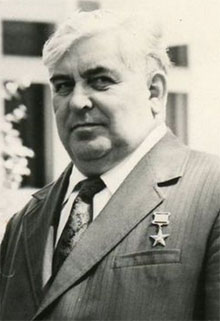
Anatoly Mikhailovich Dobrynin was the General Director of the Yaroslavl Motor Plant from 1961 until 1982, the only one in my lifetime there, and had the longest tenure of any director to date.  I was going to say he was like a Russian Lee Iacocca, but I truly have no idea if there is any comparison. Frankly, Lee Iacocca should have been so lucky.  Comrade Dobrynin was a Hero of Socialist Labor, recipient of Lenin and State Prizes of the USSR, and many other labor medals, prizes, and honors.  And because his entire career and life (the two ended pretty much simultaneously) fit into the several decades of the Soviet Union’s existence, he got to lead an enterprise which, besides its manufacturing prowess, was also a giant benefactor to the city’s workers.  Basically, the big plants subsidized various affiliated ventures.  For example, the Motor Plant contributed to the creation of the Motorbuilders’ Palace of Culture, Motorbuilders’ Park, movie theaters, stadiums, etc.

The interior of this Palace of Culture is a bit elusive for me.  I had few occasions to enter it.  I did not attend any of the children’s classes there.  Despite it being significantly closer to our house than the Young Pioneers Palace, where I spent four tortured years at an art studio [https://oldladywriting.com/2019/06/04/run-your-own-race/], I only entered the Palace of the Motorbuilders for the movie theater (which was, again despite its convenient location, somewhat unpopular among the youthful moviegoers, and is now defunct) or to attend the exclusive New Year’s parties.   I strongly suspect that, given that the Motorbuilders were so superior to all the other organizations in our city, I could not possibly qualify for any of their children’s clubs and afterschool activities.  I could only hope to be admitted to the events at the Young Pioneers’, which had to take all young pioneers (and had vastly inferior New Year’s parties), or at the Giant Club, which was loosely affiliated with the other major plant in my town, the Tire Plant.  The Tire Plant was uncool, and its director was entirely unknown.  Giant, however, had a better movie theater—and, I was accepted into the Young Pioneers on the Giant stage.  But I digress.

Not the actual photo of the slide at the Culture Palace.

A word about the New Year’s parties.  They were basically Christmas parties, complete with a Christmas tree (called, naturally, New Year’s tree), Santa Claus (Grandpa Frost), and gifts for all the kids. At the Motorbuilders’, the gift package would include a tangerine.  Tangerines were not as exclusive as bananas, but one did not simply encounter a tangerine in the middle of a Russian winter in the seventies.  The parties would include various activities such as some kind of a fairy tale staging, loud yelling at the tree to “light up”, and presentation of the gifts to the children.  Because the Motorbuilders’ Palace was huge, they also had slides.  I have no idea where they would come from and to where they would retire after the holiday season, but the slides were possibly even more exciting than the tangerines.  Life just does not get better than when hundreds of children are pushing and shoving to go down a giant slide at a Palace of Culture before New Year’s.  As we used to say, thank you for our happy childhood, beloved Motherland.   

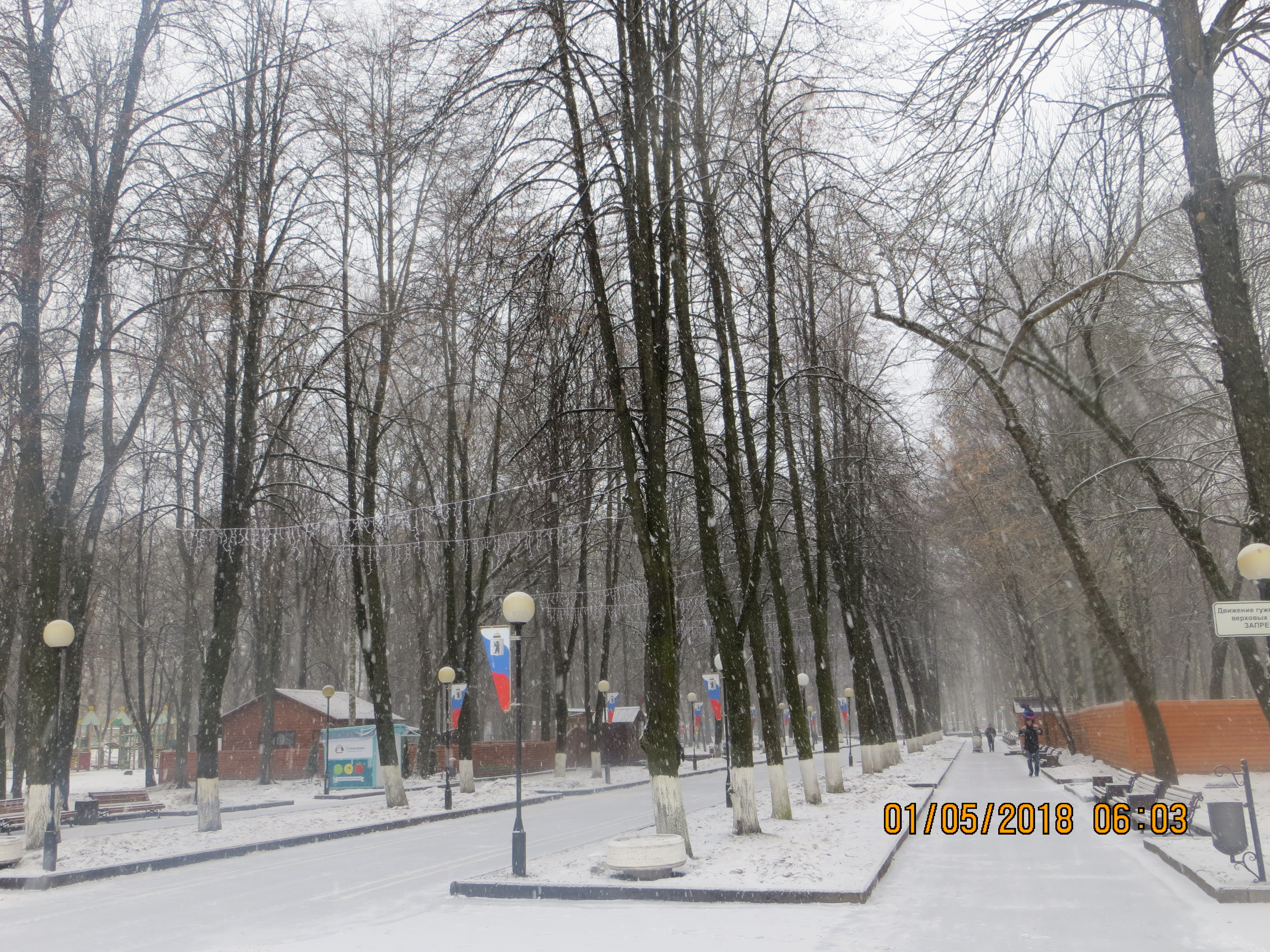
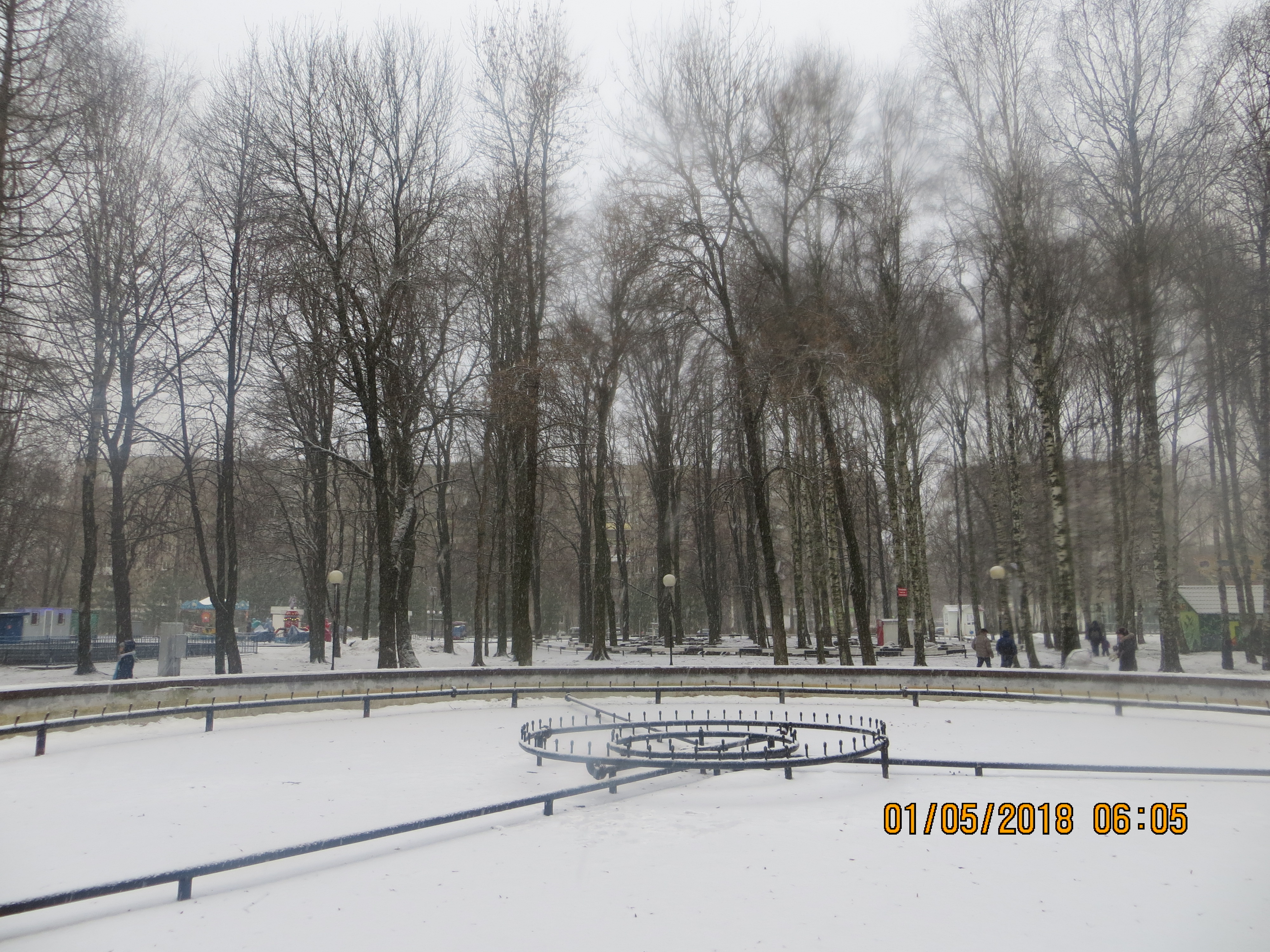
Right behind the Palace of Culture was the Motorbuilders’ Park.  Apparently it is officially named the Anniversary Park, as it was created for the town’s 950th anniversary in 1960, but no one calls it that.  The colloquially known Motor Park, Yaroslavl’s answer to Paris’ Luxembourg Gardens and Madrid’s Parque del Buen Retiro, was lush, green, and huge.  When I visited it two years ago, it somehow became small, weird, and scruffy.  I strongly suspect it was because my BFF kind of rushed me through it so that we could go home and eat, and I did not get the full effect.  But, in the glorious 70s the park was home not just to gorgeous alleys for promenading and a very impressive round fountain in the middle as befits European capitals, but also to many exciting rides such as “boats” (those big swings that you see at Renaissance faires), “runner” (a strange contraption of several wheels that lifted kids in attached seats up and down as it also moved in a circle, and was out of commission much more often than it was functioning—to find the “runner” actually running was like finding a unicorn in a Soviet zoo.  I kid; we had no zoo), and “autotrain” (A train that ran through the park. Why auto?  Because it was not on rails).

Actual footage at the park in 1974.  I am not there, but could have been.  Look for the rarely functioning ”runner” at 1:50, a very clear view of the back of the Palace at 3:36, followed by “boats”, and then some “adult” rides, such as the “Devil’s (Ferris)” wheel, which for some reason did not allow children.

Last but not least, the Motor Plant owned a resort, officially known as a “recreation center” (the word “resort” was much too bourgeois), named Forest.  Forest was literally in the forest on the banks of the Volga.  If you worked for the Motor Plant, you could get a “voucher” to spend a summer week at the Forest.  My times at the Forest deserve their own story, if ever one can be written to give full justice to the joys of Soviet childhood on the Volga—and I mean that without even a hint of sarcasm.  It was basically an all inclusive resort, and for its time and place it was just perfect. 

The main building at the Forest. It does not do the place justice.

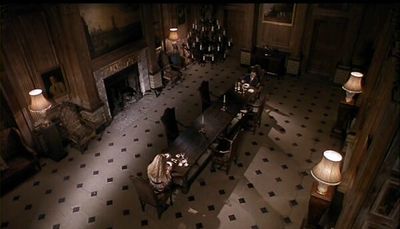
But wait, it gets better.  Deep in the actual forest that surrounded the Forest, there was one more building—the “dacha” (country house, summer cottage, chalet) of the director of the Motor Plant, Comrade Dobrynin.  It so happened that my grandfather’s friend, Uncle Sasha, was the director of the Forest, which somehow resulted in us being invited, on several incredible occasions, to stay at the Dobrynin dacha.  Of course, we never referred to him as Dobrynin, Comrade Dobrynin, or especially Anatoliy Mikhailovich.  He was “Director”.  Not that we ever met him—I mean, Uncle Sasha must have, but no one in my family has, as far as I know.  It goes without saying that we only stayed at the dacha when Director was not in residence.  And when I say “dacha”, I do not mean the cabins that all of our friends had “za Volgoi” (on the other bank of the Volga, beyond the city walls), without electricity, indoor plumbing, or even water (as a child, I found gathering water from a well very charming).  No, Director’s dacha was a literal mansion.  I mean, it was not even a regular person’s house.  I remember two things most distinctly: a billiard room (which I blame for my lifelong burning desire to possess a pool table.  Which I’ve had for almost 20 years now, and have probably used six times within the first year of getting it and none since) and a dining room which I seem to recall looking exactly like that dining room in the first Batman movie, the one with Michael Keaton (THE Batman).  That movie came out over a decade after we ate pea soup in the Director’s mansion, by the way.  Food for thought.

Why pea soup, you ask?  Well, there was one touch-and-go trip when Uncle Sasha called my grandparents and another couple, the Osipovs, good friends and fellow adventurers, and invited them to the dacha as Director was not going to be in[1].  The five of us started gathering, but I recall some hesitance on someone’s part until Uncle Sasha’s wife, Aunt Lida, enticed us with a promise of delicious pea soup prepared by the Director’s cook, Mrs. Patmore[2]

It was exactly like this.

Somewhere along the way, we got the command to retreat, as Director was coming after all.  But how?  This was before cell phones.  It was barely after regular phones, because, Soviet Russia.  The cavalcade must have been intercepted while the Osipovs’ orange car was picking us up.  We dispersed.  And then—false alarm.  Director was not coming after all.  We were going to taste the pea soup!  He didn’t, and we did.  In the Batman dining room.  It was magnificent.  And I thought to myself, people live like this in the West.  And I was wrong, because no one I know lives like this in the West, because I do not get personally invited to the mansions of the automotive companies’ CEOs.

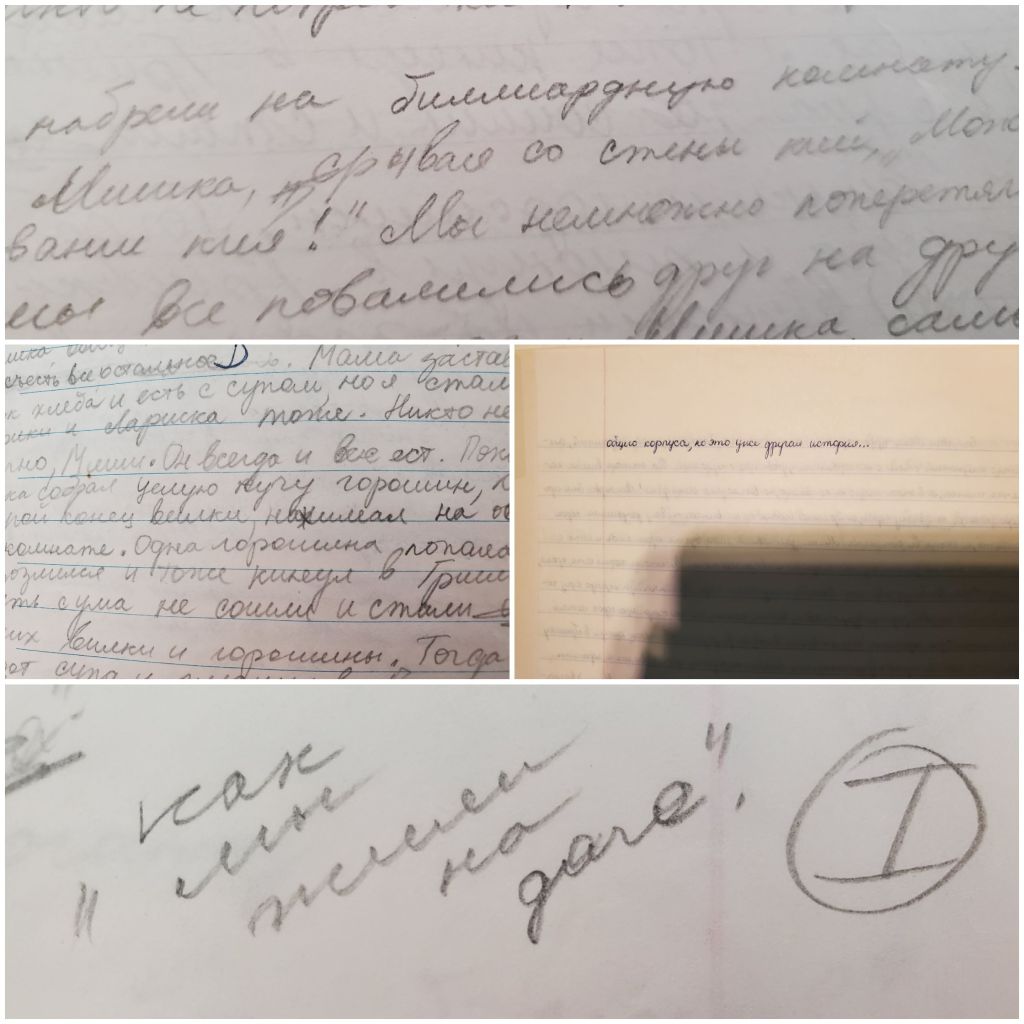
Rare unpublished manuscript

But the experiences at the Director’s dacha made such an impression on me that when I wrote my first short story, in 1984, it was about one such visit.  I exercised poetic license by replacing grandparents and their friends with a fun gang of kids my own age, who cause mischief and wreak havoc, and they actually get to meet the Director, who turns out to be charming and not intimidating.  Perhaps that is how Comrade Dobrynin really was.  I would not know.  And then everyone eats pea soup.  The end.


The modern day branding of the Palace of Culture.

For more information, current events at the Palace, fun videos, and an occasional retro photo: https://www.facebook.com/groups/dkdobrynina1965/

[1] I lived with my grandparents, so wherever they went, I went.  They were in their mid-fifties then, so like older parents.  Almost all of their friends were at least a few years younger, so this is not a feeble elder crowd, just so you know.

[2] I lie.  No one called her that.  It was Comrade Patmore.