Featured

What’s in Belgium?

I have been to Belgium twice, and both times were unanticipated.  The first time was a family vacation during my summer in the Netherlands. The second time was during my summer in France.  Both trips are well documented in my erstwhile diary, and both make for a read that is astonishing in its testament to the fallibility of human memory, as well as to the weirdness of teenage travels, and in the 80s to boot.

My first trip to Belgium started in Antwerpen (I do not call it “Antwerp”), but we only stopped at the port where a friend of my Dutch mother was a “shturman” https://oldladywriting.com/2025/09/21/poison-fire-and-flood/ on a cargo ship and gave us a cool private tour.  We then made our way to the coastal resort of Koksijde—close to the French border, but because I was traveling on a refugee travel document and had no visa to France, France was not available to me then.

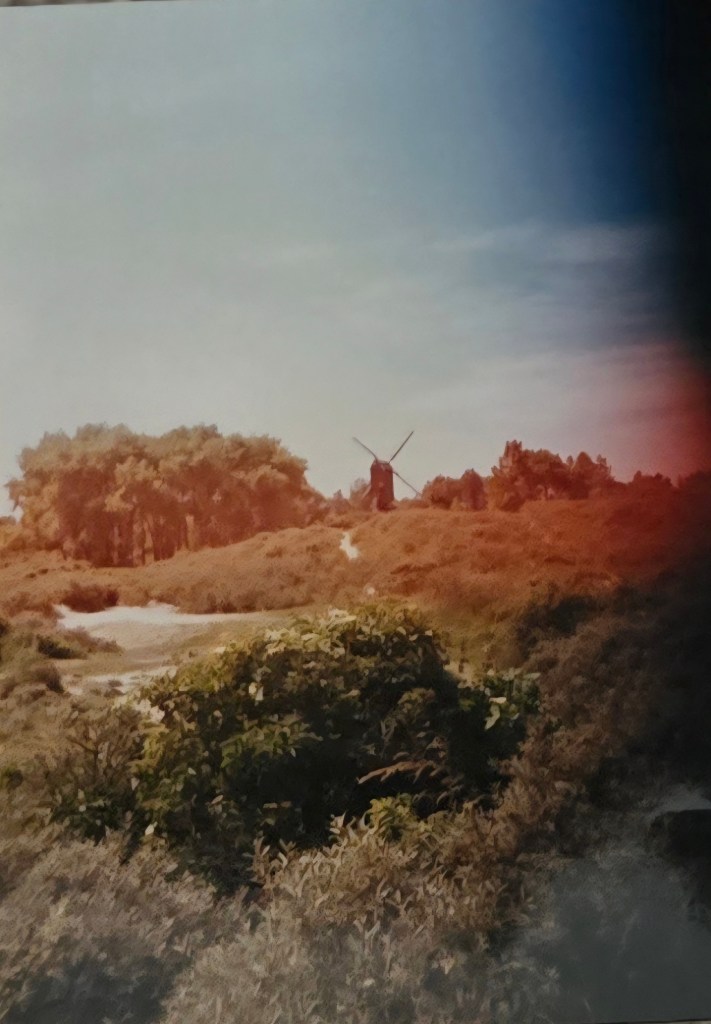
It was the first and probably the last time in my life I was at a campground.  We (my Dutch mother, little brother, and cousin) came with two tents, table and chairs.  As at any resort, there was time spent on the playground, time playing cards and badminton, going to a nearby bar and to a bakery, neither of which I can visualize now, hanging out on the sand dunes, and visiting coastal towns nearby.

I liked Belgium.  I was happy to see the signs in French, which I was already studying, along with the Dutch.  Past recollection recorded has it livelier, prettier, and cleaner than the Netherlands, but I would say now that it was the novelty and the relaxed vacation atmosphere that made it seem so.  The beach, however, did not impress me.  I made a note to go to Romania’s or Bulgaria’s Black Sea beaches when I grew up—this goal remains unmet to this day. 

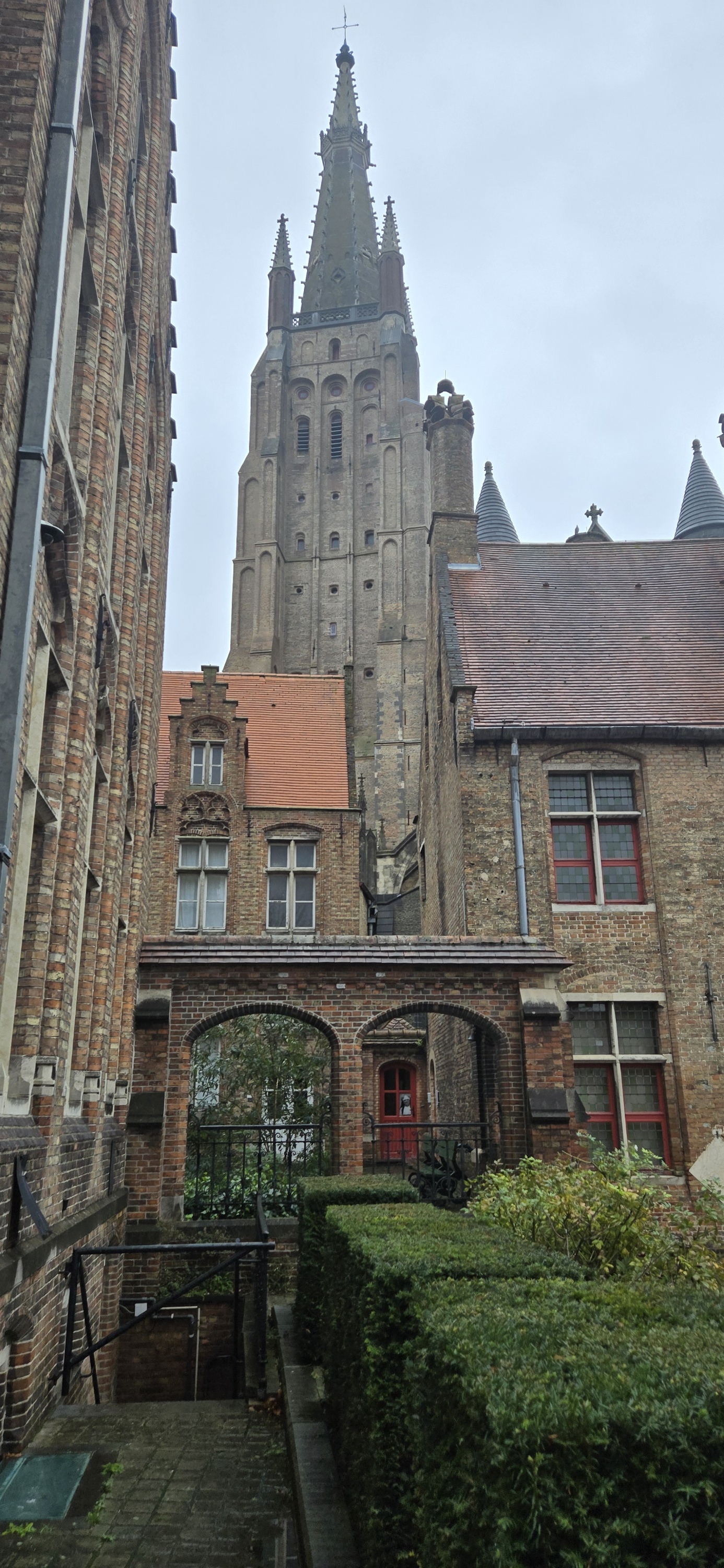
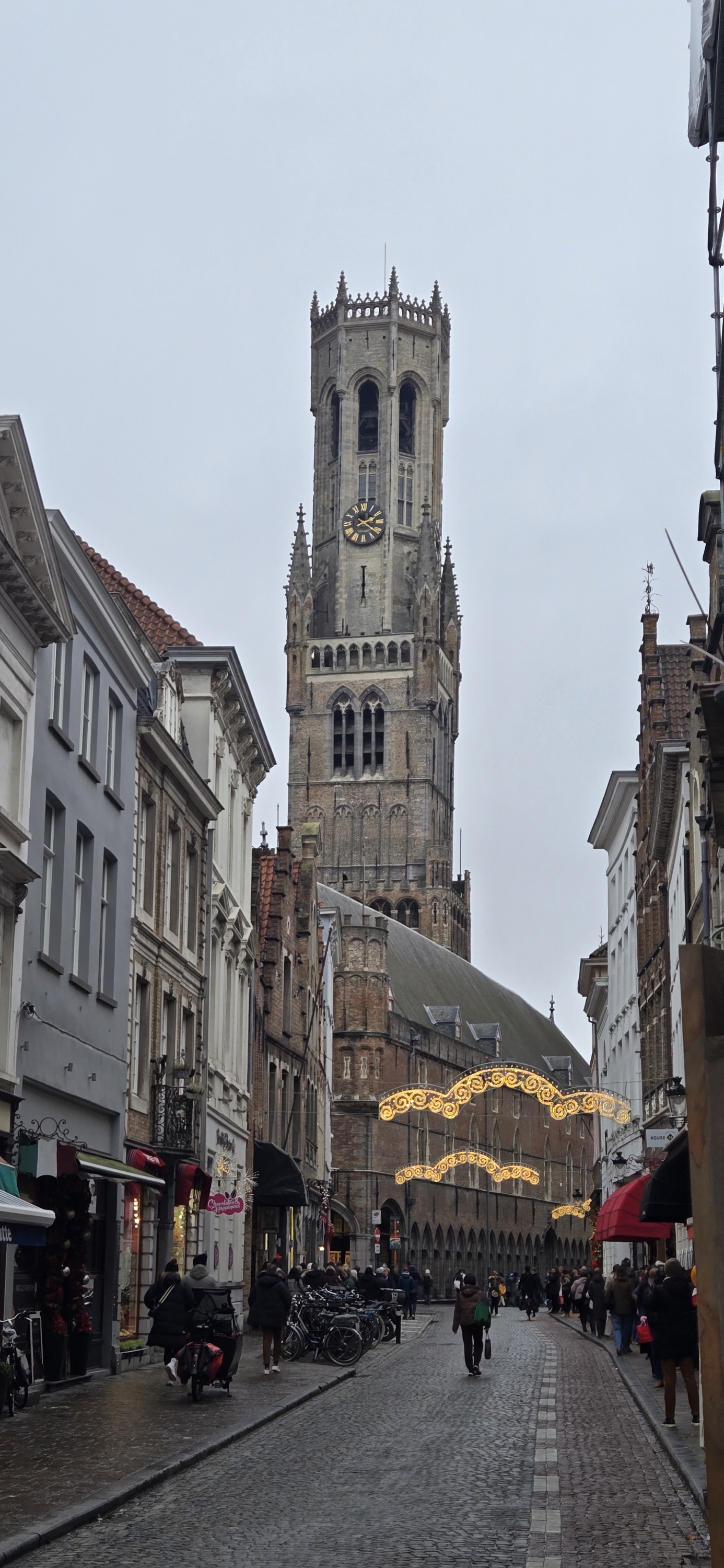
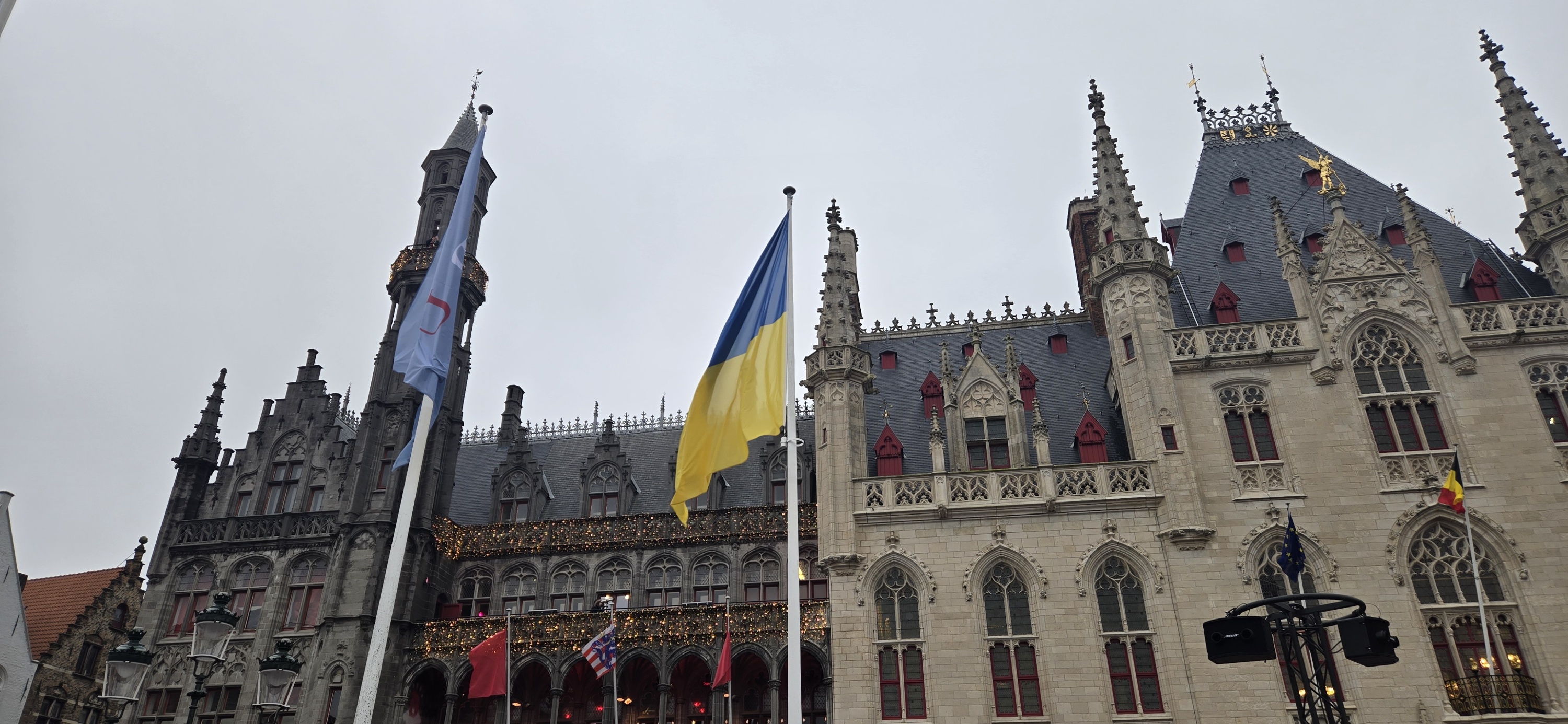
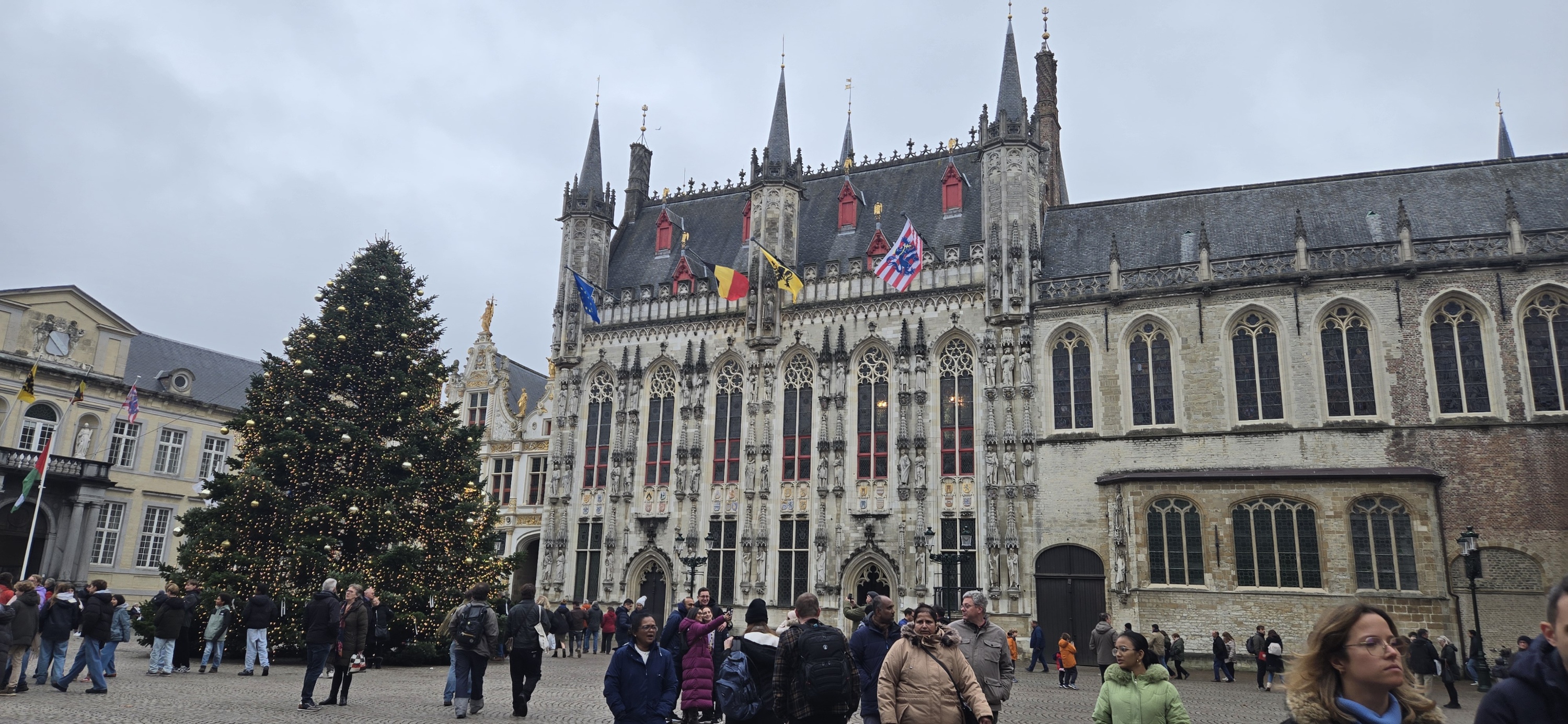
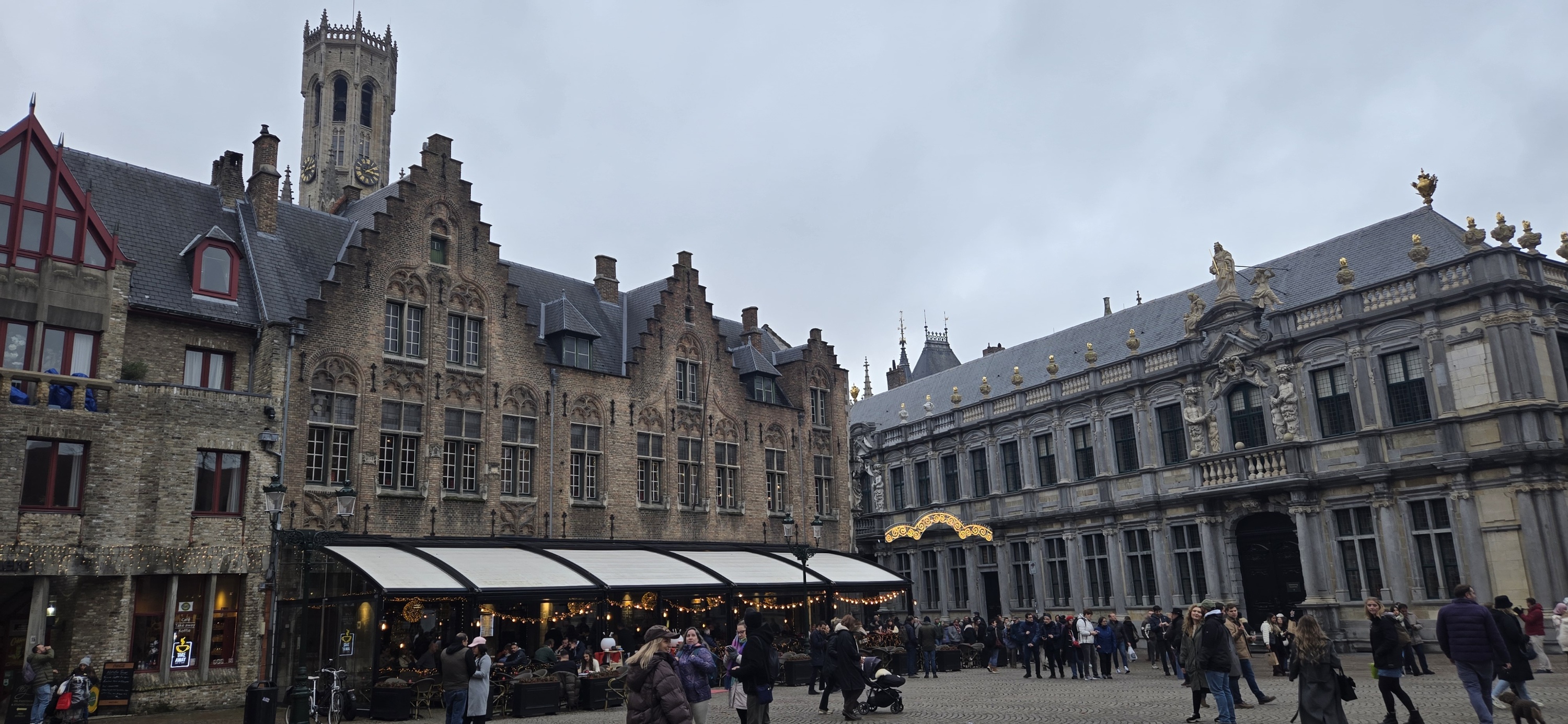
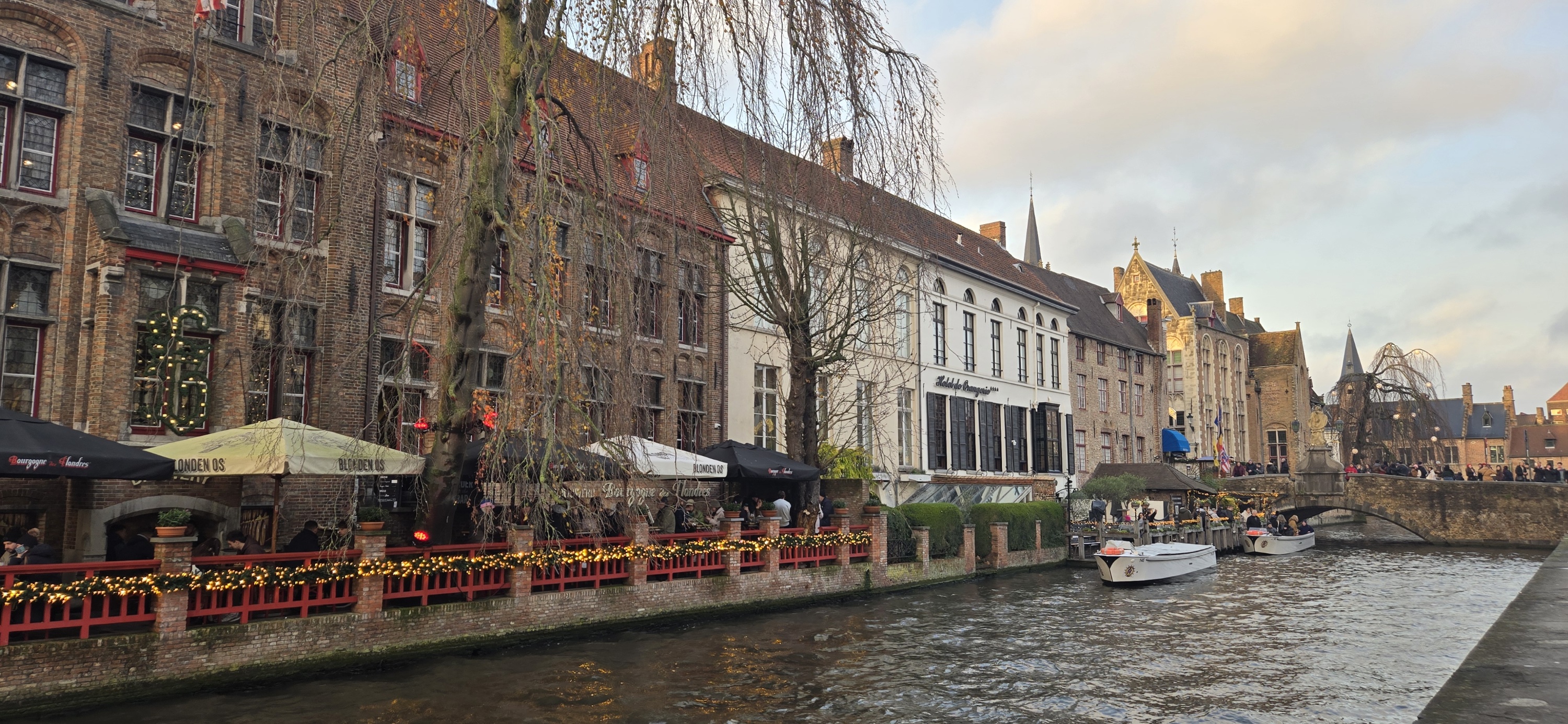
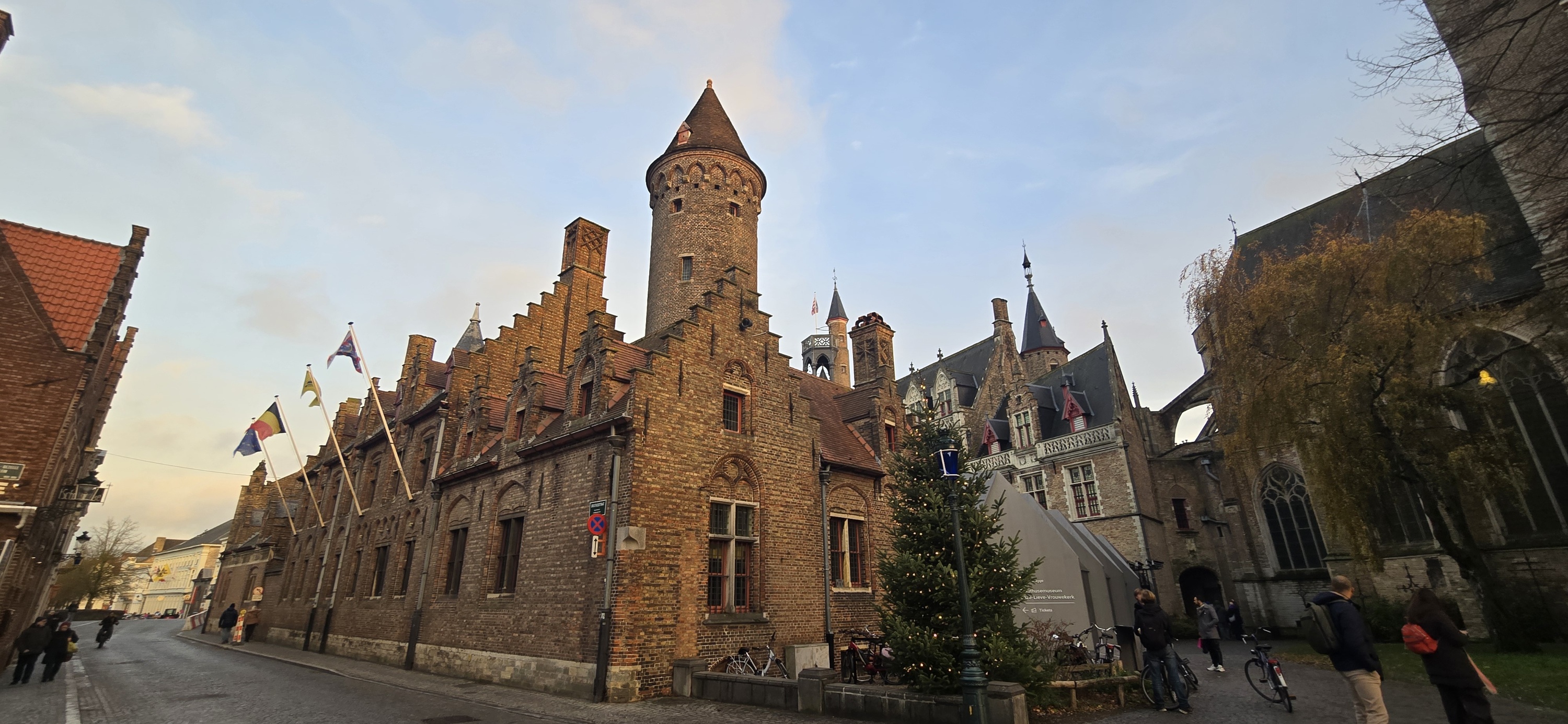
We had a lovely day in Brugge (I do not call is “Bruges”), that most picturesque of Belgian towns, despite our car being towed from a no parking zone.  We retrieved it and continued to have a lovely time despite the car subsequently being totaled in an accident halfway through our two-week trip.  It was a most bizarre thing:  we were stopped at a red light in a small town called De Panne (which literally means “breakdown”) and were suddenly rear-ended by an old man who apparently should not have been driving.  It was a small European car, but it should have still been visible in broad daylight. 
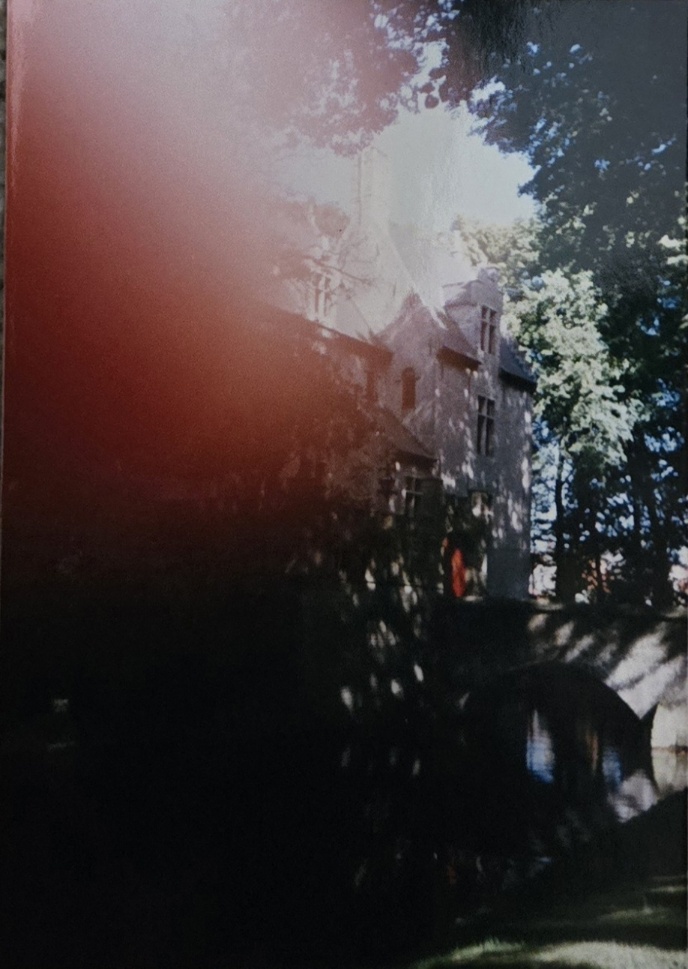
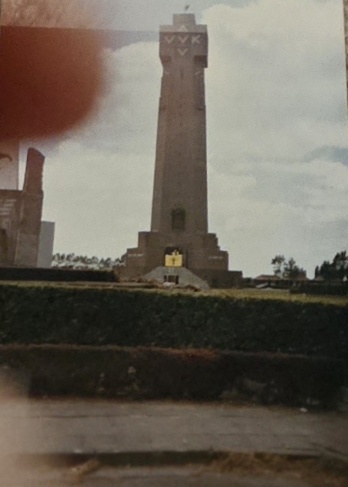
By macabre coincidence, similar to the one when my dog was hit by a car in care of a dog sitter while spouse and I were touring Dachau, the accident happened on our way back from visiting the World War I Trench of Death in Diksmuide.  We then arrived too late for an excursion at some castle, were detained by cows crossing a road, and decided to skip our customary café outing to rush back to Koksijde to see “Amadeus” at a movie theater.  It was a veritable Appointment in Samarra, albeit significantly less fatal.

I was awed then, and remain to this day, by the composure of my Dutch mother who, after some deliberations with adult family members, made the decision to continue our holiday sans auto.  If there was any stress, tension, or worry of any kind, it was either not recorded by me (extremely unlikely) or she assessed the situation and moved on with minimum disruption and maximum determination.  I see no similar scenario in which I or any member of my biological family would not completely freak out and flee.  There was some talk of leaving me with the adult (21 year old) cousin, but ultimately (after learning that this is not permitted by the exchange program’s rules), all four of us rented bikes and proceeded to continue to enjoy our holiday.  Special mention goes to the now defunct bee-themed amusement park, Meli Park, which we visited and found hilarious in its earnestness, and to me, who rode a bike like a [very sore] champ and held her own [at a somewhat lower speed] among the Dutch. And we also saw “Amadeus”.

I managed to visit Antwerpen once more.  In college, another Dutch cousin and I went there for the weekend by train to visit her brother (the cousin of the family vacation fame) and his then boyfriend.  I remember walking through some heavy iron door into the deafening noise and strobe lights of a disco and drinking a lot (“I drank three mugs of beer and a shot of Baileys”, I wrote then).  I remember that we slept through the day and have not a single recollection of seeing anything of the city, but the diary says that “during the day we walked around Antwerpen.”  I took several photos of all of us, and for that I am grateful, because “some are no longer there, and others are far away”, as Pushkin famously said (sounds better in Russian).  I cherish the memory of that weekend with my Dutch cousins; the city is just background noise.

That same summer, my roommate Kathy and I https://oldladywriting.com/2021/04/10/meet-me-in-sistine-chapel-or-rome-second-try/ did that European train loop which had us crossing Belgium on our way to and from Luxembourg.  We missed our connection in Basel and spent the night in the cold train station. The next train to Brussels was full, and we hopped on the one going to Calais (the joys and perils of Eurail Pass!).  In Thionville, the train split, and while I was checking to make sure there was room for us, I almost left without Kathy, and we again ended up waiting in a train station.  But, there was a vending machine that yielded an extra cookie, so there was that.  This is all to say that by the time we finally arrived in Brussels, we were so excited about real beds, hot shower and impending hot breakfast (included) that we decided to skip the city altogether, though we did make it to Brugge in passing, mainly hunting for lace doilies.

I never saw Brussels to this day, Antwerpen remains a mystery, but the Flemish Coast is a very fond memory.  To be continued…

Featured

More than Dracula

And then I went to Romania.  It was not on my bingo card in this lifetime.  It was not on my bucket, or any other, list.  In the hierarchy of the Soviet Block, Bulgaria was the most accessible, and there was that personal connection that I already mentioned.  DDR was glamorous and had amazing, coveted toys that sometimes found their way to our stores. Yugoslavia was practically The West.  Poland, Romania, Hungary, and Czechoslovakia were somewhere in the middle, and I never knew anyone who visited these countries. 

The 1980s brought a version of Romania into my own life in the person of my stepfather.  As a teenager going through a trauma that informed her entire life (to which he himself was not a minor contributor), I only listened to his stories on the good days, and those were few and farther between.  He was born when Romania was still a monarchy, and left it for good during the next to last and not even the most brutal decade of Ceauşescu’s reign.

This is what I remember, and there is no one around who can challenge my [faulty] recollections. Like many, his family of well-to-do landowners suffered when the Communists came.  There was a last name change, family separation, exile to a remote village, and the eventual cloak and dagger story of fleeing with his two friends Gheorghe and Mihai (straight out of Romanian central casting) with visas to Hungary which were then altered to get to Austria and with the ultimate goal of defecting to the U.S.  He hated communism with a passion that was matched only by his hatred of everything Russian—and I hope you see the bitter irony in that.  The ‘80s were not great for the Soviet Bloc, and for Romania in particular, though the very end of the decade finally brought the long-awaited relief.  Some of those countries are democracies still…

My BFF of the annual girl trips and I were talking about making the pilgrimage, but somehow it seemed too fanciful.  And then one day, it just didn’t.  I figured, if guided tours were going there, it is no longer the place from which to flee.  I know, I know, it has literally been decades, but those early memories last the longest.   My friend’s grandmother came from Romania, but in a way of turn-of-the-century immigrants, from Transylvania via Ellis Island.  Her childhood impressions of the far away ancestral home were quite different than mine.  What a difference a few decades (and a mad dictator) make!  I am happy to report that she found the Romania of grandma’s stories; I found only a shadow of my stepfather’s.

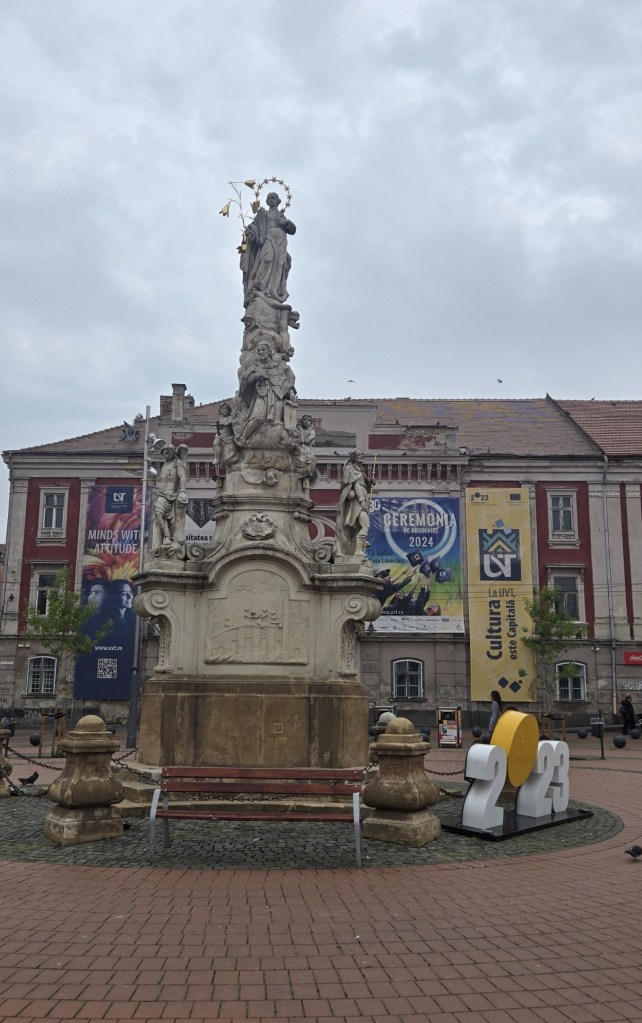
Arriving in the Western part of the country, I saw not even a hint of the dark and depressing past of the previous regime.  It could be that, on a guided tour full of Americans, we were only shown the best parts, but we had enough free time to see beyond any potential Potemkin villages.  Our lovely, warm, spirited tour manager warned us more than once, with just a hint of apology, that we will see some remnants of the Communist times, such as our hotel in Timisoara which, while the best in town, was ostensibly less luxurious than other hotels on our tour (but as for me, I concluded that all the hotels in which I usually stay are apparently “Communist”, including in places where Communists were not known to have made any inroads!).  If this was the only outward reminder of that era, it was truly nothing at all.  Instead, Romania unfolded as a land full of natural, architectural, and culinary wonders.

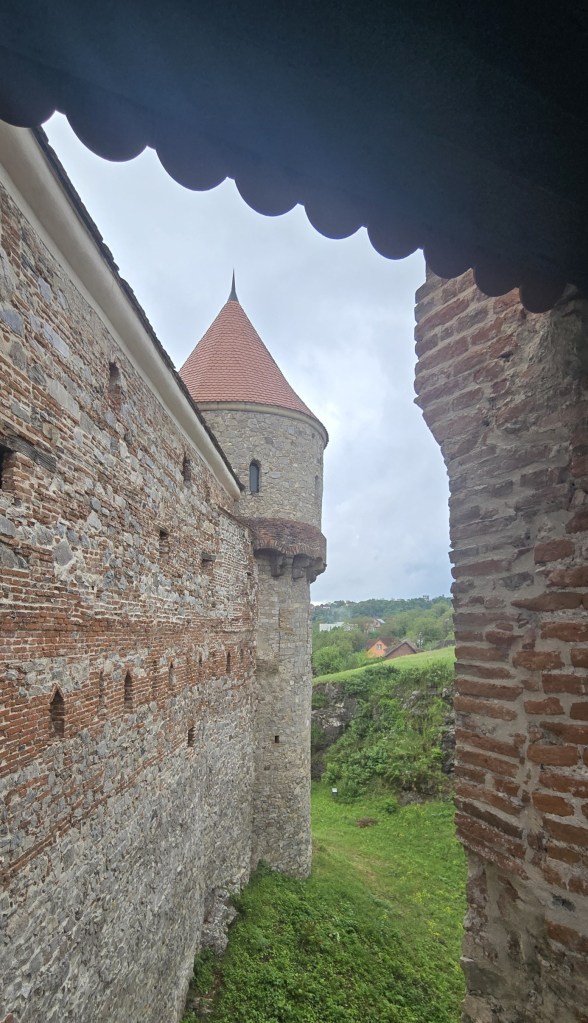
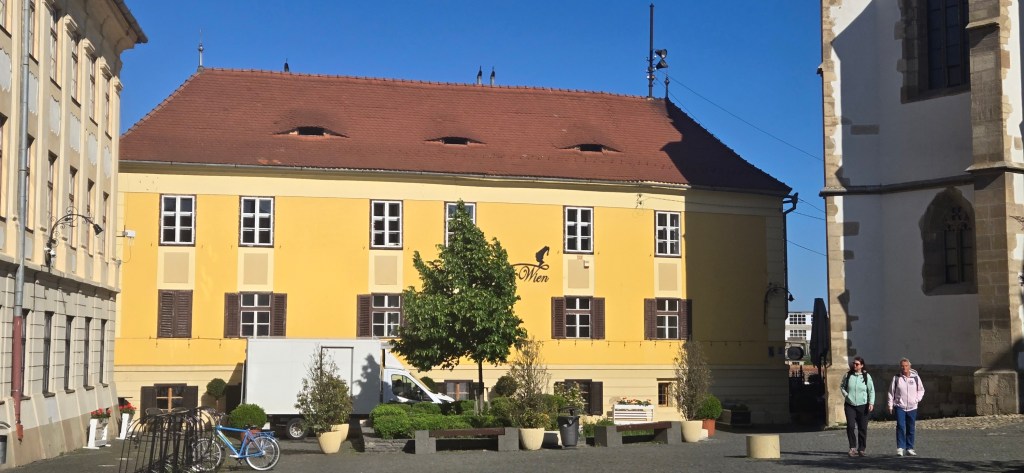
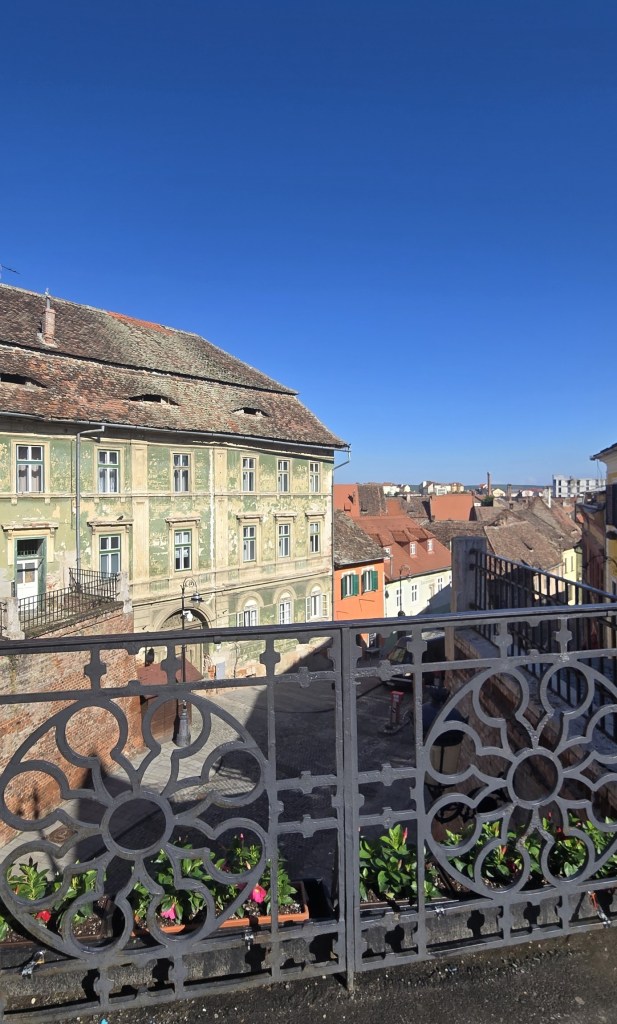
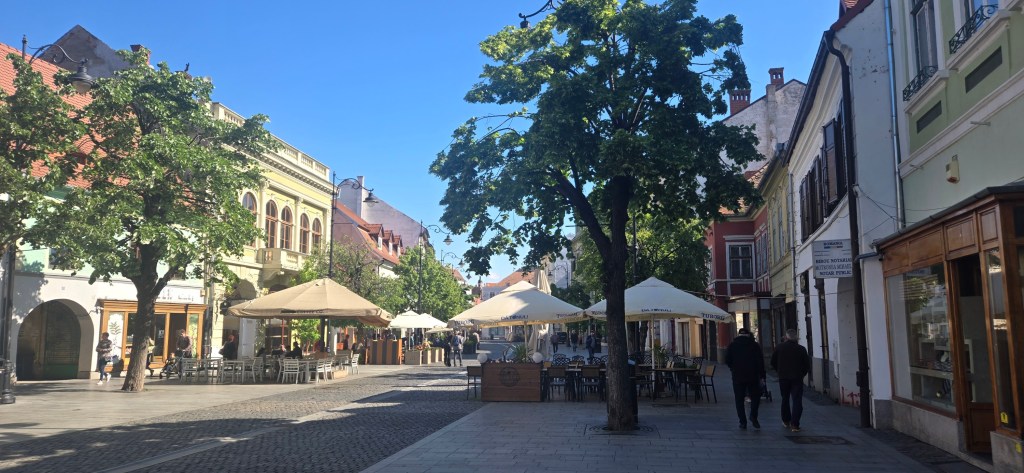
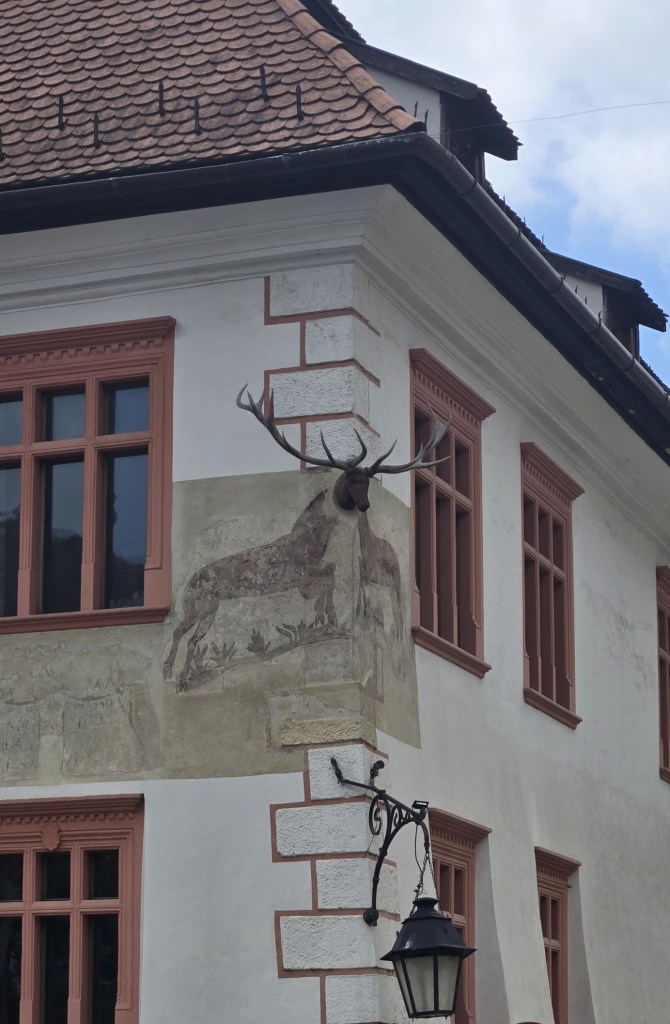
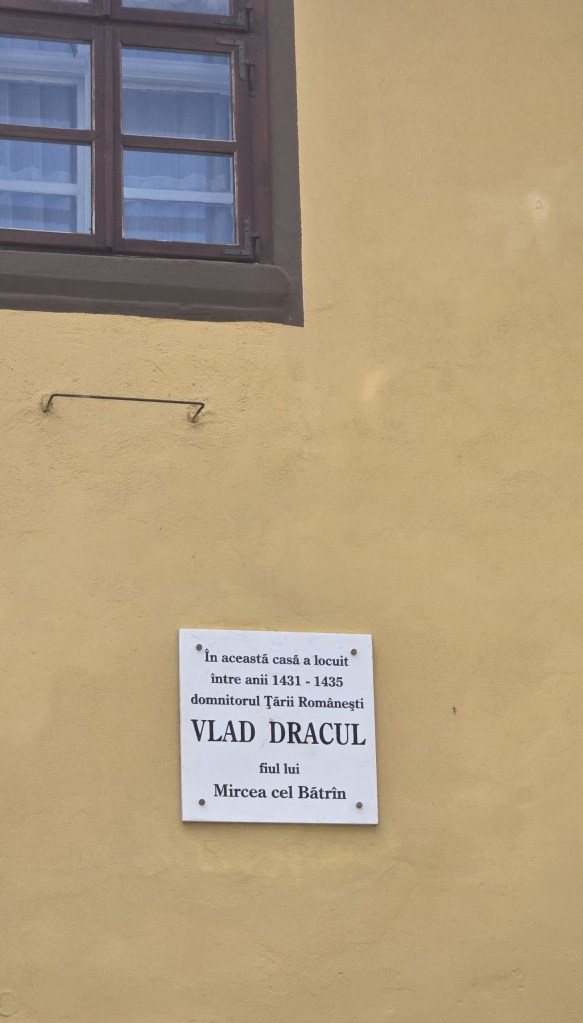
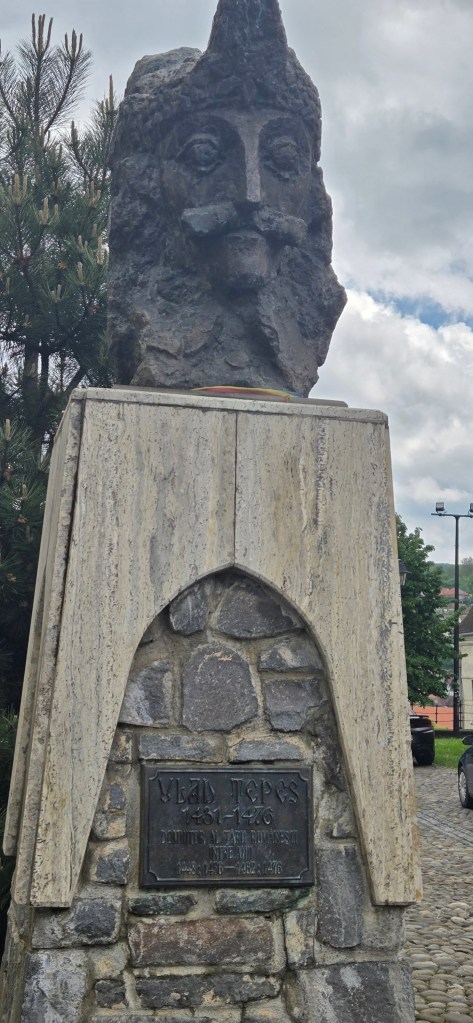
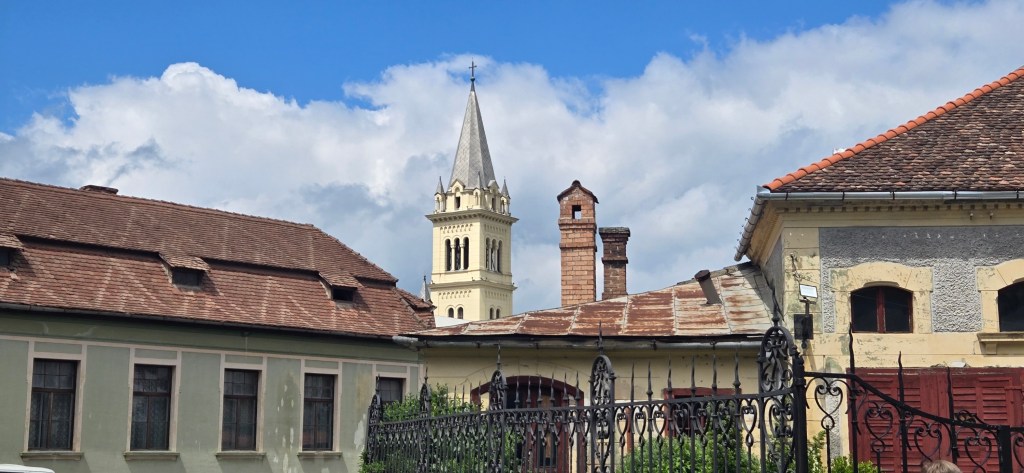
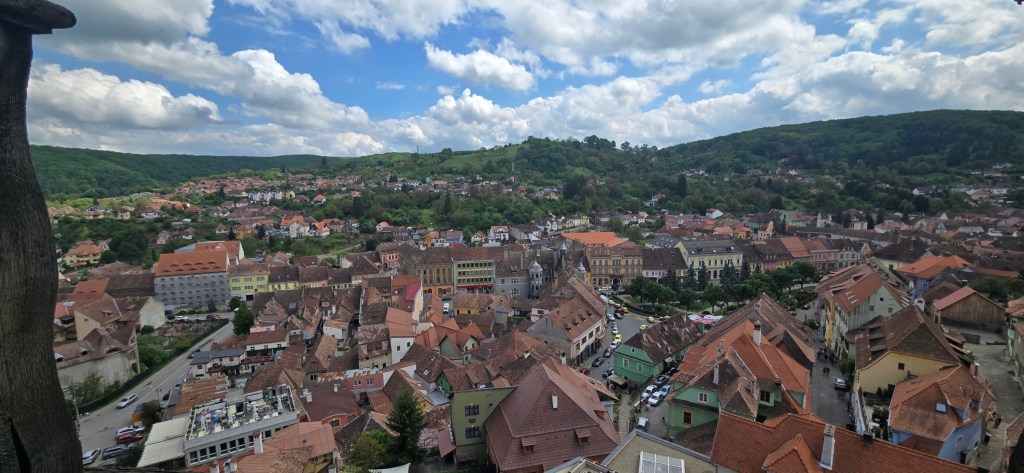
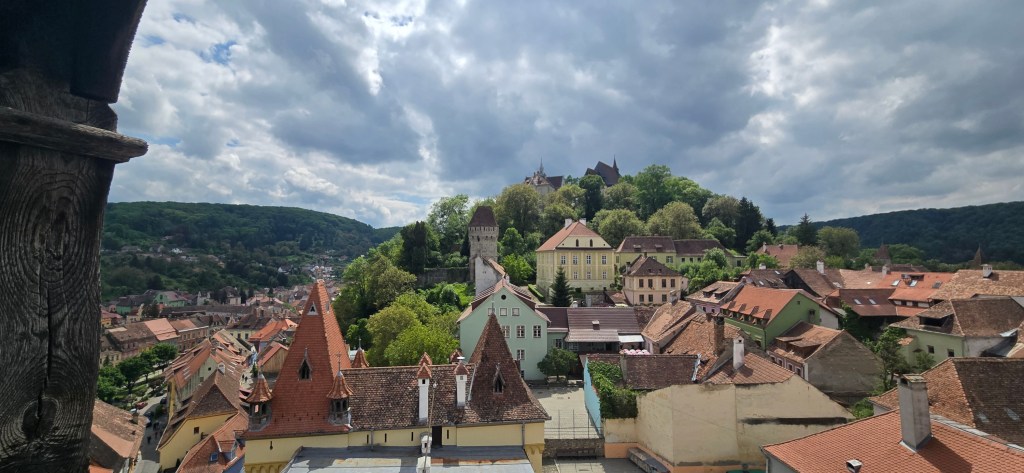
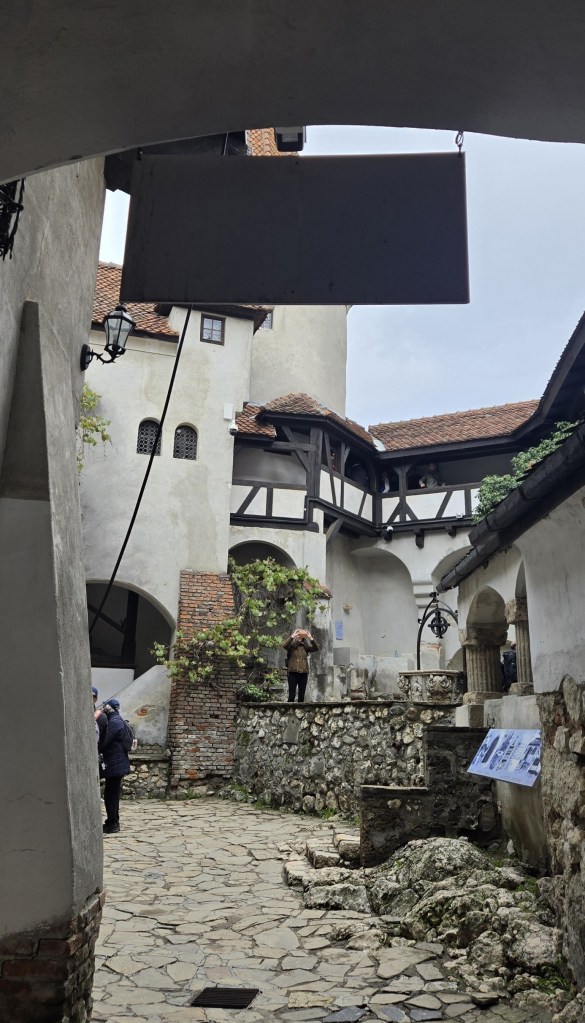
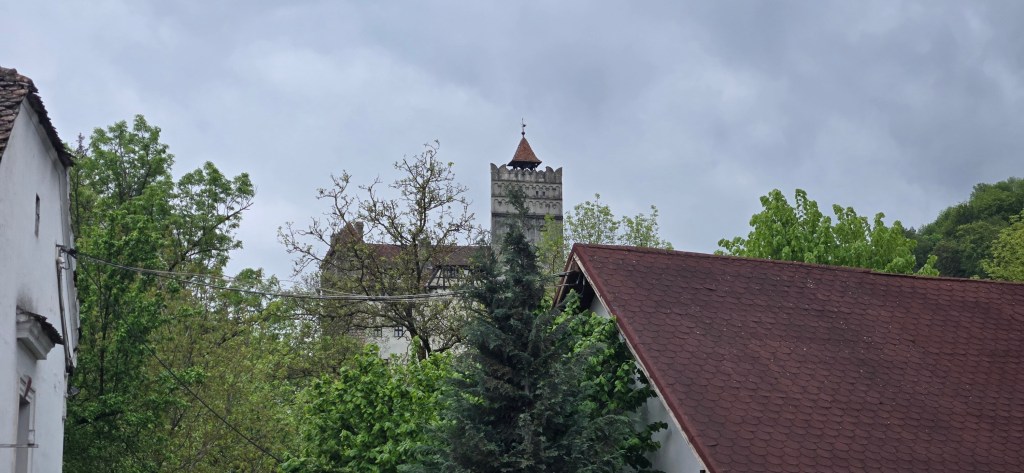
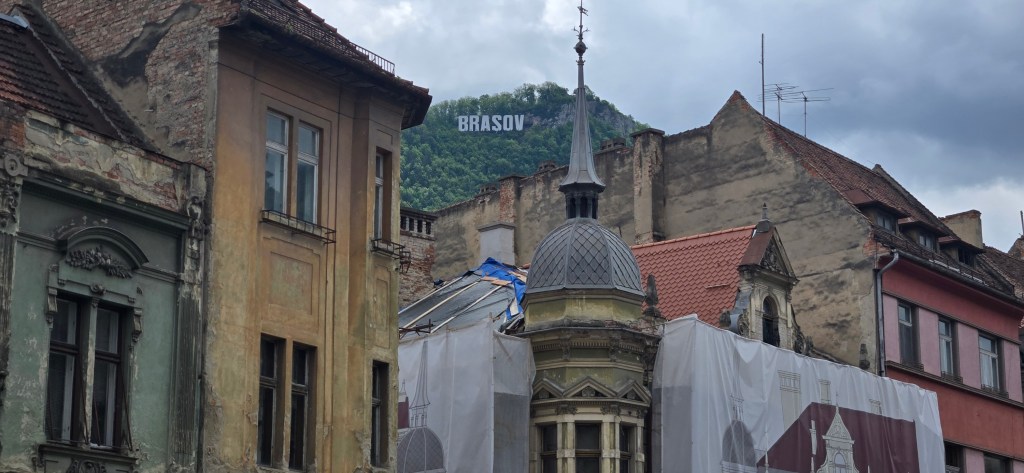
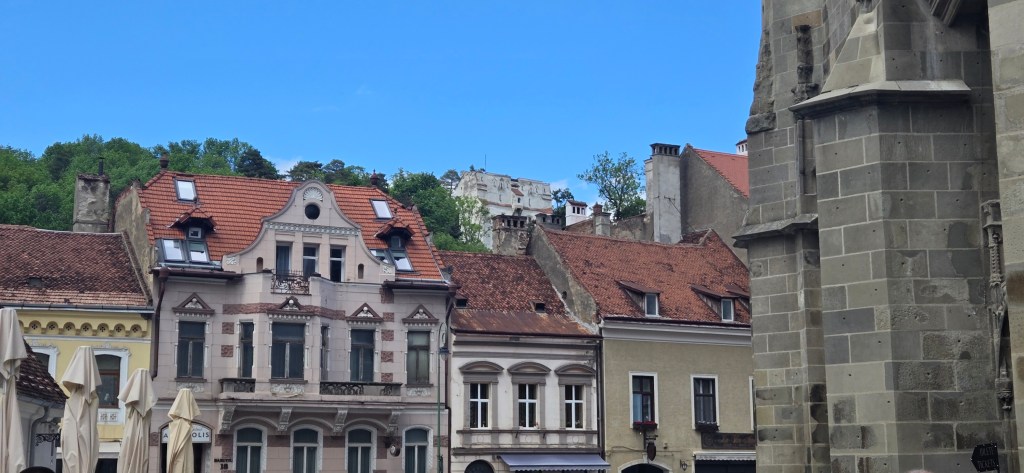
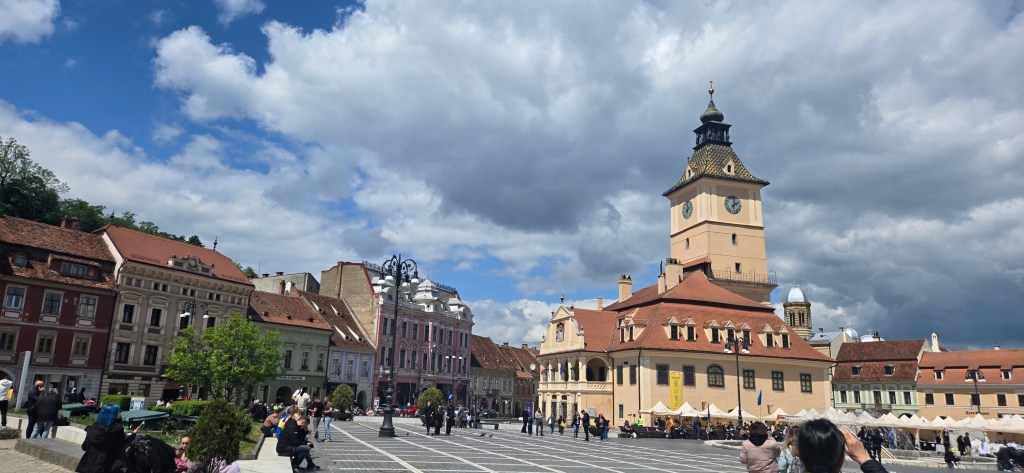
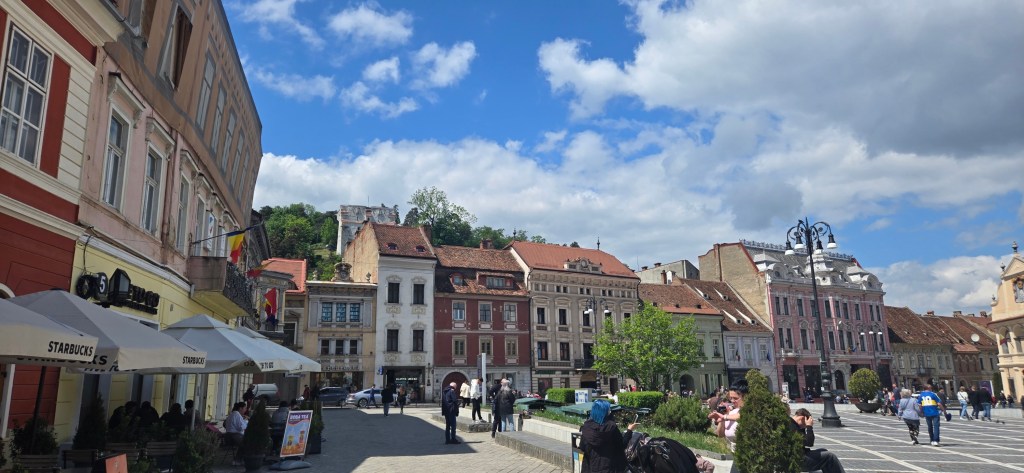
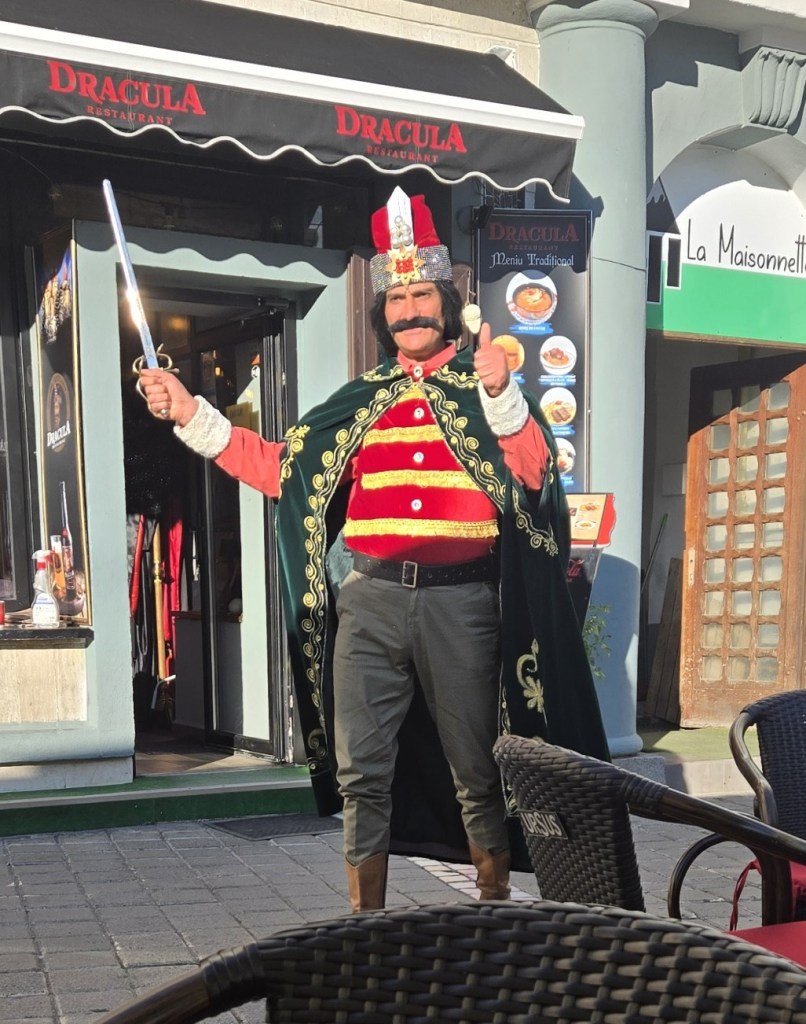
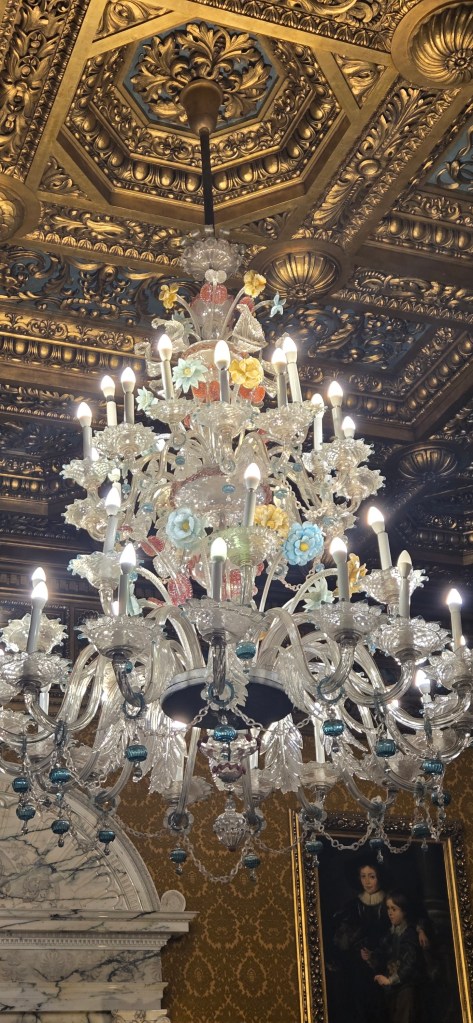
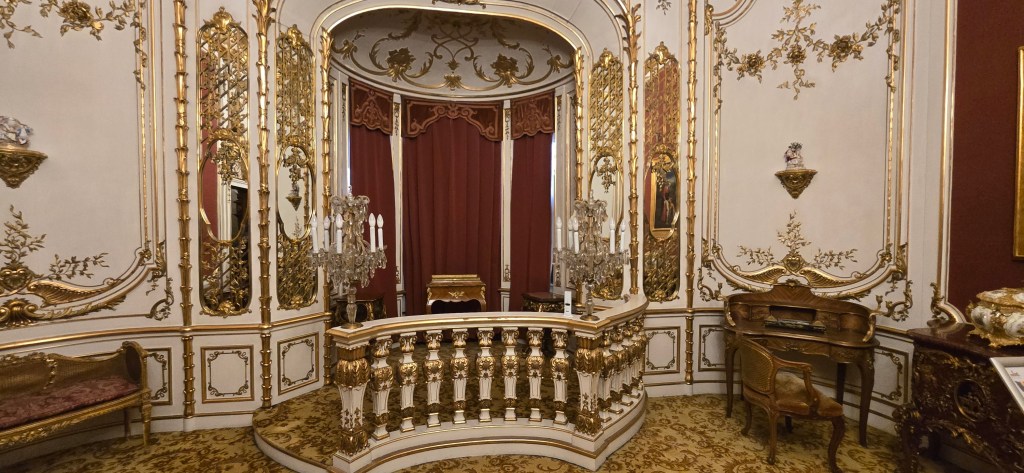
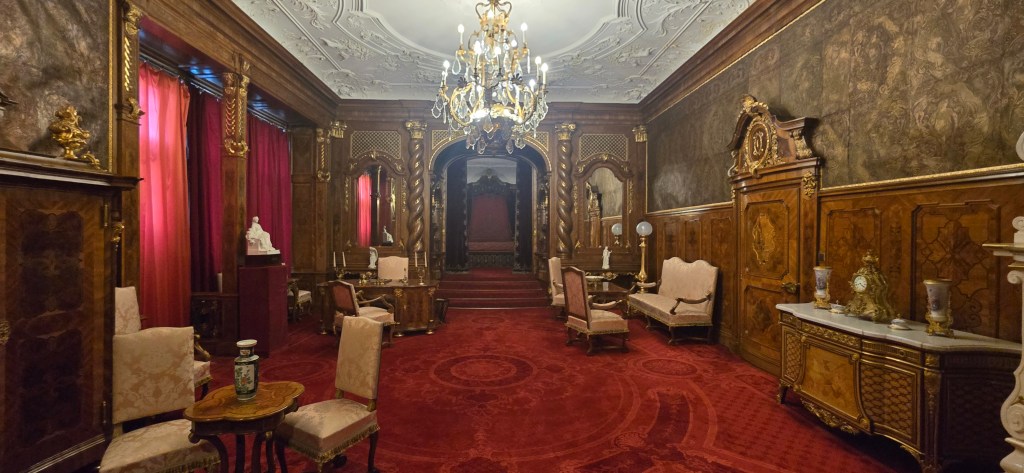
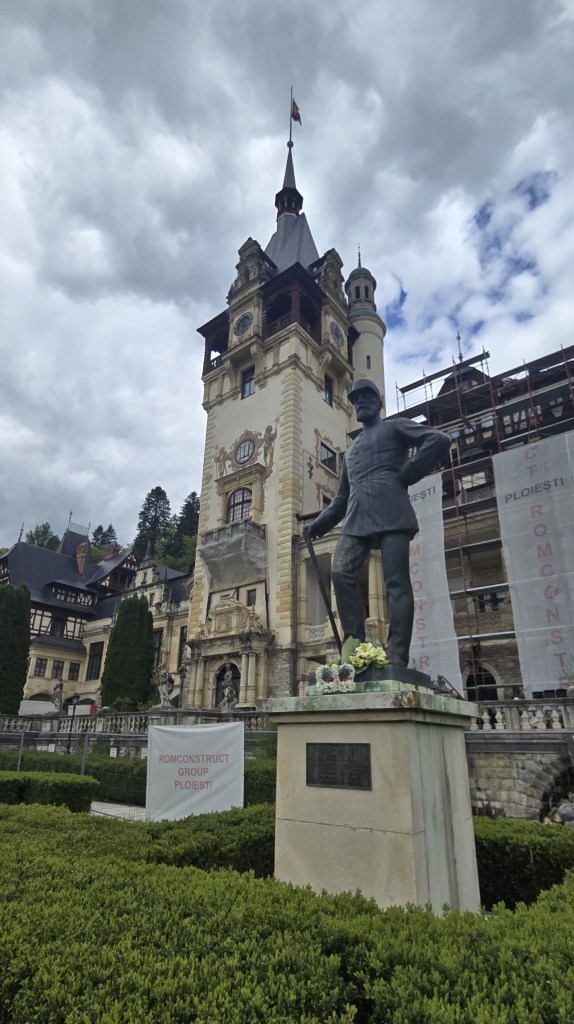
We saw castles: Hunedoara’s Corvin Castle, as intricately feudal as anything France has to offer; Peles, an opulent gem of a palace; Bran, of Dracula fame, both charming and historic and surprisingly unspoiled by its reputation, and towns: Timisoara, where Romania’s present was born, with its three distinct, gorgeous squares; Sibiu, full of small-town European elegance; Sighisoara, with its medieval cobblestone streets and a clocktower with a view that takes one’s breath away; and Brasov, charming and joyous, full of unexpected delights like sampling local wine in a beautiful garden, jubilant Europe Day celebration in a square right below our hotel window, and Dracula himself roaming the streets.  I did not know what to expect, but I did not expect this.  I hate to say “normal”, because what is that, really, but “normal” is the word that kept coming to mind.  After all the suffering, the deaths, the people fleeing into the diaspora, normal would be enough.  But it is more than that.  It’s glorious.  It’s absolutely wonderful.

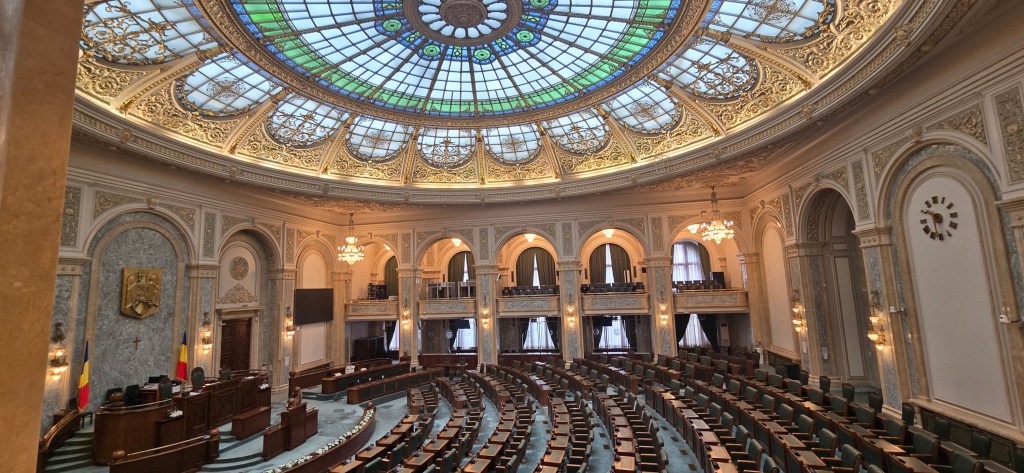
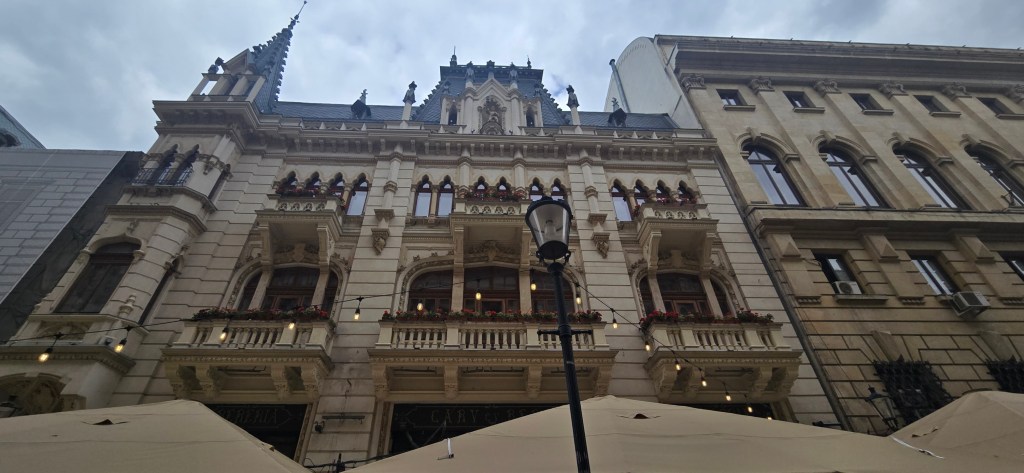
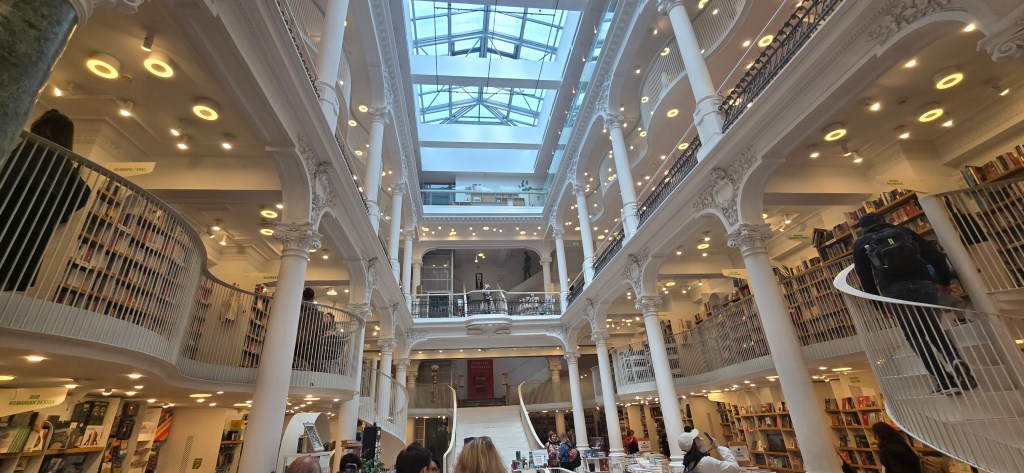
I did not see the Romania I thought I knew, if vicariously, until we reached Bucharest, and even that took a minute, for we arrived on the weekend, when the central street of the city, Victory Avenue, was closed to traffic for a kind of an extended block party.  People were promenading, music was playing, food was being served everywhere, and it felt like the whole city was out and about, enjoying a warm Sunday night.  The memories flooded the next day, with our walking tour.  Just steps from our hotel was the Revolution Square.  Our guide was telling us about how the dictator would speak from the balcony of the building of the Central Committee of the Communist Party, and my heart just broke.  To the rest of the group, most older than me, these were just words of unfamiliar history, a curiosity.  To the guide, a man younger than me, it was his entire childhood.  We spoke briefly; we understood each other viscerally, survivors of the tangentially shared past.   This country has been through so much, and so recently, and you would not even know it unless you knew for what to look—and listen.  A quarter of a century under a dictatorship, under a cult of personality, all those lives lost or irreparably damaged…  The mind boggles that anyone would choose, or even just flirt with, tyranny as a form of government, but the extra heartbreak is that people do not learn from the lessons and losses suffered by others.

My stepfather and I had a complicated relationship all the way until his death at age 56.  In the grand scheme of things, he died less than a year after Ceauşescu, and never saw this version of Romania that I just did.  And that makes me more than a little sad, for everyone deserves to see their homeland thriving and free.

Featured

Thank You for the Alphabet!

We had a saying back in the day, “Chicken is not a bird, Bulgaria is not abroad” (sounds better in Russian).  It meant no real disrespect; I am certain it came from a place of envy.

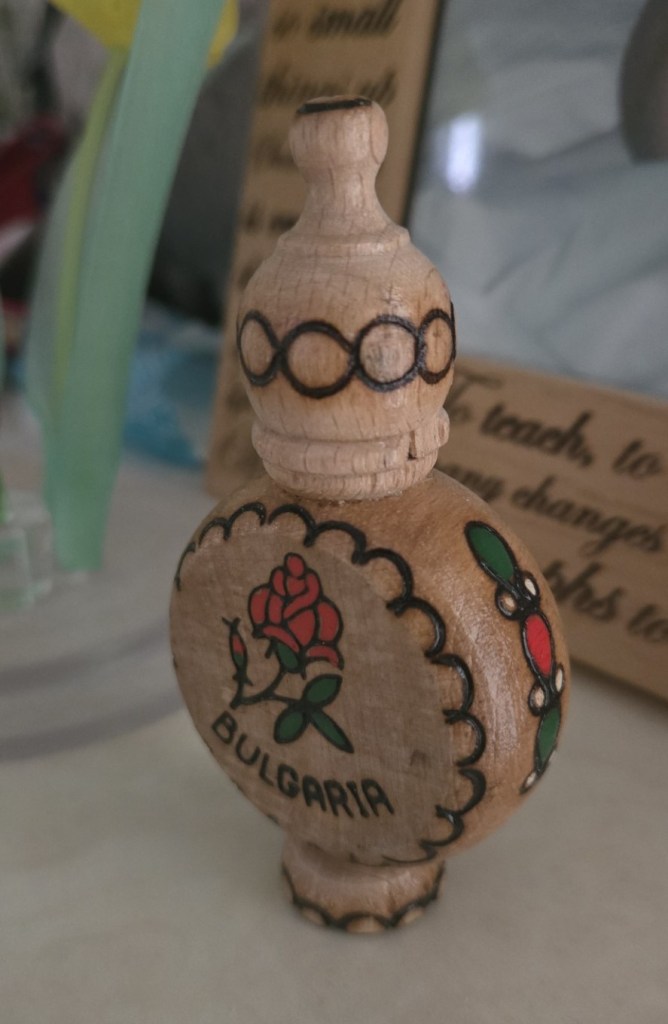
Everyone I knew had one of these little bottles with rose perfume

A close childhood friend of mine lived in Bulgaria with her parents until her father, who was stationed there, died in an accident, and she and her mother returned to our provincial town and our quiet little street.  For years, they would be visited by Bulgarian friends who spoke lightly accented Russian and brought amazing toys and delicacies.  I heard so much about it in my childhood that I felt like I kind of sort of knew it. 

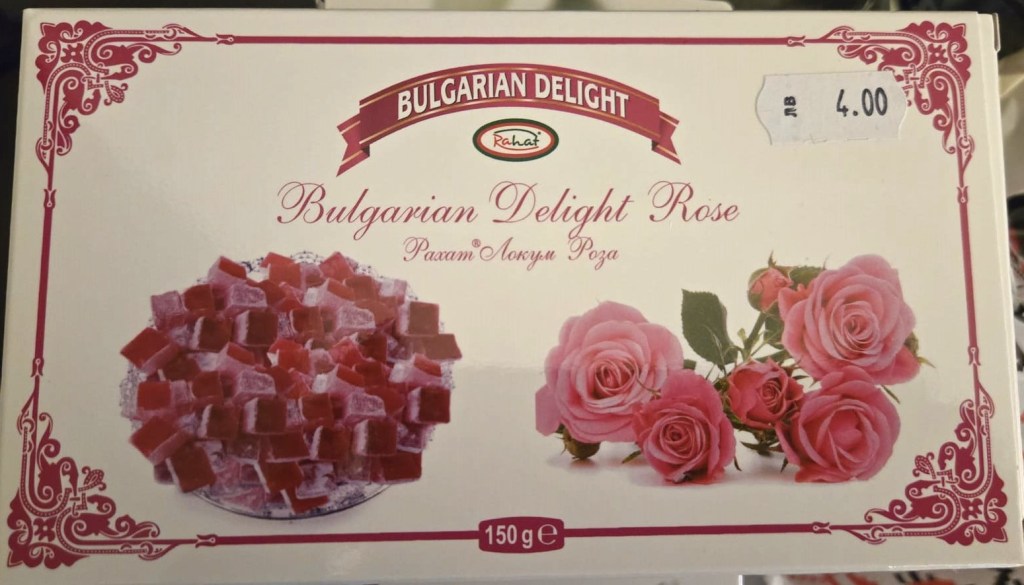
And lokum, this most delectable of desserts!

Bulgaria seemed like us but better.  The people looked, spoke, and dressed a lot like us (though, of course, more fashionably), but were friendlier, less care-worn, just brighter somehow. I imagined their cities were cleaner, and of course the stores were full of treats.  We were supposed to be the biggest, the best, and the most powerful country in the world, but according to numerous accounts from these real people, they had more of everything.  It was a paradox that remained unresolved in my childhood.

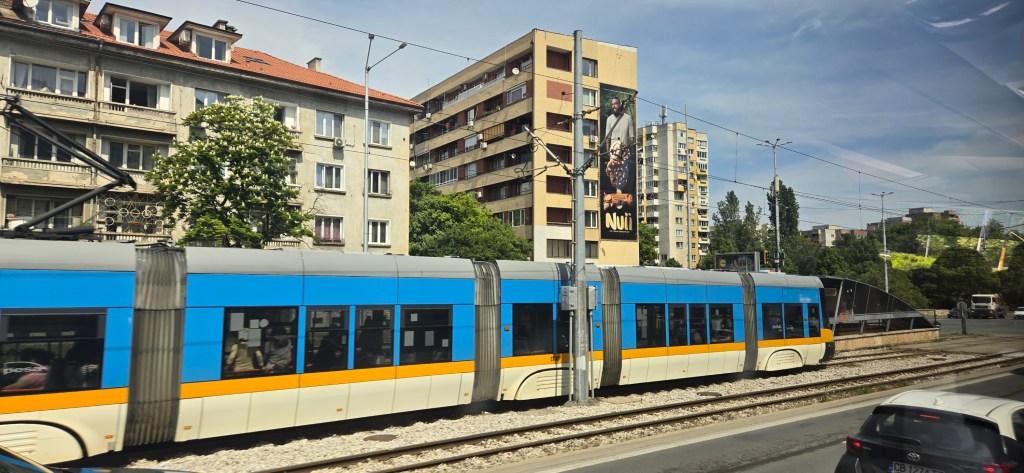
Finally coming to Bulgaria, after imagining it for decades as a fairy tale land of plenty, I found that counterlife I never really lived.  So far away and so long after my childhood, I take the concept of plenty entirely for granted.  Instead of being excited by the exotic otherness that I would have expected to see as a child, I was touched by the occasional glimpses into the past.  The trams and trolley buses.  The tree-lined streets with slightly uneven pavement.  The post-war Soviet-style buildings.  The city parks with benches full of people just hanging out on a warm spring evening.  The onion-domed Orthodox churches.  And everywhere, the signs in Cyrillic. 

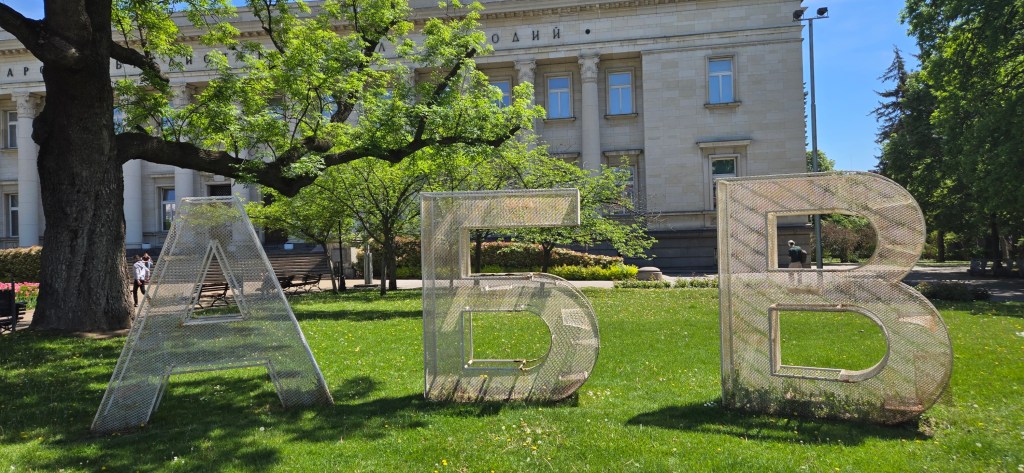
Coincidentally, Sanaz Toossi’s Pulitzer Prize winning play “English” is currently nominated for the Best Play Tony Award.  I saw it performed locally, and sobbed through the whole thing.  One quote stays with me: “When I speak English, I know I will always be a stranger”. I have been a stranger in a strange land for decades.  I speak a foreign language in my home, to my children.  I do not know Bulgarian, but just the cadence of it and the occasional words I could pick out in this native-adjacent language was music to my ears. And seeing familiar letters everywhere, effortlessly reading signs, just absorbing the words, well, that was balm to my eyes—and my soul.  Thank you for the alphabet, Bulgarians Saints Cyril and Methodius!

National Library named after Sts. Cyril and Methodius, naturally

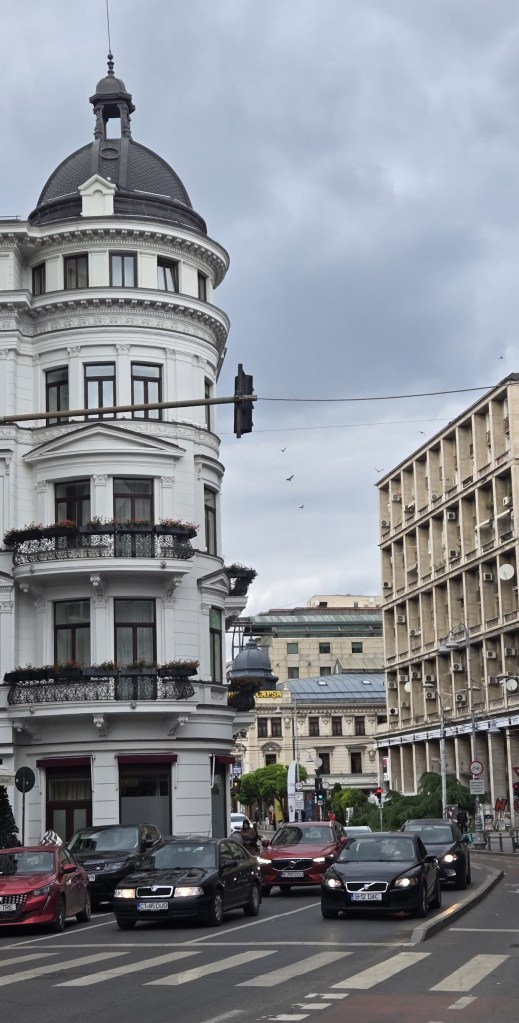
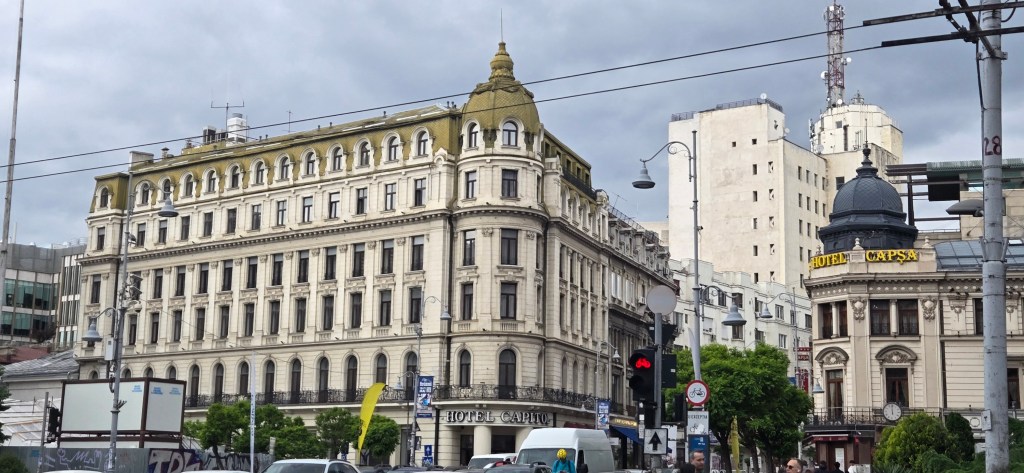
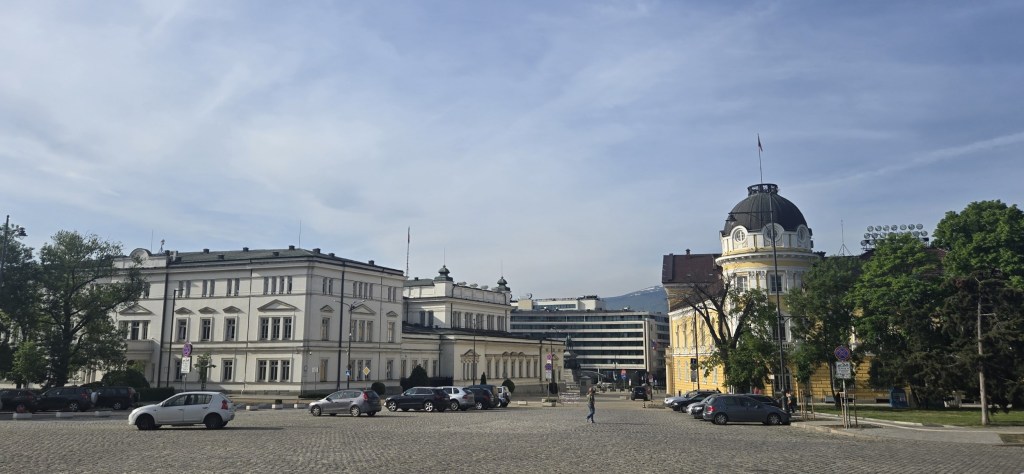
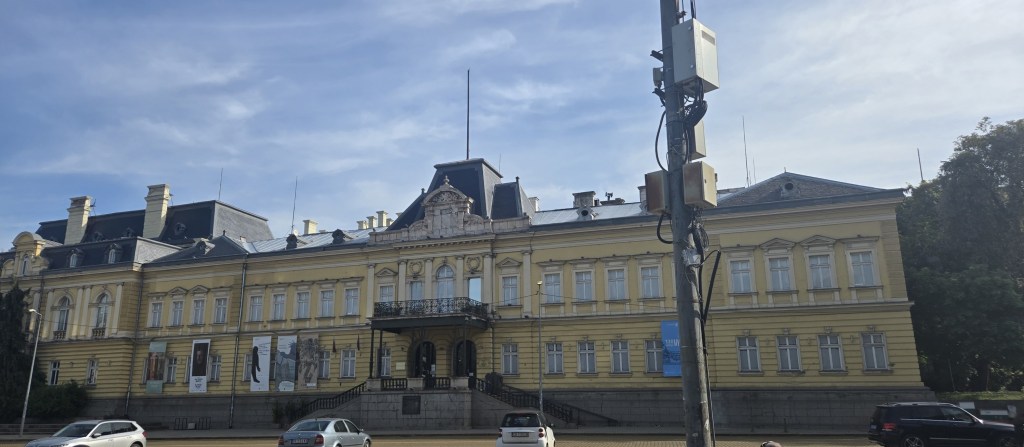
As soon as I arrived in Sofia, I went for a walk that was both purposeful, soaking it all in, and aimless, just wandering the streets and searching for the memories of that parallel childhood.  Walking on the Tsar Osvoboditel Boulevard, taking the slight curve and suddenly seeing the National Assembly building with its tri-color flag, I almost mistook the green stripe for blue.  I could have been in Moscow (had I ever wandered around Moscow on my own—I never have).  It could have been 1972 (if one ignores the modern cars zooming by).  Everything was both larger than my own hometown (for Sofia, after all, is a capital, while I come from provincial backwater), yet small enough to feel familiarly nostalgic. In short, just as I dreamed it would be…

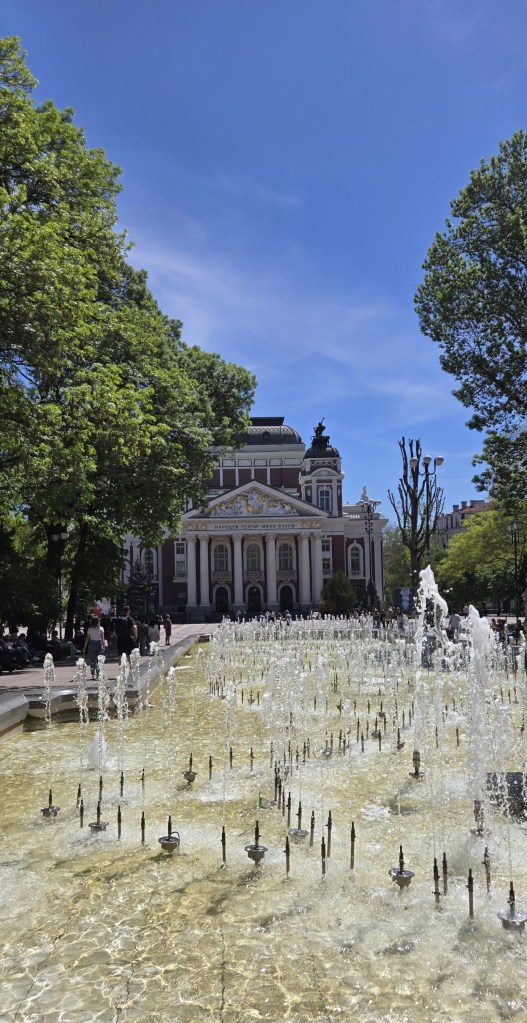
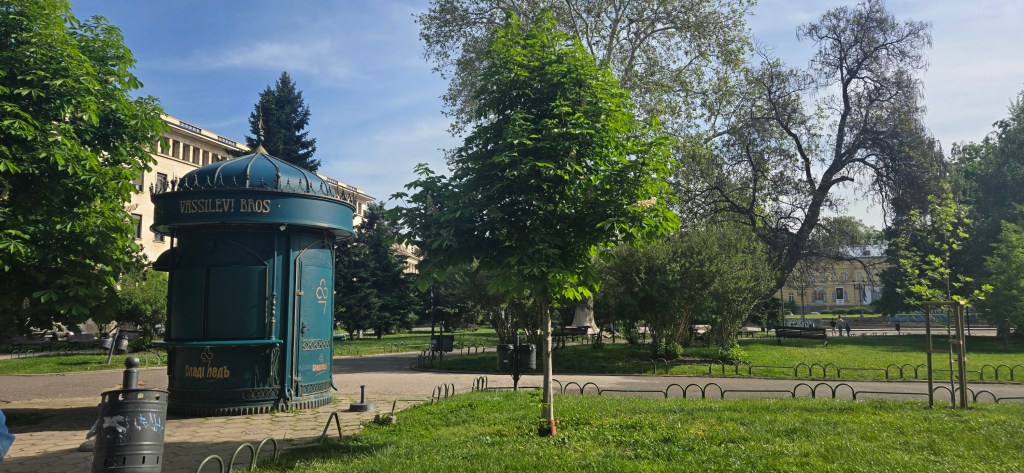
I wandered through the lovely City Garden, and came upon the beautiful neoclassical building of the National Theater named after Ivan Vazov where I saw a poster for the upcoming production of none other than “Rosencrantz and Guildenstern Are Dead”.  How I wish I could have seen it there! 

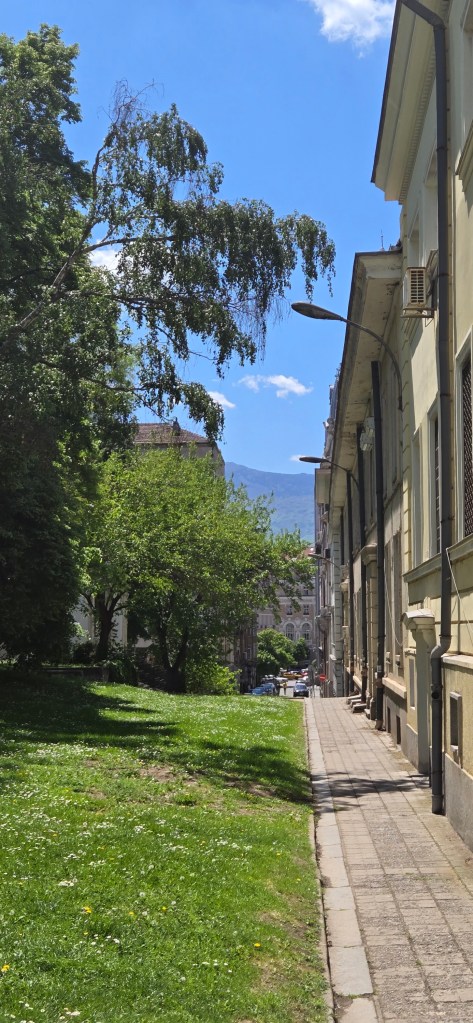
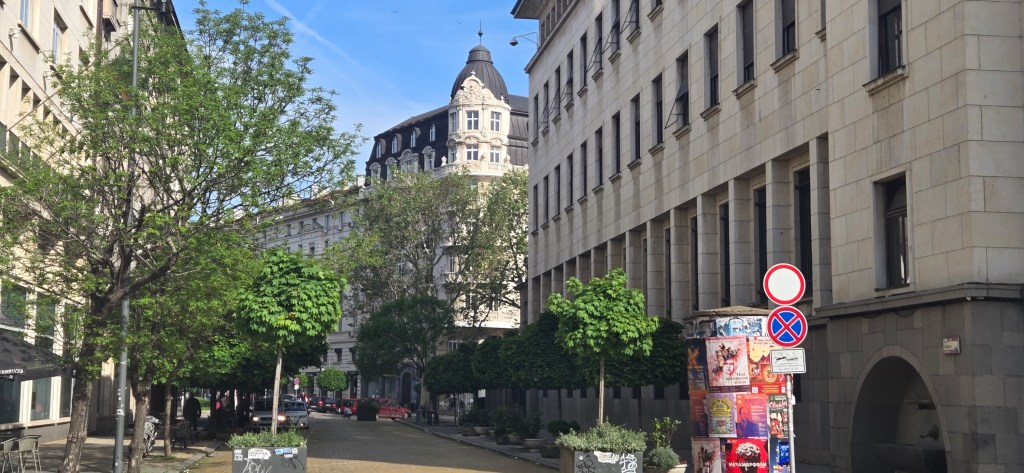
This mix of green spaces, cheerful fountains and colorful flower beds, elegant pre-war buildings on cozy streets and imposing post-war ones on wide avenues, it was all so recognizable from another place and time.  Vitosha Boulevard, the lively pedestrian street with rows of stores and outdoor cafes was the one place that stood out as belonging strictly to the Western, European Union present.  We had nothing like that during the Soviet era.  And even that was heartwarming, a confirmation (as if I needed one) that there is no stagnation, life marches on, and new and wonderful things continue to happen. This is not just an imaginary country of my childhood, but a thriving, vibrant, warm and beautiful land of dynamic present and promising future.

And speaking of Tsar Osvoboditel (Liberator), none other than Alexander II of Russia, who freed Bulgaria from the Ottoman Empire:  my great-great-grandfather fought in his army.  I do not know if he fought in the battles for Bulgarian independence, but I choose to imagine that he did.  I do know that the fact that he was “Alexander’s soldier” decided my family’s destiny, for it enabled him and his descendants, including my beloved maternal grandfather, to live in Russia proper, beyond the Pale of Settlement.  So I have feelings of gratitude to Alexander II that are at least as warm as those that Bulgarians still seem to harbor.   In Russia, he earned his moniker for the emancipation of the serfs, but in Sofia, his impressive monument bears the inscription “To the Tsar-Liberator from grateful Bulgaria”.  He seems to have been the last of the decent ones, as far as Tsars go.

I only spent two days in Sofia, two glorious, beautiful sunny days at the beginning of the longest vacation I have taken in my adult life (10 days).  If I never make it to the land of my actual childhood, I know where to look for a substitute.

Featured

Lyon and Environs

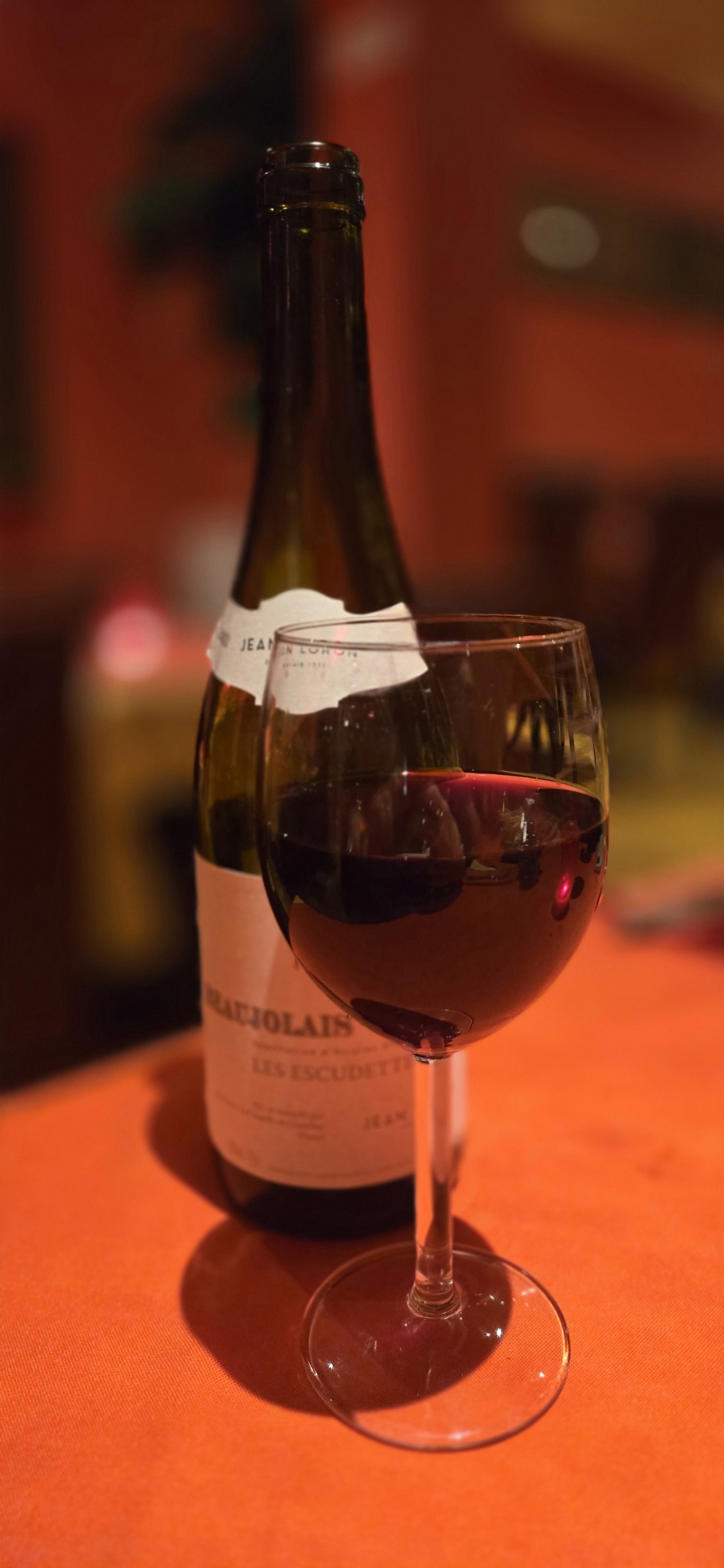
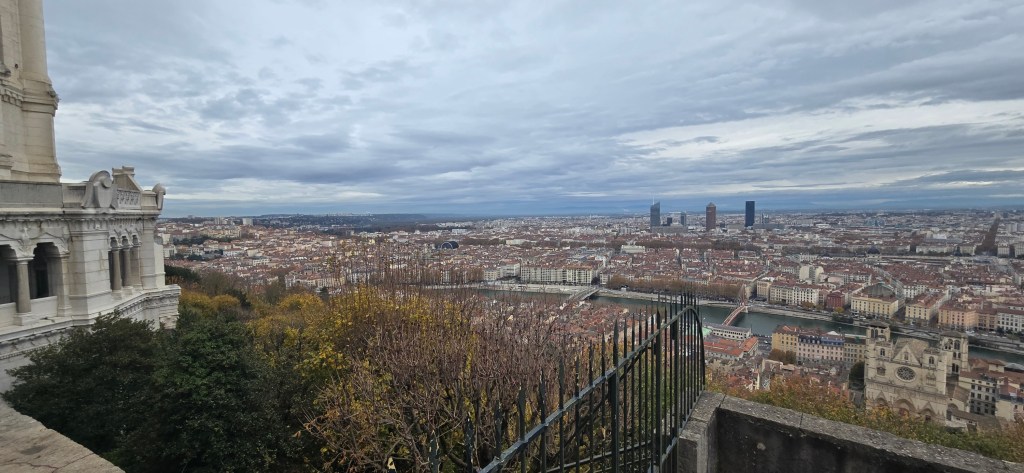
After discovering Beaujolais Nouveau on a trip to France in 2017, followed by some social-distanced celebrations on the Third Thursday of the Eleventh Month during The Plague Years, I decided to add the visit to this annual event, Les Sarmentelles de Beaujeu in the heart of the wine region, to my bucket list.  Spoiler alert:  I was saddened, but not entirely surprised to discover that my wine and charcuterie consumption has a limit.  No, I will not tell you what that limit is, because it is kind of embarrassingly low.  In any case, even before the trip, I correctly guessed that merely drinking copious amounts of wine will not be enough for a European vacation—and decided to add the heretofore unknown to me the city of Lyon to my travels, due to its proximity to the festival.

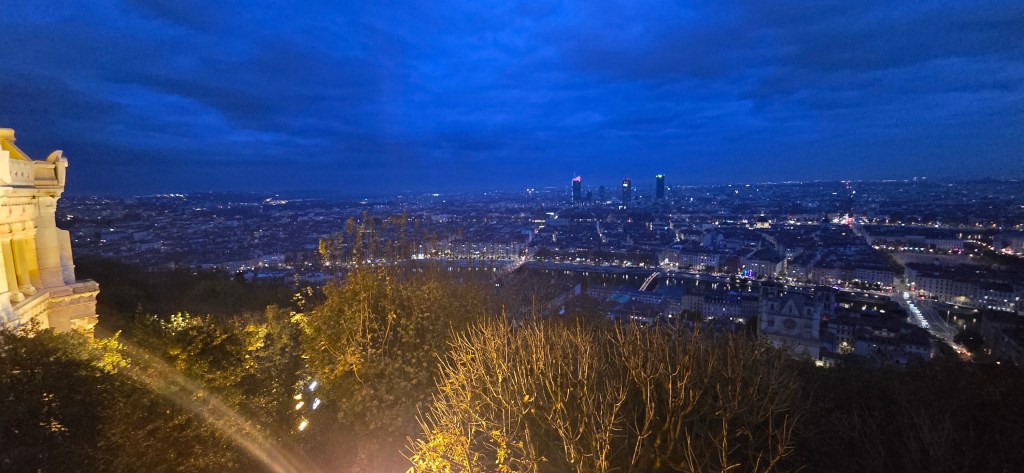
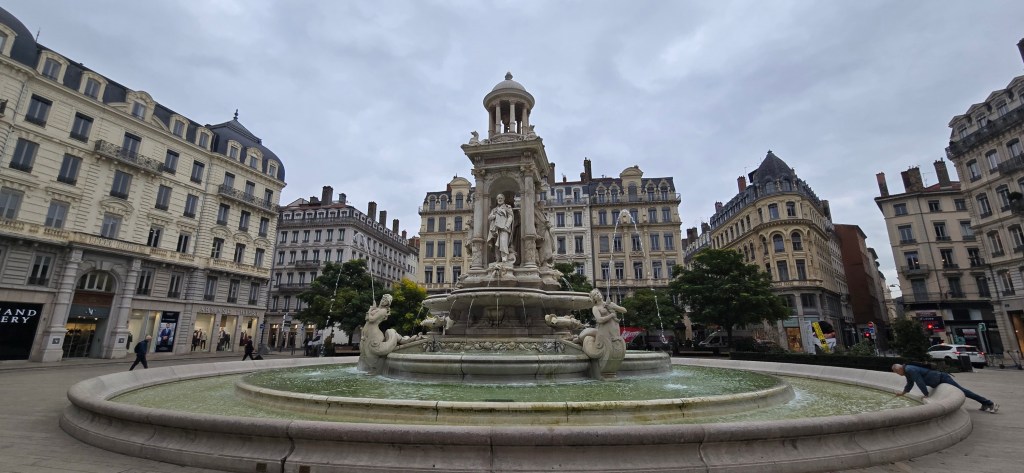
For reasons that are passing understanding, quick online research resulted in a portrayal of this city as crowded and crime-ridden, with traffic jams for days.  This gave me some measure of anxiety, despite the fact that I (1) drove in Munich on the opening weekend of Oktoberfest, (2) drove in Scotland, (3) drove and lived in New York City, and (4) you know of some of my other more colorful misadventures, including being attacked by monkeys.  I discovered Lyon to be just what I expected (once the sane voices in my head, including that of Rick Steves, prevailed), a lovely French town with rich history and interesting food.  Here are some highlights:

The food.  Lyon certainly has its own gastronomic style. I will try anything once.  Once.

Andouillette sausage: Our very first meal upon arrival was to order sausages, Lyonnais and Andouillette.  I just knew “sausages”, and how bad can they be?  I do not eat them at home, they are gross to me, but I enjoyed them in Germany.  And with all the emotional and historical baggage set aside, I have to admit—Germans do them best.  Lyonnais was covered in mustard, which was fine.  The other one was made of tripe.  I am sure Rick Steves warned me, but I forgot. (Also forgot to take a picture of this delicacy; probably for the best)

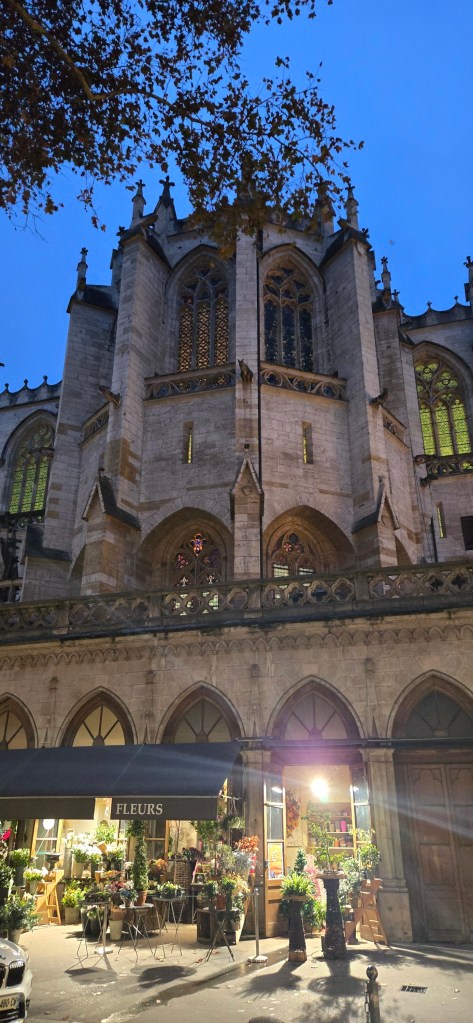
Brioche praline:  I am not a fan pralines.  It is the texture for me.  I was raised by dentists, and have bad Soviet-era teeth, so I am forever conscious when crunchy things come into contact with them (although the biggest villain in my dental saga turned out to be Laffy Taffy—took one of my crowns clean off).  Spouse and I watched people with intriguing colorful packages walk by, and were determined to try whatever extremely popular item they contained.  The actual store turned out to have a line to enter snaking for almost a block.  We demurred, but managed to get in the next day during a slow time.  Having bought the small brioche (which was still quite substantial), we parked ourselves on the nearest bench, in the courtyard of St. John Cathedral, and eagerly unwrapped our package.  It was as expected.  Brioche would have been fine without the pralines.  It would have been better with coffee.  My advice is, get the coffee, and leave this thing alone. 

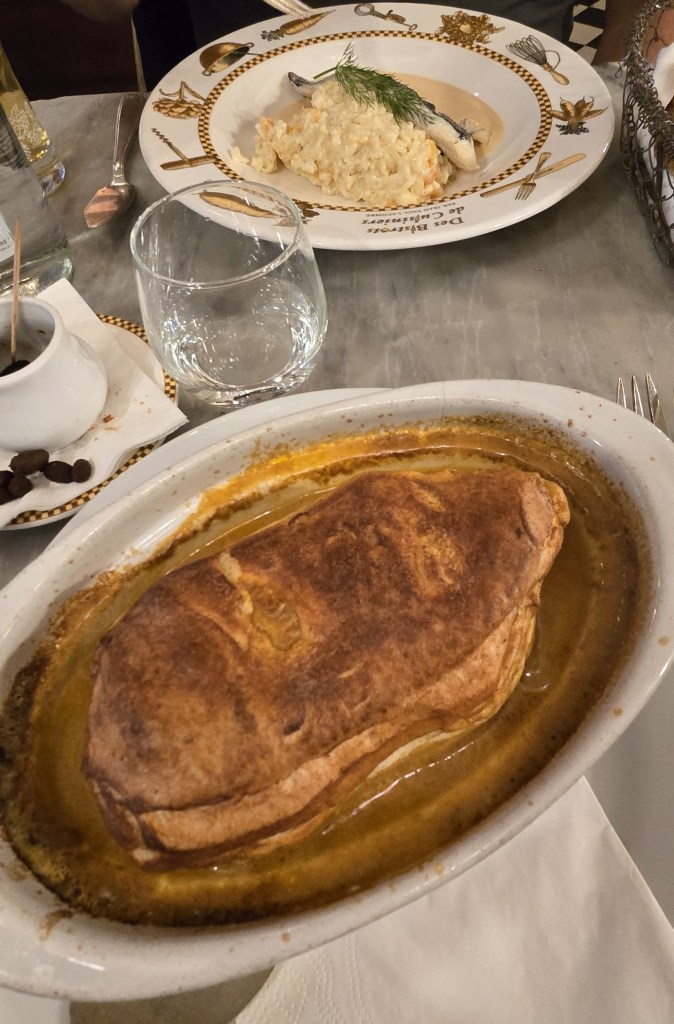
Pike dumpling:  I read that one of the Lyonnais delicacies is dumplings.  I was as game for that as I am for everything else.  I love baos.  I expected a stuffed bun.  I got something completely different.  It took me a bit of time to figure out that the word is not “dumpling” but “soufflé”—confusing, because “soufflé” is literally a French word, so why not use it?  So I basically got a fish soufflé.  It was very airy and delicate and not fishy (and I do not say “fishy” like it’s a bad thing), and I enjoyed.

Cervelle de canut:  It is a creamy cheese spread with herbs and spices, a bit tart courtesy of added vinegar.  To me, it was a less salty, less chunky version of the Austrian Liptauer spread, with which I am more familiar.  Basically, “creamy”, “cheese”, and “spread” are three words that go together in the best possible way. Speaking of three words that do NOT go together, I have not tried Salad Lyonnais.  Bacon, egg, and lettuce together is neither my idea of a good time, nor does it seem interesting enough for a vacation meal. Sorry not sorry.

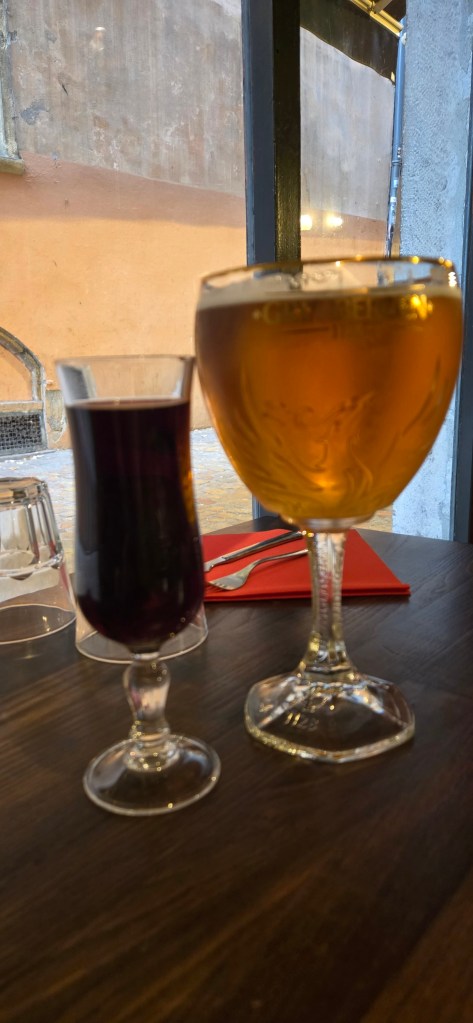
Kir:  It seems that every region in France has its own take on this drink.  I love it in every variation, which is ironic, because I hate black currants.  When I was growing up, I loved the delicate white and red currants, but always found the thick-skinned black ones a bit too aggressive.  Crème de cassis, however, is delicious when diluted with champagne to make Kir Royale.  In Brittany, I discovered Kir Breton, which substitutes apple cider for white wine.  In Lyon, they unironically serve up Communard, with red wine in place of white.  Next time I host a party, I need to offer a flight of Kirs.  I just came up with this idea, and hope I will not forget it.

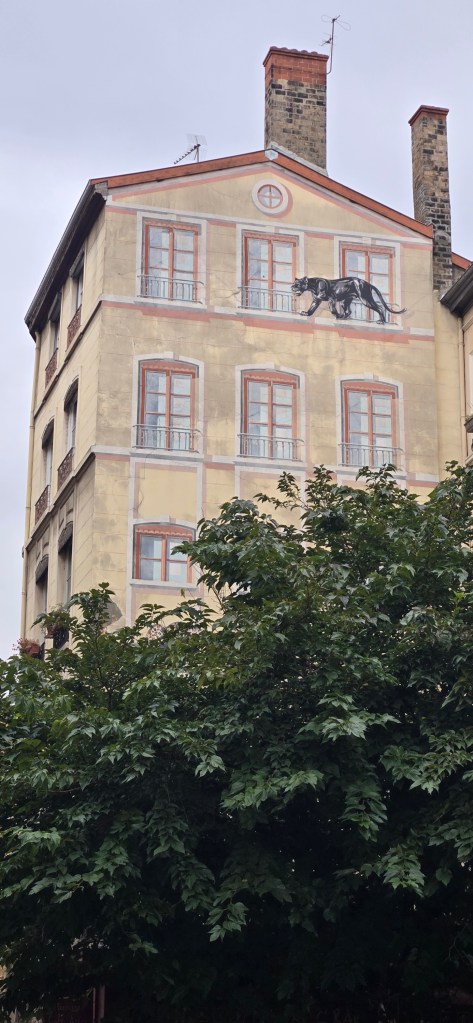
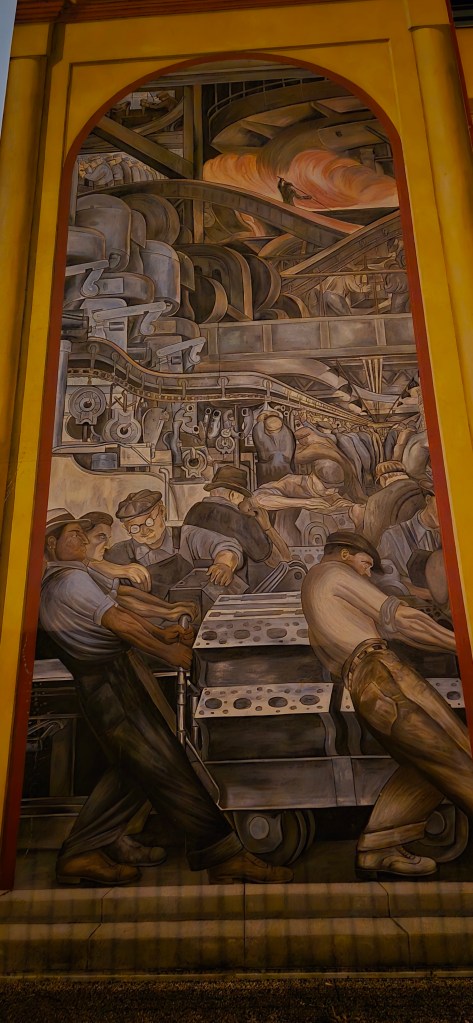
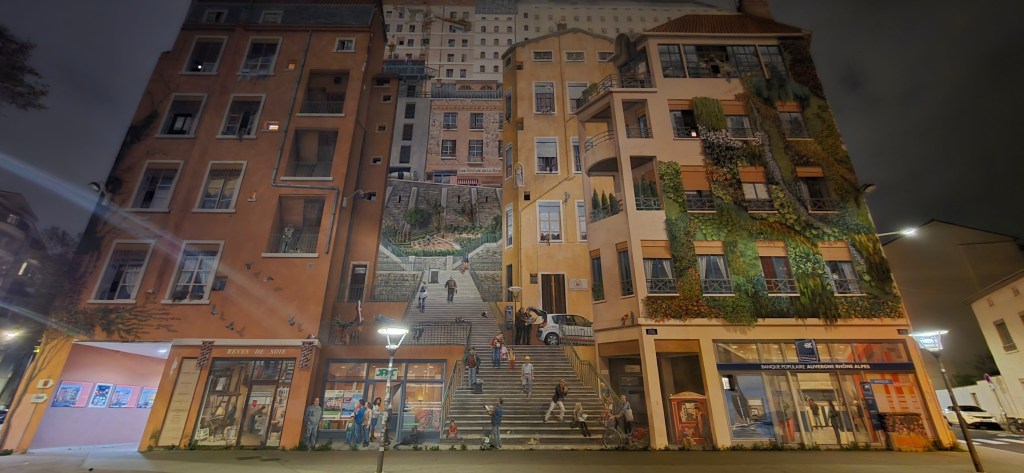
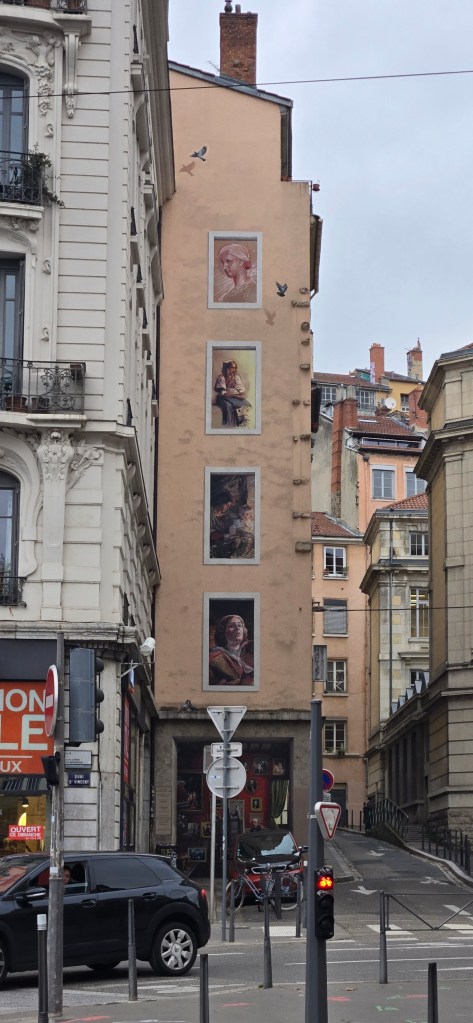
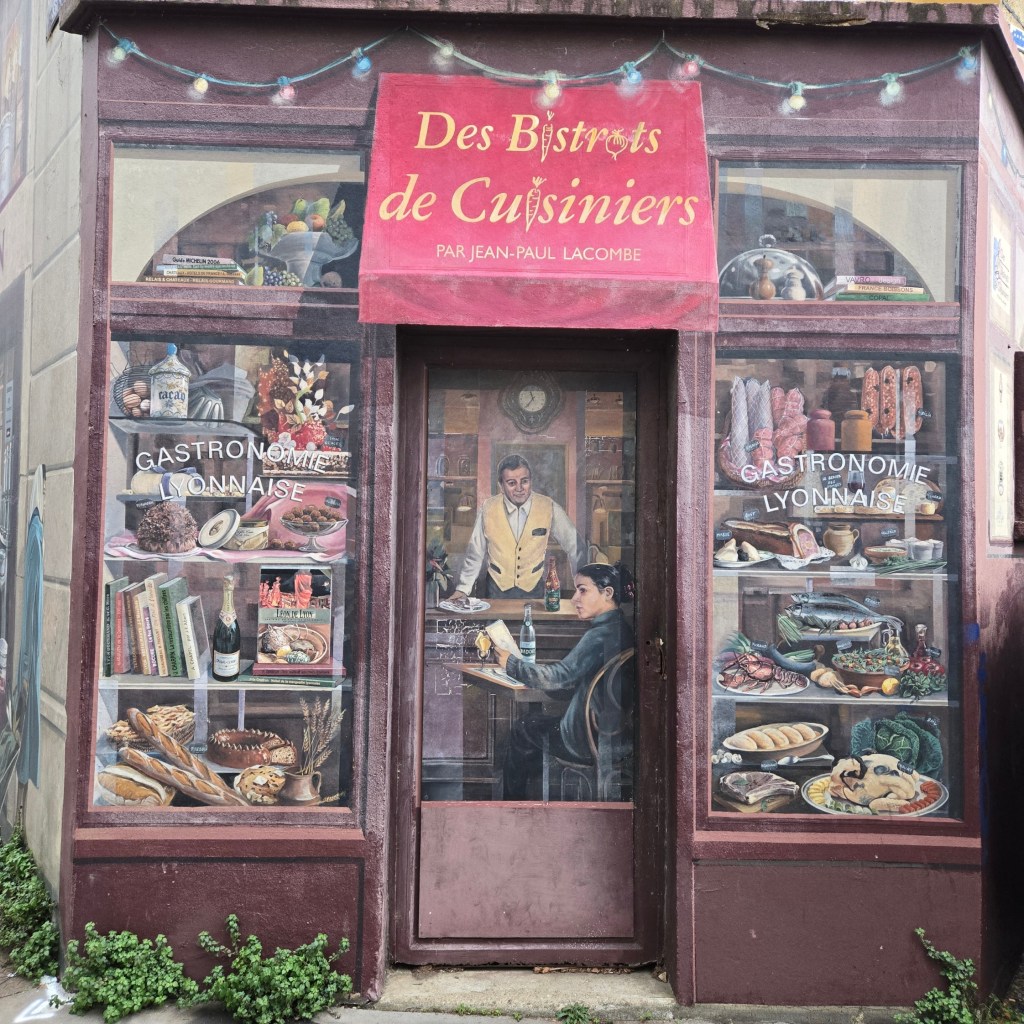
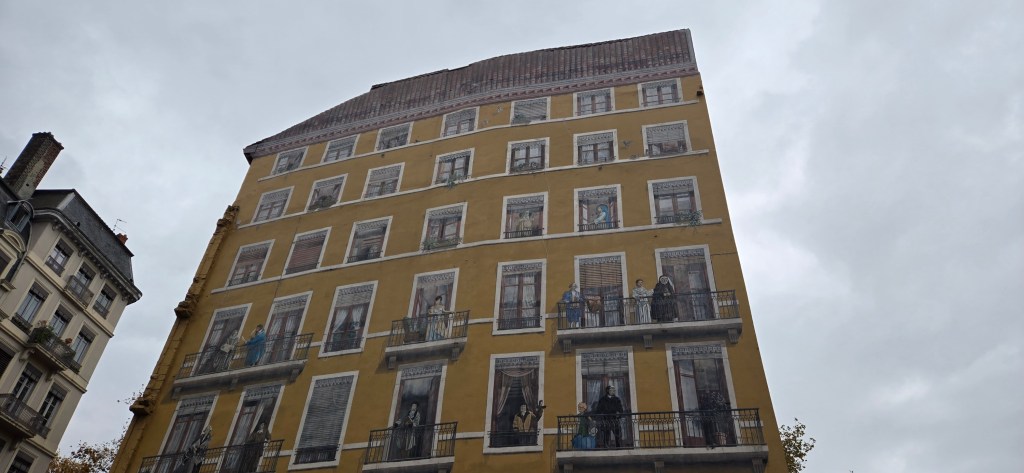
Murals: Lyon has a lot more to offer than just eating and drinking, and one absolutely amazing feature of the city is its murals—specifically, the trompe l’oeil kind.  I was really only looking for that one that is in all the tour books and pops up on social media whenever one sees anything about murals, Le Mur des Canuts (“Wall of the Silk Weavers”, the largest mural in Europe), but the handy paper map that we got at the hotel listed a few more, and so we went on a quest.  The best part of this kind of treasure hunt is that, because they are on outside walls of random buildings, they just sneak up on you.  You walk along, and there is a fake cat on a windowsill, or a fake windowsill, or a fake window.  After a while, you start questioning every door—is it real?  Is it just painted on?  Special mention goes to the Diego Rivera Mural which even has a small part that replicates the magnificent Detroit Industry Murals, as well as a portrait of Vladimir Ilyich Lenin; I sure recognized his familiar face.

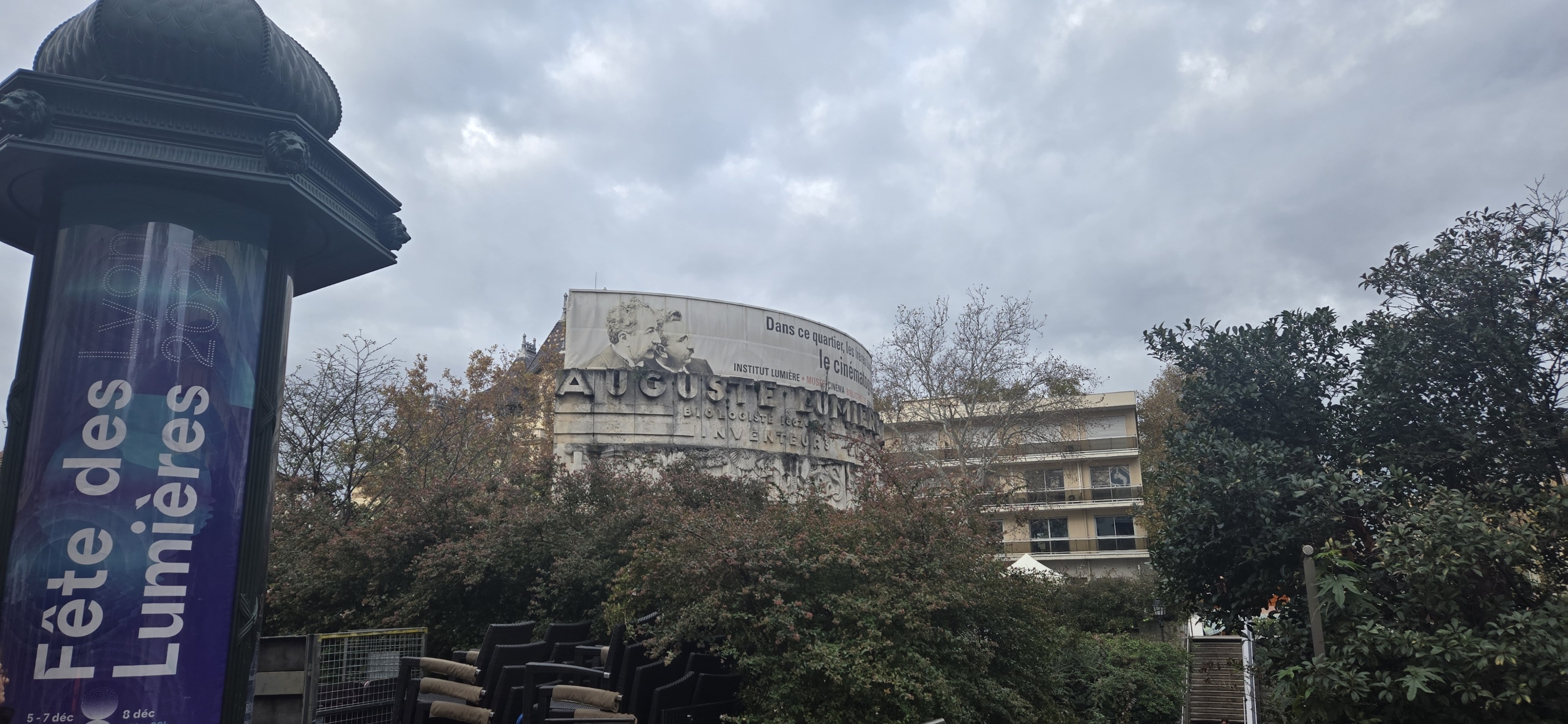
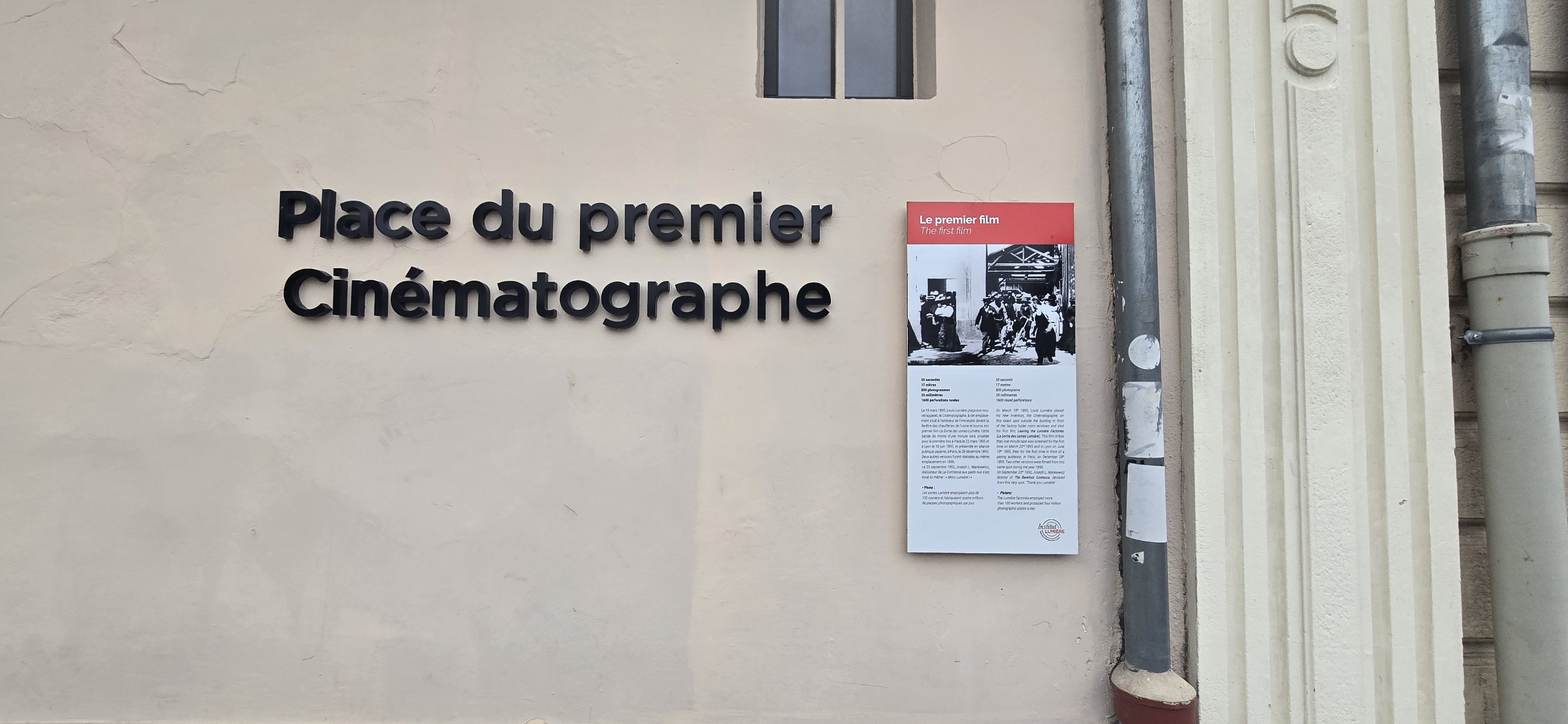
Lumière museum—In college, I took a couple of French cinema classes, including during my very first trip to France for my semester abroad, so the Lumière name was familiar to me.  This is not a French cinema museum (there is one in Paris, also very cool), but specifically, a museum of the Lumière family legacy and the early days after the invention of the cinematograph, in their actual villa.  Auguste and Louis were brilliant scientists, businessmen, and artists, and the world has not been the same since they were in it.

For the rest of the sights, the other museums, cathedrals, etc., check out a reputable tour book and do not trust the keyboard warriors—and I am unanimous in that.