Featured

Charlie Chaplin Christmas

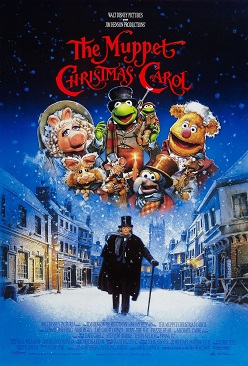
I am not a total holiday Scrooge or Grinch.  I do happily celebrate Christmas.  In fact, my family’s most cherished and enduring Christmas tradition is to watch “The Muppet Christmas Carol”.  We have not missed a year since it came out.  I can recite all the words, just like I can to “The Lion in Winter” (another Christmas movie, though not part of our lore) and, of course, “Chariots of Fire” (entirely unrelated to this holiday, but I never pass up an opportunity to mention it).  And a few years ago, I actually went to three churches on Christmas Eve:  Orthodox Church for Eve of the Nativity service, Catholic Church because a friend of mine sang “O Holy Night” during mass, and Methodist Church for evening carols and candles.  (This feat is not likely to be repeated)

If you are one of the very few people who have not seen this, go watch it now. You are welcome.

Back in the Old Country, all holidays were secular, some were political, and we only read about Christmas in classical literature.  The religious aspect of it was merely a relic of antiquity, but we had the rest of it, the tree with all the trimmings, the gifts, Grandpa Frost and Snow Maiden, festive meal with friends and family, kids pageants, seasonal movies and, of course, “The Nutcracker”.  It was just entirely conflated with New Year’s.  It was the “New Year’s tree” and Grandpa Frost, bearing gifts, was joined, at a critical juncture, by Baby New Year.  As a child, I had some vague notion that the pre-revolutionary holiday, while similar to our own, contained some forbidden mystical elements, but never understood why it was celebrated before the actual final day of the year—and what did people then do on December 31, the *real* holiday, if they already spent all of its currency the week before?   I assumed it might have had something to do with the old Julian calendar, with its confusing two week delay, which was finally abolished in 1918.

New Year’s tree at my parents’.

Our first year in the U.S., my mother allowed me to open the gifts under the tree on Christmas rather than December 31, but strictly because I was a tremendous pest about it.  She literally told me, “I hear in this country, they open the gifts a week early”!  I took that as a very personal victory, and it was also the first time I heard that this unfamiliar holiday was still being celebrated, and in the New World no less.  Who knew?  We continued to do our tree/gifts/dinner thing on New Year’s Eve.

For the next decade, this holiday continued to elude me.  American Christmas always seemed reserved for family, but it was also a part of the larger holiday landscape, so December 25 was really no different than any other vacation day until the big event—New Year’s Eve.

One time in college, I actually spent part of winter break with a Jewish friend.  Her kind mother was so concerned that I was being deprived of some family tradition that she took me to a neighbor’s house to at least look at a decorated Christmas tree.  It was nice, and I did not have the heart to tell her that the tree alone did not mean much, and it was a week early anyway.

On my drive home, late that Christmas Day, my car spun out on a highway in a snowstorm and ended up facing the oncoming traffic.  Some kind man drove me home in my car, because I was too shaken up, while his wife followed in theirs.  They kept asking if I had someone to be with me.  I reassured them that I did.  But, I lived alone in Michigan, my parents lived in Texas and were on a cruise to boot, my grandparents lived in New York and were visiting friends in Atlanta, all my friends were with their families, every single store and restaurant in town was closed, and this was before cell phones.  I started watching TV, and it blew out in the middle of “National Lampoon’s Christmas Vacation”.  It took me some years to learn how the movie ends.

The last time I did not celebrate Christmas was a tail end of a very rough year, probably one of the Bottom Three in my life thus far.  My personal life was unsettled, I was fed up with living in Manhattan in a high-rent closet where cockroaches paraded by my futon every morning in search of sustenance (but the joke was on them, because I kept everything, including silverware, in a refrigerator that they have never figured out how to breach), and fed up with school after attending it non-stop in various form for almost two decades. I still lived alone, but finally near family, which was the one saving grace in an otherwise dark period. 

The only photo from the unhappiest place I have ever lived.

My mother inexplicably sent me a small live evergreen tree, which was incongruous in my tiny apartment, and incompatible both with my hectic lifestyle and black thumb.  Predictably, it did not survive the season.

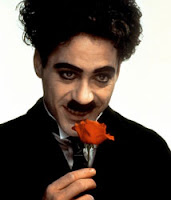
I cannot remember now what depths of despair made me summon my grandparents all the way from Brooklyn on Christmas Day to my tiny studio. We first went to see “Chaplin” at the movie theater.  Robert Downey Jr. was not the action star he is today but a handsome young romcom-ish actor, before all his troubles, and way before he successfully overcame them.  The film was beautiful, and he should have gotten the best actor Oscar.  I still think of it as one of the biggest Oscar snubs in my lifetime.  Back at my place, grandmother fried up some liver and onions on my two-burner stove, and somehow all three of us managed to squeeze in and enjoy both the feast and the company, keeping the window open because the radiator emitted unrelenting heat—but I lived on the ninth floor, so it was safe.  If this is not a quintessential immigrant Christmas in New York, I do not want to know what is.

Through the years, that day has acquired the soft patina of nostalgia, but I do know that it looked and felt less like “Home Alone 2” than “Fairytale of New York”, for this was a time before Disney moved into Times Square, and you could literally smell Manhattan Valley, the upper part of Upper West Side, as soon as you crossed into the 90s. 

I did not record this particular day in my diary, but sometime before the end of that year, I wrote about how much I hated my life.  Within a week, a new year dawned, and it turned out to be one of the Top Three for me.  It just goes to show, the darkest hour is just before dawn.

Featured

Time Shelter: Reminiscence, not Review

“The past is not just that which happened to you.  Sometimes it is that which you just imagined”*. 

The older I get, the more disappointed—and, frankly, disbelieving—I am that we cannot travel back in time.  The more years pass, the farther I get from certain cherished moments, the harder it is to accept the permanence of their departure.  Watching Doctor Who, the ultimate wanderer in time and space, I get a vague sense of unease from the episodes set in the future.  What is the far future to me?  I will not see it, so I am not curious about it and not invested in it.  But the past, well, it is full of second guesses disguised as second chances.  It is full of the comfort of nostalgia. “It’s been written that the past is a foreign country.  Nonsense.  The past is my home country.  The future is a foreign country, full of strange faces, I won’t set foot there”*.

In “Time Shelter”, Bulgarian writer Georgi Gospodinov creates the perfect scenario for which my soul has been yearning.  Gospodinov is Bulgarian, and we are exactly the same age.  I feel his story almost instinctively, beyond the words, for he writes not just about the decades he experienced, but as only an Eastern Block Gen-Xer experienced them.  It is rare that I hear the echoes of the voices in my head in print.

His first person narrator meets Gaustine, a mysterious psychiatrist who opens a “clinic for the past”.  It is meant to evoke recognizable memories for Alzheimer’s patients by reproducing the surroundings of their comforting past lives, but the concept takes off and everyone wants to starts seeking shelter from the relentless passage of time by stepping into the past. “Everything happens years after it has happened”*.

Like Gaustine’s patients, I am not even interested in the historical past, someone else’s past.  I do not want to meet Shakespeare (whoever he really was) or see dinosaurs or anything like that. (OK, maybe I want to meet D’Artagnan in his natural habitat, but that is all).  And fine, I don’t even want to change anything.  I saw “Sliding Doors”.  I read “Midnight Library”.  I am no longer sure which parts of my life I would want to erase if there is no guarantee that this would not have a detrimental effect.  I can no longer fathom what my life would look like today if I had made different decisions at some critical junctures.  I might have been spared some pain, but what unanticipated and ultimately avoided sorrows were waiting in the wings?   The decisions that I made, I stand by them.  The decisions that were made for me trouble me still with the passage of years but regret is useless. And it all basically worked out.

The pool would have been beyond that fence on the right

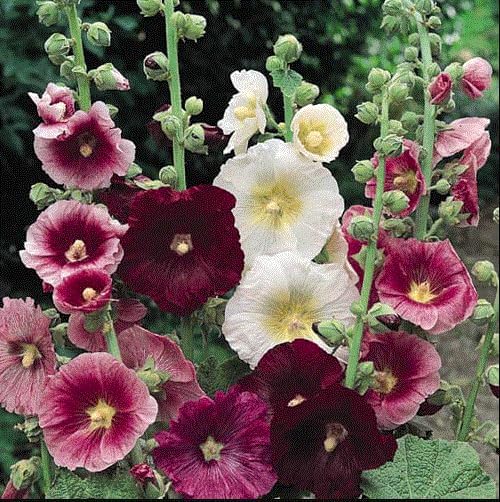
It is just that the melancholy longings come unbidden in the twilight, and that is when I sometimes wish I could revisit my past.  I want to see the sun rise over the roofs from the balcony of my mother’s apartment, for every occasion on which I visited her there seemed special and wonderful.  I want to sit in my childhood apartment’s dark room lit only by the lights of the Christmas tree, the only year my grandparents had a real tree and could finally hang up the one ornament that was too heavy for our little artificial tree—an orange, the size and weight of the actual fruit.  I do not want to forget either that orange that always stayed in the ornament box in the entresol except for that one brief appearance or my favorite ornament, wild strawberry with a human face.  I want to go to the grocery store on the first floor of our apartment building and buy birch juice by the glass and a hard block of coffee with milk, meant to be dissolved in boiling water and not gnawed like I did as a kid.  I want to watch my collection of film strips in the hallway of our apartment on the coldest winter days.  I want to marvel at the hollyhock mallow plants in our neighbors’ garden in the summer.  I want to see again that inground public pool that was filled in when I was just a toddler, leaving behind a weed-covered wasteland—was my memory of this thing even real, a random outdoor pool on our quiet little street?  And I want to sit on our old couch and read the books of my childhood.  There is so much from that era of gentle stagnation which seems positively utopian in comparison to our present cataclysmic times.  “Warning, history in the rearview mirror is always closer than it appears”*.

My favorite part of this mesmerizing novel, which I had to read twice in a row (and even that was not quite enough to fully take it all in; I am yearning to read it again), is when time shelters become so popular that European countries actually vote on returning to their respective favorite past eras.  The clinics of the past are no longer enough; entire countries become engulfed in nostalgia.  It is fascinating to read what decade each country chooses as representative of the glory of its people, yet still recognizable and not entirely devoid of modern comforts.  Some decades of the last century are obviously fraught; 30s and 40s have their devotees, but Gospodinov is not going there.  The story is not about that.  So many countries choose the 1970s or the early ‘80s (including most of the [former] Eastern Bloc—the whiff of freedom in the air, before reality bit), with only Italy choosing the ‘60s.  Bulgaria’s choice is not mentioned, but there is a hint.  “What decade would you choose?  “I’d like to be twelve years old in each of them.” * That would be my answer, too.

*All the quotes are from Georgi Gospodinov, “Time Shelter”, English translation by Angela Rodel

https://georgigospodinov.com/

[Caption: my time shelter, for better or worse]

Featured

Poison, Fire, and Flood

One of the main villains of my raucous childhood was one Shturman.  This was, and is, his real last name.  I am not changing it here because (1) he is not likely to read this, (2) this unusual name[1] is too much a part of him, and (3) every word is true.

Shturman’s code name was “Douche”.  No, listen, in Russian, it just means “shower” (and in French as well, but we did not know it then).  And the reason he was “Shower” was because we called him “D.Sh.”, which stood for “Durak Shturman”, which means “Shturman the Fool”.  So it all fits together rather beautifully.  Since “fool” was the worst insult we knew, literally everyone’s code name started with “D”, but this was the only one that is not lost in translation[2].  At school, he was known as “Shturm Zimnego”, or “Storming of the Winter [Palace]” (the event that, according to what we were taught at school, started the Great October Socialist Revolution), but we did not feel that he deserved so much honor.

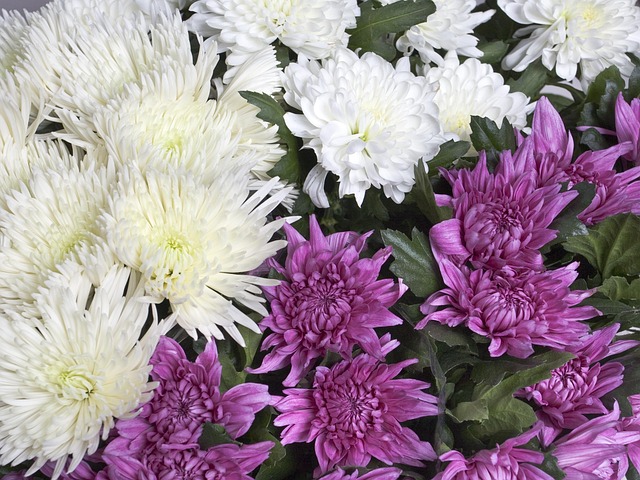
All positive comments regarding these flowers will be deleted

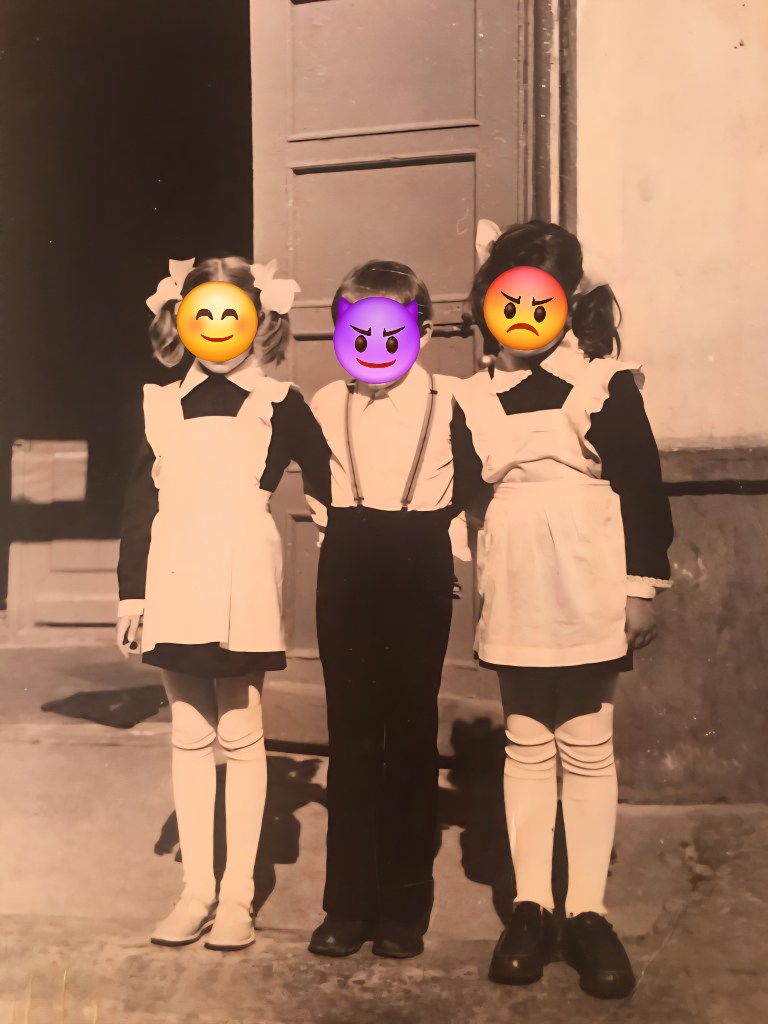
My BFF and I met him on the first day of school, September 1, 1975.  In fact, we all met each other for the first time that day.  It was not a good day for me, for it started out quite literally on the wrong foot.  All the girls were wearing pretty summer sandals (my friend’s were pink).  I, as was my lot in childhood, was wearing heavy, hideous black/brown booties.  I was perpetually overdressed in childhood by my overprotective grandmother; I always had a couple more layers on than anyone else.  My mother, who gets incredibly defensive about every single choice made for me not by me, would undoubtedly say that prettier shoes could not be found—and that would be a lie.  Everyone else wore common Soviet-style sandals readily available at any children’s clothing store in town.  My ugly orthopedic boots were imported.  And to top it all off, the trend of sending me off on the first day of school with a bouquet of chrysanthemums for the classroom teacher started that unfortunate day.  You guessed it—everyone else had lovely summer flowers.  I yearned for daisies, and cannot abide chrysanthemums to this day.  But I digress.

Mine and my BFF’s mothers and both of Shturman’s parents went to high school together.  Their paths diverged for a few short years after college and joined again on that day when it was discovered that they had children born in the same year (two in January, just a week apart, and one in November), who will be starting school not just at the same time, but at the same school and in the same class.  Of course, given that our parents were friends, we were thrown together a lot in those early years, for all the holidays, all the birthdays, summer trips to the countryside, etc.  Well, since I lived with my grandparents, I was not allowed to celebrate with my friends, so that was one very small benefit, having a bunch of 50+ year olds rather than Shturman over.  And since I was born in November, I did not have to share my birthday with him, only with the October Revolution, celebrated in November according to the “new”, Gregorian calendar.

To commemorate the Revolution, we got a few days off from school—basically, our fall break.  In that place and time, it was common to gather for all festivities.   One year, when I was maybe in second grade, we all met at my BFF’s apartment.  The adults, which consisted of Shturman’s parents and mine and my friend’s mothers (both divorced, but with or without boyfriends—memory fails) went for a walk.  Do not be shocked, it was a kinder, gentler time; neighbors looked out for each other and each others’ kids.  And it turned out that the real danger lurked within…

The adults departed for their nighttime stroll, and BFF and I hoped to have some fun:  sing along to Soviet pop music with pantyhose on our heads, make plasticine animals, read about astronauts and plan our own future space adventures—really, the possibilities were endless.   It was a Soviet studio apartment: one room, bathroom, and a kitchen at the end of the hallway.  We staked out the kitchen.  Shturman pestered us for a bit, at one point brandishing a bottle of wine[3] and boasting that he can drink it all.  We called his bluff with all the disdain we could muster; predictably, he did nothing but buzzed off to the room.  But our little gray cells were already activated.

As children, we were told that alcohol is poison. As we saw adults drink copious amounts thereof, the unspoken assumption was that it is poison specifically to children.  Which budding sociopath came up with the cunning plan of serving tea laced with alcohol to our arch enemy shall remain undisclosed.  I know that “Hey, Shturman, do you want some tea?” was not spoken by me.  He and I were never verbal with each other, letting our fists do the talking. 

My friend made him a cup of tea, which was actually mostly vodka.  Shturman, clearly feeling very pleased with himself and his imaginary superiority over us, took a sip, immediately choked and started coughing, eyes bulging.  You did not see this coming, right, because you thought Russians drink vodka from birth, and I am here to break down the stereotypes.  He dropped the cup, and there was that moment in which you know things can go either way—and this is how they went, with him screaming “I will kill you!” and us shrieking and running.  Studio apartment, where are you going to go?  Bathroom, of course—the only place with a lock.

Shturman started pounding on the door and screaming, “Come out or it will be worse for you!  I will break down this door!”  BFF was sort of turning on me: “So, alcohol is poison, huh?  He is alive and well, and even worse than he was!”  I was just hoping the door will hold, and besides, it was a modern apartment, with a “combined” bathroom, meaning toilet, sink, and tub were all in the same place.  We had all the conveniences, and could wait him out until our parents’ return.  Eventually our enemy calmed down and walked away, and we settled in the bathtub, lulled into a false sense of security.

Suddenly, a scratching sound alerted us to a new potential disaster.  Shturman procured matches and started lighting them and shoving them under the door.  He decided to smoke us out, that weasel!  But the joke was on him—we had access to plenty of water, and started pouring it on the matches, having emptied the toothbrush glass for this purpose. Neither side was going to surrender, but we assumed that the matches will run out before water.  As luck, good or bad depending on perception, would have it, adults came home before either, to a minor river in the hallway, with purses and shoes floating by.

We refused to leave the bathroom until the Shturman family departed.  I remember nothing of the aftermath of this event (not even the last of its kind), beyond never getting along with this Shturman until I left the country several years later.  I have not seen him since.  Wherever he is, I hope he is not holding a grudge.


[1] It literally means “navigator” in Russian.  Unusual and kind of cool, if one stops and thinks about it.

[2] For example, we referred to Shturman’s father as “D.P.”, i.e., “Durak Papasha”, meaning “Dad the Fool”.  We disliked him because his son looked just like him, and we never saw him as anything other than his son’s father.  Yet DP was the only father that was present in our group of friends.  Something to unpack here.

[3] Again I remind you, different time, different place, no burden of Puritan heritage. 

Featured

More than Dracula

And then I went to Romania.  It was not on my bingo card in this lifetime.  It was not on my bucket, or any other, list.  In the hierarchy of the Soviet Block, Bulgaria was the most accessible, and there was that personal connection that I already mentioned.  DDR was glamorous and had amazing, coveted toys that sometimes found their way to our stores. Yugoslavia was practically The West.  Poland, Romania, Hungary, and Czechoslovakia were somewhere in the middle, and I never knew anyone who visited these countries. 

The 1980s brought a version of Romania into my own life in the person of my stepfather.  As a teenager going through a trauma that informed her entire life (to which he himself was not a minor contributor), I only listened to his stories on the good days, and those were few and farther between.  He was born when Romania was still a monarchy, and left it for good during the next to last and not even the most brutal decade of Ceauşescu’s reign.

This is what I remember, and there is no one around who can challenge my [faulty] recollections. Like many, his family of well-to-do landowners suffered when the Communists came.  There was a last name change, family separation, exile to a remote village, and the eventual cloak and dagger story of fleeing with his two friends Gheorghe and Mihai (straight out of Romanian central casting) with visas to Hungary which were then altered to get to Austria and with the ultimate goal of defecting to the U.S.  He hated communism with a passion that was matched only by his hatred of everything Russian—and I hope you see the bitter irony in that.  The ‘80s were not great for the Soviet Bloc, and for Romania in particular, though the very end of the decade finally brought the long-awaited relief.  Some of those countries are democracies still…

My BFF of the annual girl trips and I were talking about making the pilgrimage, but somehow it seemed too fanciful.  And then one day, it just didn’t.  I figured, if guided tours were going there, it is no longer the place from which to flee.  I know, I know, it has literally been decades, but those early memories last the longest.   My friend’s grandmother came from Romania, but in a way of turn-of-the-century immigrants, from Transylvania via Ellis Island.  Her childhood impressions of the far away ancestral home were quite different than mine.  What a difference a few decades (and a mad dictator) make!  I am happy to report that she found the Romania of grandma’s stories; I found only a shadow of my stepfather’s.

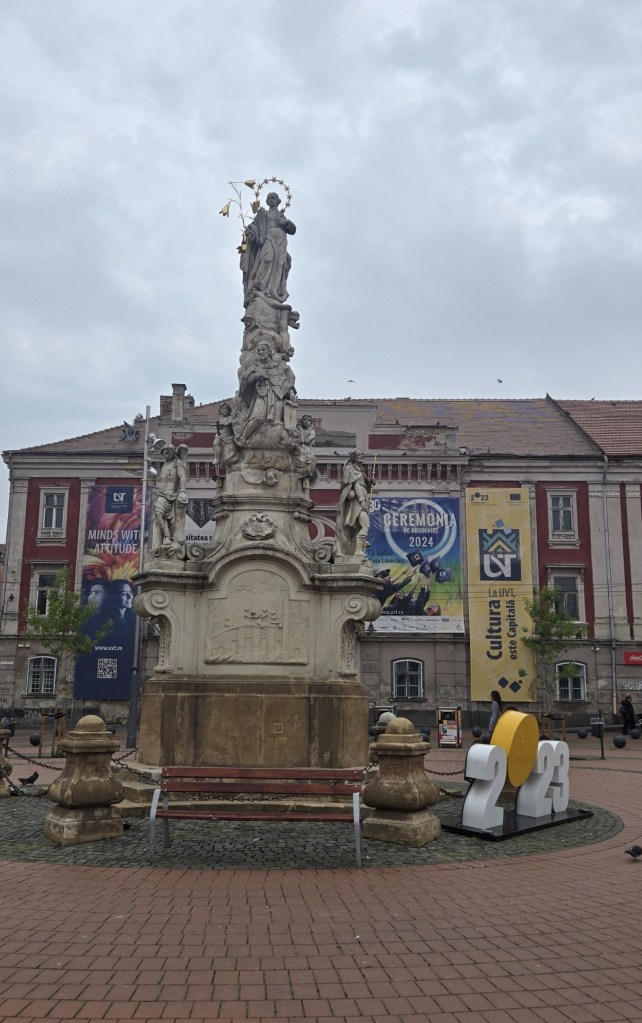
Arriving in the Western part of the country, I saw not even a hint of the dark and depressing past of the previous regime.  It could be that, on a guided tour full of Americans, we were only shown the best parts, but we had enough free time to see beyond any potential Potemkin villages.  Our lovely, warm, spirited tour manager warned us more than once, with just a hint of apology, that we will see some remnants of the Communist times, such as our hotel in Timisoara which, while the best in town, was ostensibly less luxurious than other hotels on our tour (but as for me, I concluded that all the hotels in which I usually stay are apparently “Communist”, including in places where Communists were not known to have made any inroads!).  If this was the only outward reminder of that era, it was truly nothing at all.  Instead, Romania unfolded as a land full of natural, architectural, and culinary wonders.

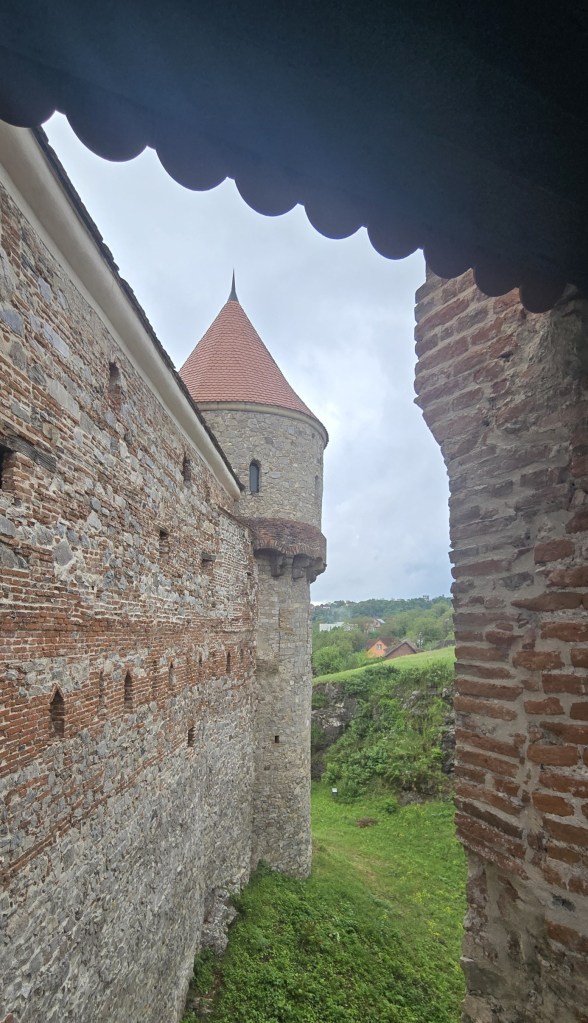
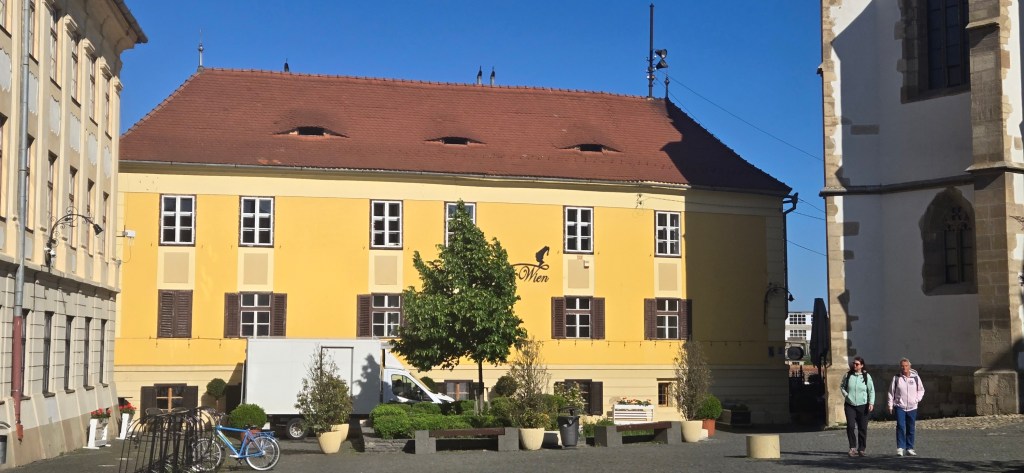
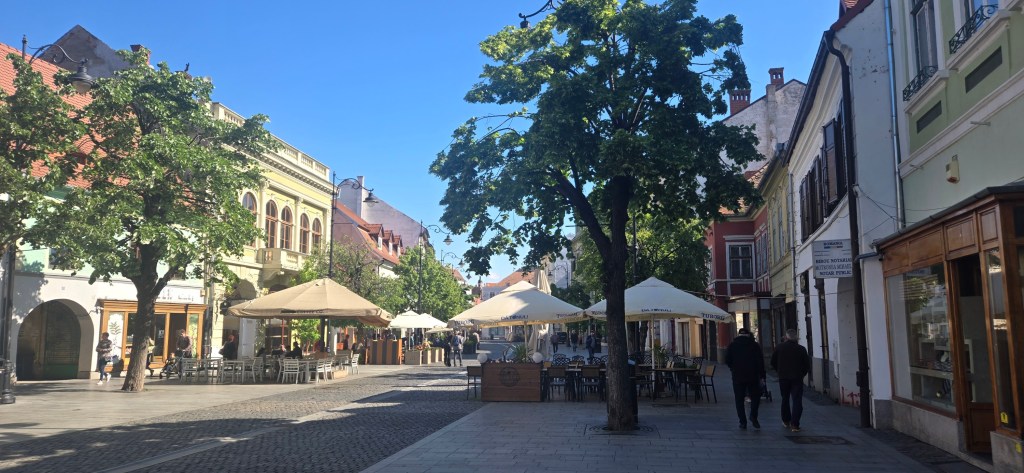
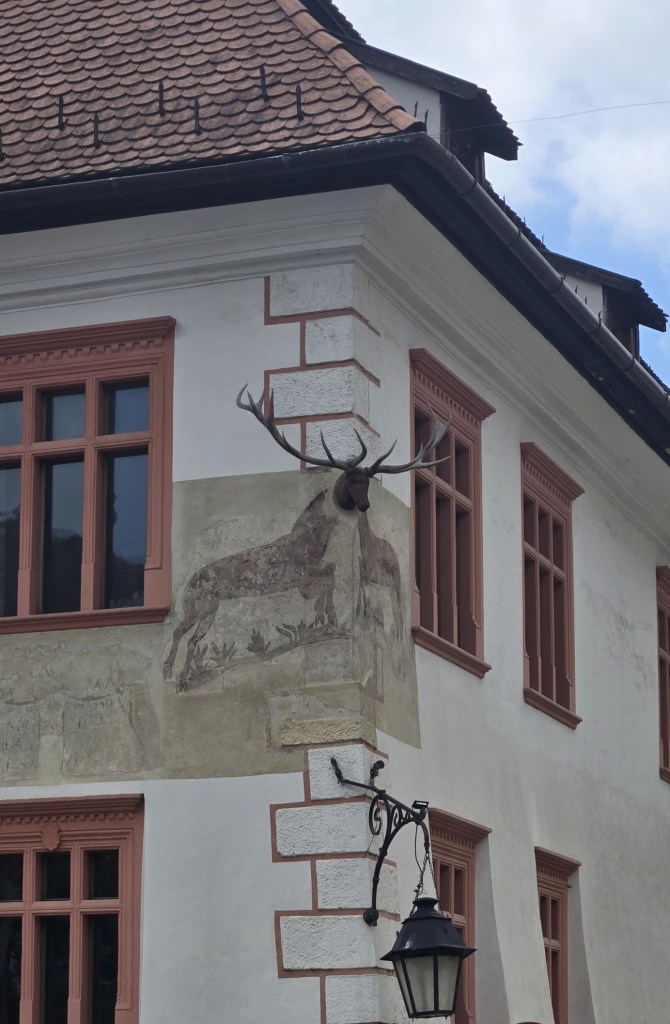
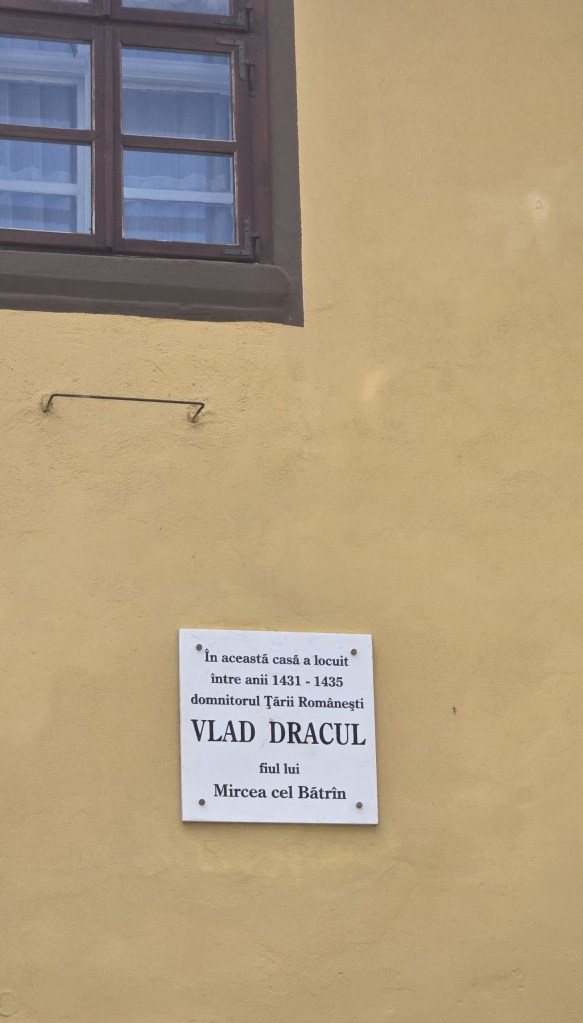
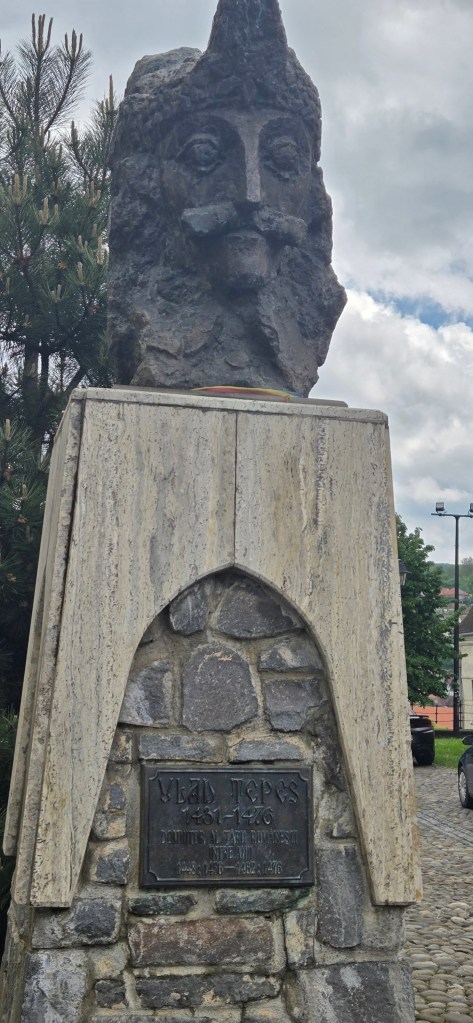
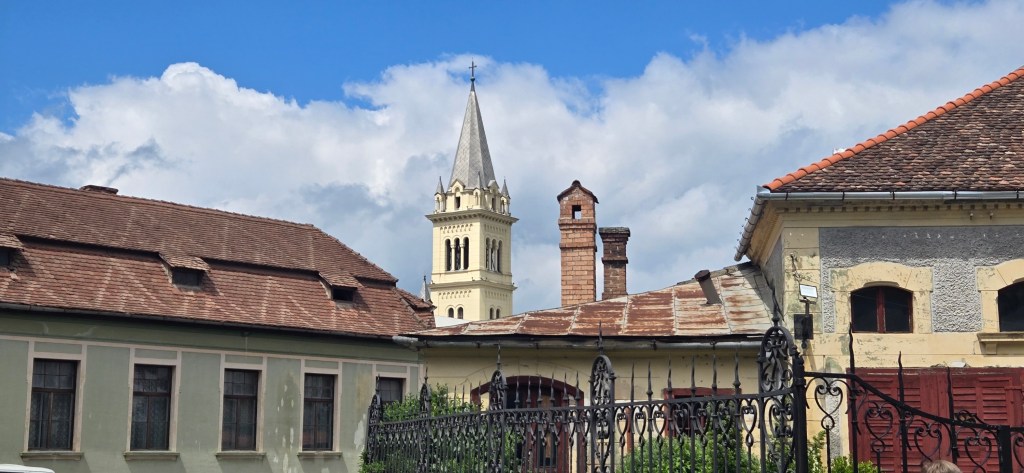
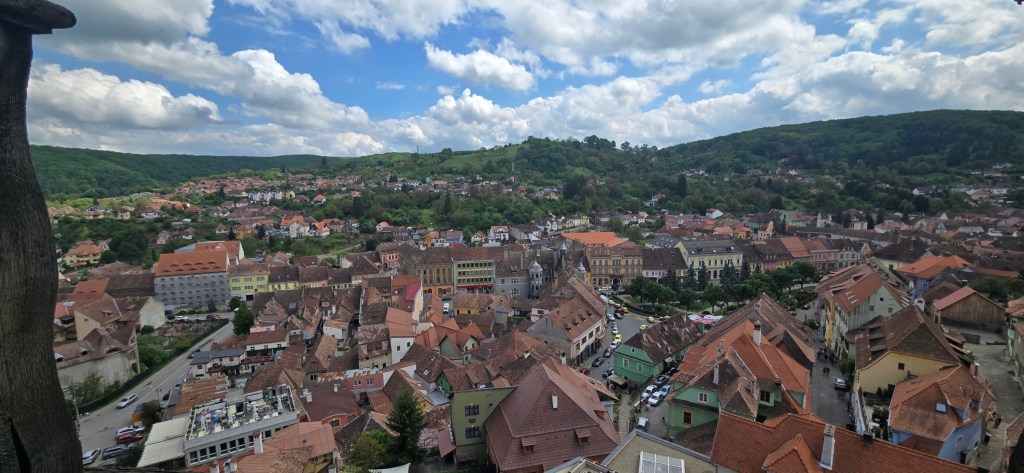
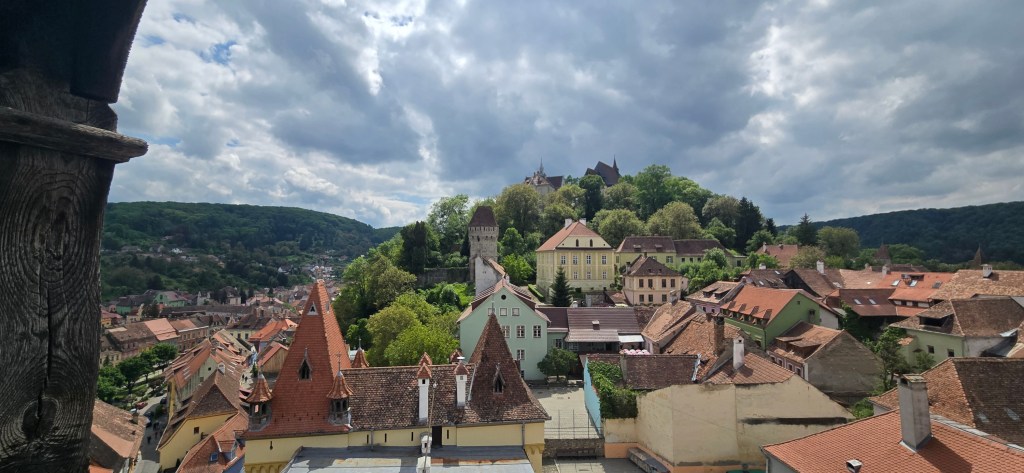
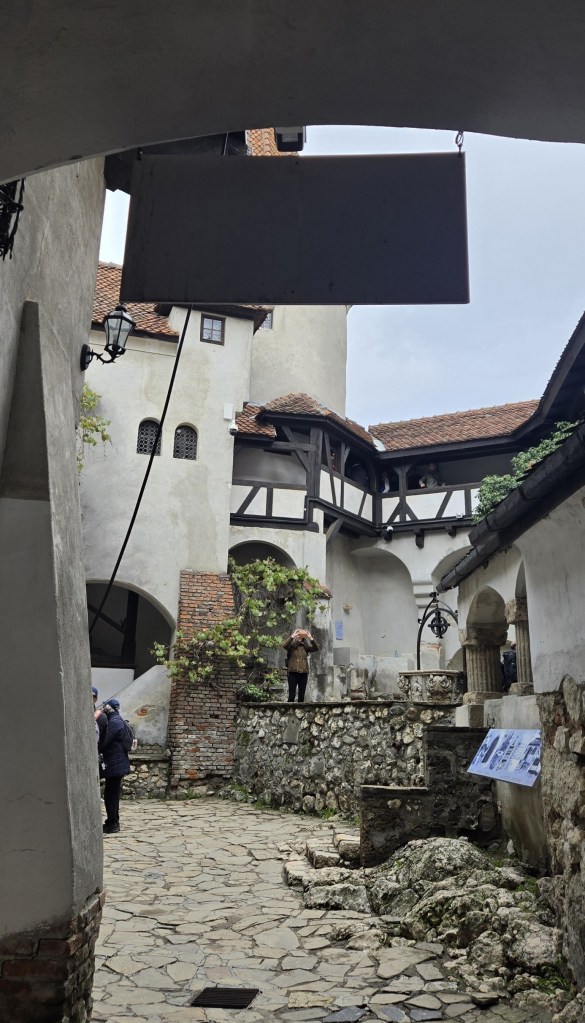
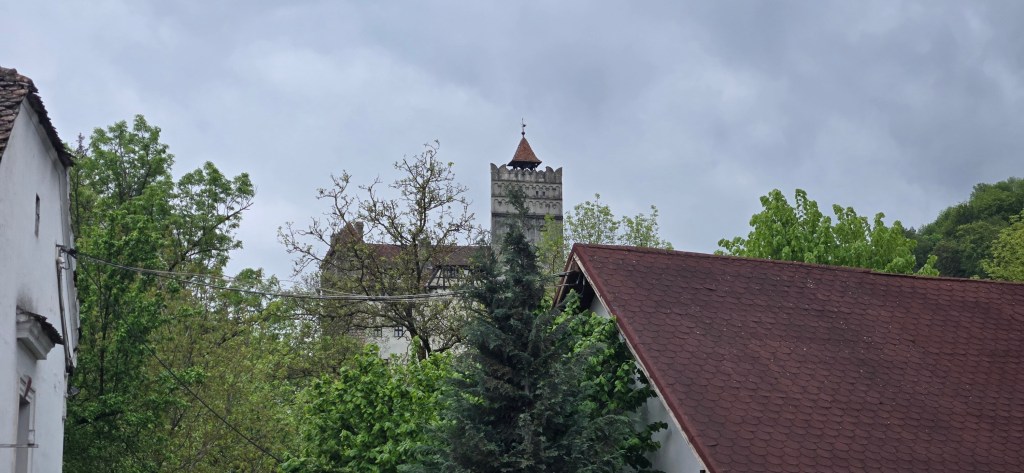
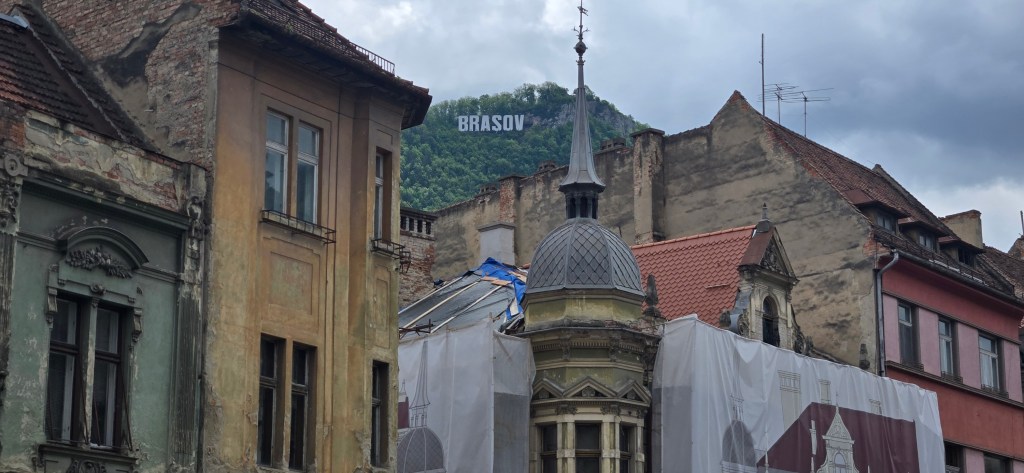
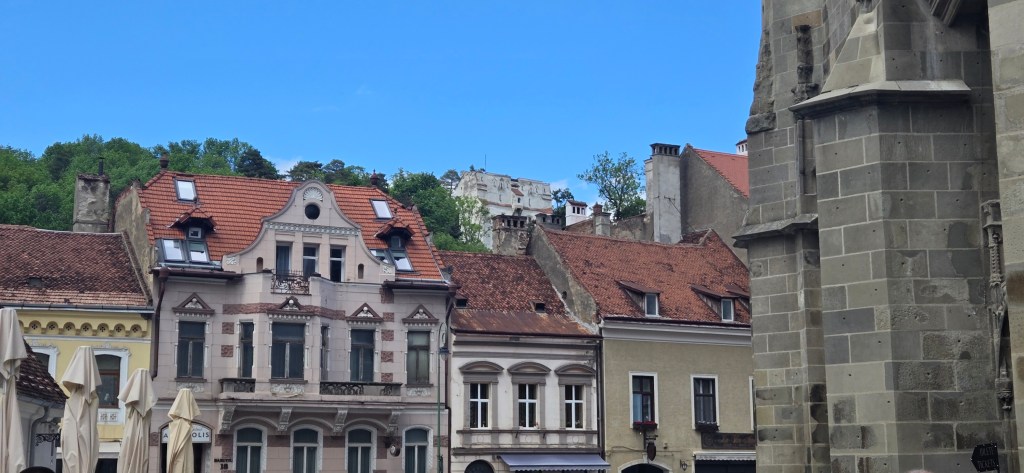
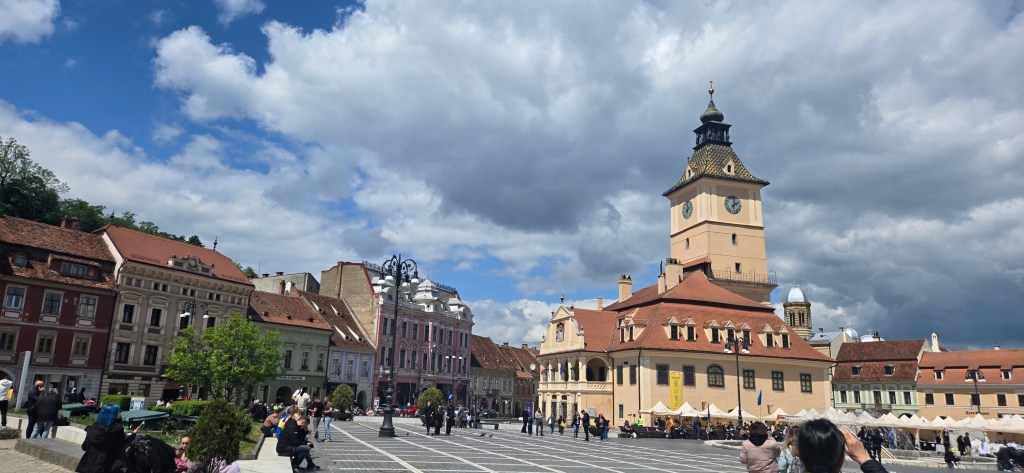
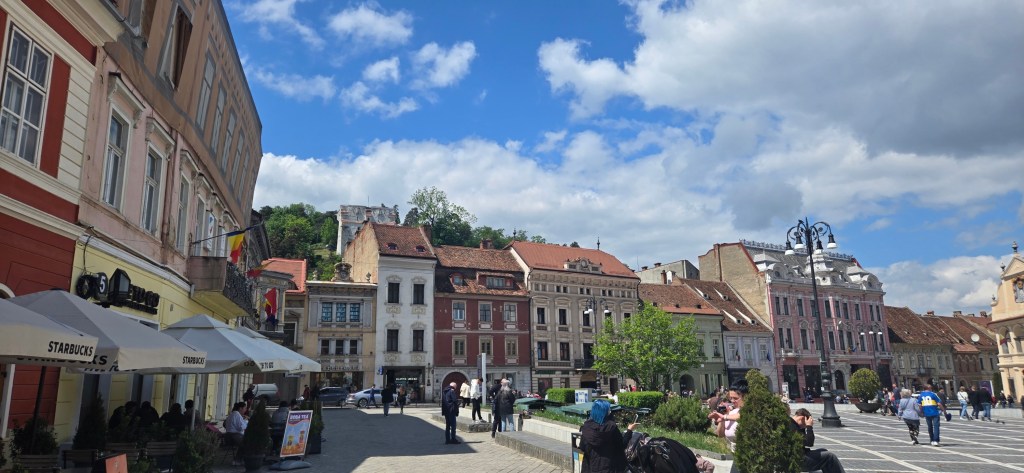
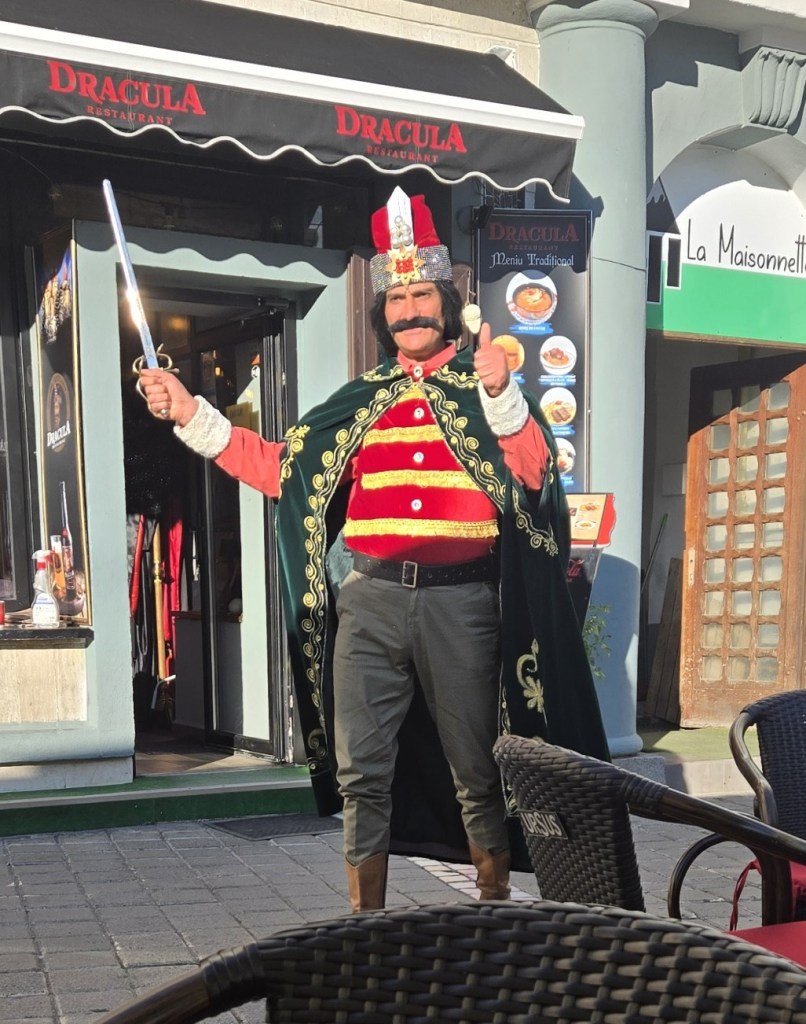
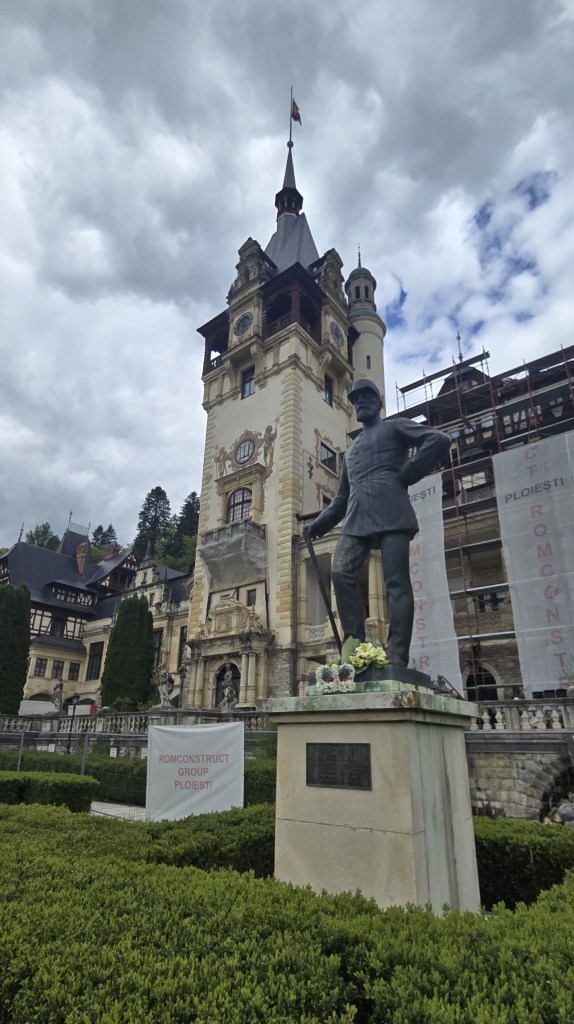
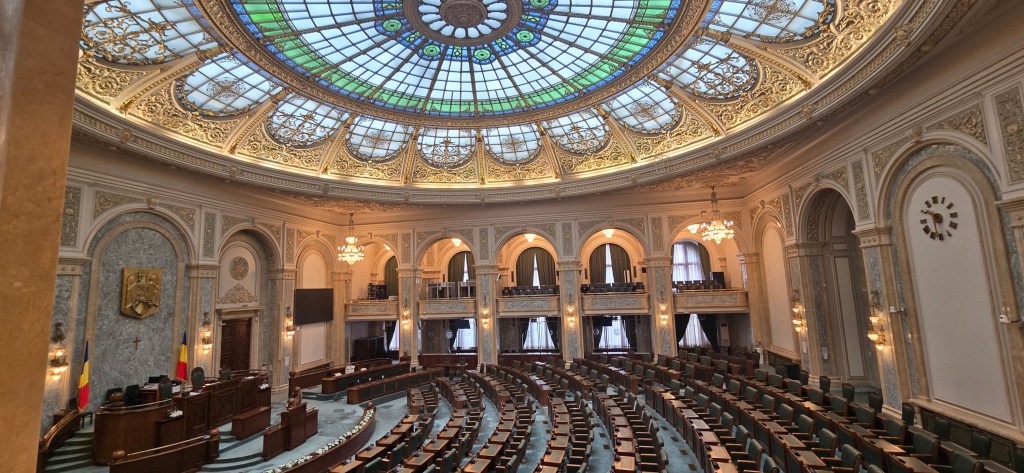
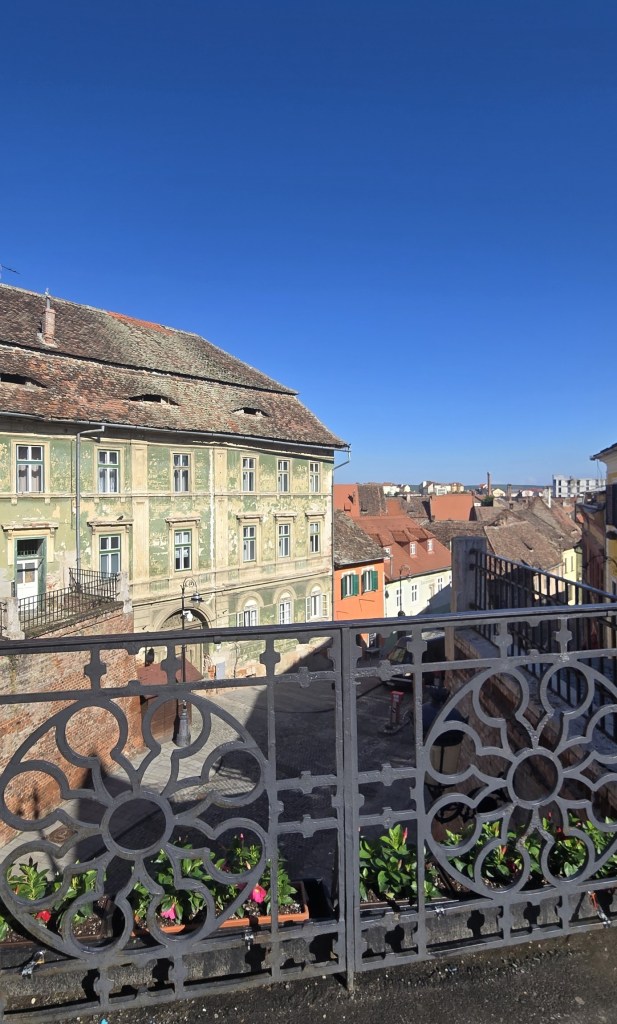
We saw castles: Hunedoara’s Corvin Castle, as intricately feudal as anything France has to offer; Peles, an opulent gem of a palace; Bran, of Dracula fame, both charming and historic and surprisingly unspoiled by its reputation, and towns: Timisoara, where Romania’s present was born, with its three distinct, gorgeous squares; Sibiu, full of small-town European elegance; Sighisoara, with its medieval cobblestone streets and a clocktower with a view that takes one’s breath away; and Brasov, charming and joyous, full of unexpected delights like sampling local wine in a beautiful garden, jubilant Europe Day celebration in a square right below our hotel window, and Dracula himself roaming the streets.  I did not know what to expect, but I did not expect this.  I hate to say “normal”, because what is that, really, but “normal” is the word that kept coming to mind.  After all the suffering, the deaths, the people fleeing into the diaspora, normal would be enough.  But it is more than that.  It’s glorious.  It’s absolutely wonderful.
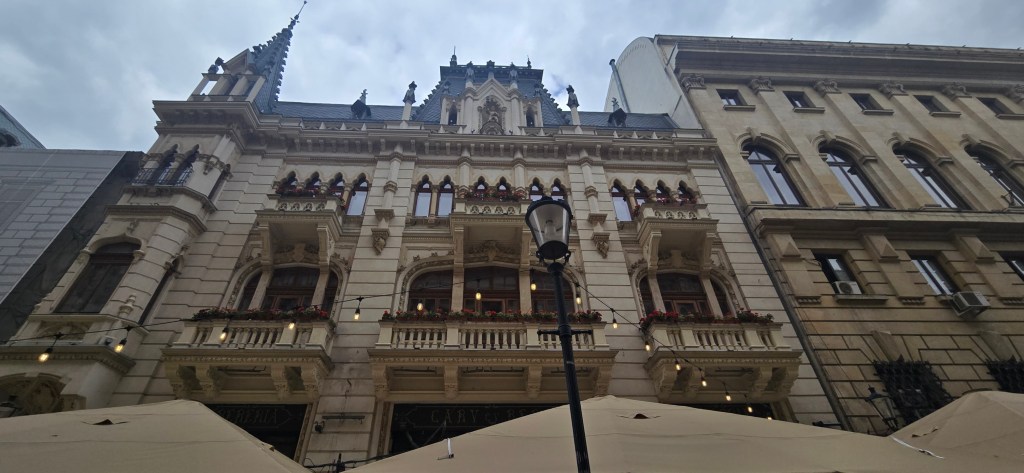
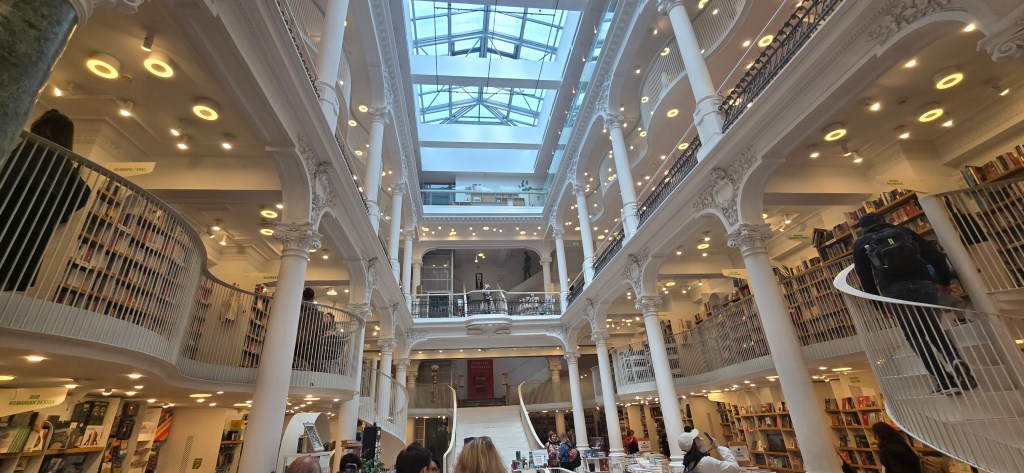
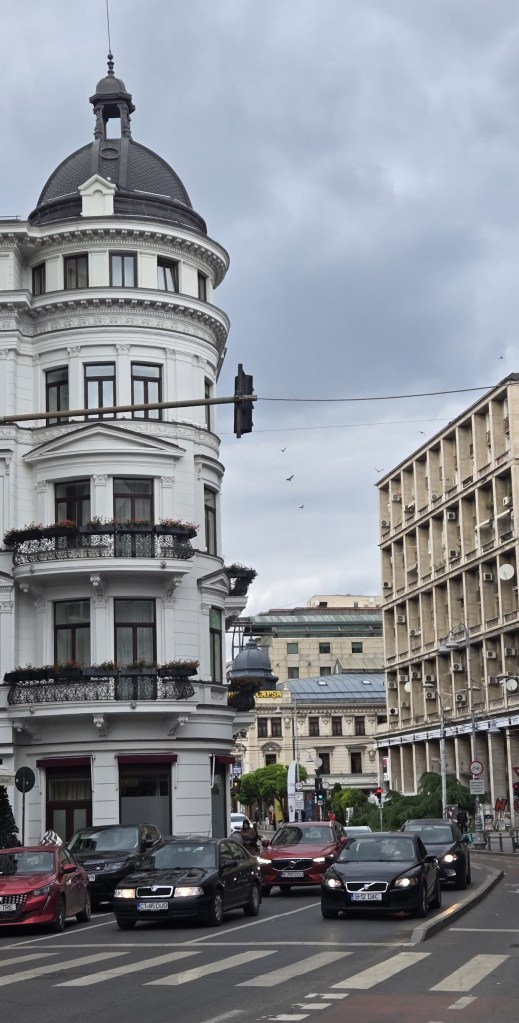
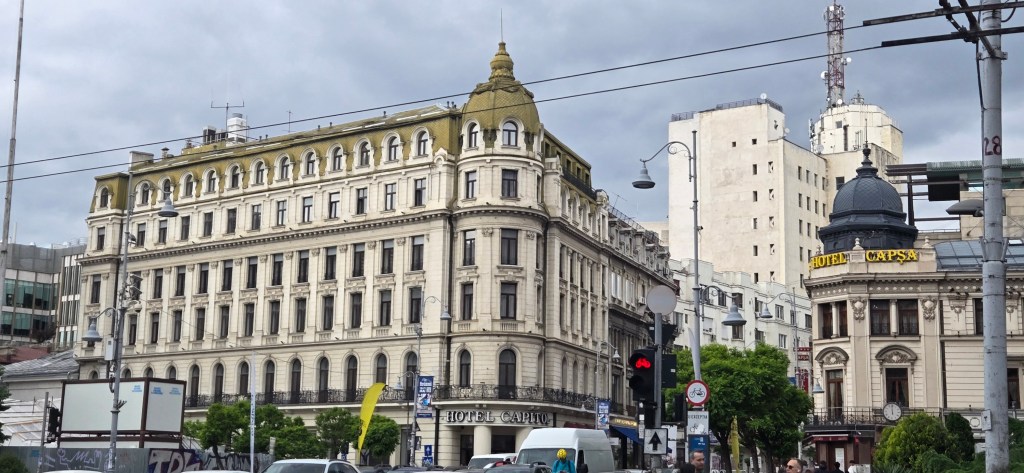
I did not see the Romania I thought I knew, if vicariously, until we reached Bucharest, and even that took a minute, for we arrived on the weekend, when the central street of the city, Victory Avenue, was closed to traffic for a kind of an extended block party.  People were promenading, music was playing, food was being served everywhere, and it felt like the whole city was out and about, enjoying a warm Sunday night.  The memories flooded the next day, with our walking tour.  Just steps from our hotel was the Revolution Square.  Our guide was telling us about how the dictator would speak from the balcony of the building of the Central Committee of the Communist Party, and my heart just broke.  To the rest of the group, most older than me, these were just words of unfamiliar history, a curiosity.  To the guide, a man younger than me, it was his entire childhood.  We spoke briefly; we understood each other viscerally, survivors of the tangentially shared past.   This country has been through so much, and so recently, and you would not even know it unless you knew for what to look—and listen.  A quarter of a century under a dictatorship, under a cult of personality, all those lives lost or irreparably damaged…  The mind boggles that anyone would choose, or even just flirt with, tyranny as a form of government, but the extra heartbreak is that people do not learn from the lessons and losses suffered by others.

My stepfather and I had a complicated relationship all the way until his death at age 56.  In the grand scheme of things, he died less than a year after Ceauşescu, and never saw this version of Romania that I just did.  And that makes me more than a little sad, for everyone deserves to see their homeland thriving and free.

Featured

Papa Taught Hebrew in Harbin

My grandmother used to tell me stories about her childhood, in the 1920s, which were both exotic and relatable.  She was only 45 when I was born, which seemed ancient to me, of course, but now I know that the half century mark is prime time for reflection and reminiscing.  We are unreliable narrators of our own lives, and the charm of her mischievous and adventurous early years in the small provincial town on the Volga remains the biggest shared treasure of our fraught relationship. 

Now that I am the age that she was when she was raising me, I realize how memory shifts as time goes by.  In her telling, she was a spirited and inquisitive child that was frequently in trouble with her humorless but loving parents.  The irony that these were the qualities she most deplored in me escaped me then.  I also bought into this portrayal of her parents for the time being, while years later it came to me that perhaps the character trait she most chose to emulate—grim rigidity—was the least praiseworthy attribute of this couple.  They never seemed quite real, just shadows of semi-forgotten ancestors, even though less time separated my childhood from them than from today.

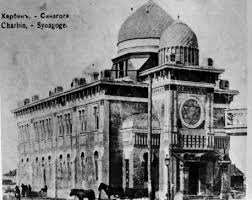
I recently read “People Love Dead Jews” by Dara Horn.  In this book, which had me both nodding in agreement and holding my breath, I came across a chapter about the Jewish community in Harbin in early 20th century.  I do not know if more is written about this place and time in history, but this was the first time I gasped in recognition:  “Papa taught Hebrew in Harbin”.  For among grandmother’s stories was always this nugget: her father spent several years in Harbin, teaching Hebrew to children while his brothers were running a business there.  This has always been just a naked, stand-alone fact, and when I was a child, it always seemed like enough information.  Great-grandfather, whom no one in my world besides grandma and her brother ever met, for he died before The War and before she left her hometown that neither my mom nor I ever even visited, was always described as a stern disciplinarian and seemed sufficiently boring to not merit additional investigation.  But grandma’s own childhood memories of her father speaking Chinese to make the neighborhood kids laugh echoed my own delight when her brother, my beloved great uncle, would pretend to speak Chinese to me.  I knew he was faking it, but he was so delightfully comical!

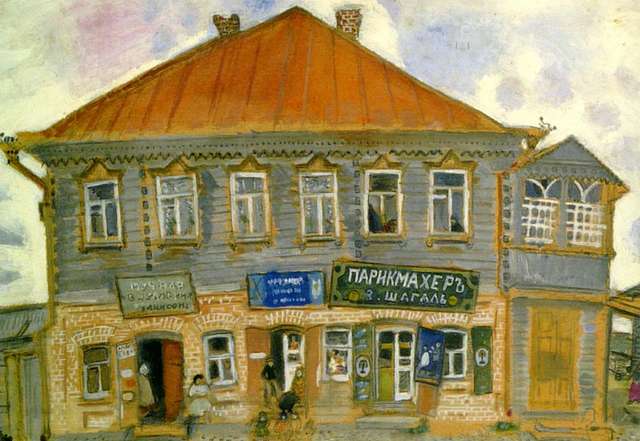
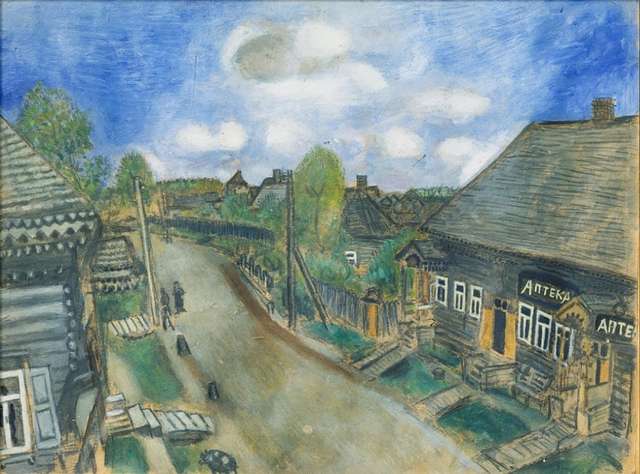
I finally learned that this interlude in great-grandfather’s life was not random, as I always assumed without additional thought.  Fortunately for me and mine, his ultimate fate was arguably better than that of many of the people he would have known in Harbin—and that is saying a lot, considering that he returned to his hometown of Lyozna, Belarus [1] (at some point before getting engaged to my great-grandmother on June 12, 1919 in Vitebsk[2]), got married and had two children, lived through the darkest years of Stalinism, and died before he was 60 in 1940.

I have been an immigrant since I was a teenager.  I have traveled.  I spent two summers in Europe, and I have been to China on a work trip, to the beautiful and sophisticated Shanghai, which is actually nowhere near Harbin and has a completely different history.  Every day of my professional life, I talk to people who have, at a minimum, spent several years in a foreign country.  Until now, I have not thought of this remote, unknown man’s journey, his years (how many?) in a much colder climate, in a completely different world.  I never imagined that he had his own “stranger in a strange land” journey.

Synagogue in Harbin

As a child I did not know enough about the world to imagine China at the beginning of the 20th century.  I never gave a single thought to how great-grandfather traveled so far—and back—what kind of business these nameless brothers of his had, why and when did he return to Belarus, eventually making his way to and settling in Russia proper. My grandmother was not a person who did not talk about the past, but I do not know how much she knew about that period of her father’s life.  Somewhere along the way, there was some falling out with these uncles that severed the family ties for all eternity (they were not welcome to attend their brother’s funeral).  It might have been related to this business in China, but grandmother’s own mother never told her.  In those days, people did not ask; children did not question their parents.  It is nearly impossible for me to understand the respectful yet reserved, affectionate yet distant relationships of that bygone era.  To the families of these great-uncles, whoever and wherever they are, my family is the missing link, the lost tribe.  Do their descendants remember today that there was another brother, another uncle?  Is this Harbin interlude a part of their family lore?  Sometimes I lament the loss of family memories to family feuds on top of the already precarious and unreliable way history was treated in the Soviet Union.  Other times, I concede that maybe it is only natural that the lives of ordinary people do not survive generational memories.

Dara Horn’s book gave me an unexpected glimpse into my great-grandfather’s unknowable life.  There is a connection that survives time and space, and a memory that is a blessing.

 זיכרונו  לברכה  אַבְרָהָם


[1] The birthplace of Moishe Shagal, aka Marc Chagall.  I wonder if they knew each other?  They would have been contemporaries. 

[2] The only exact date in this narrative, because my great-grandparents’ engagement announcement somehow survived time and distance, and I treasure it.