Featured

Havana Daydreaming

“Oh, Havana, I’ve been searching for you everywhere
And though I’ll never be there…”

(Billy Joel, “Rosalinda’s Eyes”)

In 1997, I prepared my first list of places I wanted to visit in this lifetime.  It was pretty basic, containing about what you would expect (although even then, my focus was primarily on Europe).  The list was revised several times in the intervening years, and I am currently working off the most current, 2020 version.  It is significantly more precise (I narrowed New England down to Maine, identified specific cities and experiences in various countries which I have already visited, and ultimately, decided there is nothing for me in either Minnesota or Australia—no offense).  The place at the top of this new[ish] list is Cuba.  In 1997, I did not imagine that visiting Cuba was possible.  It seems complicated still (especially for someone with my aversion to organized group travels, and given the general state of the world).  But everyone has to have that one place that remains elusive.   
This is the least horrifying photo I could find in the public domain. Or any other, for that matter.

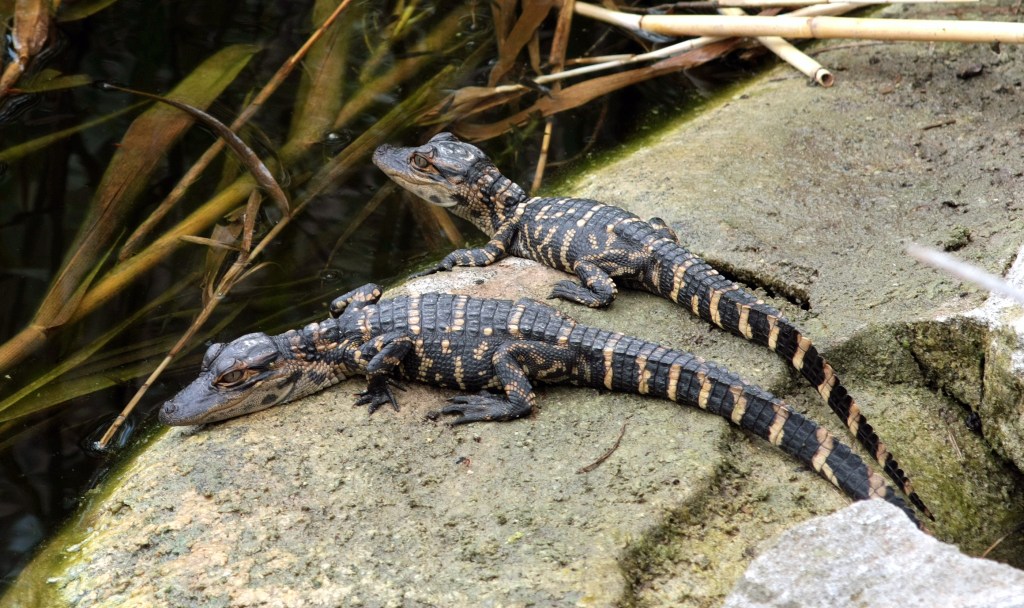
When I was in second grade, the mother of one of my classmates did a presentation to our class about her trip to Cuba.  Bulgaria was exotic enough.  Cuba was unimaginable.  She came with a show and tell.  There must have been some candy, though I have absolutely no memory, real or imagined, of that, and have no experience with Cuban treats to this day.  There must have been some elementary-level geo-political presentation; we already felt a certain reverence for our exotic, far away only friend in the Western Hemisphere.  What I do remember very vividly is a little stuffed crocodile that she brought with her.  I am sure that a baby taxidermy croc would intrigue any child; it was so fascinating to me that in my mind’s eye, I still see Irka Rybakova’s mother standing in front of our class in her belted dress, holding this shiny leathery wonder.  Neither alligators nor crocodiles exist in Russia; this was years before I saw one in a zoo.  So strong was this impression that for years if I heard “Cuba”, the first image that would come to me is that of a little crocodile. 
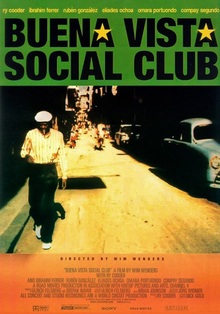
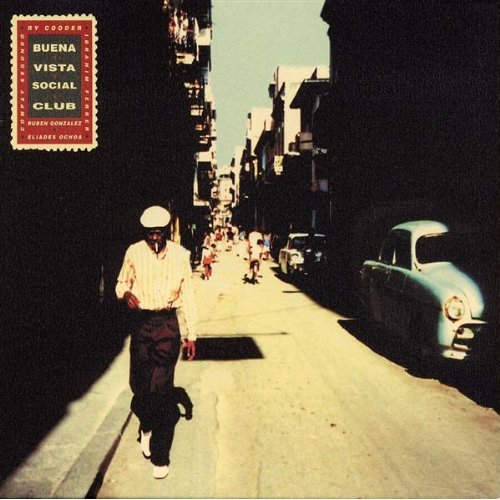
That is, until I saw a documentary on PBS[1]—and that day is about as far away from today as it is from the day I saw the baby crocodile, which is to say that I have identified Cuba with its marvelous music for at least as long as I have identified it with crocodiles, a distinct improvement.  The film touched me on every level—I did not just fall in love with the music, but the sights of Havana, the camaraderie of old musicians, their unpretentious yet assured personalities, their warmth and pride in their homeland[2].  From that time until CDs have gone the way of cassette tapes, I have accumulated a lovely collection of traditional Cuban music.  My meager Spanish is just enough to get the gist of most songs, and that is indeed enough for me.  At some point, the Buena Vista Social Club orchestra came to town during a worldwide tour.  I did not go (something about ticket prices, and I am generally not a concert goer).  While it is tempting to call this the biggest regret of my life, it did not feel so at the time.  The CDs continued to sustain me.
Almost two years ago, Buena Vista Social Club musical showed up off Broadway, but it was December, and I had other plans.  Once again, I made an informed decision to hold out. This time, I was not wrong, for a little over a year later, it finally appeared on The Great White Way, and I was there for it.  Well, to be honest, I was not the first in line.  I was skeptical.  When you love something, you do not want it touched and tinkered with.  You do not want your memories sullied.  This is why I avoid movies based on books I love[3], and generally try to avoid musicals based on movies, which these days is practically an impossibility.  My mother and I planned a trip to NYC, and I was still not convinced, thinking that I will grab the tickets when I get there.  Then Buena Vista was nominated for a Tony, and I figured I better make a move before it becomes a hotter ticket than my limited window of opportunity could support.

I loved the music, but knew nothing about the story, or even cared about it.  On the night of the Tony Awards, I instantly recognized all the characters during the musical number as if they were old friends.  I figured, if nothing else, I will still love the music.  I have seen jukebox musicals, some with better books than others, and in all cases, the music alone has been enough.   
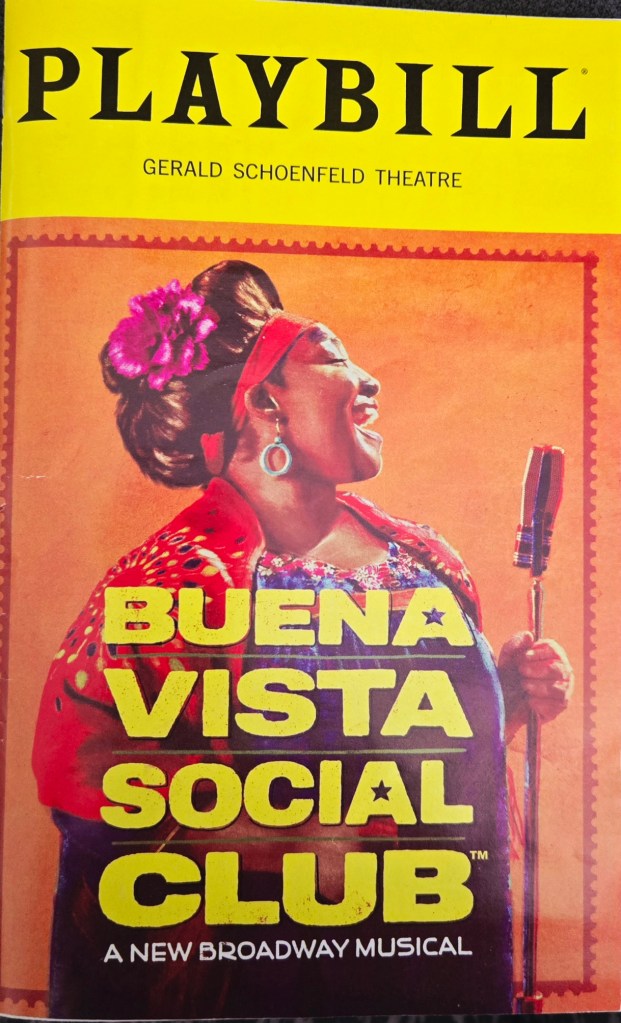
It turned out to be the story I did not know I needed.  The prequel to the events of the documentary, when Omara Portuondo met Ibrahim Ferrer, Compay Segundo, Ruben Gonzalez and others, when they were all making music in the waning days of the Batista regime and the dawning of the revolution, is full of hope, exuberance, and excitement, and sparkles with gentle humor.  The reunion of the former bandmates several decades later, familiar from the documentary, is wistful and burdened with the weight of years gone by, as these things go.  Through it all, the musicians—recipients of the most well-deserved special Tony Award—are simply spellbinding, and the songs are just as gorgeous as ever I heard and loved them.

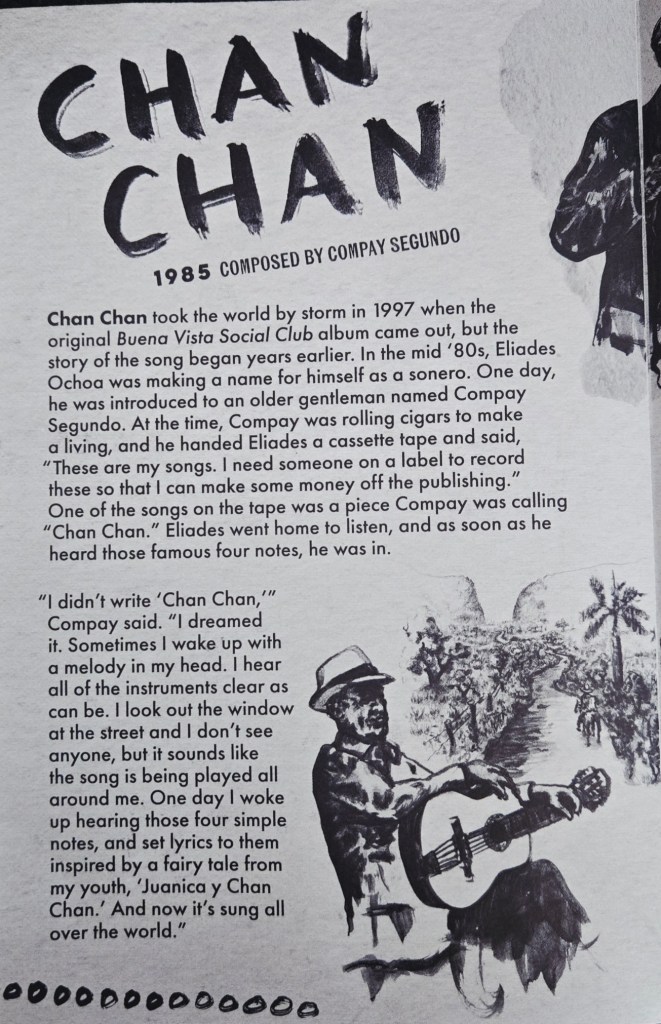
And then there are the Portuondo sisters.  On the eve of the revolution, one leaves for the U.S., in the scene reminiscent of another musical, on seemingly the last plane out of Havana.  The other stays, because someone has to continue to sing the songs of the people, for the people.  The moment when Omara decides not to leave, whether based in truth or in romantic fiction, touched my heart even more than hearing Chan-Chan live.  Some choices we make, some are made for us, some are conscious and based in sacred truth, some are based on the cards we are holding at the time.  Sitting in the Schoenfeld Theatre on a Friday night in July, seeing and hearing this story with all my senses, I both cried for and praised the impossible, life-altering, life-affirming decision[4]. https://buenavistamusical.com/


[1] When we still had PBS…

[2] The Mandela Effect had me believing all these years that Buena Vista Social Club won the Oscar for best documentary.  It did not. The documentary that won that year was “One Day in September”.  Do you remember it?  Me, neither. 

[3] No, Les Miserables does NOT count, because I saw the French TV special first, for those reading [all] along.

[4] I once had a classmate of Cuban heritage.  His father fled to the US during Batista’s rule; his mother, during Castro’s.  He marveled at the idea that had they never left Cuba, they would have never met, being from such different socio-economic background.  The conclusion that I drew from this story, however, was that people flee various regimes for various reasons, not just the ones from which we are taught to believe they do.

Featured

Thank You for the Alphabet!

We had a saying back in the day, “Chicken is not a bird, Bulgaria is not abroad” (sounds better in Russian).  It meant no real disrespect; I am certain it came from a place of envy.

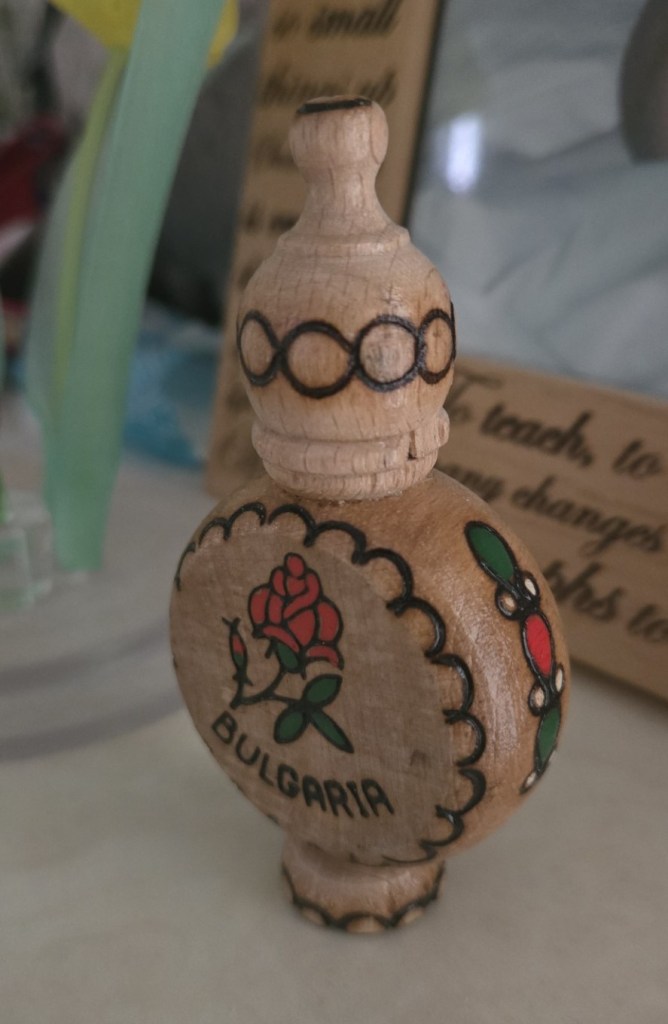
Everyone I knew had one of these little bottles with rose perfume

A close childhood friend of mine lived in Bulgaria with her parents until her father, who was stationed there, died in an accident, and she and her mother returned to our provincial town and our quiet little street.  For years, they would be visited by Bulgarian friends who spoke lightly accented Russian and brought amazing toys and delicacies.  I heard so much about it in my childhood that I felt like I kind of sort of knew it. 

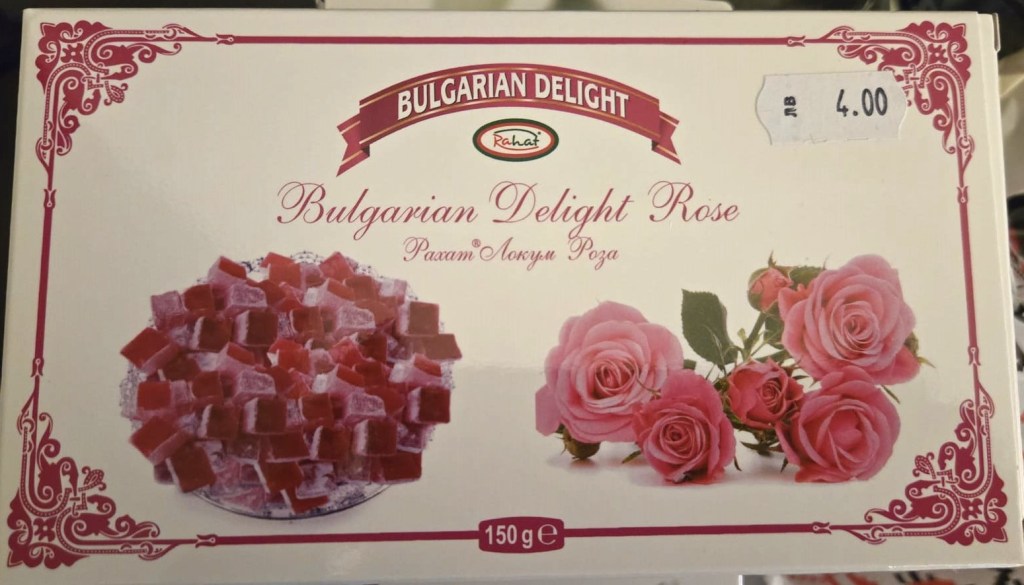
And lokum, this most delectable of desserts!

Bulgaria seemed like us but better.  The people looked, spoke, and dressed a lot like us (though, of course, more fashionably), but were friendlier, less care-worn, just brighter somehow. I imagined their cities were cleaner, and of course the stores were full of treats.  We were supposed to be the biggest, the best, and the most powerful country in the world, but according to numerous accounts from these real people, they had more of everything.  It was a paradox that remained unresolved in my childhood.

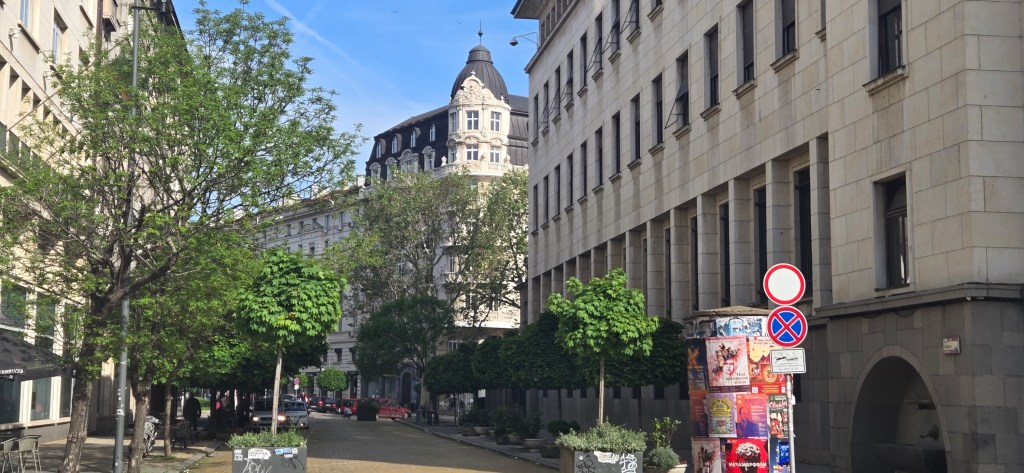
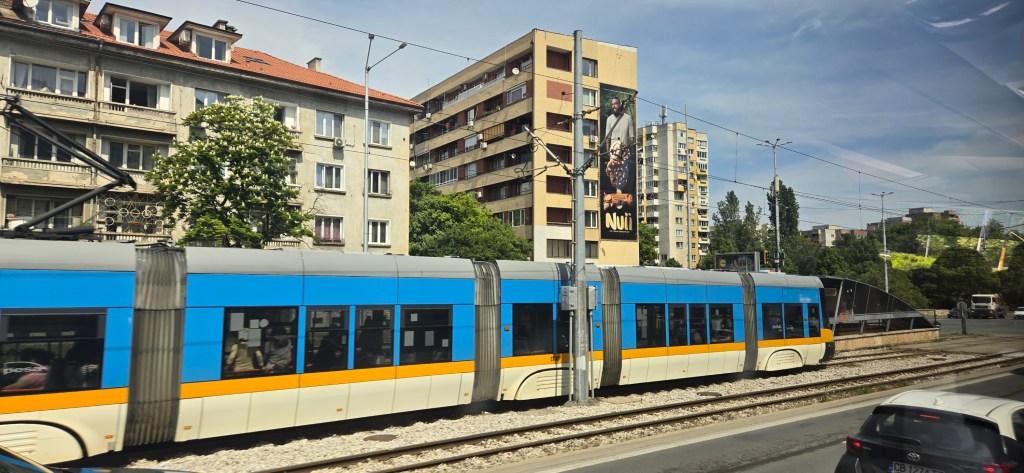
Finally coming to Bulgaria, after imagining it for decades as a fairy tale land of plenty, I found that counterlife I never really lived.  So far away and so long after my childhood, I take the concept of plenty entirely for granted.  Instead of being excited by the exotic otherness that I would have expected to see as a child, I was touched by the occasional glimpses into the past.  The trams and trolley buses.  The tree-lined streets with slightly uneven pavement.  The post-war Soviet-style buildings.  The city parks with benches full of people just hanging out on a warm spring evening.  The onion-domed Orthodox churches.  And everywhere, the signs in Cyrillic. 

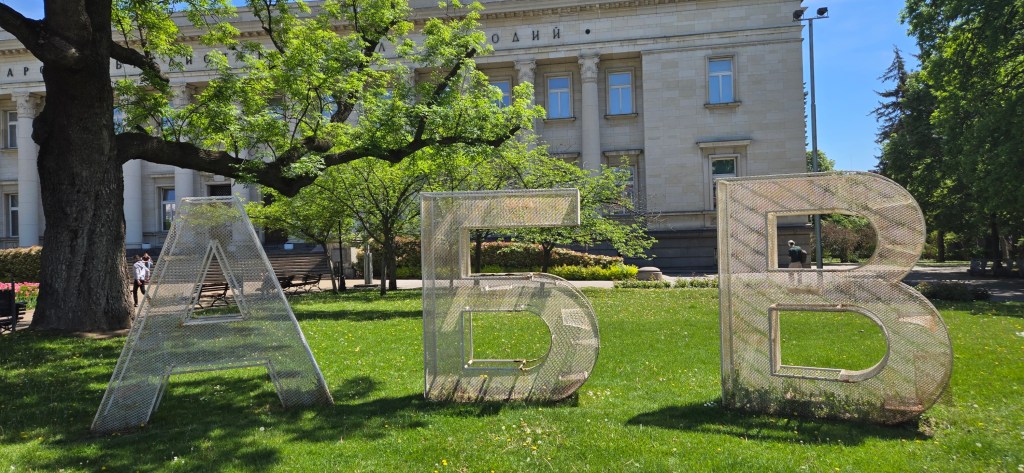
Coincidentally, Sanaz Toossi’s Pulitzer Prize winning play “English” is currently nominated for the Best Play Tony Award.  I saw it performed locally, and sobbed through the whole thing.  One quote stays with me: “When I speak English, I know I will always be a stranger”. I have been a stranger in a strange land for decades.  I speak a foreign language in my home, to my children.  I do not know Bulgarian, but just the cadence of it and the occasional words I could pick out in this native-adjacent language was music to my ears. And seeing familiar letters everywhere, effortlessly reading signs, just absorbing the words, well, that was balm to my eyes—and my soul.  Thank you for the alphabet, Bulgarians Saints Cyril and Methodius!

National Library named after Sts. Cyril and Methodius, naturally

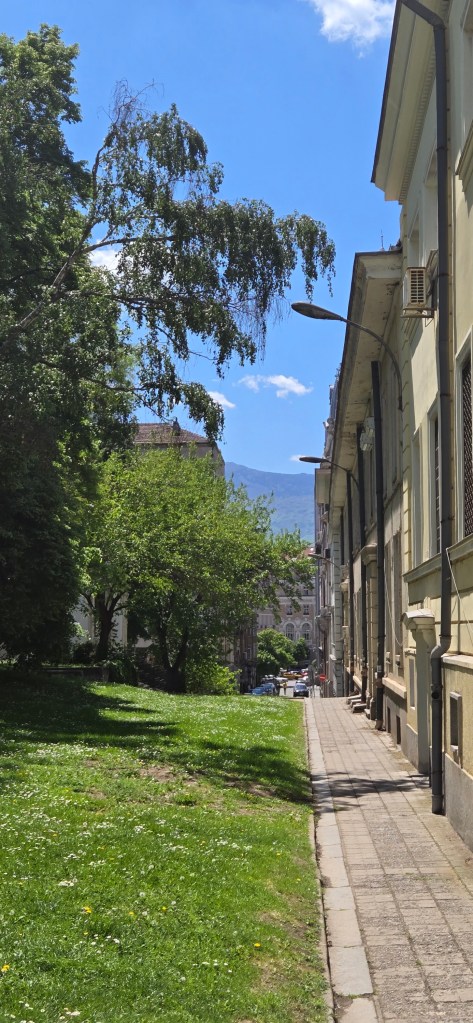
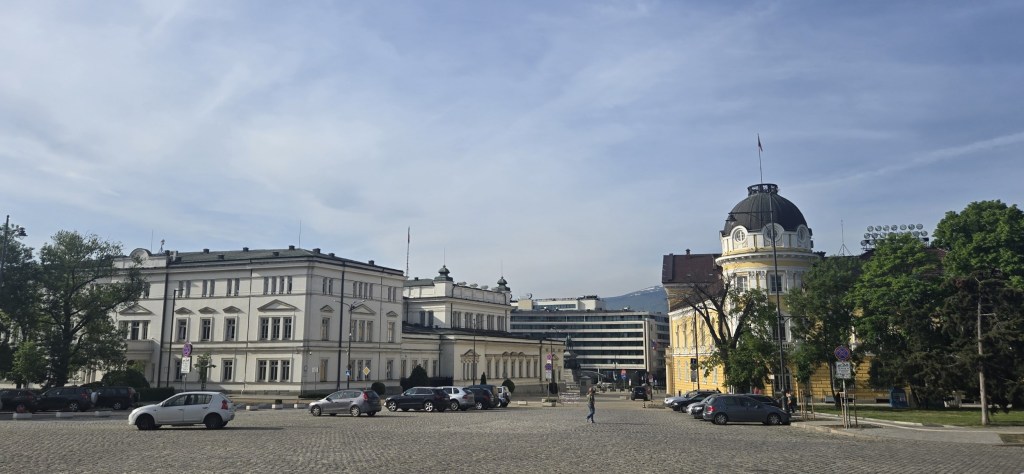
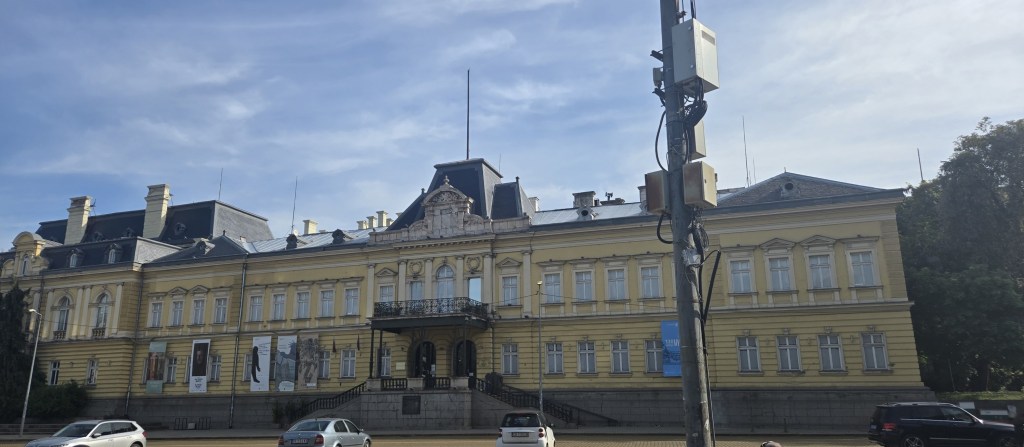
As soon as I arrived in Sofia, I went for a walk that was both purposeful, soaking it all in, and aimless, just wandering the streets and searching for the memories of that parallel childhood.  Walking on the Tsar Osvoboditel Boulevard, taking the slight curve and suddenly seeing the National Assembly building with its tri-color flag, I almost mistook the green stripe for blue.  I could have been in Moscow (had I ever wandered around Moscow on my own—I never have).  It could have been 1972 (if one ignores the modern cars zooming by).  Everything was both larger than my own hometown (for Sofia, after all, is a capital, while I come from provincial backwater), yet small enough to feel familiarly nostalgic. In short, just as I dreamed it would be…

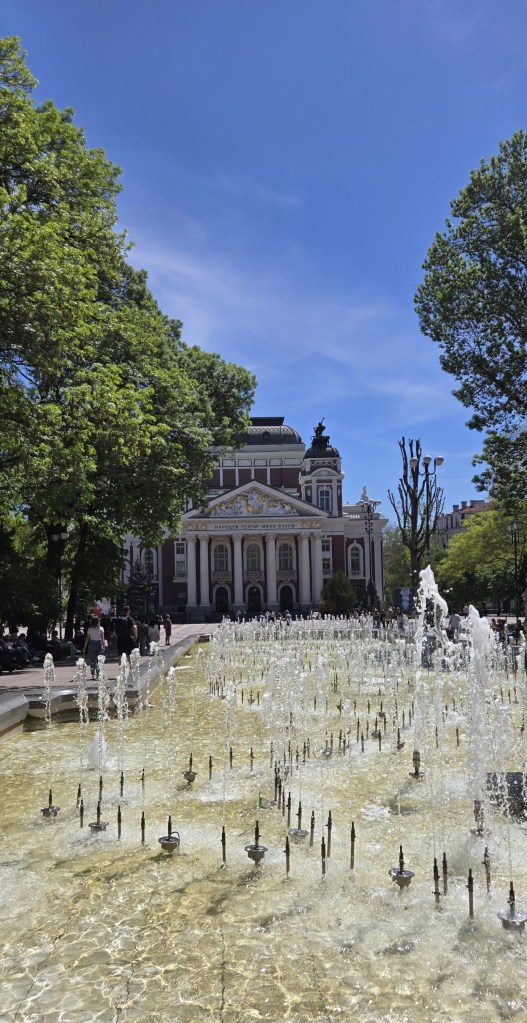
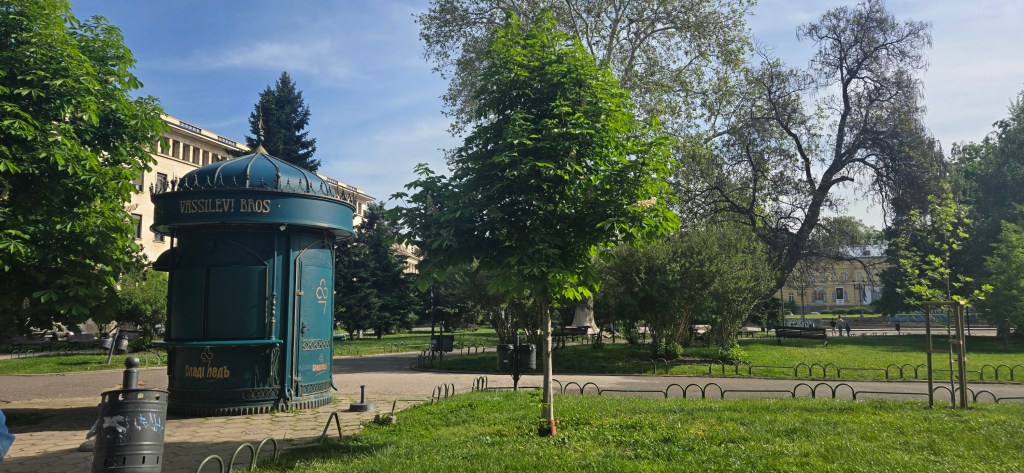
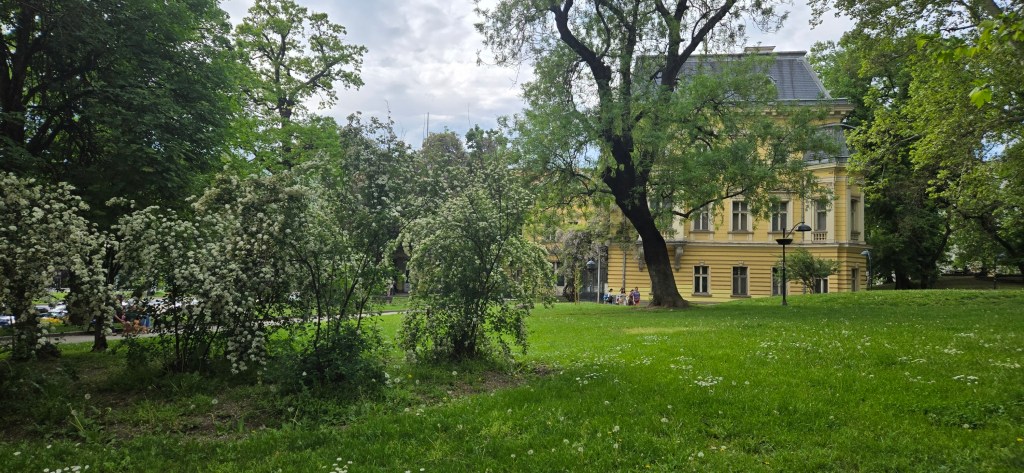
I wandered through the lovely City Garden, and came upon the beautiful neoclassical building of the National Theater named after Ivan Vazov where I saw a poster for the upcoming production of none other than “Rosencrantz and Guildenstern Are Dead”.  How I wish I could have seen it there! 

This mix of green spaces, cheerful fountains and colorful flower beds, elegant pre-war buildings on cozy streets and imposing post-war ones on wide avenues, it was all so recognizable from another place and time.  Vitosha Boulevard, the lively pedestrian street with rows of stores and outdoor cafes was the one place that stood out as belonging strictly to the Western, European Union present.  We had nothing like that during the Soviet era.  And even that was heartwarming, a confirmation (as if I needed one) that there is no stagnation, life marches on, and new and wonderful things continue to happen. This is not just an imaginary country of my childhood, but a thriving, vibrant, warm and beautiful land of dynamic present and promising future.

And speaking of Tsar Osvoboditel (Liberator), none other than Alexander II of Russia, who freed Bulgaria from the Ottoman Empire:  my great-great-grandfather fought in his army.  I do not know if he fought in the battles for Bulgarian independence, but I choose to imagine that he did.  I do know that the fact that he was “Alexander’s soldier” decided my family’s destiny, for it enabled him and his descendants, including my beloved maternal grandfather, to live in Russia proper, beyond the Pale of Settlement.  So I have feelings of gratitude to Alexander II that are at least as warm as those that Bulgarians still seem to harbor.   In Russia, he earned his moniker for the emancipation of the serfs, but in Sofia, his impressive monument bears the inscription “To the Tsar-Liberator from grateful Bulgaria”.  He seems to have been the last of the decent ones, as far as Tsars go.

I only spent two days in Sofia, two glorious, beautiful sunny days at the beginning of the longest vacation I have taken in my adult life (10 days).  If I never make it to the land of my actual childhood, I know where to look for a substitute.

Featured

On the Train to Crimea

I spent four summers of my life in Crimea, in a resort town called Yevpatoria; it was love at first sight, and the kind of love you never recover from.  Childhood memories burn so bright that some scenes of the movie from that era still play unbidden in my mind’s eye.  We then switched to the Baltics for several reasons, none of which seemed good enough to me: easier to find a room for rent, climate not as oppressively hot, wanting to spend more time with friends and family, or maybe something else entirely.  I mourned Crimea every summer in Estonia.  I mourn it still, and more so as it gets farther and farther from me “through wars, death and despair”[1].  My story is small and long ago, and does not begin to compare with the pain and loss of others, but it is my own.  I wish I could tell the story of my childhood in the magical land which I fear I might never see again, but I do not even know where to start.  Maybe with the annual train trip, which itself was the proverbial journey as wondrous as the destination?

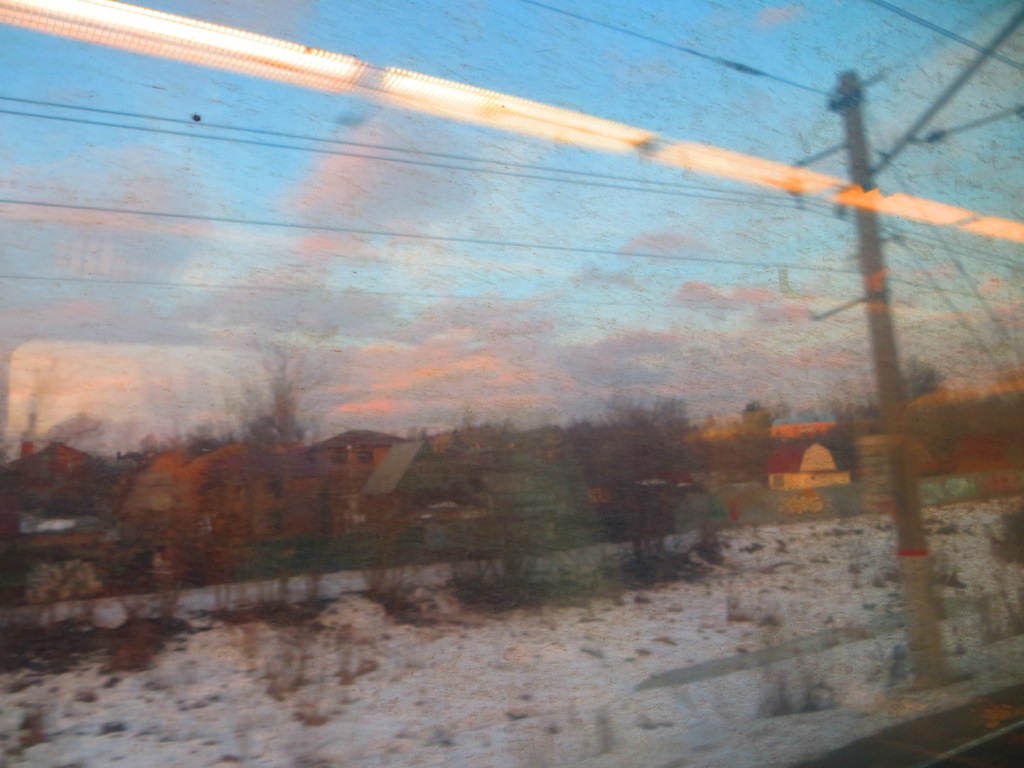
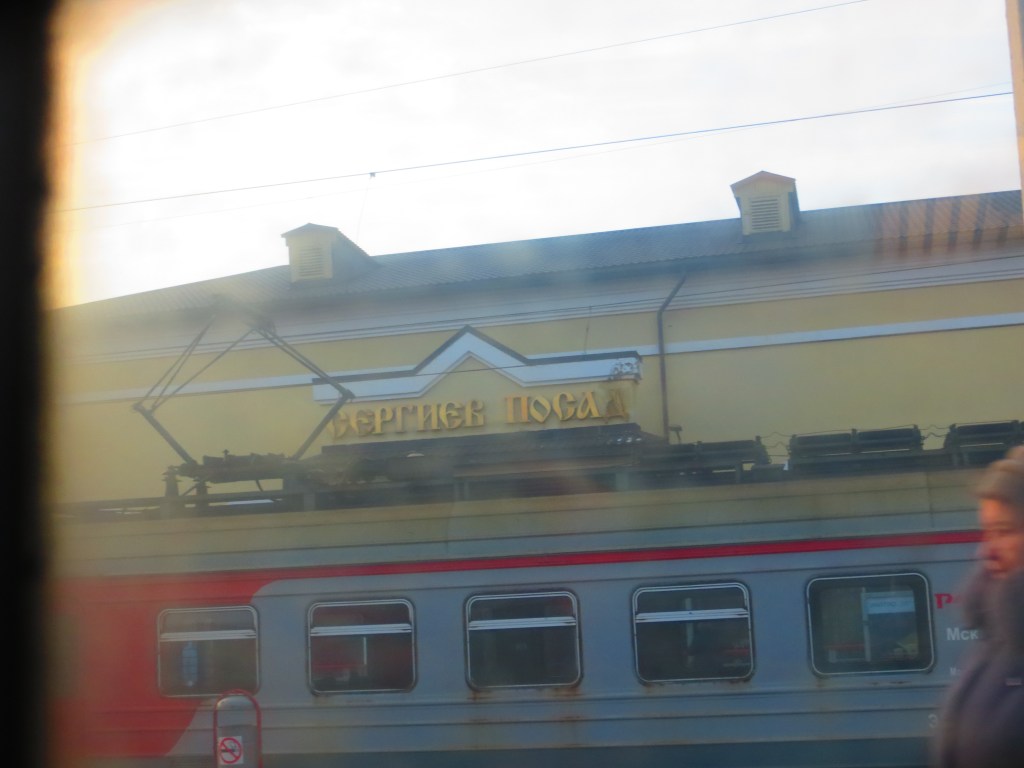
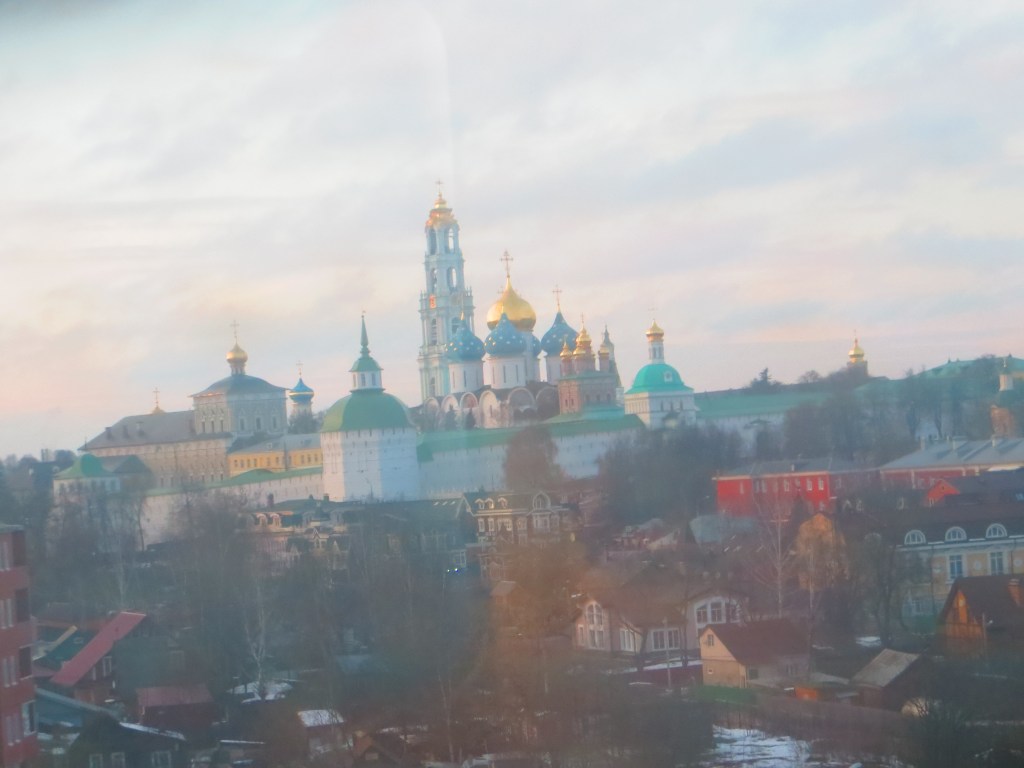
There was no direct train from Yaroslavl, of course, so first there were those four or so hours in a “suburban electric train”[2].  I always found this leg of the voyage excruciatingly boring.  I had the occasion to ride it again a few years ago, and can confirm that there is still something particularly tedious about it.  The big blue faux-leather chairs of old are gone, the new ones are not as spacious as they were when I was a fraction of the size I am now, and the view from the window is just as monotonous (with a tiny exception when the train passes by Sergiyev Posad).

We would arrive at one of Moscow’s nine train stations—Yaroslavsky (of course).  The train to Crimea would take off from another one, Kursky.  It was exciting to be in Moscow, which was huge and terrifying partially because it really is, and partially because my natal family is unusually prone to panic and aimless fuss.  However, while I was always trying to assert my independence and escape from my grandmother’s watchful, and baleful, eye in our provincial town, I would become entirely risk-averse during these long-distance travels.  In addition, Soviet cinematography and literature of the era was replete with fictional accounts of children lost in Moscow.  Although the stories always ended well, for stranger danger was not a thing in a society extolling the virtues of communal living, I found them anxiety-inducing rather than charming.  To this day, Moscow instantly turns me into a country bumpkin.  But I digress.

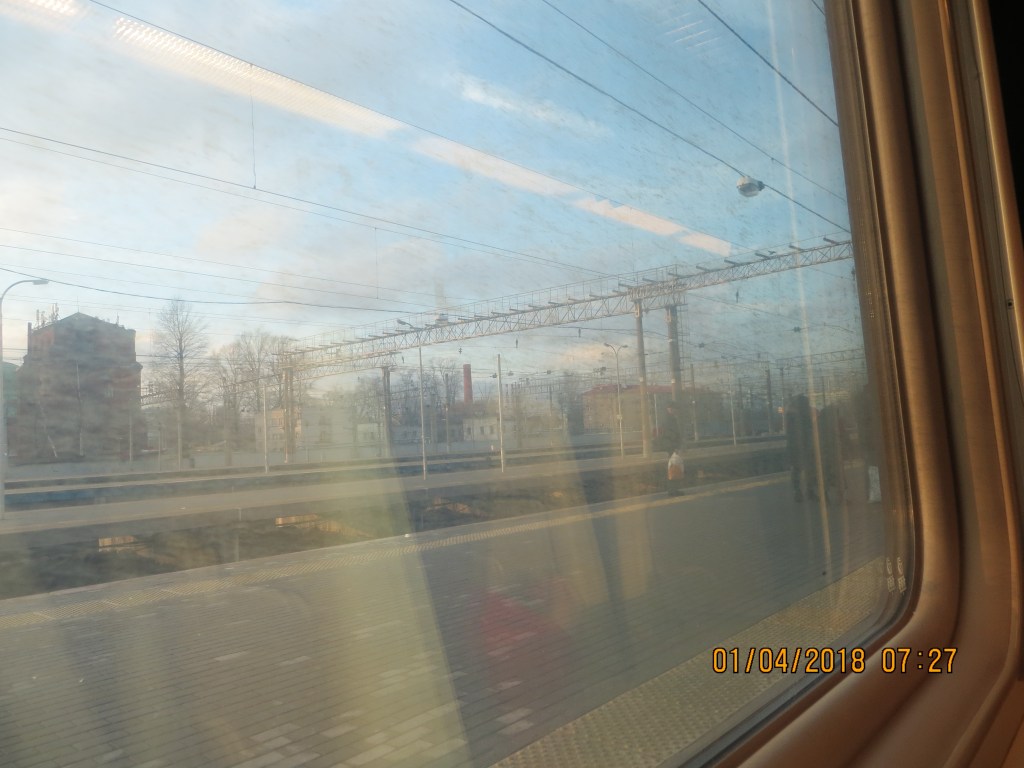
Yaroslavl Train Station in Moscow. The last time I took the commuter train.

The first year Grandma and I traveled in the regular compartment train which, as time told, was not dramatically different than European trains, with seats converting to bunk beds, four to a compartment. Occasionally, and I suspect it was simply because of availability, we rode in the strange “platzkart” wagon, a uniquely Soviet invention where there were bunks in the corridor as well and thus zero privacy.  Fun fact: there is no word for “privacy” in the Russian language.  I cannot imagine traveling in such a clown car now but, “c’est la vie” say the old folks, “it goes to show you never can tell”[3]. For as a child, I loved the “platzkart” setup, as it was easier to climb to the top bunk, with steps everywhere because of cramming so many people into the wagon, and because it always seemed like such a friendly throng. The only bad memory I have is when the radio in our overstuffed wagon somehow jammed while playing Carmen Suite’s Habanera for a quantity of some interminable hours; I could not hear that piece of music for years without it setting my teeth on edge, and have managed to stealthily avoid the entire opera.

There would have always been a dining car, but of course we never visited such a frivolous establishment.  We brought our own food, like everyone else: canned sprats in oil, black bread, boiled eggs, tomatoes, cucumbers, and salt wrapped in a piece of paper.  The conductor sold tea served in cut glasses with silver holders accompanied by sugar cubes.  Back then, sugar cubes seemed less fashionable than loose sugar, but now the sheen of nostalgia makes those hard blocks seem so retro cool.

It was a day and night’s journey across the land.  Without video stimulation of any kind, the entertainment consisted of eating, playing cards, reading glossy Soviet magazines like “Working Woman” or “Little Flame”, and looking out the window at the landscape gradually changing from north to south.  In the corridor, the windows had these little white curtains that said “Crimea” in light blue cursive letters.  I was always too short to lean on the curtain rod, and eventually too tall to fit under it, but I could stand there and stare out in wonderment for as long as my grandmother would let me. 

We never said “we are going to Crimea”, we said “we are going to the South”.  It was universally understood, same as where I live now, everyone knows the meaning of “Up North”.  Everyone was going on vacation; no one was going home. 

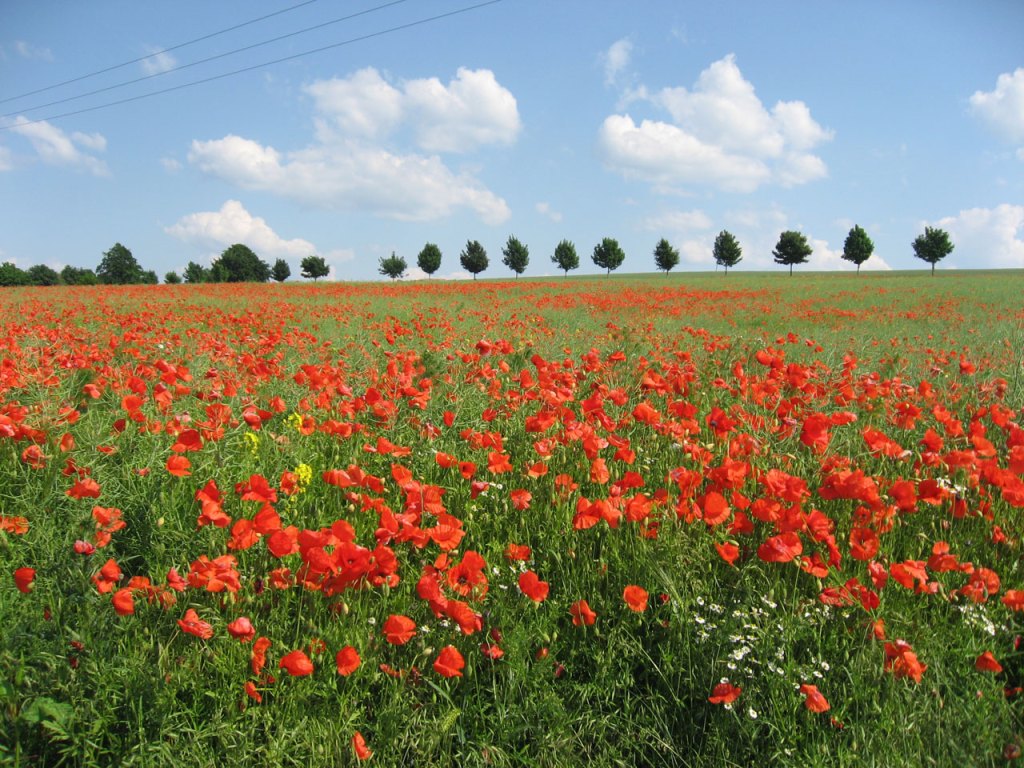
There was a granite plate built into a cliff, proclaiming “Glory to the heroes of Syvash”[4], commemorating events of the Civil War we never studied in school, which just added to the mystery of the land.  I looked for that granite plate every year, because I knew that once I saw it in the morning, I was in a different world.  Waking up in Ukraine, we saw idyllic white daub huts instead of our dark log ones, forests changing into fields, pale bluebells becoming blood-red poppies.  We were coming from the land of asphalt and dusty ash trees, constant strumming of trams, crowded streets.  And then the train just stops, giving the passengers a few enchanting minutes in a field of poppies, imagine that!

The following day would bring Black Sea with its friendly and nonlethal jelly fish, packets of little salty shrimps sold right on the hot sand of the beach, cafeteria “Kolos” with its delicious blintzes filled with sweet cottage cheese or ground beef, Frunze park with its exotic cypresses and statues of fairy tale characters, local history museum with two cannons in the front and a tiny zoo with a monkey in the back.  My grandmother then was younger than I am now, and we were going to the South for an entire summer on the beach.  As an adult, the longest vacation I have ever taken, since age 19, was the trip to, ironically, Russia (11 days).  A summer on the seashore has not been a part of my reality in adulthood.

Curiously enough, I remember nothing at all about the train rides to Estonia in the subsequent summers—not a single thing about the view from the window, people we met along the way, nothing at all.  It was still a summer by the seashore, but no longer the trip of wonders to one of the Seven Seas.

To be continued…


[1] Quoting “Anthem” from “Chess”.

[2] I had to look up the translation.  The Russian word is “elektrichka”.

[3] Quoting Chuck Berry.

[4] Alas, I cannot find any photographic proof of its existence—the plate, not the battle.