Featured

Another Turkeyless Thanksgiving

I have disliked Thanksgiving before it was politically correct to dislike it.  Well, technically, that is an exaggeration, but the warmest emotion I ever felt toward it was indifference with a tinge of bafflement.  And by “Thanksgiving” I mean the actual celebration and trappings thereof; I always have, and always will, welcome and support the idea of a four-day weekend.  In fact, the four-day weekend is one of my most aspirational career goals.  But I digress.

Of all the big American holidays, Thanksgiving was easy for my mother to embrace during our early immigrant years because of its secular nature and a very specific, mandatory, and exotic (to us) menu.  Paradoxically, these are the very same attributes that eventually turned me off it.

For me, it has been a struggle to celebrate something to which I am not connected emotionally, religiously, or traditionally.  The holidays of my childhood were deeply rooted in the Soviet calendar, the May Day with its first blooms of spring, the Victory Day with its patriotic pride, the October Revolution (celebrated in November during the fall break, so kind of like the long weekend of Thanksgiving).  And then there were the traditional ones, New Year’s Eve conflated with Christmas, a kind of two-for-one complete with Grandpa Frost, gifts under the decorated evergreen tree, but also champagne and a glorious feast at midnight, Cheesefare disguised as Rites of Spring, and some very low-key, irreligious and food-focused Easters and Passovers.

And thus, Thanksgiving did not offer me anything from the very beginning.  When I first watched Macy’s Parade on TV, it seemed chaotic and pointless.  I was used to parades in which you walk, with classmates, with family, with balloons, banners, flowers, and it’s a party.  Watching giant things float is faintly anxiety-inducing to me.  The bland menu as well is almost opposite of comfort food, especially the turkey stuffing, which remains incomprehensible to me.  My spouse enjoys pumpkin pie, and I can make a good one, but making a pie out of pumpkins continues to persist as an alien construct.

My first distinct memory of this holiday is, fittingly, one of attempted avoidance.  My senior year of high school my mother and stepfather went on a cruise, taking advantage of the long weekend—a practice I later wholeheartedly embraced.  I was left home alone, having just turned 17 and anticipating four days in the company of my VHS tapes and Little Debbie snack cakes.  A caring friend was absolutely appalled at the idea of me spending the holiday alone, and took me to a large family gathering at her uncle’s farm.  It was a very nice time, and her kindness stayed with me.  This scenario played out again the following year, with different high school friends.  It was my first year of college, my parents were far away, and being enveloped in the warmth of a family that was not mine, and thus non-judgmental, remains a cherished memory.

For the rest of my time in college, Thanksgiving became a prized homestretch to write the final term papers.  I developed an efficient 24-hour four-day rotation of half hour writing/half hour listening to music while eating Oreos and mixed nuts and drinking black coffee.  Before my mom gifted me a Mac and a dot matrix printer my senior year, Sunday after Thanksgiving was spent in an interminable line at one of the university computing centers, waiting to type up and print my handwritten pages.  I will never forget when a frat boy from one of my Poli Sci classes spotted me sitting on the hallway floor in an unwashed mass of exhausted students and gave me his number that was dozens if not hundreds closer to being called for computer access than mine.  It’s funny, these memories of random acts of kindness…  I have to say that those solitary, but productive days were my second favorite iteration of this strange holiday.

The least favorite, by far, was the actual gatherings with family.  Oh, it is not the family itself, as much as the rituals.  Thanksgiving at my in-laws’, while casual and inoffensive, included the traditional menu I dislike and the obligatory mind-numbing football game that basically concluded with a disorienting midday nap for me.  Thanksgiving at my mom’s was exactly the opposite, extreme formality in dress and elaborate Russianized variations on the dreaded poultry and other dishes, also followed by naps on stiff furniture and a desperate search for the nearest open WalMart as the only available diversion.

I don’t know who put this thing on my plate. I am sure I did not eat it. (2009)

The truly worst, however, were the Thanksgiving gatherings at my own house.  One time, my mother literally broke her foot when she slipped while running on my newly mopped floor.  Why was she running?  Oh, because as soon as she arrived at my house and saw me manually mashing potatoes, she exclaimed that she brought an electric potato masher to my house in anticipation of just such a clumsy error on my part, and ran for it.  Spouse finished the mashed potatoes and turkey, as I ate Lorna Doone cookies from the emergency room vending machine.  It was a horrible weekend however you look at it, but there is a tiny moral here of letting adult children adult.

Another Thanksgiving saw my son run away from home.  We assumed he was spending the night at a friend’s after one of the typical teenage fights.  It turned out that he was driving all night to none other than my mom’s house.  When he crossed the border into Tennessee on Thanksgiving Day, he realized that he did not know her exact address, and the gig was up.  It was a strange, strange weekend, and the less said about it, the better.

I have to give a nod to a few gatherings in New York.  There was my first year living in Manhattan, when I was wandering Greenwich Village with a friend (we saw “Home Alone” during its first run in a movie theater, and I also saw “L’Atalante”—and how is that for an eclectic mix that only NYC can provide), and because of exams coming after Christmas (creating a nightmare of a different kind), Thanksgiving was truly a four-day urban holiday.  There were also milestone family birthdays that coincided with Thanksgiving, and we gathered in Russian restaurants in Brooklyn with our traditions, including singing, dancing, and the comfort foods such as caviar/herring/tongue/”Olivier” salad and copious amounts of vodka.  Good times! 

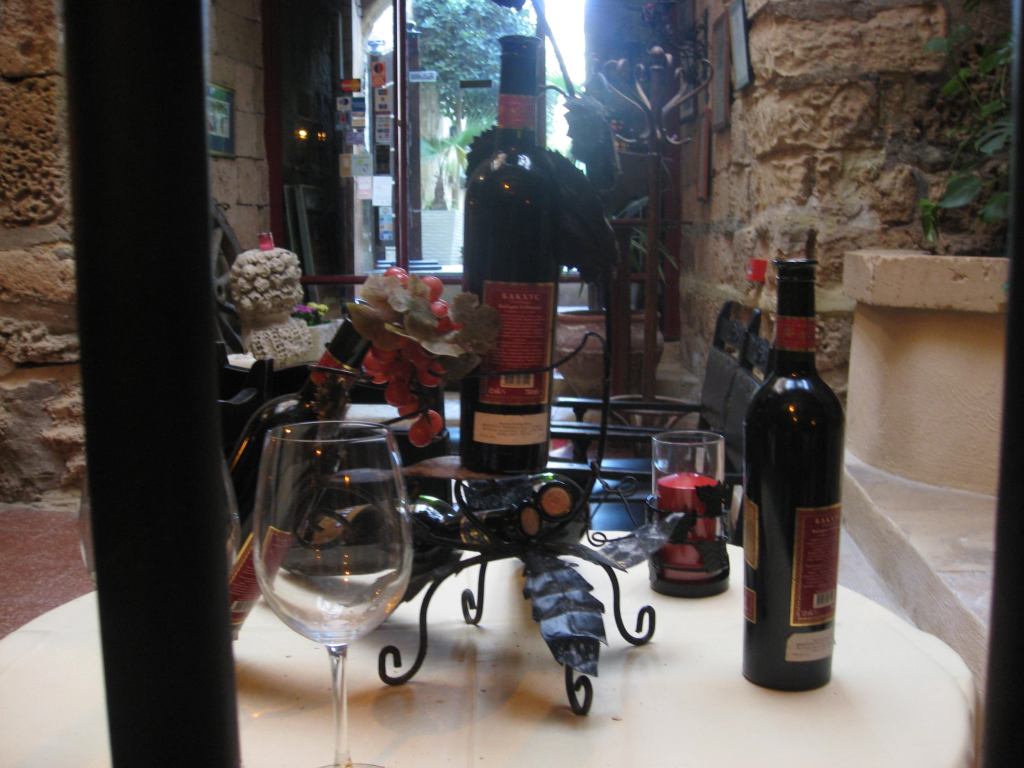
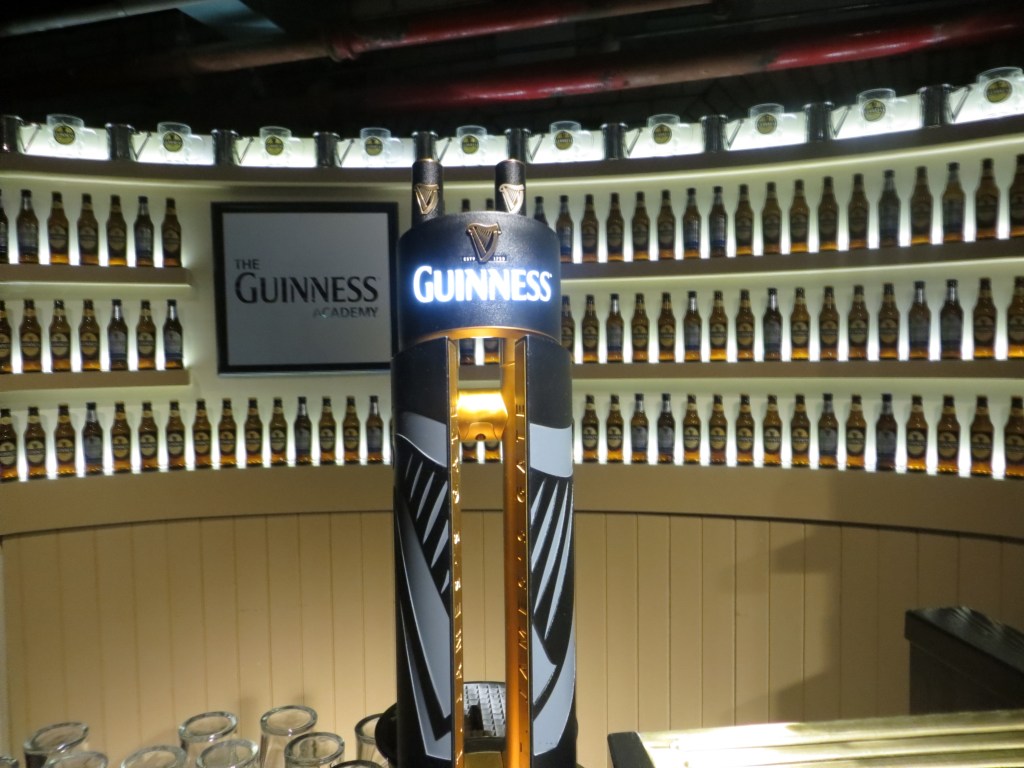
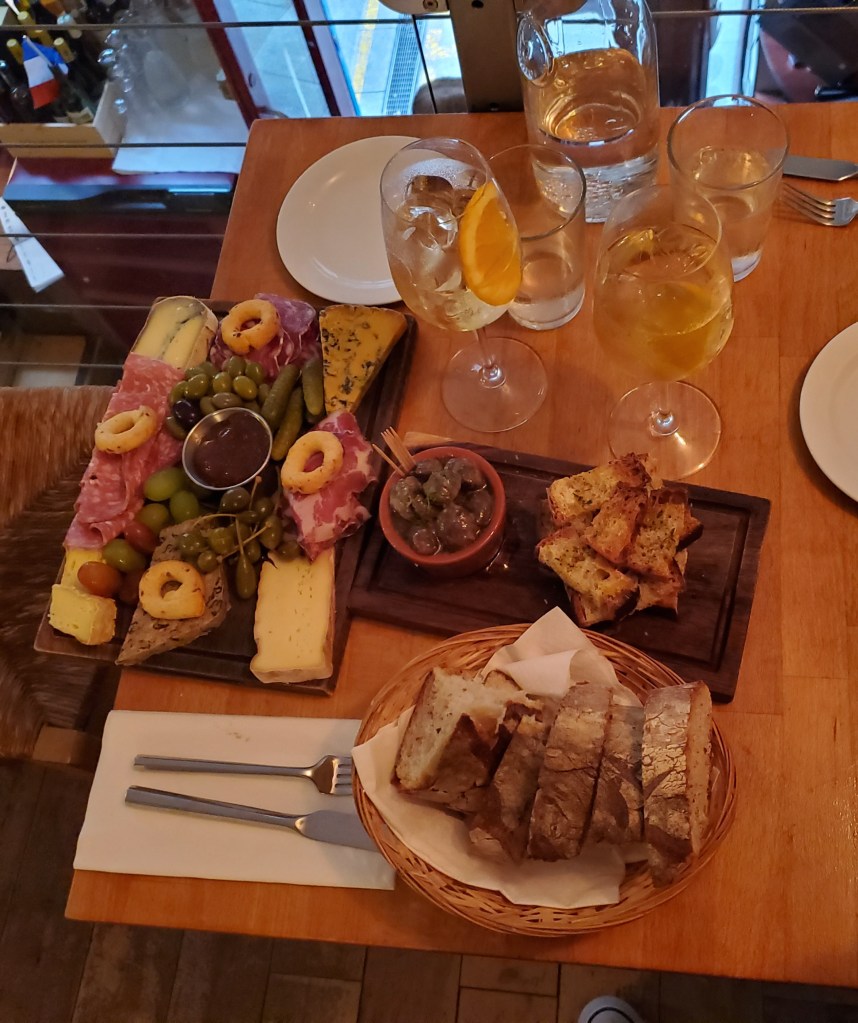
And this brings me to the best Thanksgivings.  They were all non-traditional and European.  There was paella in Spain (2008), rabbit in Malta (2010), Kir Royale at the Deux Magots in Paris (2012), discovery of Guinness in Dublin (2013), fresh turbot in Italy (2014), this incredible smoked orange liqueur in Portugal (2016), discovery of Beaujolais Nouveau on the French Riviera (2017), and the surprising charcuterie in Dublin (2019).

Also whiskey tasting in Dublin. Tealing Distillery. (2019)

Honorary mention goes to Vegas 2015—not quite out of the U.S., but still, Vegas is not your typical Thanksgiving venue—and Chicago 2018, with this failed Beef Wellington.
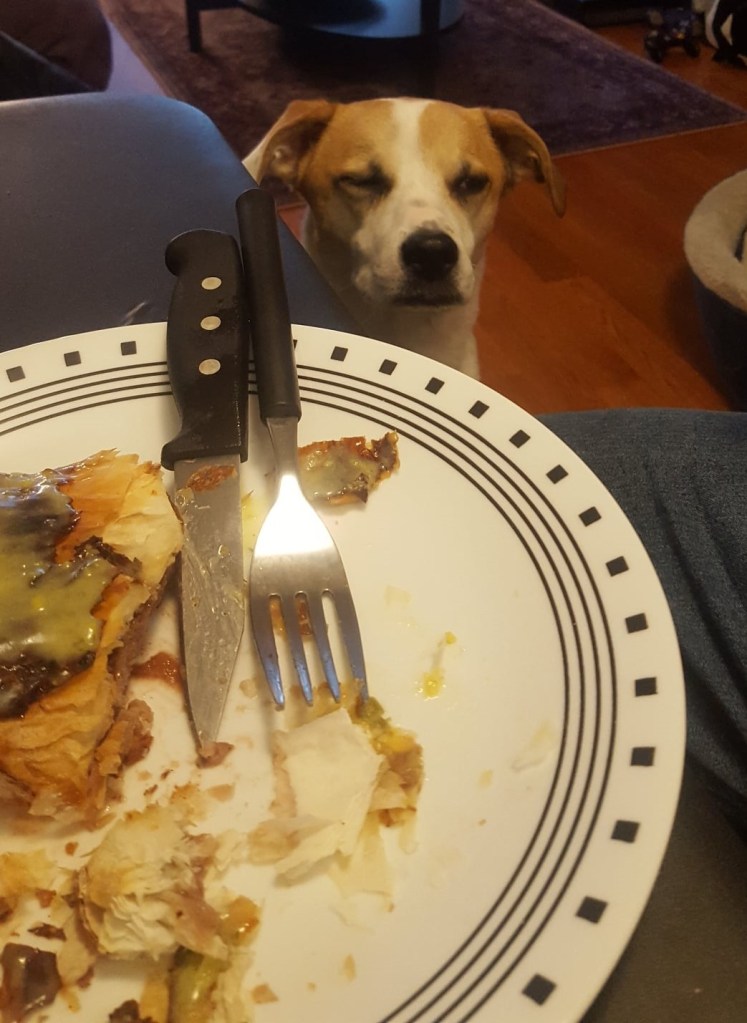
(2018)

Last year we attempted to have a first firmly post-pandemic family Thanksgiving, albeit in Chicago, and I woke up to a smell of smoke and a wail of sirens.  The building next door caught on fire.  It was a restaurant, so closed for the day.  No one was hurt.  But as I passed the fire trucks on my morning run along the lakeshore, I said to myself, strike three. 

Meet Me in Sistine Chapel or Rome, Second Try

My second trip to Rome was in 1988, during that much-mentioned European summer in college.  There were endless discussions about where everyone will travel after classes end.  I wanted to go to Scandinavia.  Almost everyone wanted to go to Italy.  I went to Scandinavia, by myself—but not before I went to Italy with my roommate Kathy.

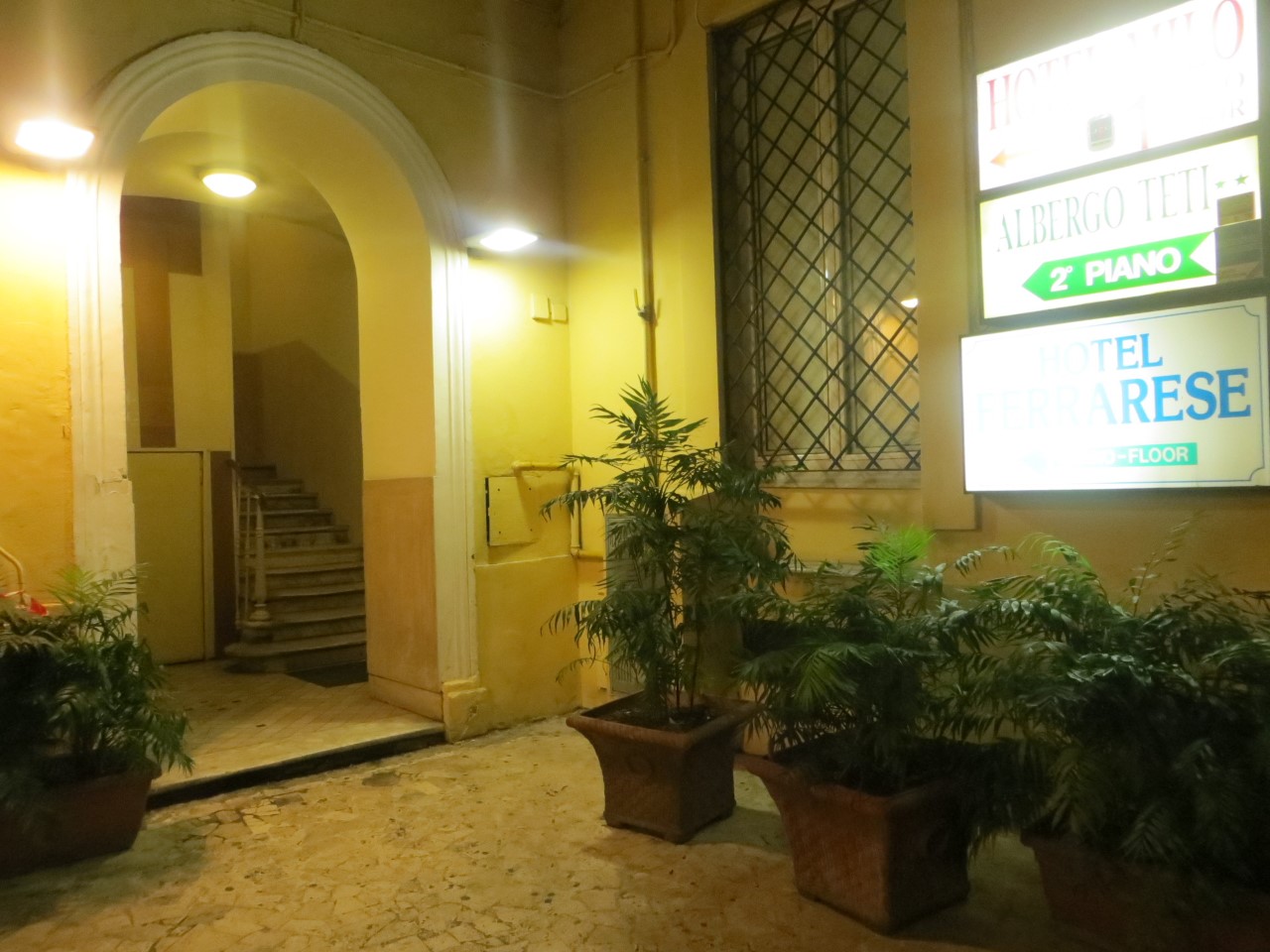
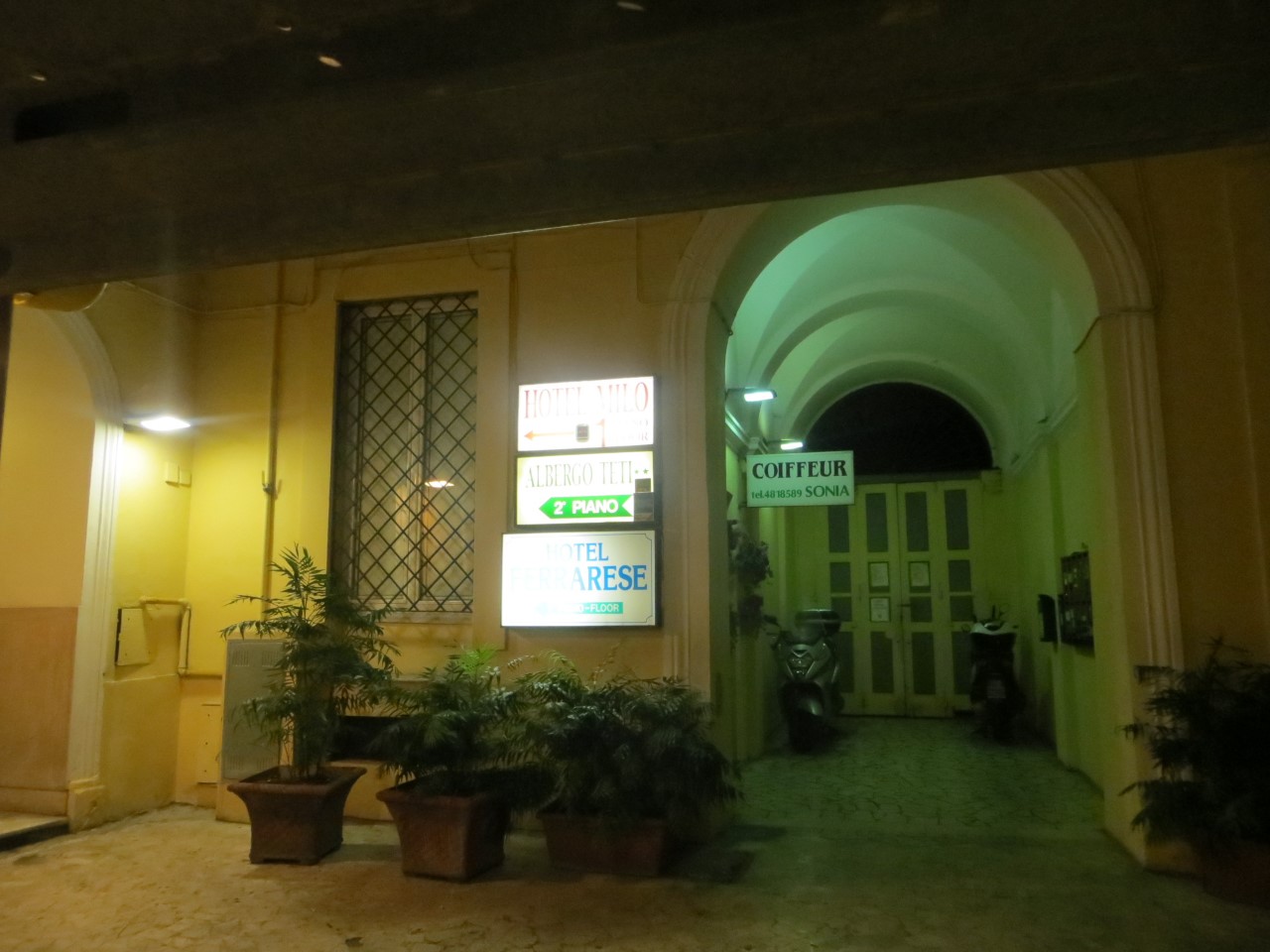
This looks like something out of “Rocco and His Brothers”. Milo in 1988

But at the outset, I have to acknowledge that I made a small, but vital error in my first Roman reminiscence when I wrote that I never entered Pensione Milo since 1981. Roman Holiday – Old Lady Writing Apparently I did, during this second visit, and not only that, but Kathy and I even went up to the lobby and loitered there for a bit.  There are photos from this second visit—but, due to lack of funds and related constraints of a 35mm camera, the careful rationing of available resources resulted in zero images of the pensione’s interior.  And then three decades passed, and I completely forgot this ever-critical fact—until I conferred with the old diary.  And there it was.  Never let it be said that I do not acknowledge my mistakes.

As a teenager, I wrote about my life in great detail, which I desperately envy now.  I envy my younger self’s complete and utter self-absorption—but, that is certainly the prerogative of youth.  I would love to recapture that focus in my Third Thirty, and preferably a little before.

And thus present recollection refreshed informs us that on Thursday, July 7, 1988, Kathy, Naomi, and I were the second group to depart the Travelers Hotel in Nimes (the town I missed revisiting due to the plague last year, Pont du Gard and the Plague – Old Lady Writing) on a night train to Paris.  While waiting on the platform, we were rewarded by being kissed by sailors from a Marseille-bound train that stopped in Nimes for a literal minute.  It was a kinder, gentler time.  No judgment.

In my diary, I wrote in puzzling detail about traversing Paris with Naomi from Gare de Lyon to Gare du Nord with my hateful, incredibly heavy orange Soviet-edition suitcase.  Wheeled suitcases were already a thing then, but out of about 35 people in the group, I was the only one without one.  Being an immigrant, and of the refugee kind to boot, I spent the decade trying, yet never quite succeeding, to fit in.  I would like to think that the orange suitcase was the last vestige of that difficult passage to America. 

In any case, it was a complicated plan in which Kathy (who stored her suitcase at Gare Montparnasse—a detail that never becomes important again in this narrative) and I, after parting ways with Naomi, first headed to the Netherlands, where I left the detested luggage with my erstwhile host family, and then traveled all the way down to Rome, after which we efficiently worked our way back up via North of Italy, Switzerland, Belgium, Luxembourg, Belgium again, Switzerland again, to finally tearfully part back in Paris.  She mentioned once that she will probably not return to Europe, as she was looking forward to getting married and living the good life in the U.S.  I was instantly shocked, as I envisioned that summer as the beginning of many adventures to come.  We were both right.  And she is still the best roommate I’ve had (present spouses excluded, of course).

But the very first day—after the luggage was sorted and after we spent about two days sitting on various trains (for sleeping wagons are only covered by the Eurail Pass if there is literally no other mode of transportation) and missing various trains (for the Italian rail schedule was an unsolvable mystery in the ‘80s) was Rome.

The hostel where we stayed was either worse than Milo, or I came to expect more.  No, it was clearly the former—as a college student of extremely limited means, my expectations would not rise for at least another decade (remember the First Spanish trip? The First Spanish Trip – Old Lady Writing)  We arrived exhausted and bedraggled at Roma Termini, looking forward to a shower before bed.  I do not recall who went in first—but whoever it was, discovered that only cold water was available (I would guess it had to be me, because had Kathy told me that there was no hot water, why would I have gotten in?  She would have—I would have stayed filthy).  We sat on our respective beds, felt sorry for ourselves, and had a good cry.  I had a fleeting thought that Rome and I just aren’t meant to be.

Our one day in Rome was action-overpacked.  We met several friends from our group—inside the Sistine Chapel, no less, because in those pre-cell phone days you had to pick a landmark, a time, and hope that everyone made it.  It was kind of like a student/buddy moment of Sleepless in Seattle.  Kathy and I walked all the way from the hostel near Termini to the Vatican.  We already know now that it is less than 5k Roman Holiday – Old Lady Writing, but after a long train ride, a traumatic first evening, and on a sweltering, tourist-packed August day it seemed like a manifestation of all the confusion and disorder that I remembered from my previous Rome stay. 

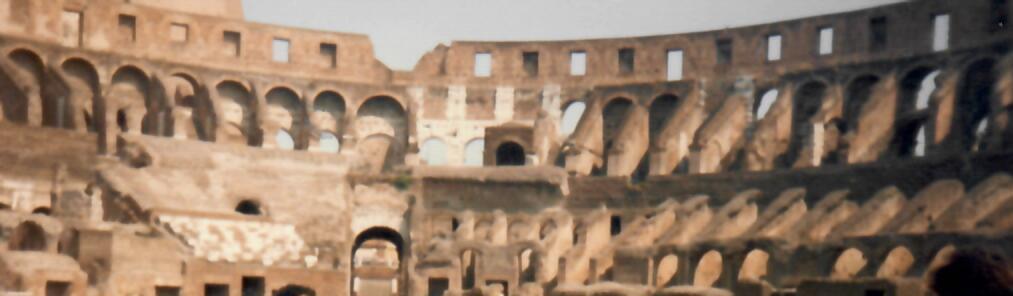
So, I finally saw the Sistine Chapel, and then the Colosseum.  We ate some terrible pasta at a cheap restaurant nearby, cementing my poor opinion of Italian food for the next few decades.  We visited the catacombs.  It was exciting to finally be out and about as a paying, albeit a decidedly not flush, tourist.  But Rome was still overwhelming, in its size, its sights, its sounds, its infinite variety.  If the first trip was one prolonged anxiety attack, the second trip was an assault on the senses.  To be fair, it was only a day, and short on time and money, we made the best of it.  Third time turned out to be the charm.

Roman Holiday

It took me three visits and over three decades to make peace with the Eternal City. Yes, Rome and I are friends now.  We have finally met as equals.  And frankly, I have fallen in love with it.  Any place seems better when you are (1) not a refugee there and (2) not focusing all your energy on leaving.

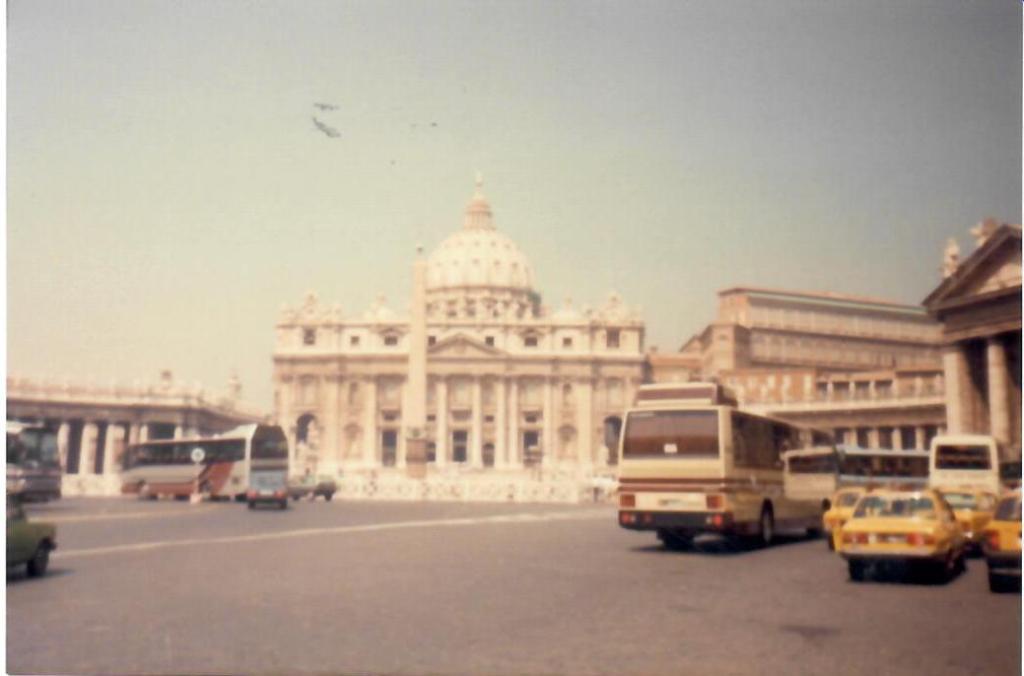
There are no photos in existence from that time, but I do have several postcards, depicting the sights I saw live only decades later.

I will never forget the first exciting view of Roma Termini in December of 1980.  In my first outing from the USSR, where train stations were bare, marbled, vaulted, and meant exclusively for tormented and interminable waiting, the bright vitrines of Termini were just spectacular.  There were these display cases the size of small windows, basically shadow boxes, full of various souvenir items and toys, shiny, exotic, and oh-so-Western-European.  They were mesmerizing! 

I have seen many more train stations since then, and they no longer interest me.  Although in Rome things tend to stick around for millennia, the shadow boxes seem to have gone the way of all memories.  Everything else is recognizable, but Termini’s luster has faded.  In contrast, the rest of the city is much improved.  But what a conundrum—in 1980, Rome meant nothing to me beyond the glamorous train station.  I saw so pitifully little of it!  Thirty five years later, the rest of Rome transformed itself into a glorious, romantic, sight- and taste-filled adventure—albeit with a lackluster train station.  What a sleight of hand!

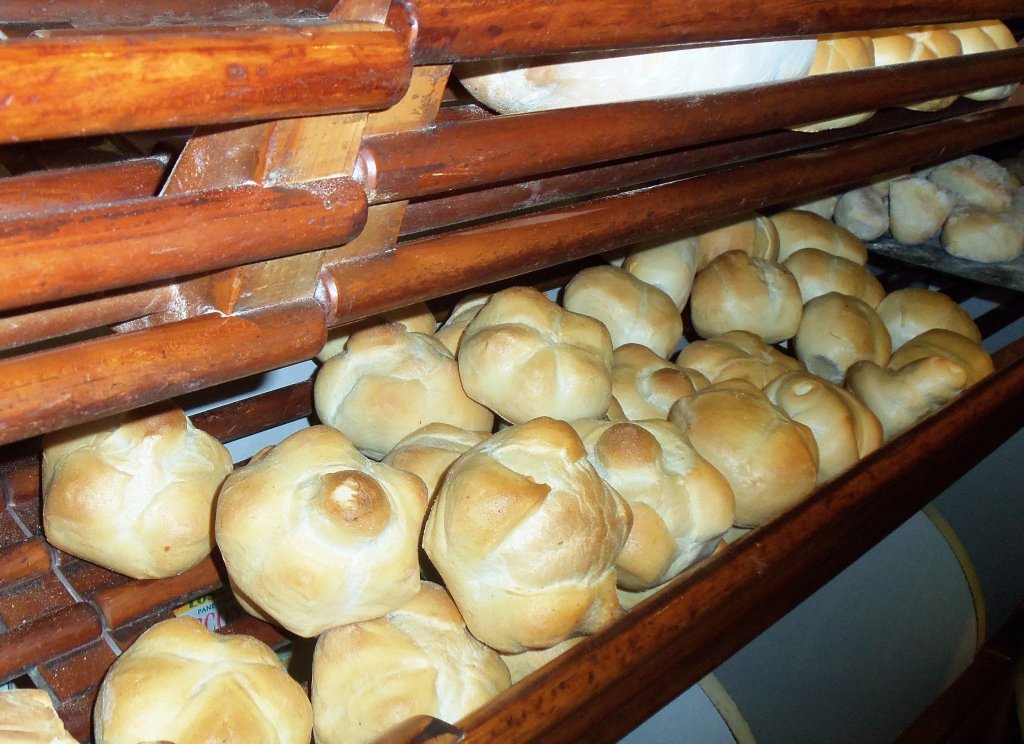
Pensione Milo, which housed many of us former Soviet citizens on our first and one-way trip out of the country of our birth (still united at that time), is now a hotel.  If I live long enough to get back to Rome yet again, I would like to try to dare myself to stay there–provided the scars of memory heal by then.  It is near the Termini, so that makes it convenient.  On my two subsequent visits, I stayed nearby because that was all I knew, but it is actually a fairly charming area.  Milo seems to have been all renovated and fancy, with private bathrooms, no less (according to their website; I have not yet had the nerve to enter).  Well, not exactly fancy, but it is a hotel, no longer a boarding house for refugees.  There must not have been much call for that after a certain point in time.  Back in the day, we had two rooms, because we were two families.  I was made to share with my grandmother, and my mom with my grandfather, because grandma and I caught some terrible illness and were quarantined together.  It was the brighter room, on a lower floor, and it had a sink.  A sink of our own!  The other room was upstairs, with peeling wallpaper, sloping ceiling, and no sink. Occasionally fellow refugee neighbors would use our sink to brush their teeth, as it was such an unexpectedly luxurious feature.    There was a communal dorm-style bathroom and a dining room.  The meals, which included bread rolls of the type that they still serve in Roman hotels for breakfasts, and all manner of pasta dishes with weak tomato sauce, and occasionally tomato pasta soup, were served by a guy named Franco.  I can now pretty much assume that Franco was his name.  At the time, the foreignness of it could have only meant that it was Italian for “waiter”. 

So, for years I thought that Italian food was terrible (both the gobs of boiled spaghetti of the refugee cuisine, and equally the monstrous portions of over-cheesed baked American variety).  It did not compare to the culinary delights of the Austrian prison, where we stayed prior to being transported to Rome.  There was no Italian equivalent of Manner wafers.  But we were free.  Free to do almost nothing but fret about our future. We were pretty confident, I think, that we would be allowed to enter the United States—but when? And what exactly waited for us on the receiving end?  And how do you occupy your time with anything more than survival when you have no money and no language skills?  It is not the lack of money or language.  It is the not belonging.  You are not a tourist, not a guest, not on a business trip.  You are just in a limbo of existence, and you are waiting for your paused life to restart. 

As refugees, we spent most of our time in Rome indoors.  This might have been the only time in my life that my grandmother did not insist that I go outside to play.  What did we even do?  How did we pass the days?  (And how many days were we actually there?  It felt like months, but the calendar does not bear that out).   It seems so strange and unlikely now that we would not have taken the opportunity to explore the city.  I asked my mother about it not long ago, and she really had no answer.  There were plausible explanations—no map, no language, no money—but none of that makes sense if you have the time.  We ate our meals and constantly conferred with the other exiles (“Where are you going, Tevye?” “New York. And you, Lazar Wolf?” “Chicago.” “Good, we will be neighbors”).  This was our version of the last days in Anatevka. 

We stayed within a short walking distance from the Colosseum, which I never saw on that trip.  I walked the entire distance from the near-Termini area to the Vatican on several later occasions.  It is less than a 5k, a distance that I cover on autopilot during my training runs.  Could a merry little band of refugees have walked out of Pensione Milo on Via Principe Amedeo and kept walking?  Not stopping to drink prosecco, not walking into churches, not sitting down to a plate of seafood, but just strolling and staring?  We did at least once, because I remember a group of us, led by one especially fierce female of the species, who kept accosting passers-by with frantic cries of “Dove la posta centrale?”  I remember the terrifying bulk of the Vittorio Emanuele II monument, but not whether we ever reached our destination.

We met the New Year in the lobby of the pensione. One of the dads was presented as an unexpectedly believable Grandpa Frost, with cheeks rouged by someone’s lipstick, and gave out gifts to the kids.  Everyone contributed what they could.  I got a chocolate bunny, which was literally the best gift ever.  In our secular Soviet life, chocolate bunnies had no connection to Easter (nor should they ever or anywhere, in my humble opinion), but were an anytime special treat.  I was thrilled.  No one could afford to buy Italian chocolates, but this was a familiar treasure that someone brought from home and donated.  I have kept the foil wrapper for 40 years.

They say that how you meet the New Year is how it will turn out to be.  “They” are decidedly wrong as often as they are right.  But, that New Year’s Eve set the tone not just for the coming Worst Year of My Life So Far (and I just lived through the pandemic of 2020!), but for my Least Favorite Decade So Far, the 1980s.  It might have been a festive Roman celebration outside, but inside, my small world was bracing for the strange, scary new life on another continent.