Featured

Lost Boys and Girls

*Warning: strong language

Two weeks after I graduated from high school, my mother and I moved to Fort Worth, Texas to join my stepfather, who was already working there.  I spent that summer doing nothing but watching The Monkees reruns on TV, going to the record store to buy The Monkees records on the rare occasions when I had access to a car, occasionally going to the library to search for articles about The Monkees on microfiche, and generally daydreaming about Peter Tork. https://oldladywriting.com/2021/12/19/listen-to-the-band/ I was not made to get a job, probably because we did not have a spare vehicle for me to get to one, or maybe also because it was not necessarily our cultural expectation.  It was the last time in my life that I was home during the weekdays (not working) and/or out during the weekday not going to work.  I have been fantasizing lately about what that would feel like again…
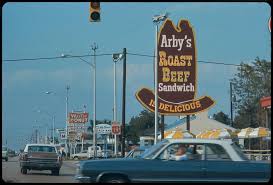
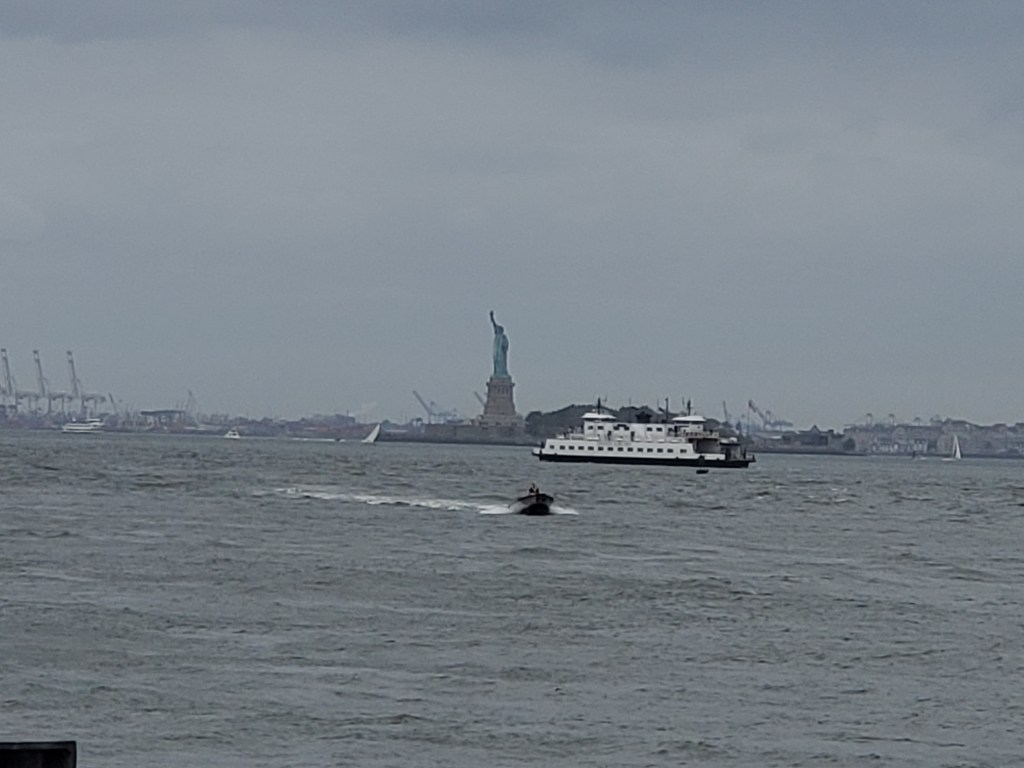
Not the same location; generic photo.

I returned to Fort Worth the following summer a much different person.  I finished my first year of college, and it was time to get a job.  My stepfather was temporarily in New York, there was some car that was available for my use (though not the infamous turquoise Dodge Diplomat that ended up accompanying me back to Ann Arbor—it was serving its time in NYC as my stepfather’s unsuccessful yellow cab), and my mom and I decided that, since we both love Arby’s and frequented the one on Camp Bowie not far from our apartment, that would be the logical place to work.  The manager, Shirley, hired me on the spot, and thus I entered the work force. 

It was a typical first job for a teenager (and my only foray into fast food business).  Interestingly enough, that restaurant was staffed not with my peers, but with actual adults supporting families.  I was somewhat disappointed to not get nearly as many hours as I hoped, but in retrospect, I am not sure I could have handled making sandwiches and cleaning toilets 40 hours a week.  I definitely was not nearly as enthusiastic as the rest of the crew, and my status as a college kid rendered me suspect.  Until Monique showed up.
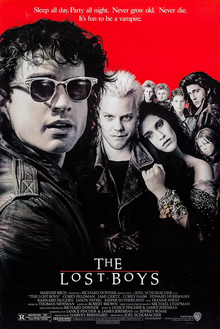
Monique was an emancipated minor, about a year younger than me, if memory serves.  She was streetwise and tough, a huge fan of Prince, and had the biggest heart.  During that summer, we bonded as the only teenagers at that Arby’s—and she was also the only person my age I ever knew in that entire town.  We hung out as young people did in those days, going to arcades, bowling, and most importantly, to the movies.  We would get our Arby’s discount and smuggle our beef ‘n cheddars and potato cakes in our purses. The two biggest movies for us that summer were “The Lost Boys” and “Adventures in Babysitting”.  We saw each of them more than once and quoted them endlessly and randomly. 

“The Lost Boys” recently opened on Broadway. Of course I saw it.  Of course I loved it. 
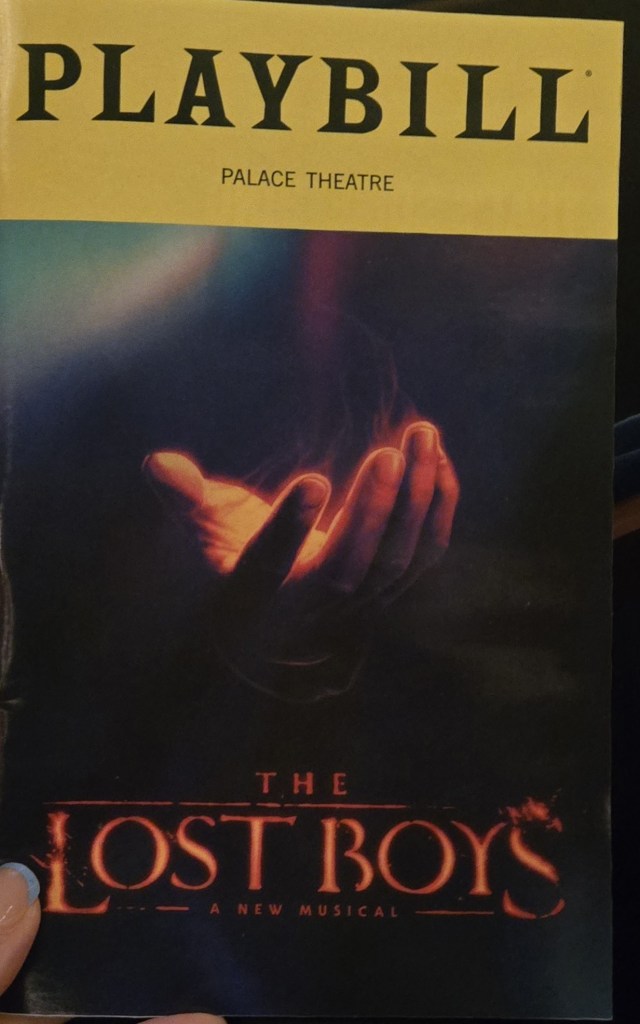
I generally do not approve of this trend of turning movies into musicals—I want to see something original—and end up preferring the theater version to the screen one, because there is nothing better that live theater.  But this one hits differently.  The stage version is fabulous, with great acting, gorgeous voices, fantastic special effects.  The characters are just as enticing as the original ones.  Ali Louis Bourzgui as David sports that familiar bleached blond pompadour/mullet, and is there anything cooler than a vampire who sings in a baritone?  They did use one of our favorite quotes: “My own brother, a goddamned, shit-sucking vampire!” (Little brother Sam, played by Corey Haim in the movie, of course, and by Benjamin Pajak on Broadway—this kid is a star and The Star of this show—but not “Great, The Bloodsucking Brady Bunch (Corey Feldman as Edgar Frog in the movie, and Pierce Wheeler on stage—he was the understudy the night I saw the show, and was wonderful).  It’s a tremendous spectacle, and I am rooting for it to win all of its 12 Tony nominations.
After coming home after a wonderful Broadway weekend, spouse and I immediately sat down to rewatch the movie.  It sure holds up.  The Coreys in their first joint venture; Kiefer Sutherland before he became Jack Bauer; and who remembers Alex Winter as a vampire before he joined Keanu Reeves on an excellent adventure?  And let us not forget that it, too, has a killer soundtrack (no pun intended).  Spouse was particularly disappointed that “Cry Little Sister” was not featured in the stage version.  Monique and I used to sing to that, her voice no better than mine (sorry, Monique).
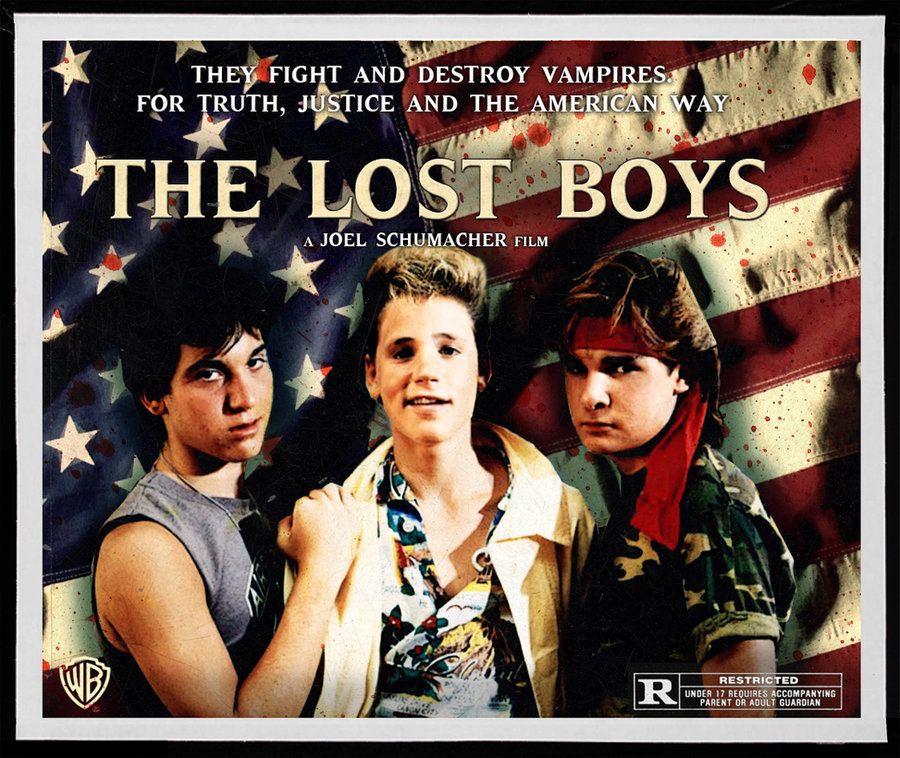
In short, I loved the musical—go see it, on Broadway, or when it tours and comes to a theater near you, for I have no doubt that it has staying power.  And the reason it does is partially because the original material was so good—and partially because there are many of us who might not remember what we ate for breakfast but vividly recall the first time we saw “The Lost Boys” in a movie theater.  So after you see the musical, dig up the original movie in whatever medium you have available, and enjoy some heart-warming ‘80s vampire nostalgia.

A couple of years after that summer, Monique enlisted in the Army, and we lost touch.  Wherever she is, I hope all is well with her.  Meanwhile, “Adventures in Babysitting” is still waiting for its live theater version…
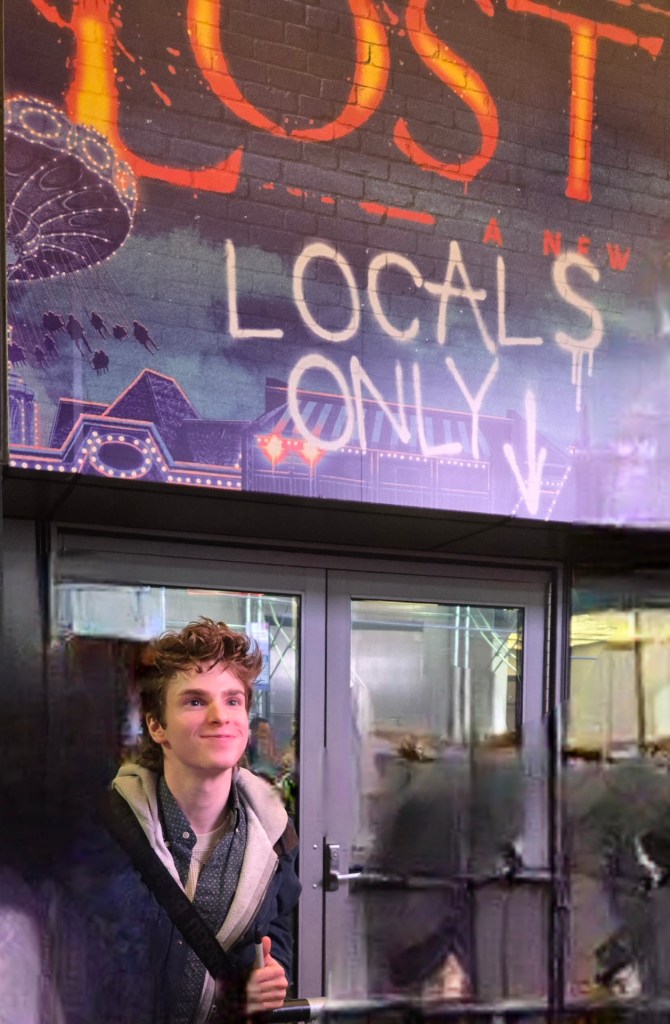
Pierce Wheeler (Edgar Frog) after the show.
Featured

Nouvelle Vague

Time it was,
And what a time it was
It was . . .
A time of innocence
A time of confidences

Simon and Garfunkel, Bookends

I have been watching the Oscars since 1983.  I know this because I did not see the 1982 ceremony, during which “Chariots of Fire” won Best Picture.  We were too new to the US and its traditions.  Once I grasped the meaning and excitement of this award ceremony, I never missed it to this day.  My freshman year in college, I actually found someone in my dorm who let me borrow their TV set for the evening (This was way before one could watch videos on the phone.  Come think of it, this was before cell phones—imagine that!) Another year, spouse and I were traveling, and asked my in-laws to tape the Oscars for me.  That was the year of “Life is Beautiful” and Roberto Benigni leaping over tables.  But I digress…

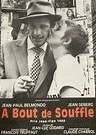
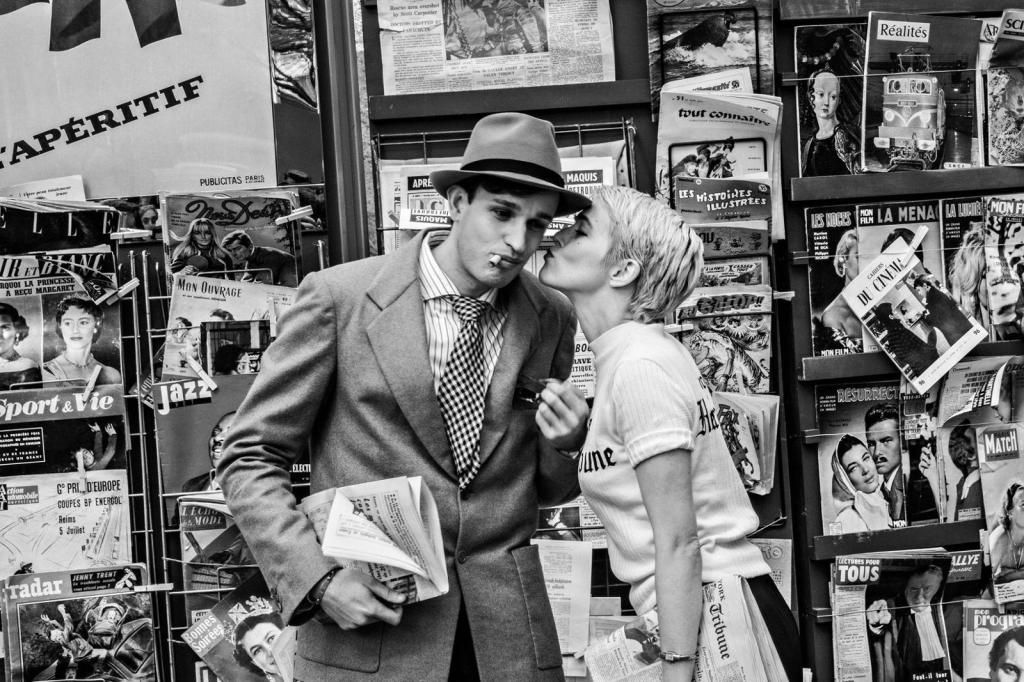
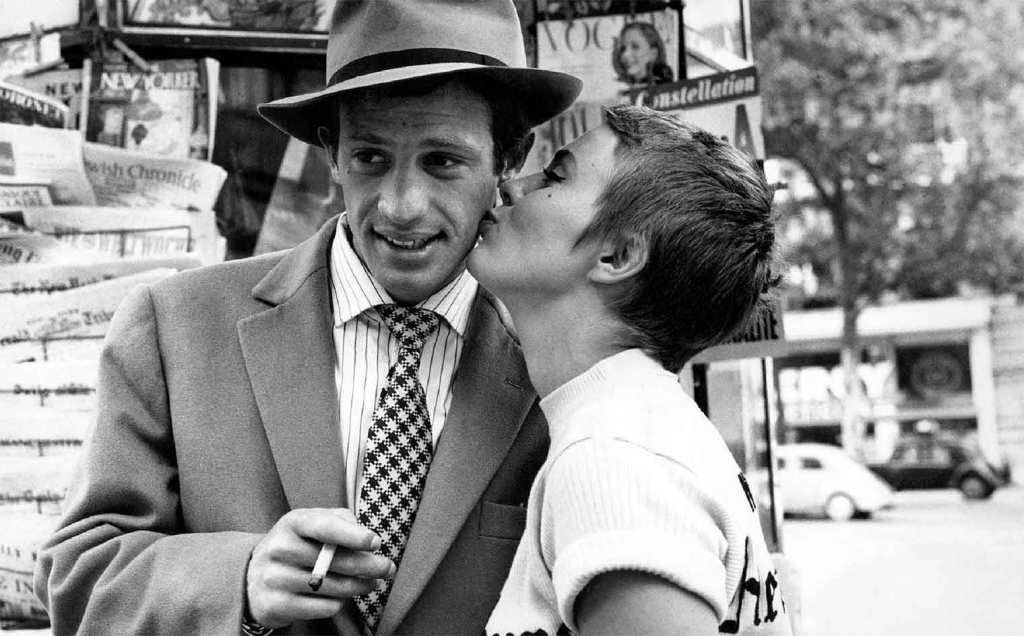
I used to be a film lover, but over the years, my life has subtly shifted from being a movie person to being a theater person.  Over the past couple of decades, I have been heading into the awards season usually having seen only one of the nominees (and it does not matter if there are five as in the past or 25 as there are now), and then I catch the rest on the plane at some future point.  Sometimes I happen to read about Oscar snubs and become convinced to see the ones that were not nominated.  This is how I came across “Nouvelle Vague”.  The name alone was enough.  It is about the making of “À bout de souffle” (I don’t call it “Breathless”), as well as the exhilaration of the beginning of that era in French cinema, The New Wave.

I have taken a couple of film classes.  In French.  French cinema classes.  And one actually in France.  So my formal knowledge of French cinema, while by no means impressive, is probably more substantial than my comprehension of many other art forms (although it ends before the beginning of the 1990s).

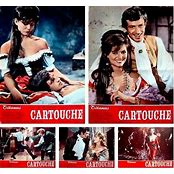
Nouvelle Vague itself is not my era.  As it is basically late 1950s to late 1960s, it is before my time.  I did not live it, but I did study it.  And if I am being perfectly honest, I am not even its biggest, or even middling, fan.  I prefer the gentle romanticism of its predecessors, and the romantic nostalgia of its followers.  When I saw “À bout de souffle”, I did not really like or understand it.  Besides “The 400 Blows”, I cannot name a single film of that period that I like (and don’t even get me started on “Weekend”—I am not sure I need to get to know Jean Luc Godard any better than I already do…)  And to me, Jean-Paul Belmondo is “Cartouche”, the lead of a swashbuckler which could have been made by Christian-Jaque ten years prior, even though it wasn’t.

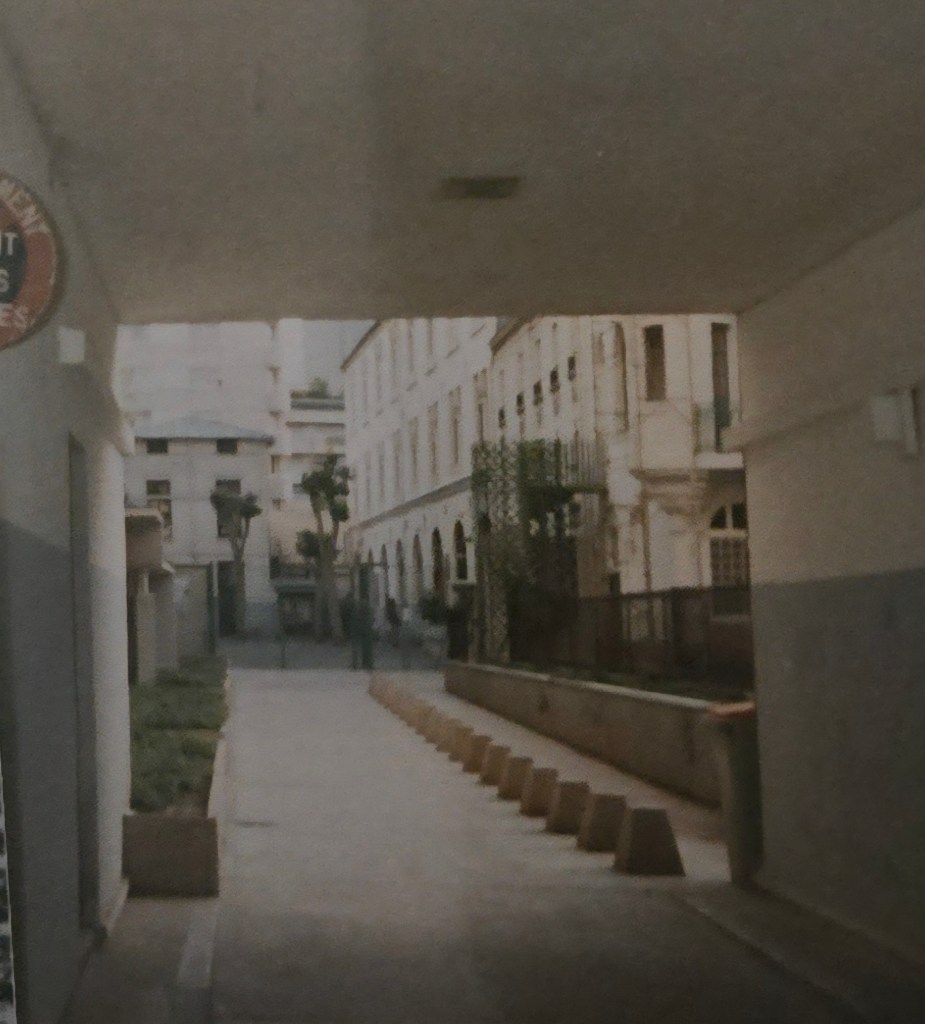
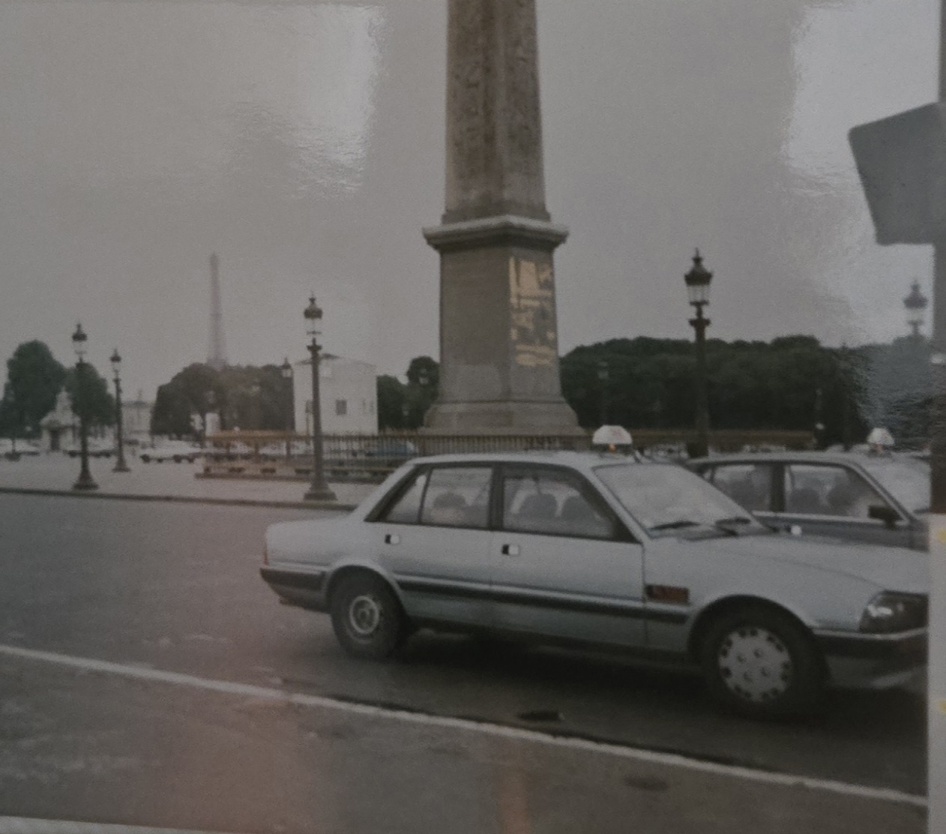
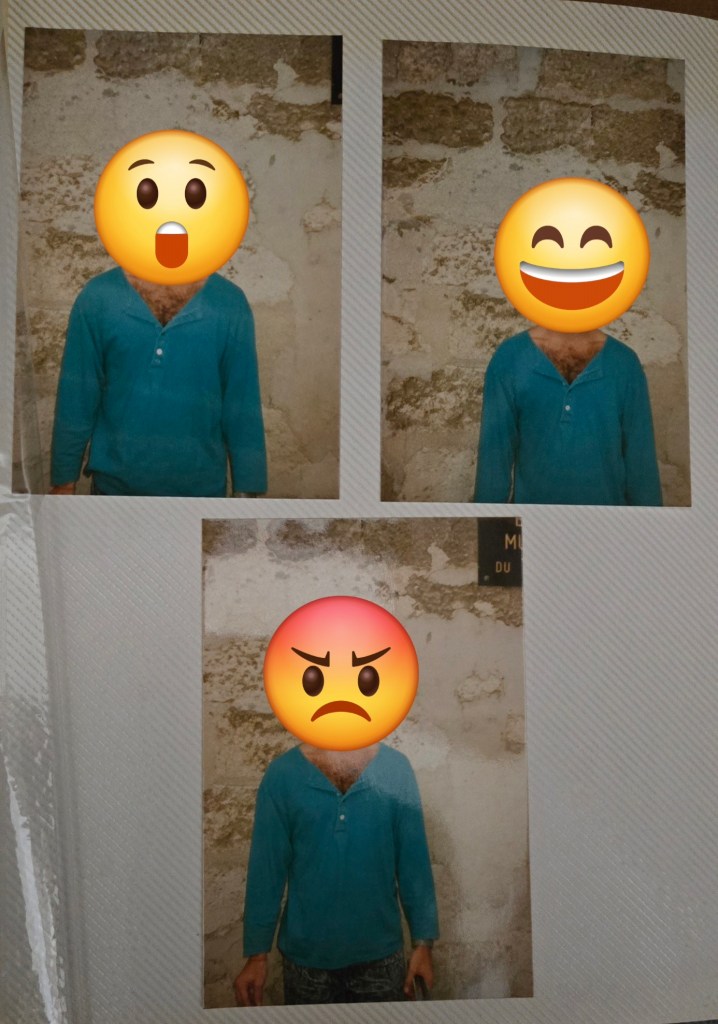
The first (and only) time I saw the original film, it was in a dark classroom on the Left Bank, during my semester abroad.  My friend Scott and I decided to pick a catchy phrase or scene from each of the movies we saw.  This was the second one.  We learned the word “dégueulasse” (disgusting), which for me was probably the most significant linguistic discovery of that summer.  There is also a scene where the main characters make faces: happy, angry, surprised.  I was constantly asking Scott to do it, and it always made me laugh.  When I saw the filming of it in “Nouvelle Vague”, it instantly transported me to that summer. 

I really do not know what I would or could have thought or felt about “Nouvelle Vague” the movie without my own cultural references to its origins, with its Belmondo who is genial, affable, and charming in his own way, but not in the inimitable way of Belmondo himself, without my delighted recognition of the film’s veritable parade of the giants of French cinema.  I simply cannot be objective about that.  My lived experience might be why I cried after this movie ended.  It brought back certain sensations, certain states of mind.  It reminded me of that magical summer in Paris—well, obviously that.  But it also reminded me of the magic of movies, how I used to love them, how thinking of some of them just drops me into the past.  I am not entirely sure that seeing “À bout de souffle” itself would have made me feel more in touch  with it, if that makes any sense. 

This film was not nominated for the Oscar, which these days means less than nothing, as far as I am concerned.  The one it’s about, which is considered one of the greatest films of all time, was not nominated, either.

Godfather and Me

I had a client once who professed to be a disciple of The Godfather.  He claimed that he read the book daily to gain wisdom.  It was his Bible, or, as they say in Russia (for he was indeed Russian), “table book”—meaning, a book that you keep on your table for daily reference.  He was a product of The Wild 90s—a decade of extreme instability and possibilities back in the Old Country, so no wonder one or both Dons Corleone were his models and ideals.  It was quite a different time in the U.S. in the 90s, where I was focused on building a career and a family in a way that did not involve any bloodshed.  And so, the hopeful young me thought that there were many literary characters much worthier of admiration.

Coming to America (actually, already here, just out and about)

It took me quite a few years to appreciate The Godfather in my own way.  I first saw it as a teenager; my mother must have rented it in her quest to absorb American popular culture (a trend that, at least for her, turned out to be reversible).  I liked it—who wouldn’t—but I did not really “get” it, not completely.  It was certainly a big story, with an iconic score.  At the time of the first viewing, the death of Sonny Corleone touched me the most.  I was no stranger to similar scenes of unflinching and unfair brutality in Soviet cinema.

I am not posting any scenes of murder and mayhem in this family-friendly blog.

Some decades later I caught The Godfather Saga, a spliced chronological combination of the first two movies, when it was once (once!) shown on TV in 2012.  I thoroughly appreciated the sequential flow, and finally jumped on its bandwagon.  Since there were no more movies to be had once I watched the final part of the trilogy, I read the book and all its sequels, including the ones written after Mario Puzo’s death.  Conventional wisdom claims that the film is better than the book.  Nah, it’s just more recognizable.  The book is fine.  However, how that client of mine chose it to be his life primer is still incomprehensible.  What actual life lessons worth emulating did he really learn from it? I always suspected it was so much posturing…

The story and its characters are so ingrained in our culture that I think we just identify with the familiarity of it.  There was even an episode of “Married with Children” literally called “The Godfather”.  I do not remember the plot (nor is it relevant), but there is a moment when Bud, feeling excluded, exclaims that he is not Fredo, it’s Kelly who is Fredo. 

Going through a particularly turbulent time at work, my mind unearthed this memory, and I became mildly fixated on figuring out who I am in the Godfather universe.  Identifying with the hapless Bud Bundy for the purpose of this exercise, and this exercise only, I started suspecting that *I* was Fredo.  Somehow I came to accept the idea of The Godfather as a microcosm of both work and family life where everyone has a cinematic, if not literary, doppelganger.  Surprisingly (Or not?  No, I really was surprised) there are quizzes to tell you what Godfather character you are.  I took several, with the unexpectedly consistent results.  Spoiler alert: I am not Fredo. 

These highly scientific quizzes are based on the movies and not the books.  In the books, Fredo is a thoroughly debauched and deviant womanizer.  He is not, or not just, the stereotypical middle child, overlooked and unable to find his place among the stronger and smarter siblings.  He is simply unsympathetic and unredeemed.  He is most assuredly not an innocent victim—he is basically not a nice guy.  It was tempting to relate to the slightly less harmful, more sad-sack movie version of him for a hot minute while feeling sorry for myself, but fortunately, the feeling passed.

While I certainly do not, not have I ever, identify with Michael Corleone in any of the movies or the books, I quite [over]use the quote “Just when I thought I was out, they pull me back in.”  It has basically become one of my favorite sayings about the state of my career over the past few years.  But it is just one saying.  The rest of his character and destiny resemble mine not at all.

I would have thought I would be Tom Hagen, at least as a professional courtesy, but truth be told, I am no one’s consigliere, no one’s voice of reason, and much more of a perennial ethnic outsider walking along to a funky beat than he would ever want to be.

And so, the big reveal of the quiz is that I got Kay, Michael Corleone’s second wife.  The highly scientific explanation was that I allegedly can be naïve and foolish when it comes to judging others.  That much is true—I have been known to misplace my trust in folks. But who hasn’t?  I protest a lot, but despite my attempts at outward cynicism, I hope for the best—and “hope dies last” is another favorite mantra. 

Kay has always been one of my least favorite characters in The Godfather.  She is just not cool in the romanticized world of the mafia dons.  But, she is also smart, independent, and—this is a big one—not a ruthless killer.  She finds the strength to break with the evil empire and make a new life for herself, and, ultimately, I can relate to that so much more than to anything and anyone else in those movies and books.  It doesn’t change a thing, but even so, I am feeling pretty good about this.  It’s nice to know.

And yet sometimes—sometimes—I cannot help feeling that in the parallel Godfather universe, I am the horse’s head.