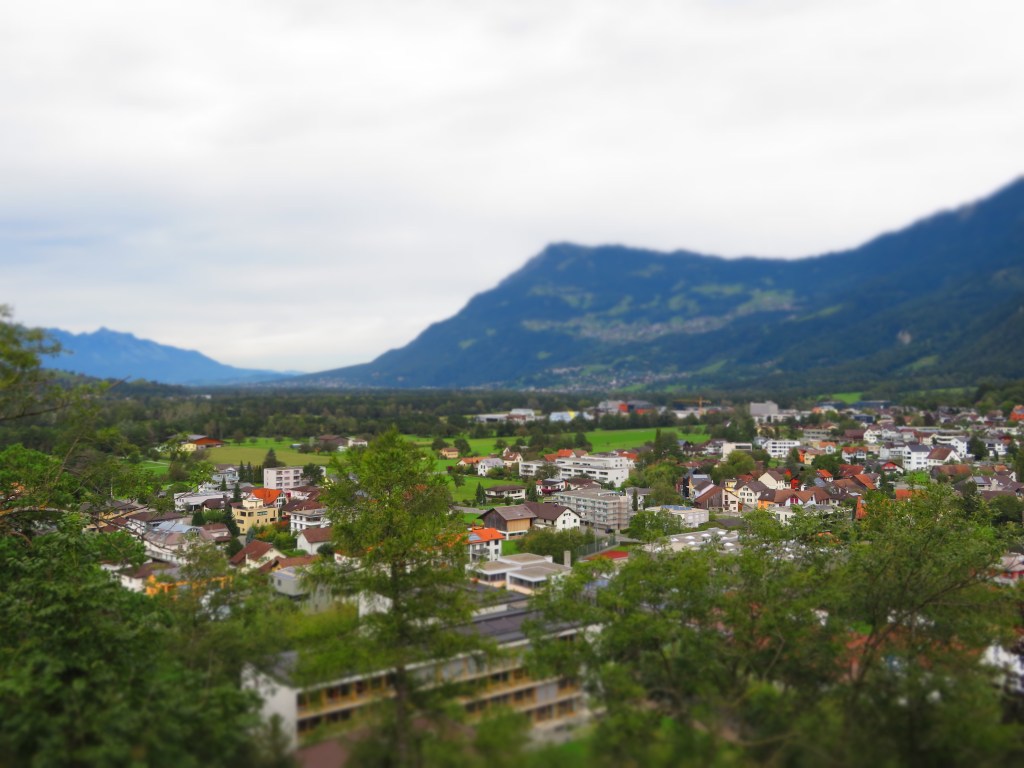
It was not *my* first trip to Spain, but third. Unlike my relationship with Paris [https://oldladywriting.com/2019/06/09/when-did-the-arc-de-triomphe-start-leaning/], my relationship with Spain devolved over the years, and what we call “The First Spanish Trip” has a lot to do with it.
It started out on a very auspicious note. I was young (though not as young as I was when I first went to Paris) and poor (though, again, not as poor). I had not travelled in several years by that point, if you do not count visiting family in Brooklyn (arduous drive-through-the-night weekend car trips) and Tennessee (same). Why weekends only? Because I live in a country where you have no expectation of paid time off. God bless America!
Somehow, a point was reached where a week’s vacation became an attainable goal, and a travel agent was contacted. Her involvement also seemed promising at first, as she mentioned that the roundtrip flights to Europe, particularly to either London or Madrid, were reasonably priced–$300, to be exact, which even a quarter of a century ago was very affordable.
I vaguely remember sitting in my office and calling my spouse to check if he would prefer London or Madrid. He had never been to Europe except purportedly some bizarre flight to Germany on a military plane for literally one day. The story is long on holes and short on details, and is not likely to merit another mention in print. I have previously been to both London AND Madrid. He fatefully asked, which one has better food? Even now, a quarter of a century later, having had many a glorious adventure in London, I would wholeheartedly cheer for Madrid for a superior culinary experience. Back then, it was a rhetorical question.
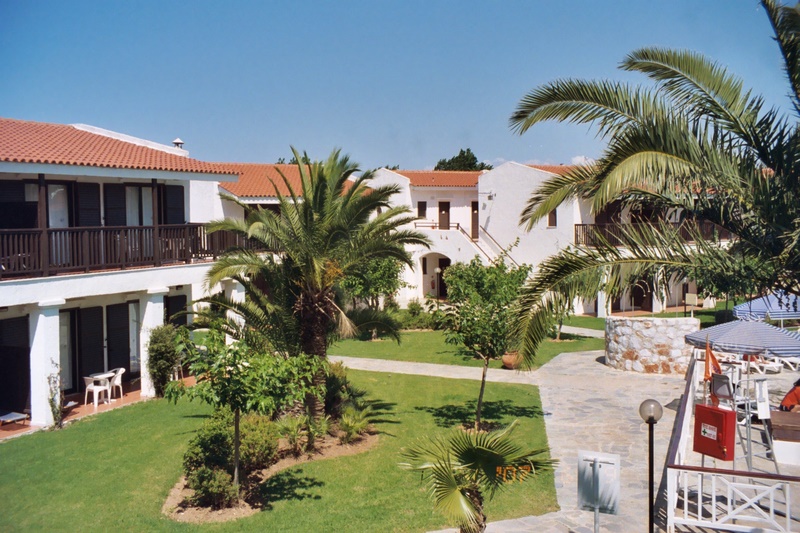
And then, in a strange twist of fate, I acquired a week of timeshare. There are probably more timeshares in Costa del Sol than anywhere else in the world. They are pretty fabulous resorts, even if you are not young and poor and have not taken a vacation in several years. Looking at the map, the drive from Madrid to Malaga’s environs is a lot shorter than the above-mentioned ones—in fact, about half the distance. On paper, it made perfect sense to rent a car and drive South, enjoying both the capital and the coast. A lot of things make sense on paper…
Again, because this is not a travelogue, I will only mention the mistakes that were made on this, my first adult vacation. To this day, my spouse has not recovered from some of these. The Second Spanish Trip, despite having been a perfectly lovely and fulfilling voyage which included many of the things we missed the first time, is largely ignored and forgotten, so large looms the shadow of The First. We may never pass this way again…
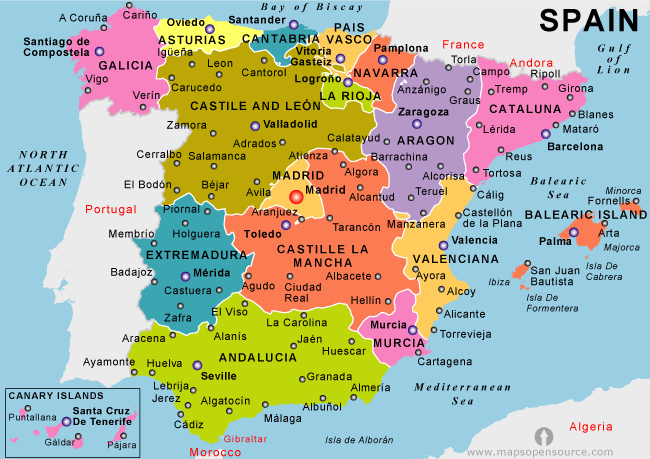
- Renting a car. I actually rented a car twice in Europe within the past year, and drove through Bavaria and Gascony, both possessing of narrow winding rounds through hilly terrain. But you know why this is no longer a problem? Because of technology. It is a lot easier to drive with the GPS telling you where to turn and automatically recalculating for road construction than it is when you are trying to read a many-paged Spanish-language atlas you bought at Borders (but I still miss Borders). Spouse was driving, since he is the only one who can drive a stick (a terrible European practice that, thankfully, has also gone away. No need to make life more difficult). I was frantically flipping through the giant map atlas. Everyone was screaming. A couple of peculiarities about Spanish highways: (1) When you see the “exit” sign, you literally have a second to swerve and exit. There is no 1 mile (or 1.6 km) warning, there are no multiple signs leading up to the exit. It’s just the exit, and there it went, and you are still driving. And if you think you can just exit at the next one and return—seriously, you think you can do that in Spain? Cute. (2) Sometimes, the highway entrance ramps are closed. Again, no warning, no construction signs, no yellow tape, just a barrier that someone put up to stop you from getting on the highway—so you need to very carefully reverse back down ramp. There was a lot of reversing done on that trip.
 (This sign would have been very helpful at the time) (3) If there is a detour, there are—you guessed it—no signs guiding you on an alternate path. If you are driving from Madrid to the coast, and the only road that you can see on the map is out of commission, you might end up going up a mountain and then down the other side to get back on track. The view was breathtaking, not the least because there are no barriers, not even the flimsy ones, between the narrow road and the side of the mountain, but I have never felt so close to death (except later on this trip; see below). We did drive through a town called Lanjaron—elevation 2,162 ft—where they make bottled water. Whenever I saw the bottles thereafter, I shuddered. And this is how a hypothetical five hour drive became a day-long, white-knuckled affair that pretty much set the tone for the entire vacation.
- Flea Market. I hate flea markets, which is a holdover from the days I spent with my grandparents in Brooklyn. South of Spain was filled with them. Maybe it still is, I do not know. Everyone seemed very keen on recommending them to us, and we put some effort into avoiding them. Imagine our surprise when we actually encountered one at an amusement park. Yes, right next to the swinging pirate ship in Tivoli World in Benalmadena Costa, various vendors spread their wares on the ground. I bought a calculator to help me with currency conversion, and it broke before the end of the vacation. And by the way, Tivoli World is lame, cannot recommend. Of course, I live within driving distance of “America’s Roller Coast”, but even so, and even without the flea market all over itself, Tivoli World was not worth visiting.
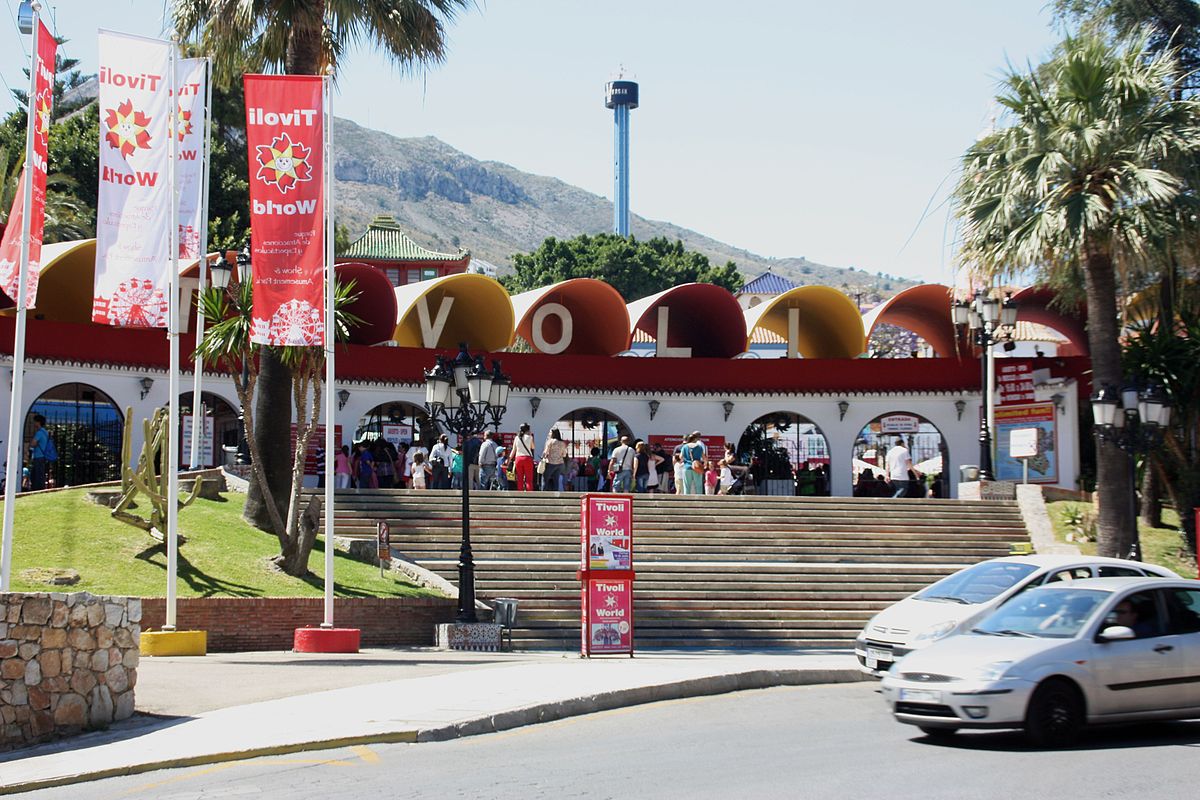 (It might be nicer now)
 - Clamps. Parking can be a challenge in Europe, especially if you cannot afford it. On my last two trips that involved a car, which consequently involved parking, I occasionally paid for it. Ah, the privilege of middle age—being able to afford to drive your car into a public garage! It is not even grossly overpriced—you can pay less for an entire day of parking during Oktoberfest in Munich than you would for an hour in Chicago’s Loop, true story! But back then, either parking was unaffordable, or it simply was not there, or both. Our most confusing day was in Gibraltar, where we congratulated ourselves on finding a great free spot for our rented Opel Kadett under an innocuous sign “clamps”. OK, clamps, whatever, and we walked away. And then we saw it: all the cars similarly parked had fluorescent orange boots on one wheel. “Clamps” is literally what we did not think it was—it clamps onto your car to prevent it from moving, because it is in a *no parking* spot! We ran back so fast (I could still run at that point on vacation—keep reading), and rescued the car from imminent clamping. Gibraltar is English territory. Why not just say “no parking”? A mystery, but one we solved in the nick of time.
 (This detailed sign and illustration would have been very helpful)
 - Driving up The Rock. Again, being poor, but in possession of a car, we could not afford the funicular, and decided to drive up to The Rock of Gibraltar. The road we took was clearly one way, because it was narrow enough for just one European-sized car, although we were puzzled at the lack of indicators which was the one way heading. We assumed we missed the direction sign, because going the way we were just felt right—until we turned a sharp corner and were confronted by a bus barreling toward us at what seemed like the speed of light. It was the one time in my life I was certain I was going to die. It was, to this day, the scariest thing that has ever happened to me. We screeched to a stop. The bus screeched to a stop. Spouse apologized for going the wrong way on a one-way street. The bus driver replied, nonchalantly, “It is a two-way system, but you are going the wrong way to the rock”. Apparently, no panic is warranted. If someone is coming your way, you pull over—onto the sidewalk, hopefully not running over pedestrians—and let them pass. But this was just not the right street for us. So we retraced our steps and took another, similarly terrifying, route.
- Monkeys. Gibraltar is home to the only free-roaming monkeys in Europe. They are cute, but they are not domesticated. This is their home. We are mildly unwelcome visitors. Unless you have something they want. Some years later, they attacked my grandmother because she pulled out a packet of airline peanuts from her pocket (back when airlines served peanuts)[1]. That day, they mostly entertained themselves by getting into some carelessly unlocked cars, preening in rearview mirrors, and pooping on the seats. The only thing we did right was lock our car with the windows up. And then a monkey stole spouse’s glasses, and I painfully twisted my ankle while chasing it. I managed to get the glasses back, but at great personal cost. My ankle hurt, the rest of the trip’s itinerary had to be scrapped because I could not walk very much and had to stay close to the resort, but thank God for socialized medicine—at least I got some amazing painkillers for free from the infirmary at the resort[2].
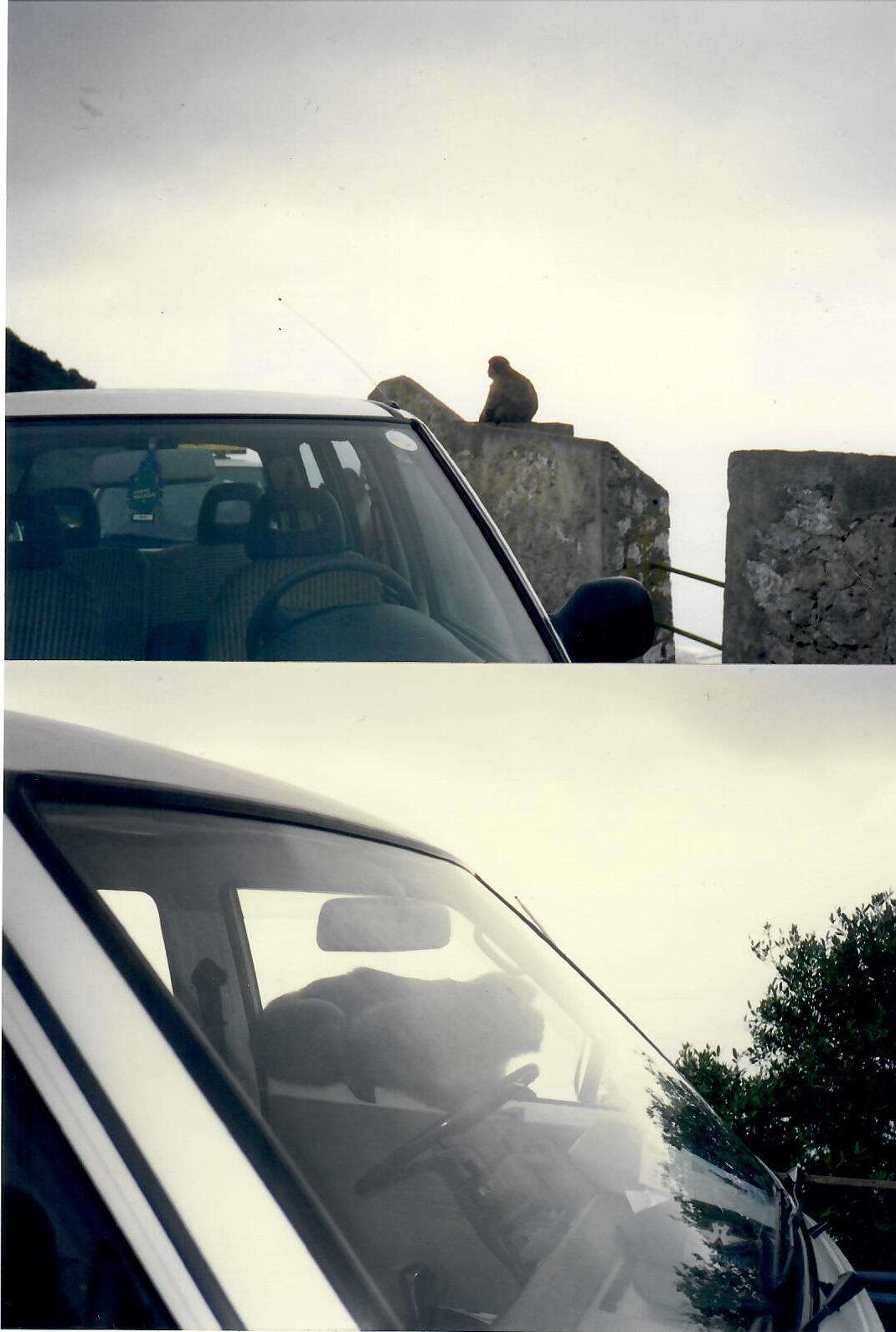 (Actual photos I took)
 - Bat. Our trip combined the Riviera and Madrid, where we finally parted with the car and thought we might breathe easier for a few days. That was not to be. The very first evening out promenading in the city, we were encountered by a protest. We had no idea what it was about, but it was alarming both because of our reluctance to be a part of an international incident and because its shouting, marching, flag-waving demonstration was led by a bat. Yes, a real flying creature of the night charged ahead of the humans and toward us. We ran and hid. I mean, what else was there to do?

- Hostel. In Madrid, we stayed in a hostel. This was before hotels.com, let alone Airbnb. I literally sent a fax in my very basic [two years of high school] Spanish from the U.S. to reserve a hostel. It might not have been so bad, even without a TV or any amenities but with a shower, had we not just stayed at a fabulous timeshare. This was when I said to myself, no more hostels for me. Never again. And then…
- We missed the flight. Yes, it happened, and I still do not know who is to blame for this. We arrived at the airport two hours before the designated flight time, and were told that we were two hours too late. Apparently, this particular flight has been leaving at a different hour for quite some time. Our tickets were handwritten by the travel agent—who remembers that crazy practice?—who later claimed that the flight time must have been changed after the tickets were issued. We had no international calling capabilities, and it was long before the flight apps. The stressed TWA agents, whose employer was going through one of its final bankruptcies, initially just shrugged, but once I became mildly hysterical, offered to rebook us on the next flight out free of charge. Of course, that flight was not leaving until the next day—22 hours later, at the correct time. They booked us into—what else?—a hostel[3] in Barajas, a tiny and unpleasant airport town. By the time we made it to the hostel, the entire town was closed for a five-hour afternoon siesta. No matter, we were out of money anyway (this was, of course, before credit cards were widely in use and/or accepted in Europe). At some point, the town’s only eatery opened for a couple of hours, so we scraped together our remaining pesetas and spent them on an American-style burger (that’s all they had, really!) and a pitcher of sangria. The next morning, we put on the clothes we hastily previously washed in the hostel sink and dried outside. And thus ended our first and worst adult and European vacation. [4]

[1] Do not feel bad for grandma. She was, and is, fine. It takes more than a pack of wild monkeys to take her down.
[2] I have been telling this story for all these years, but it is a fiction—some might say, a lie, but that is such an ugly word. What actually happened is that I twisted my ankle in the excitement of getting to the bargain basement of Marks & Spencer’s. Which is a stupid thing that I do not like to mention, but now you know.
[3] Hostal Viky is still in existence. I am not going to give it a review, either here or anywhere else, because it may very well be a fine establishment of its kind, but as the final indignity at the end of a comedy of errors, it did not impress.
[4] But you know what was NOT bad about The First Spanish Trip? My footwear! [https://oldladywriting.com/2020/07/30/the-wrong-way-to-the-parthenon/] In the photos, I am wearing tennis shoes. How American! It was the last time I wore tennis shoes to Europe. That is also something that has changed over the past quarter of a century, but now I am old, and my running shoes are for running.